Izakaya Hachi
Izakaya Hachi on West Carson Street sits inside Torrance's established Japanese dining corridor, where the izakaya format — drinking-led, share-plate social — operates with more seriousness than its casual reputation suggests. The back bar and spirits program are the draws here, positioned within a South Bay neighbourhood that supports some of the densest concentration of Japanese food and drink culture outside of the San Fernando Valley.
 Discover on Pearl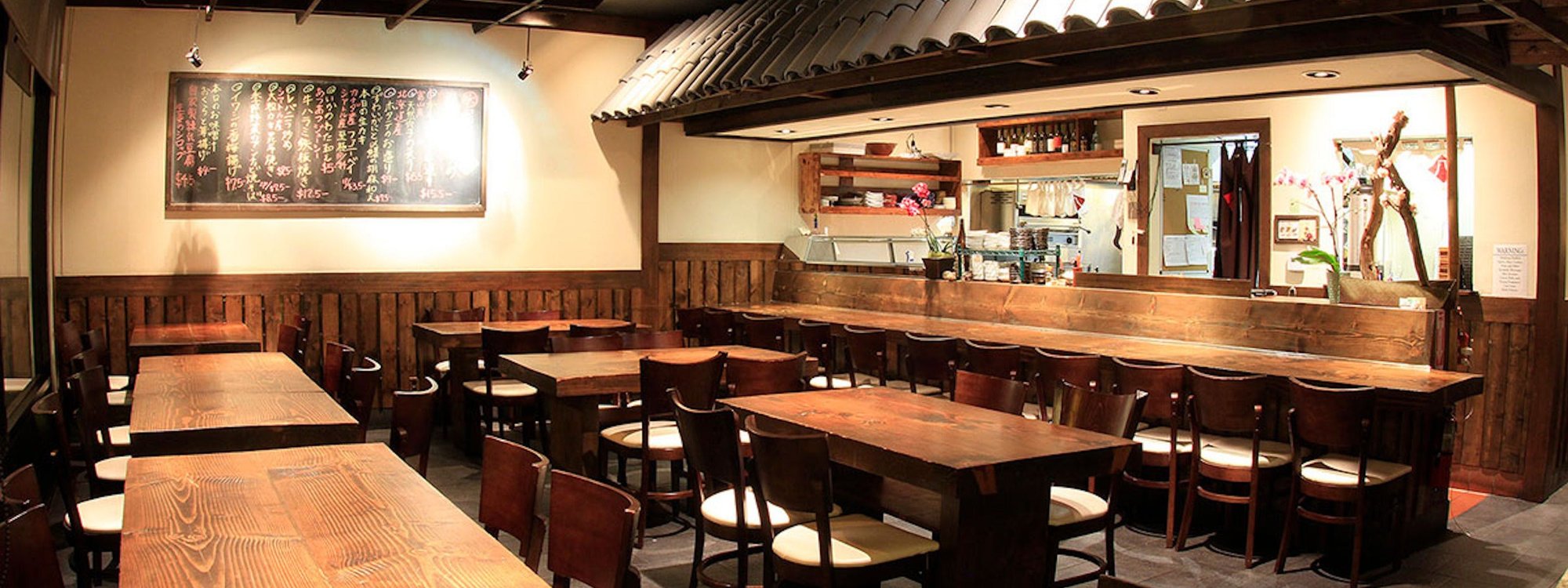
The Izakaya Format in a Japanese-American Stronghold
Torrance is not a footnote in California's Japanese dining story. The South Bay city's West Carson Street corridor has quietly accumulated a concentration of Japanese restaurants, ramen counters, and izakayas that reflects decades of Japanese-American community presence. The format that defines places like Izakaya Hachi — drinking first, eating second, the two inseparable — is the authentic izakaya model, not the Americanised version that strips out the shochu and replaces it with a sake cocktail list. Understanding that distinction matters when you're deciding how to spend an evening in Torrance.
The izakaya as a concept sits between a pub and a gastropub in Western terms, but neither analogy fully holds. The better frame is a spirits-forward social institution where small plates exist to extend the drinking session and soften its edges. The back bar is the spine of any serious izakaya, and its depth tells you more about the operator's ambitions than the food menu does. In cities like Tokyo, the hierarchy runs from cheap neighbourhood watering holes to curated specialist bars where the whisky selection alone requires a separate laminated card. Torrance's izakaya scene occupies a mid-register of that spectrum, with Izakaya Hachi at 1880 W Carson St placed inside the more considered end of the local tier.
What the Back Bar Signals
The editorial angle on any izakaya is the spirits program, because that's where curation either announces itself or collapses into generic shelving. Japanese whisky remains the category that defines serious intent in this format: the spread between mass-market Suntory Toki and allocated expressions from Nikka's Yoichi or Miyagikyo single malts tells you immediately whether the buyer is engaged or simply restocking. The same logic applies to shochu , the spirit most Americans still under-order , where barley, sweet potato, and rice variants carry distinct regional signatures that a good izakaya back bar makes legible through its selection depth.
Sake occupies a third axis. The question is whether the list goes beyond the four or five labels that appear on every Japanese restaurant menu in Southern California, and whether there's any junmai daiginjo or aged koshu that suggests the buyer has thought past the obvious. Comparable operations in the craft-serious tier of American izakaya bars , venues like Kumiko in Chicago, which has received sustained recognition for its Japanese spirits program, or Bar Leather Apron in Honolulu, where Pacific-facing spirits curation runs deep , have demonstrated that the format rewards specificity. Izakaya Hachi operates in a different scale and market context, but the underlying logic is the same: the back bar either reflects genuine knowledge or it doesn't.
Atmosphere and the Physical Space
Approaching Izakaya Hachi on West Carson Street, you're entering a commercial strip that reads more utility than destination, which is precisely the register that authentic izakaya culture occupies. The format has never been about designed arrival sequences or valet queues. In Japan, the izakaya is often located down a side street or inside a building that requires a deliberate choice to enter. The Torrance iteration fits that template: this is a neighbourhood institution rather than a showcase restaurant, and the atmosphere tracks accordingly.
Inside, the expected markers of the format hold. Counter seating and close-set tables facilitate the social mechanics the izakaya depends on , group ordering, shared plates moving across the table, rounds arriving in rhythm with conversation rather than kitchen timing. The noise level at peak hours is part of the design logic, not a byproduct of poor acoustics. The evening builds gradually, which is how the izakaya is supposed to work: you don't arrive knowing exactly what you'll drink or eat, and the leading sessions are the ones that extend longer than planned.
Placing Hachi in the Local Peer Set
Within Torrance's Japanese food corridor, the peer comparison is instructive. Ise-Shima Restaurant operates in a more traditional Japanese dining register, while Josui Ramen anchors the quick-service end of the spectrum. Sushi Yoshi competes in the sushi-counter format where the premium sits in the fish sourcing and the omakase structure rather than the bar program. Izakaya Hachi occupies the drinking-led middle ground: the venue where the evening doesn't have a fixed endpoint and the spirits selection does more work than the à la carte menu.
For readers comparing across a wider geography, the American izakaya-adjacent bar scene has a few reference points worth knowing. ABV in San Francisco operates a technically serious cocktail program that shares some DNA with izakaya sensibility. Jewel of the South in New Orleans and Julep in Houston each anchor specific regional traditions at the spirits-first end of bar culture. In Europe, The Parlour in Frankfurt on the Main and Allegory in Washington, D.C. and Superbueno in New York City each demonstrate how a focused spirits identity can define an entire programme. The common thread across all of them is editorial conviction in the back bar.
Planning Your Visit
Izakaya Hachi is located at 1880 W Carson St, Torrance, CA 90501, in the South Bay's most established pocket of Japanese dining. The West Carson Street corridor is accessible by car from central Torrance and the wider South Bay area, and the surrounding neighbourhood offers complementary options for extending an evening across multiple stops. Because the izakaya format rewards unhurried pacing, arriving early in the evening and letting the session build is the more effective approach than arriving late expecting a compressed experience. Booking details and current hours are leading confirmed directly with the venue before visiting, as operational specifics for this location were not available at time of publication. For a fuller picture of where Izakaya Hachi sits within the Torrance dining scene, the EP Club Torrance restaurants guide maps the broader landscape across formats and price points.
Frequently Asked Questions
- What should I expect atmosphere-wise at Izakaya Hachi?
- The format is social and informal, with the noise level and close-set seating that characterise the izakaya model. Torrance's Japanese-American community gives the venue a neighbourhood institution quality rather than a destination-restaurant feel. The evening builds gradually, and the atmosphere is built around group drinking and shared plates rather than structured dining.
- What's the signature drink at Izakaya Hachi?
- Specific menu details were not available at time of publication. As an izakaya operating in a market with serious Japanese spirits interest, the back bar is the place to focus: Japanese whisky, shochu by variant, and sake beyond the standard list are the categories that distinguish serious operators in this format. Confirming the current spirits program with the venue directly will give you the clearest picture.
- What's Izakaya Hachi leading at?
- Izakaya Hachi operates at the drinking-led, social end of Torrance's Japanese dining spectrum. In a corridor that includes sushi counters, ramen shops, and traditional Japanese restaurants, Hachi occupies the izakaya niche where the evening's shape is determined by the bar program and the pace of shared plates, rather than a fixed tasting menu or single-format cuisine.
- Is Izakaya Hachi a good option for Japanese whisky in the South Bay?
- The izakaya format positions Japanese whisky as a natural anchor for the spirits program, and Torrance's Japanese-American community supports a more engaged spirits culture than many comparable suburban markets in Southern California. Whether Izakaya Hachi's current back bar reflects that potential is leading confirmed by contacting the venue directly, as specific bottle lists were not available at time of publication. For broader context on where Hachi fits in the local scene, the EP Club Torrance guide covers comparable venues across the area.
Budget Reality Check
A quick look at comparable venues, using the data we have on file.
| Venue | Price | Awards | Notes |
|---|---|---|---|
| Izakaya Hachi | This venue | ||
| Ise-Shima Restaurant | |||
| Josui Ramen | |||
| Sushi Yoshi |
Need a Table?
Our members enjoy priority alerts and concierge-led booking support for the world's most difficult bars and lounges.
Get Exclusive Access