Josui Ramen
Josui Ramen sits on Artesia Boulevard in Torrance, a corridor that has quietly become one of Southern California's more concentrated pockets of Japanese dining. The address places it inside a neighborhood where ramen is taken seriously, and where regular clientele tend to know the difference between broths built over hours and those assembled from shortcuts.
Pearl is the En Primeur Club membership app — saves, bookings, and concierge access live there. Same editors, same standards.
- Address
- 2212 Artesia Blvd ste b, Torrance, CA 90504
- Phone
- +1 310 505 5124
- Website
- josuiramen.com
- Directions
- Get directions
 Saves & bookings on Pearl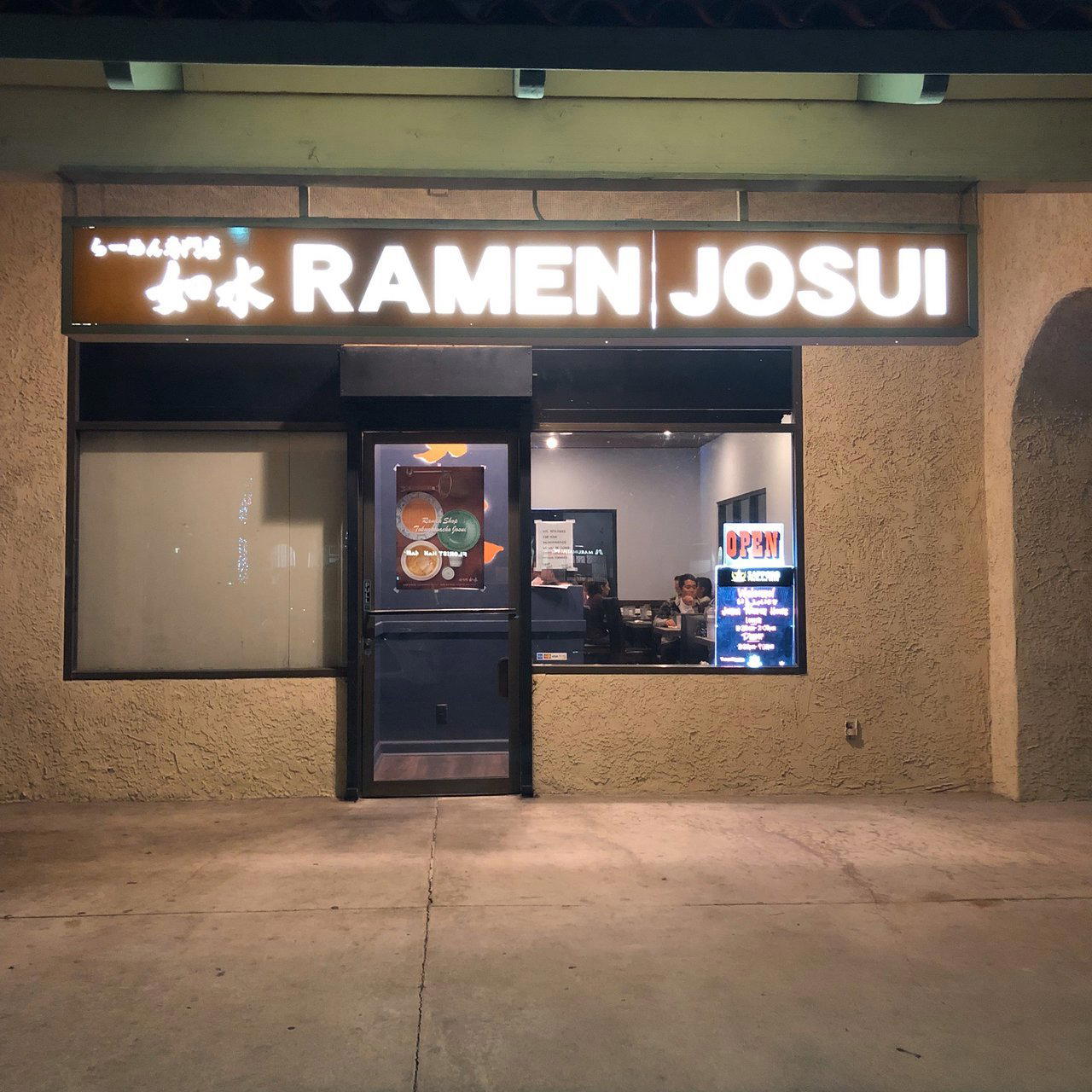
Artesia Boulevard and the Ramen Belt It Helped Build
Torrance occupies a specific position in the Los Angeles Japanese food ecosystem that is easy to underestimate if you approach it from the freeway and measure it against flashier neighborhoods. The city has, over several decades, accumulated a density of Japanese restaurants, markets, and specialty food businesses that reflects the scale of its Japanese-American community rather than any effort to perform that identity for outside audiences. Artesia Boulevard is one of the corridors where that density is most legible. Ramen shops, izakayas, sushi counters, and Japanese grocery anchors share blocks in a way that would not look out of place in a mid-size Japanese city. Josui Ramen, at 2212 Artesia Blvd, sits inside that pattern rather than apart from it.
That context matters when assessing what a ramen shop on this street is competing against and what kind of customer it is serving. The clientele here tends to be local, repeat, and informed. A diner who lives in Torrance and eats Japanese food regularly is not evaluating a bowl of ramen against a glossy Sawtelle opening or a downtown Los Angeles concept with a press campaign. They are comparing it against the other options on the same few miles of road, which is a more demanding standard in its own way.
What the Address Tells You Before You Walk In
The suite designation at this address signals a smaller, strip-mall format, which is the dominant physical type for Japanese specialty dining in Torrance. This is not a design-forward room with architectural ambition. The category of ramen shop that occupies a suite in a low-rise retail strip on a surface-street corridor in the South Bay is a category built around the bowl, not the backdrop. Lighting tends toward functional. Seating is arranged for throughput. The transaction is clear: you are here because the broth is worth the trip, and the room is configured to let that broth be the entire point.
For readers accustomed to bars and restaurants where the back bar or the dining room design is itself the argument for visiting, this format requires a small adjustment in how you read the space. The equivalent of a carefully curated spirits collection in this context is a well-maintained broth program, the kind of kitchen discipline that produces consistent results across service periods rather than the showy variation of a tasting menu. The depth is in the process, not the display.
Torrance Japanese Dining in Competitive Context
The stretch of Artesia Boulevard where Josui Ramen operates sits within a neighborhood that includes Ise-Shima Restaurant, which covers the traditional Japanese set-meal format, and Izakaya Hachi, which operates in the small-plates-and-drink register that izakayas specialize in. Sushi Yoshi covers the counter sushi format nearby. What this means is that within a short radius, a diner can move across the full range of Japanese dining modes without leaving the neighborhood. Ramen occupies its own lane in that ecosystem: it is the format most associated with quick, satisfying, affordable eating, but within that lane there is considerable variation in ambition and execution.
In cities with serious ramen cultures, the difference between a shop coasting on a passable tonkotsu and one running a broth program with genuine depth is apparent within the first few spoonfuls. The Torrance corridor has enough experienced ramen eaters to enforce that distinction through repeat patronage patterns, which is the most reliable quality signal in a neighborhood where critical coverage is sparse and word travels through community networks rather than food media.
Ramen and the Question of Curation Depth
The editorial angle that connects ramen to the concept of a curated collection, the way a serious bar program is defined by the depth and intentionality of what sits on the shelf, maps onto ramen at the level of the broth base, the tare, the fat layer, and the toppings. A shop that has thought carefully about each of those components and how they interact is running the ramen equivalent of a considered back bar. The number of components involved in a finished bowl, each prepared separately and assembled to order, is comparable in discipline to the process of building a cocktail program around specific spirits categories and sourcing decisions.
Bars like Kumiko in Chicago, ABV in San Francisco, and Bar Leather Apron in Honolulu have built reputations on exactly this kind of layered, technical thinking applied to a format that could easily be executed at a surface level. The parallel in ramen is the shop that bothers with the details that most diners will not consciously identify but will register as the difference between a bowl they want to finish and a bowl they want to repeat. Operations like Jewel of the South in New Orleans, Julep in Houston, Superbueno in New York City, Allegory in Washington, D.C., and The Parlour in Frankfurt on the Main each demonstrate that disciplined program thinking, applied consistently, is what separates a destination from a convenience stop.
Planning a Visit: What to Know
Josui Ramen is located at 2212 Artesia Blvd, Suite B, Torrance, CA 90504. As with most strip-mall ramen shops on the South Bay corridor, street and lot parking are the practical access modes. The suite format suggests a smaller room, which in ramen shop terms usually means waits during peak lunch and early dinner hours, particularly on weekends. Arriving at off-peak times, either before the noon rush or mid-afternoon, tends to produce a more relaxed experience and faster access to a seat. For a fuller picture of what this neighborhood offers across dining formats and price tiers, the full Torrance restaurants guide maps the options across Japanese and non-Japanese categories.
Cost and Credentials
| Venue | Price |
|---|---|
| Josui RamenThis venue — the venue you are viewing | This venue |
Continue exploring
More in Torrance
Bars in Torrance
Browse all →
Restaurants in Torrance
Browse all →
Hotels in Torrance
Browse all →
Wineries in Torrance
Browse all →
At a Glance
- Cozy
- Casual Hangout
- Standalone
- Counter Only
- Sake
Current opening hours
- Monday
- Closed
- Tuesday
- 11:30 AM–2:15 PM, 5:30–9:30 PM
- Wednesday
- 11:30 AM–2:15 PM, 5:30–9:30 PM
- Thursday
- 11:30 AM–2:15 PM, 5:30–9:30 PM
- Friday
- 11:30 AM–2:15 PM, 5:30–10 PM
- Saturday
- 11:30 AM–10 PM
- Sunday
- 11:30 AM–9 PM
Hours can change for holidays and private events. Last verified .
Know Before You Go
- Getting there
- 2212 Artesia Blvd ste b, Torrance, CA 90504