Sushi Sho
Sushi Sho on Kalaimoku Street sits at the serious end of Honolulu's omakase tier, a counter-format restaurant where the sequencing of the meal, not the setting, is the argument. In a city where Japanese dining ranges from casual teishoku to reservation-only progression menus, Sushi Sho occupies a position closer to the latter, drawing comparisons to dedicated omakase counters in Tokyo and New York rather than to the broader Waikiki dining scene.
Pearl is the En Primeur Club membership app — saves, bookings, and concierge access live there. Same editors, same standards.
- Address
- 383 Kalaimoku St, Honolulu, HI 96815
- Phone
- (808) 729-9717
- Website
- ritzcarlton.com
 Saves & bookings on Pearl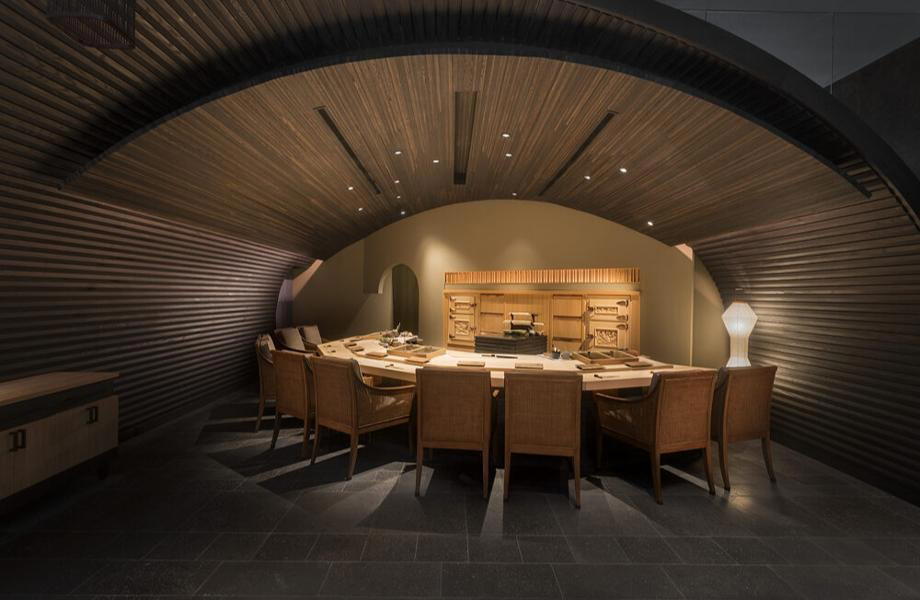
A Counter in Waikiki That Operates on Its Own Terms
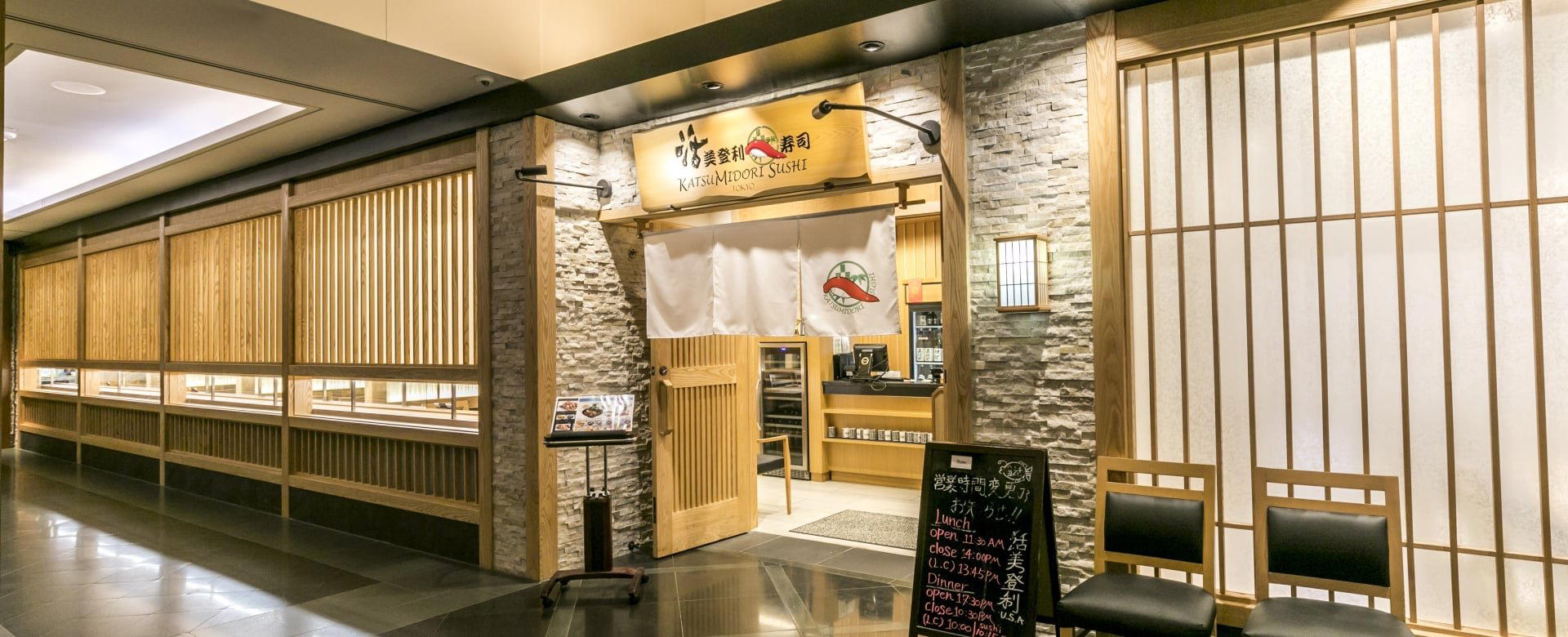
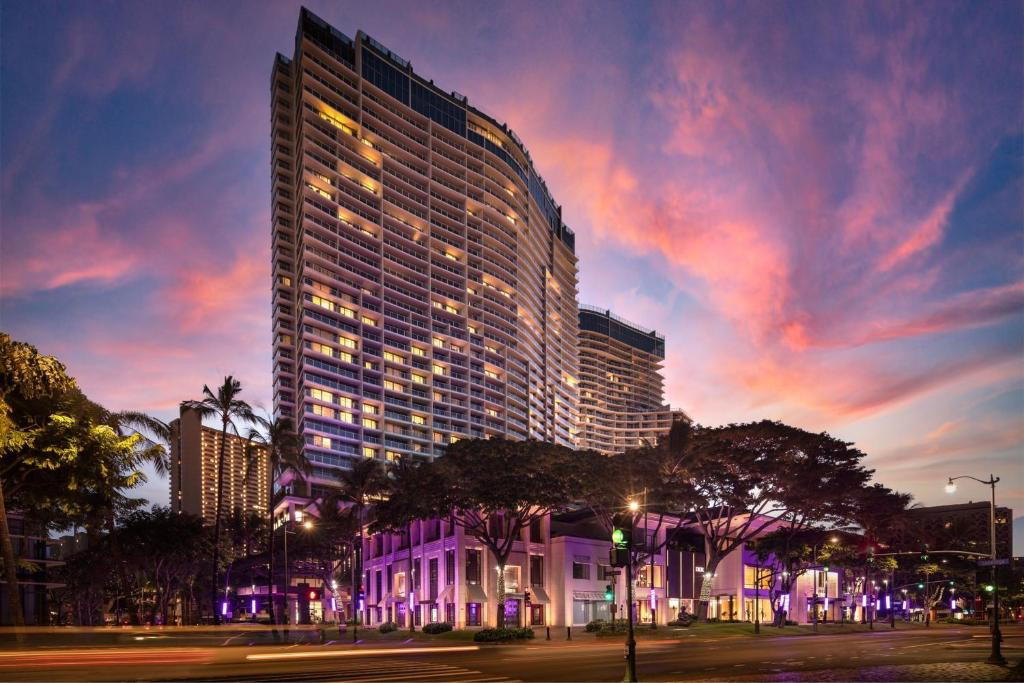
Waikiki addresses can be misleading. Sushi Sho is an Edomae-Style Japanese Omakase restaurant at 383 Kalaimoku St in Honolulu, with dinner service Tuesday through Sunday and a price tier around $300 per person. Sushi Sho, at 383 Kalaimoku St, sits inside that geography but operates at a remove from it. The format here is the counter, the kind of setting where the room is incidental and the sequencing of nigiri and small preparations across the meal is the entire point. That distinction places it in a different conversation than most of what surrounds it, and understanding that distinction is the starting point for anyone deciding whether to book.
Counter-format omakase in the United States has consolidated around a handful of cities. New York carries the deepest bench, with venues like Atomix and Le Bernardin anchoring serious tasting-progression dining at opposite ends of the Japanese-French spectrum. San Francisco has its own tier, represented in part by Lazy Bear's commitment to sequenced, course-driven narrative. Honolulu's position in that national conversation is less discussed, but it has earned attention, partly through the presence of Sushi Sho, which has accumulated a following among serious eaters who seek out omakase counters with genuine Japanese lineage rather than omakase branding applied to a conventional sushi bar.
The Shape of the Meal
Omakase as a format is frequently misunderstood outside Japan. It is not simply a set menu or a chef's tasting, it is a sustained negotiation between what is available, what is at peak condition that day, and how courses should be sequenced to build toward something rather than simply accumulate. The better omakase counters in Tokyo operate on this logic, and it is a harder discipline than it appears: the progression has to arc, not just proceed. Early pieces tend toward lighter, more delicate fish; proteins with higher fat content arrive mid-sequence; the meal closes on vinegared rice-forward pieces and soup that bring the palate back to neutral. The entire structure assumes an engaged diner who is not directing the meal but following it.
Sushi Sho's reputation in Honolulu aligns with this model. The venue draws consistent comparisons to the Tokyo original, a reference that signals its position within the Japanese sushi tradition rather than the Americanized omakase category that proliferated in the 2010s. For diners accustomed to the kind of disciplined tasting progression found at The French Laundry in Napa or Single Thread Farm in Healdsburg, the underlying logic will feel familiar even if the form is entirely different.
Honolulu's Japanese Dining Tier
Hawaii's Japanese dining scene is one of the more layered in the United States, shaped by over a century of Japanese immigration and a local palate that absorbed Japanese technique long before omakase became a national trend. That history creates an interesting split: there is casual, deeply integrated Japanese-Hawaiian cooking on one end, and imported high-end Japanese concepts on the other. Sushi Sho occupies the latter category but with more institutional depth than most imports.
The broader Honolulu restaurant scene, which includes New American venues like Fête and Italian-focused options like Arancino at The Kahala, has grown more serious about tasting-format dining in recent years. Cocktail-driven progression at Bar Maze reflects a parallel interest in sequenced experience across categories. Japanese dining specifically is well-represented at the casual tier through places like Fujiyama Texas and Ginza Bairin. Sushi Sho's position at the upper end of that range is largely undisputed among locals who track the segment.
Planning Your Visit
Sushi Sho is located at 383 Kalaimoku St in the Waikiki area of Honolulu. The address is a short walk from the main resort strip but removed from the densest tourist corridors, which keeps foot traffic low and the counter atmosphere intact. Reservations are the only practical way to dine here, counter-format omakase at this level does not accommodate walk-ins, and demand typically runs several weeks or months ahead depending on the season. Honolulu draws heavy resort traffic from December through April and again in summer; booking well in advance of those windows is advisable.
Diners arriving from the continental United States who have experienced progression-format counters at venues like Alinea in Chicago or internationally at venues like 8 1/2 Otto e Mezzo Bombana in Hong Kong will recognize the implicit contract of this kind of dining: you are ceding direction to the kitchen, and the meal earns its price through the coherence of that structure, not through portion size or menu length. At Sushi Sho, that contract is the product. For a comparative reference on how American tasting-format dining has evolved at the highest tier, Emeril's in New Orleans offers a useful data point on how legacy American fine dining has aged relative to the newer omakase counter format.
Compact Comparison
Comparable venues nearby, for context on price, style, and recognition.
| Venue | Cuisine | Price | Notes |
|---|---|---|---|
| Sushi ShoThis venue — the venue you are viewing | Waikiki, Edomae-Style Japanese Omakase | $$$$ | |
| Sushi Ichika | $$$$ | Ala Moana, Traditional Japanese Omakase Sushi and Tempura | |
| Amaterasu | Ala Moana, Omakase Sushi | $$$$ | |
| Japanese BBQ Yoshi | Makiki Ako, Japanese Yakiniku | $$$$ | |
| Tempura inaba Hanalei'i Sushi inaba Hanalei'i | Moiliili, Tempura Omakase | $$$$ | |
| Sushi Ginza Onodera Honolulu | Kapahulu, Traditional Japanese Omakase | $$$$ |
At a Glance
- Intimate
- Elegant
- Sophisticated
- Date Night
- Special Occasion
- Chefs Counter
- Sake Program
- Local Sourcing
- Sustainable Seafood
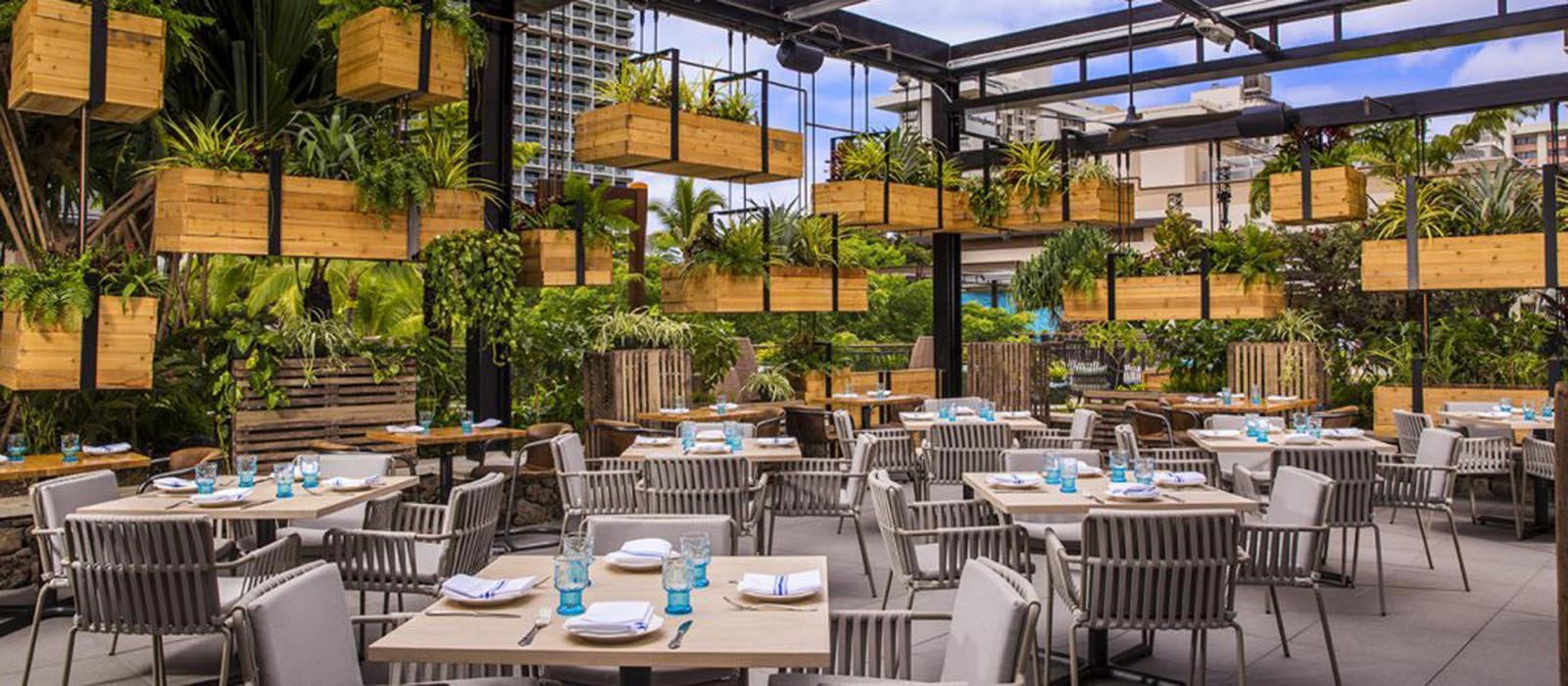
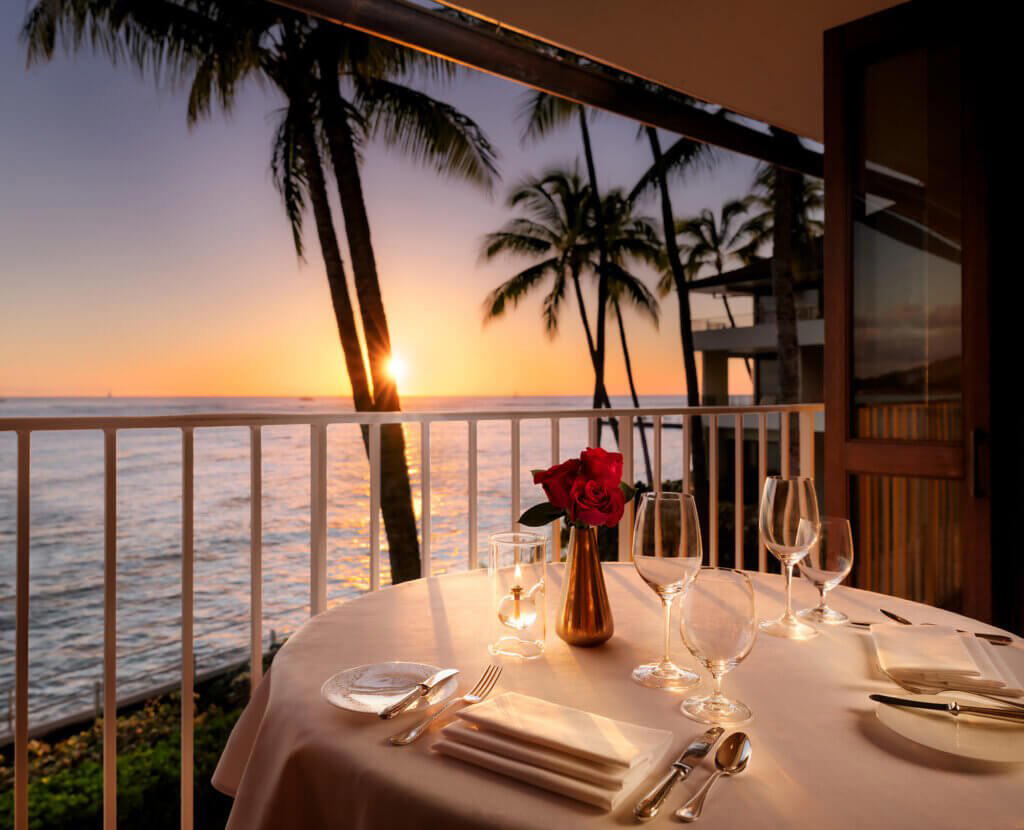
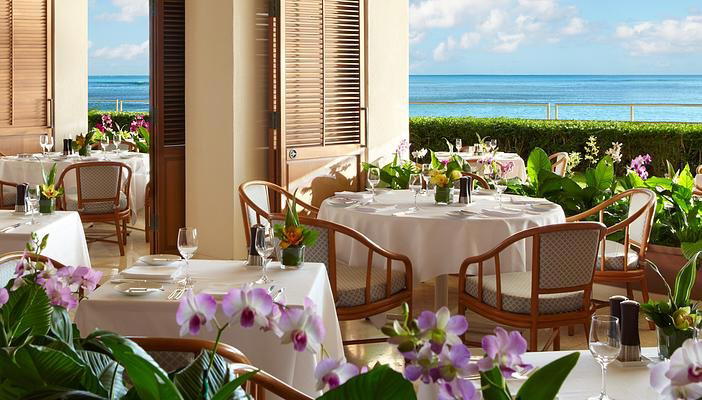
Intimate and relaxing sushi bar counter setting with a focus on the chef's artistry and personal experience.