Sushi Kadan
Sushi Kadan brings a structured, counter-focused dining format to Carrollton's Old Denton Road corridor, positioning itself within the Dallas-area's growing sushi scene. The format rewards guests who arrive with patience for pacing and an appreciation for the ritual of the meal. It sits in a suburban stretch that has quietly accumulated a range of Asian dining options worth tracking.

Pearl is the En Primeur Club membership app, where members save venues, book tables and use the concierge.

The Ritual Before the Rice
There is a particular kind of attention that a well-run sushi counter demands before a single piece of fish arrives. The room settles into a quiet register. Conversation drops to a lower frequency. You become aware of the chef's movements, the arrangement of tools, the order in which things are prepared. That kind of atmosphere is harder to sustain in a suburban strip-mall corridor than in a purpose-built Tokyo basement, but it is exactly what distinguishes the more serious end of the Dallas-area sushi scene from its volume-driven competition. Sushi Kadan, located at 3052 Old Denton Road in Carrollton, operates in that more deliberate mode.
Carrollton's dining corridor along Old Denton Road has developed a density of Korean, Japanese, and pan-Asian restaurants that makes it one of the more interesting suburban food stretches in the Dallas-Fort Worth region. Within that context, a sushi-focused venue has to compete not just on product, but on format, on whether it can give guests a reason to slow down in a neighborhood where the default mode is quick, affordable, and casual. The sushi ritual, when executed with discipline, offers exactly that counterpoint.
How the Meal Moves
In Japanese dining tradition, pacing is not incidental, it is the meal. The distinction between an omakase counter, a sushi bar where you order à la carte, and a casual roll-focused restaurant is fundamentally a distinction in rhythm. An omakase format places the chef in control of sequence, portion, and timing. An à la carte counter gives the guest more agency but still rewards those who let courses arrive at the kitchen's preferred intervals rather than loading the table all at once. Roll-heavy American-format sushi operates on entirely different logic: abundance, variety, and speed.
The most engaged sushi diners in any city learn to read which mode a restaurant is working in and calibrate accordingly. At counters that take the format seriously, arriving early, eating at the pace the kitchen sets, and leaving space between courses yields a materially better experience than treating the meal like a delivery order with ambient lighting. That approach applies directly to what Sushi Kadan offers along this stretch of Carrollton.
For anyone exploring the broader dining circuit in the area, the contrast with nearby spots is instructive. Bros Korean BBQ Sushi Shabu occupies the communal, high-energy end of the spectrum, where tabletop cooking and shared plates define the experience. 99 Pocha leans into the Korean pojangmacha tradition of casual late-night eating and drinking. Sushi Kadan occupies a different register: quieter, more focused, built around the individual plate rather than the shared table.
Carrollton's Position in the DFW Sushi Picture
Dallas proper hosts the highest concentration of recognized sushi operations in the metro, with several omakase counters competing at price points above $150 per person and booking windows measured in weeks. The suburban tier, spread across Plano, Irving, Richardson, and Carrollton, operates differently: lower price ceilings, more casual formats, and a guest base that skews toward frequent, neighborhood-level repeat visits rather than occasion dining.
Carrollton's advantage within that suburban tier is its demographics. The city's significant Korean and Japanese-American communities support a level of ingredient literacy and format expectation that other suburbs can't match. Restaurants here don't need to introduce the concept of fresh fish or explain why the rice temperature matters. That shared fluency raises the floor for what a sushi venue can attempt. It also creates a competitive environment where cutting corners on sourcing or preparation is more likely to be noticed.
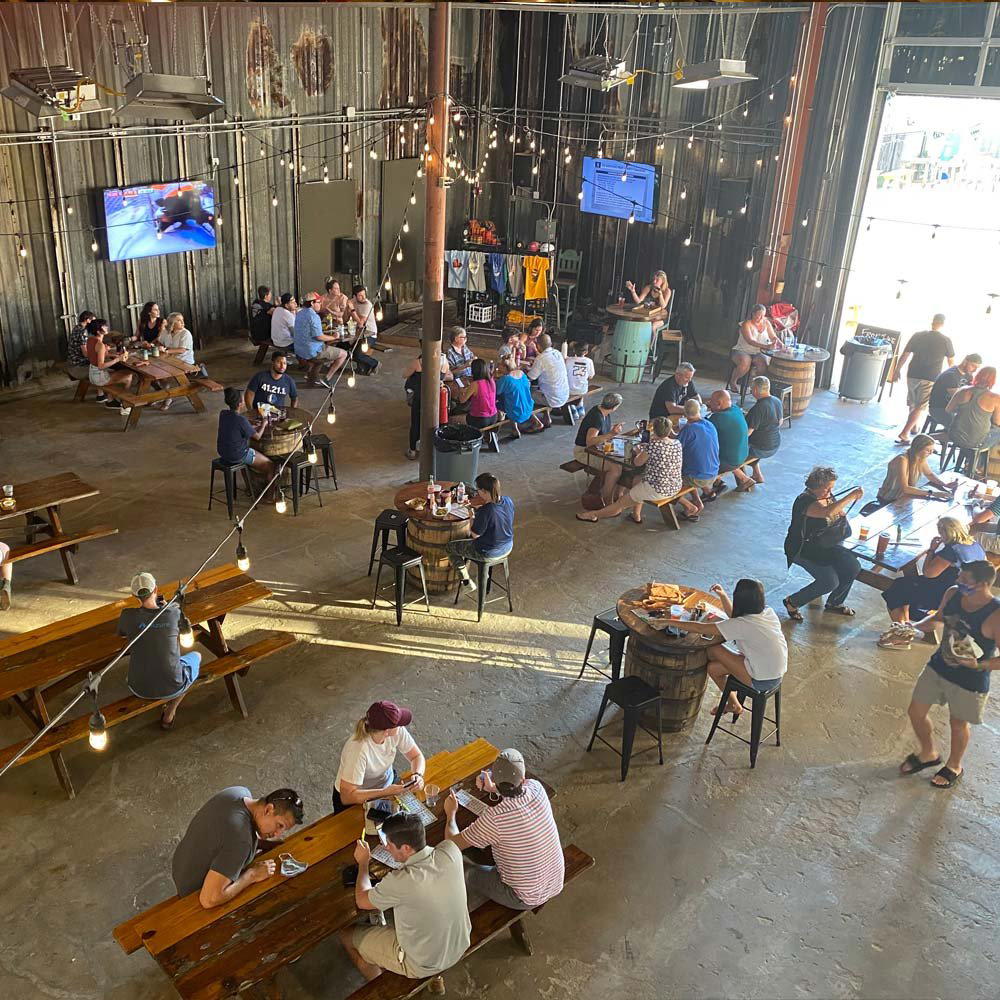
For a broader map of what the area offers, the full Carrollton restaurants guide covers the range from casual Korean barbecue to craft beer at 3 Nations Brewing and late-night KTV at City Night KTV Karaoke Bar & Café.
What the Counter Format Asks of the Guest
Counter dining at a sushi restaurant is an active rather than passive experience. The physical proximity to preparation means you see the knife work, the rice handling, the seasoning decisions. You are, in a low-key sense, a participant in the meal rather than an audience for it. This places some responsibility on the diner: limiting distractions, engaging with what's in front of you, and eating each piece promptly rather than letting it sit while you check your phone.
Reservations at sushi counters in this tier of the market tend to operate on shorter booking windows than the high-end omakase rooms, but that doesn't mean walk-ins are reliable. Weeknight visits generally offer more availability than weekends, and the earlier seating within an evening's service tends to give guests the full attention of the kitchen before the pace picks up. These patterns hold broadly across sushi operations at this price and format level.
Cocktails and Drinks in the Sushi Context
Japanese-leaning sushi restaurants typically weight their drinks list toward sake, Japanese whisky, beer, and light cocktails rather than the spirit-forward cocktail programs you find at dedicated bar venues. The pairing logic favors restraint: drinks that don't overwhelm delicate rice and fish preparations. Cold sake, particularly junmai or junmai ginjo styles, is the most technically compatible match for nigiri-focused meals.
For guests who prefer a cocktail to open the evening, the lean toward lower-ABV formats or highball-style drinks reflects the same logic. This is a different register than the craft cocktail programs at venues like Kumiko in Chicago, Bar Leather Apron in Honolulu, or Jewel of the South in New Orleans, where the cocktail itself is the primary editorial statement. At a sushi counter, the drink supports rather than competes. Programs at venues like Julep in Houston, Superbueno in New York City, ABV in San Francisco, and The Parlour in Frankfurt represent the bar-as-destination mode, a useful contrast when thinking about how drinks programming differs across venue types.
Planning Your Visit
Sushi Kadan is located at 3052 Old Denton Road, Carrollton, TX 75007, in a stretch of the city that rewards arriving a few minutes early to get oriented. Parking is direct in the surrounding commercial strip. Given the format, the meal suits guests who can give it two hours rather than one, not because service is slow, but because the experience opens up when it isn't rushed. Current hours and reservation availability are best confirmed directly with the restaurant before visiting, as operational details in this tier of the market can shift seasonally.
Where It Fits
Comparable venues nearby, for context on price, style, and recognition.
| Venue | Cuisine | Price | Notes |
|---|---|---|---|
| Sushi KadanThis venue (the venue you are viewing) | Bar | Not listed | Not listed |
| Omi Korean Grill | pub | Not listed | Carrollton |
| The Crab Station - Carrollton | pub | $20–30 | Carrollton |
| City Night KTV Karaoke Bar & Café | lounge | $20–30 | Carrollton |
| Twisted Root Burger Co. | pub | $20–30 | Carrollton Square |
| 99 Pocha | pub | $10–20 | Carrollton |
Continue exploring
More in Carrollton
Bars in Carrollton
All bars in Carrollton →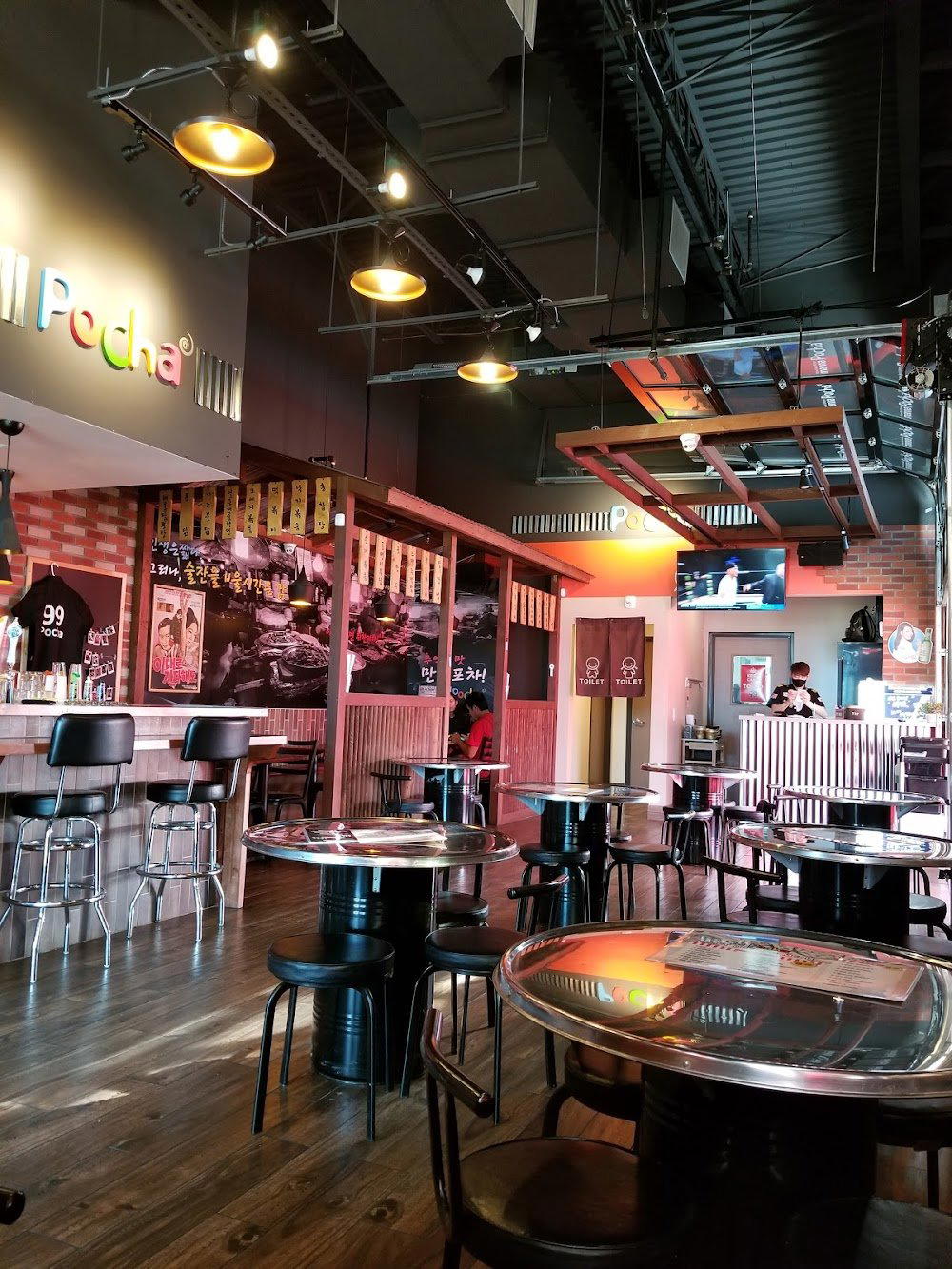

Restaurants in Carrollton
All restaurants in Carrollton →
Hotels in Carrollton
Browse all →

Wineries in Carrollton
Browse all →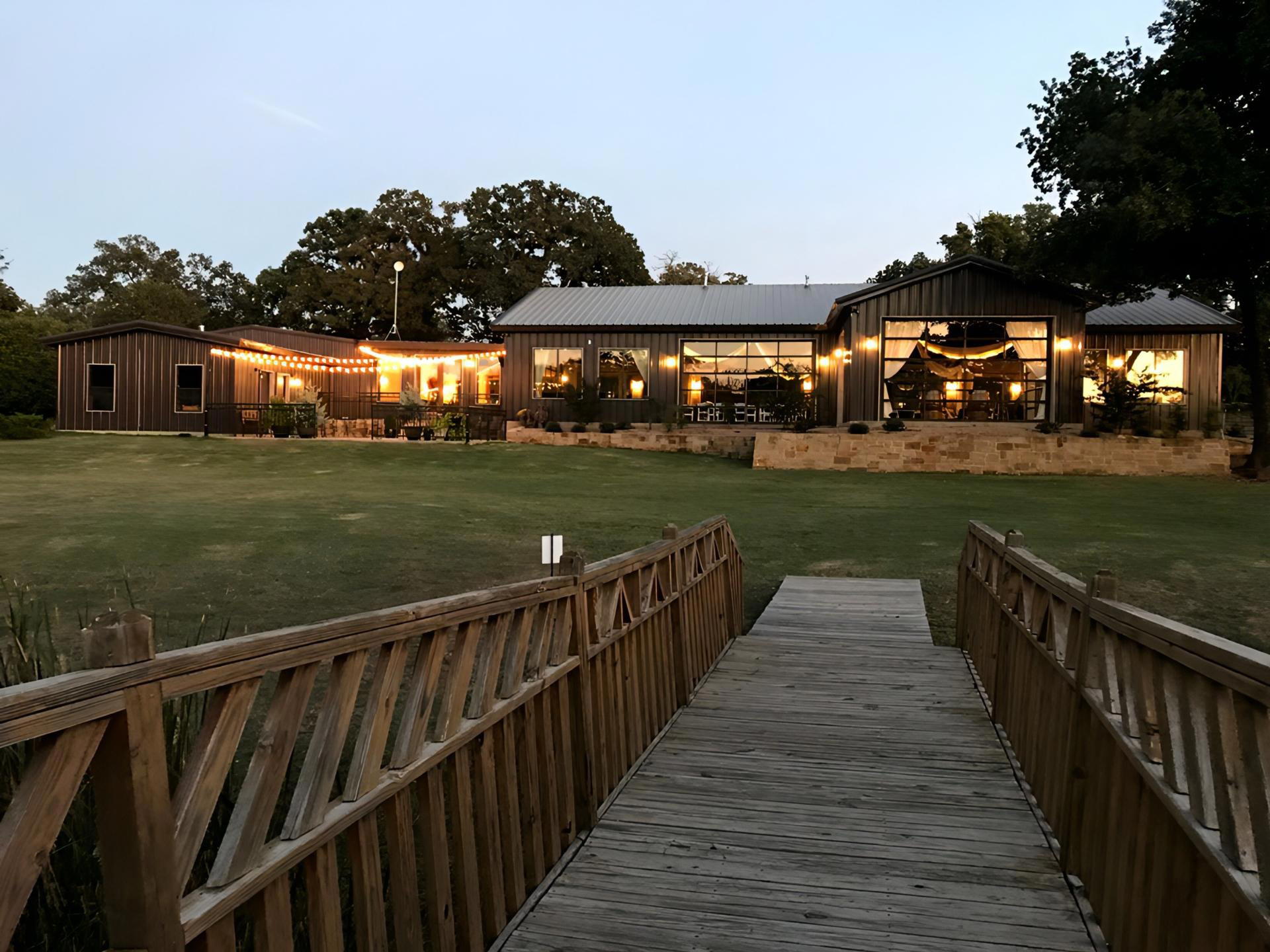
Details
- Cozy
- Elegant
- Date Night
- Casual Hangout
- Seated Bar
Current opening hours
- Monday
- 11 AM–10 PM
- Tuesday
- 11 AM–10 PM
- Wednesday
- 11 AM–10 PM
- Thursday
- 11 AM–10 PM
- Friday
- 11 AM–10 PM
- Saturday
- 11 AM–10 PM
- Sunday
- 11 AM–10 PM
Hours can change for holidays and private events. Hours as of .
Cool, dark, dimly lit interior with gorgeous dark woods and beautiful faux cherry blossom trees.