Omi Korean Grill
Omi Korean Grill brings the live-fire tradition of Korean barbecue to Carrollton's Old Denton Road corridor, operating within a North Texas Korean dining scene that has grown considerably in depth and breadth over the past decade. The format centres on tableside grilling, where sourcing quality and cut selection do most of the talking. It sits alongside a cluster of Korean and pan-Asian venues that make this stretch a genuine destination for the cuisine.
Pearl is the En Primeur Club membership app — saves, bookings, and concierge access live there. Same editors, same standards.
- Address
- 2625 Old Denton Rd #326, Carrollton, TX 75007
- Phone
- +1 972 245 3565
- Website
- omikoreangrill.com
- Directions
- Get directions
 Saves & bookings on Pearl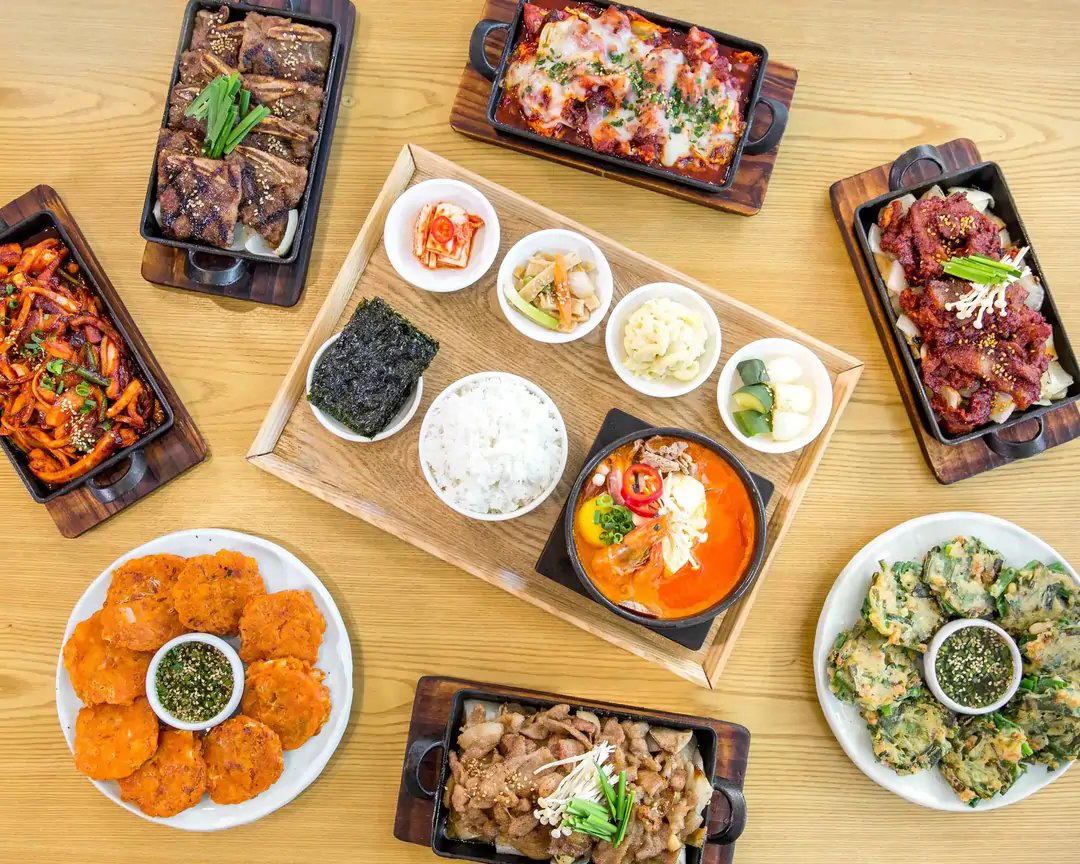
Where the Smoke Tells the Story
Korean barbecue restaurants in the Dallas-Fort Worth suburbs have evolved well beyond the early wave of all-you-can-eat formats that defined the genre for many American diners in the 1990s and 2000s. The current generation, concentrated in corridors like Old Denton Road in Carrollton, operates closer to the Seoul model: focused menus, quality-graded proteins, and tableside charcoal or gas grills that put the cooking relationship squarely between the meat and the person eating it. Omi Korean Grill, at 2625 Old Denton Rd, sits inside that shift. The address places it within a retail and dining cluster that has become one of the more concentrated Korean commercial zones in the Metroplex, which matters for context: this is not an isolated outpost, but part of a denser ecosystem where diners cross-reference options and operators compete on quality rather than novelty.
The Sourcing Logic Behind Live-Fire Korean
Korean barbecue's quality ceiling is almost entirely determined by ingredient sourcing. The format itself, tabletop grill, banchan spread, ssamjang and perilla on the side, is fixed enough that differentiation happens before the food reaches the table. In Korea, this plays out through regional beef designations, the grade of pork belly, and the age and fat content of specific cuts. In the American context, the same logic applies but the supply chain runs differently: the gap between a Korean barbecue restaurant sourcing commodity pork and one working with higher-grade domestic or imported product shows up immediately in the cook. Fat renders at different rates, char develops differently, and the margin for error at the grill narrows with better meat.
Carrollton's Korean dining corridor has the customer base to support operators who make those sourcing decisions carefully. The area's Korean-American population density is among the higher concentrations in Texas, which creates a local audience familiar enough with the cuisine to notice when shortcuts are taken. That audience pressure functions as a quality signal in its own right, even in the absence of formal awards or published ratings.
Reading the Room on Old Denton Road
The physical experience of Korean barbecue is distinct from most other tableside dining formats. Ventilation hoods drop over individual grills, the room fills with the low drone of exhaust fans, and smoke rises in thin columns from tables at different stages of a meal. Early in a service, the room smells of raw sesame oil and cold kimchi. An hour in, it carries rendered fat and caramelised gochujang. The progression is part of the format's appeal and explains why Korean barbecue restaurants tend to generate longer dwell times than comparable casual dining categories, the meal unfolds in stages rather than arriving as a sequence of plated courses.
For diners approaching Omi Korean Grill from outside the immediate neighbourhood, the Old Denton Road location situates it conveniently within Carrollton's broader Korean commercial cluster, where venues like 99 Pocha and Bros Korean BBQ Sushi Shabu occupy adjacent niches in the local dining map. The cluster format rewards visitors who plan a longer evening across venues rather than a single-stop meal. City Night KTV Karaoke Bar & Café is a nearby option for extending the evening into the Korean entertainment format that often accompanies barbecue outings in this part of the suburb.
How This Fits Into the Broader Texas Korean Dining Picture
Texas Korean dining has a different texture from the New York or Los Angeles scenes. The concentration in the DFW Metroplex skews toward suburban formats rather than urban density, which means larger footprints, more parking-dependent venues, and a clientele that mixes Korean-American families with non-Korean diners who have grown up alongside the cuisine. The result is a scene that runs on familiarity rather than discovery, regular customers who know the menu structure, who bring new diners to show them the format, and who form the backbone of a restaurant's weekly revenue in a way that tourist traffic rarely does.
Omi Korean Grill's position on Old Denton Road places it squarely in that regular-customer economy. The surrounding Korean commercial zone includes grocery options, bakeries, and other food businesses that serve the community's daily needs, meaning the restaurant operates in a neighbourhood that already understands and uses Korean dining conventions rather than one that requires translation.
Carrollton in Context, and What Else Is Worth Knowing
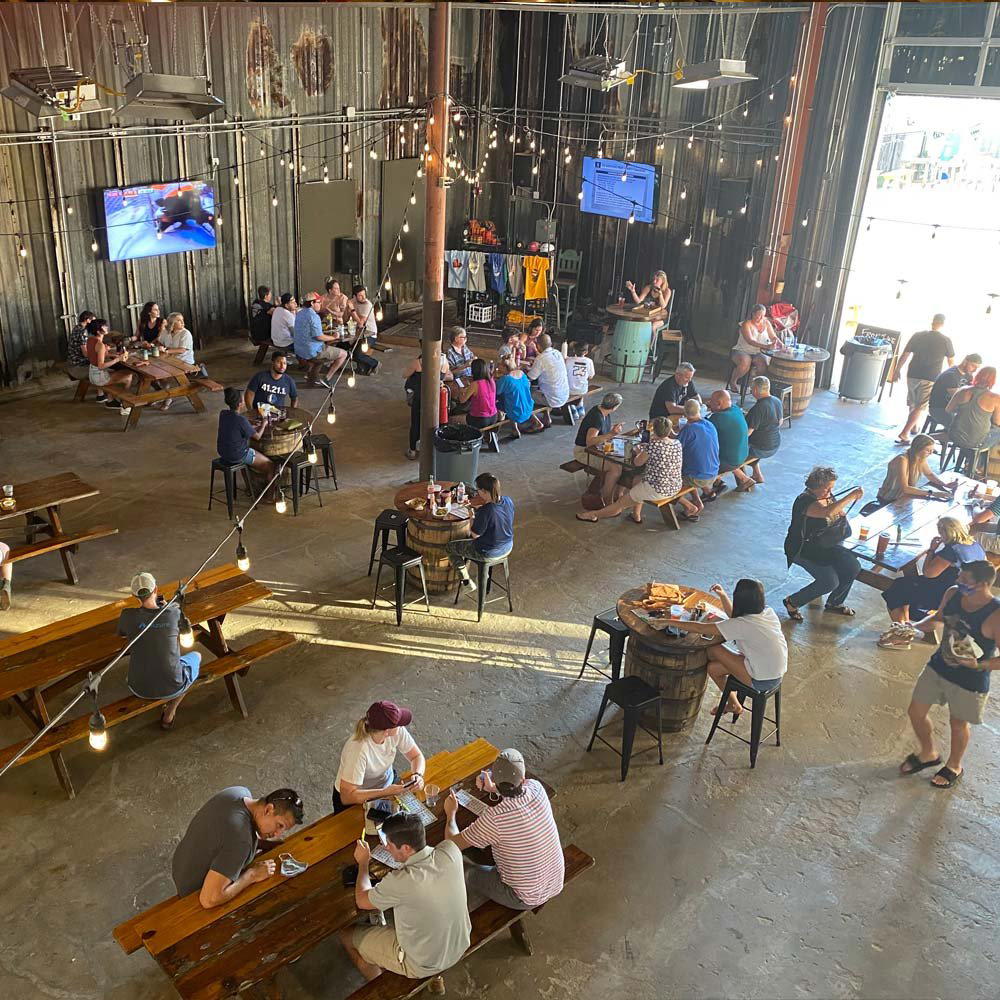
For visitors coming specifically for the Korean barbecue experience and wanting to extend the evening with a drink elsewhere in the region, 3 Nations Brewing represents the local craft beer option. For those making a broader Texas dining and drinks trip, the state's bar scene rewards planning: Julep in Houston holds a distinct position in Southern cocktail culture, while the wider American cocktail conversation involves programs like Kumiko in Chicago, Superbueno in New York City, ABV in San Francisco, Bar Leather Apron in Honolulu, and Jewel of the South in New Orleans. Internationally, The Parlour in Frankfurt on the Main offers a useful comparison point for how cocktail culture translates across contexts.
The practical planning note for the bar: the venue is at Suite 326 within the retail complex at 2625 Old Denton Rd, which means navigating a multi-tenant building. Arriving with the suite number in hand avoids the confusion common to larger suburban strip developments.
Quick Comparison
Comparable venues nearby, for context on price, style, and recognition.
| Venue | Cuisine | Price | Notes |
|---|---|---|---|
| Omi Korean GrillThis venue — the venue you are viewing | pub | $$ | Not listed |
| Twisted Root Burger Co. | pub | $$ | Carrollton Square |
| 3 Nations Brewing | beer_bar | $$ | Downtown Carrollton |
| City Night KTV Karaoke Bar & Café | lounge | $$ | Carrollton |
| Ddong Ggo Tx | Bar | $$ | Carrollton |
| Sushi Kadan | Bar | $$ | Carrollton |
Continue exploring
More in Carrollton
Bars in Carrollton
Browse all →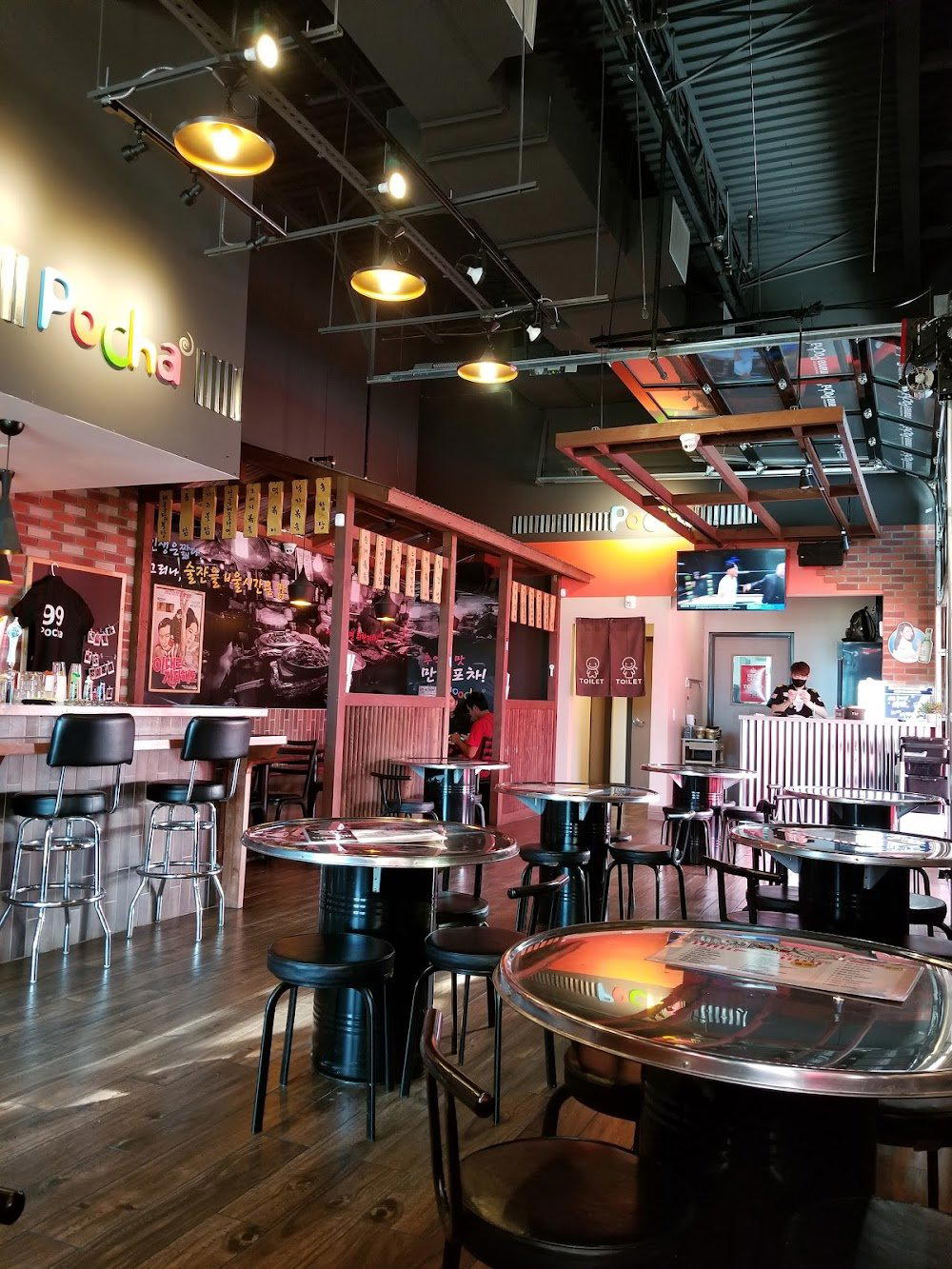
Restaurants in Carrollton
Browse all →
Hotels in Carrollton
Browse all →
Wineries in Carrollton
Browse all →
At a Glance
- Group Outing
- Casual Hangout
- Standalone
- Seated Bar
- Booth Seating
Current opening hours
- Monday
- 11 AM–10 PM
- Tuesday
- 11 AM–10 PM
- Wednesday
- 11 AM–10 PM
- Thursday
- 11 AM–10 PM
- Friday
- 11 AM–10 PM
- Saturday
- 11 AM–10 PM
- Sunday
- 11 AM–10 PM
Hours can change for holidays and private events. Last verified .
Warm and modern dining atmosphere focused on communal grilling.