Google: 4.8 · 45 reviews
Sushi Gyoshin OMAKASE
Sushi Gyoshin OMAKASE on Piikoi Street sits in the quieter residential stretch between Ala Moana and Makiki, where Honolulu's omakase scene runs leaner and more serious than the resort corridor suggests. The counter format places it squarely in the city's growing tier of chef-driven Japanese rooms that price and operate against mainland peers rather than hotel dining benchmarks.
 Discover on Pearl
Pearl is the En Primeur Club membership app — saves, bookings, and concierge access live there. Same editors, same standards.
- Address
- 436 Piikoi St A, Honolulu, HI 96814
- Phone
- +1 808 853 7097
- Website
- sushigyoshin.com
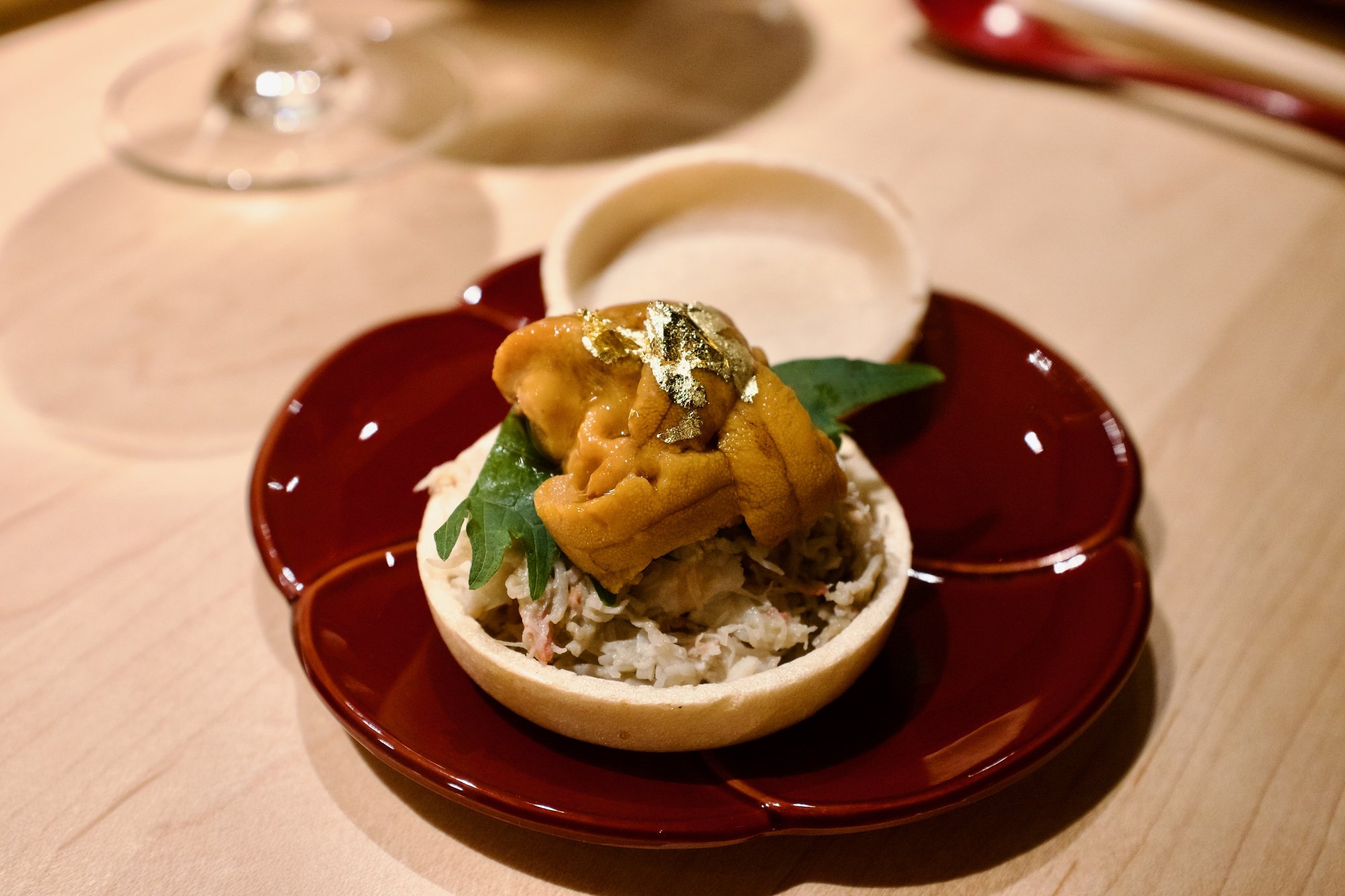
Omakase in Honolulu: What the Format Demands
Piikoi Street sits at the edge of the Kapiolani corridor, a block that reads more working Honolulu than resort strip. The building at 436 is low-key from the outside, the kind of address that filters out anyone not already committed to being there. That physical context matters for omakase dining, where the absence of theatrical frontage is often the first signal that the money is going somewhere else: into the fish, the rice temperature, the counter relationship between the person holding the knife and the person sitting across from it.
Omakase as a format has been spreading through American cities for over a decade, but Hawaii carries a particular logic for it. The state sits closer to Japanese sourcing channels than any other American market, and the Japanese-American community in Honolulu has shaped local expectations for raw fish preparation at a granular level that most mainland cities simply do not have. A diner who grew up eating plate lunch and stopping at Tamashiro Market has calibrated instincts that differ from someone encountering omakase for the first time in a hotel corridor in Chicago or New York. Sushi Gyoshin OMAKASE operates inside that specific local fluency.
The Omakase Counter and What It Asks of the Person Behind It
The editorial angle assigned to bar programs applies here with equal force to the sushi counter, because the logic is identical: a single practitioner stands between raw ingredient and finished experience, making real-time decisions about sequencing, pace, and technique. At the counter format that defines venues like Sushi Gyoshin OMAKASE, there is no brigade to absorb slack, no kitchen door to hide behind. The person with the knife determines the evening.
Honolulu's serious omakase tier has developed a different character from the Ginza or Midtown Manhattan model, where status signaling and Michelin adjacency drive the market. Here, the competitive set includes places like Imanas Tei Restaurant, a long-standing traditional Japanese counter in Moiliili that has trained local palates for decades, as well as newer operations that have tried to import mainland prestige formats wholesale. The venues that hold their ground tend to be ones where the counter practitioner reads the room with the same attention a skilled bartender brings to pacing a drinks menu: knowing when to push a richer piece, when to let a lighter course breathe, when a guest wants to talk and when silence serves the food better.
That hospitality discipline, the craft of working a counter, connects Honolulu's omakase scene to what has happened at dedicated bar programs like Bar Leather Apron in Honolulu or technically rigorous operations such as Kumiko in Chicago and Jewel of the South in New Orleans. The common thread is a practitioner who treats the counter as a stage for precision and hospitality in equal measure, not just ingredient delivery.
Where Sushi Gyoshin OMAKASE Sits in the Honolulu Market
Honolulu's dining market is stratified in ways that visitors sometimes underestimate. At one end, the Waikiki hotel corridor sustains high-volume Japanese restaurants priced for tourist traffic. At the other, a smaller cluster of counter-format operations targets the same diner who would book three months ahead for a seat in Tokyo. Sushi Gyoshin OMAKASE's address on Piikoi Street, away from Waikiki's pedestrian density, places it physically and conceptually in the latter category.
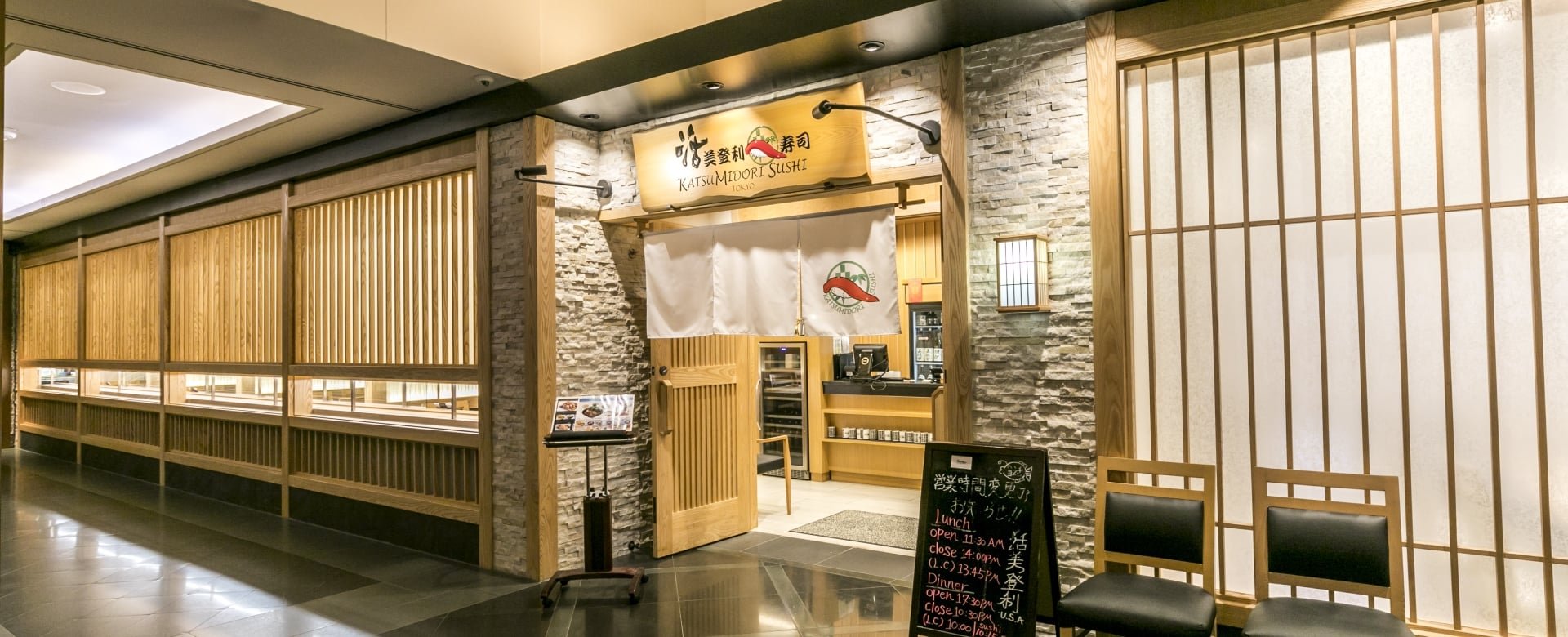
The comparison with Katsumidori Sushi Tokyo, which operates a well-documented affordable-omakase model across Japan, is instructive for what it clarifies rather than what it confirms. Accessible-price omakase democratized the format in Japan and influenced how Americans began to perceive omakase as an everyday possibility rather than a special-occasion abstraction. The Honolulu market absorbed that shift, but the serious counter operations here never fully subscribed to the volume model. The Piikoi Street address suggests a small-format operation, consistent with the counter-first model where seat count is deliberately limited to preserve the practitioner-to-guest ratio that defines the experience.
For a broader orientation to what is on offer across the city before or after your meal, the EP Club Urban Honolulu guide maps the full range of restaurants, bars, and experiences across Honolulu's distinct neighbourhoods.
Planning Around the Format
Omakase operations at the serious end of the Honolulu market typically require advance booking, often through a dedicated reservation platform or direct contact. For Sushi Gyoshin OMAKASE, the address at 436 Piikoi St A is confirmed; specific booking channels, current pricing, and hours should be verified directly with the venue, as these details are subject to change and are not confirmed in EP Club's current data. The Kapiolani corridor is accessible from Waikiki on foot or by a short ride, and the neighbourhood offers a handful of pre-dinner options for those arriving early.
For post-dinner drinks, the surrounding area connects well to several of Honolulu's more considered bar programs. Beachhouse at the Moana and Duke's Waikiki represent the beachfront end of the spectrum, while 9th Ave Rock House and Andy's Sandwiches and Smoothies offer a different register entirely. Those looking for technically precise cocktail programs in the same vein as the counter-craft ethos can reference what operations like Julep in Houston, Superbueno in New York City, ABV in San Francisco, and The Parlour in Frankfurt have established as the standard for serious bar programming, a useful reference point when evaluating whether a bar is worth adding to the evening.
Cuisine Lens
A short peer table to compare basics side-by-side.
| Venue | Cuisine | Awards | Notes |
|---|---|---|---|
| Sushi Gyoshin OMAKASE | This venue | ||
| Katsumidori Sushi Tokyo | |||
| IL TAPPO Hawaii | |||
| Waikiki | |||
| Lucky Belly | |||
| Imanas Tei Restaurant |
Continue exploring
More in Urban Honolulu
Bars in Urban Honolulu
Browse all →
Restaurants in Urban Honolulu
Browse all →
At a Glance
- Intimate
- Elegant
- Sophisticated
- Hidden Gem
- Special Occasion
- Date Night
- Standalone
- Counter Only
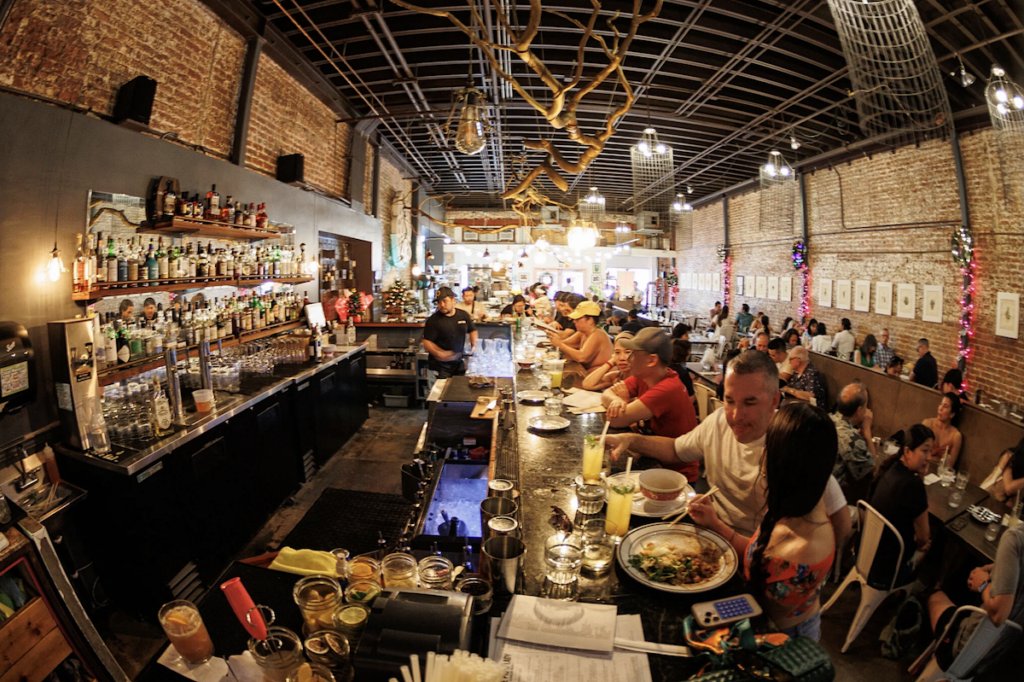
Intimate sushi counter with a slim, elegant altar-like setting for a special, traditional culinary journey.