Strangebird
On Marshall Street in Rochester's Neighborhood of the Arts, Strangebird occupies a distinct position among the city's more intentional dining addresses. The name signals something deliberately off-center, and the venue's approach to sourcing and environmental consciousness places it in a smaller, more considered tier of Rochester hospitality that rewards the curious diner over the casual one.
Pearl is the En Primeur Club membership app — saves, bookings, and concierge access live there. Same editors, same standards.
- Address
- 62 Marshall St, Rochester, NY 14607
- Phone
- +1 585 505 8700
- Website
- strangebirdbeer.com
- Directions
- Get directions
 Saves & bookings on Pearl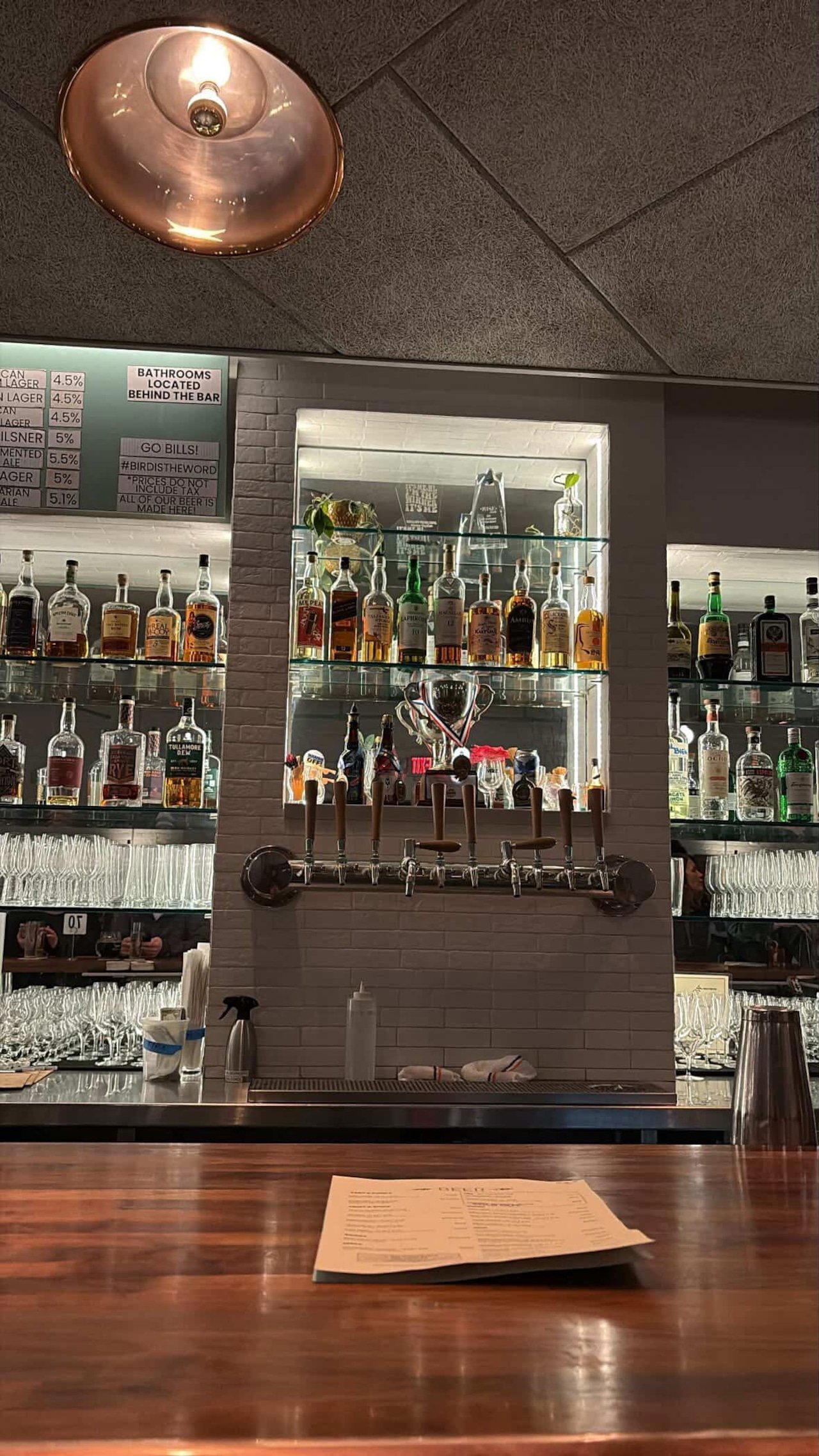
Marshall Street and the Case for Considered Dining
Rochester's Neighborhood of the Arts has become the address of choice for operators who want a physical setting that aligns with an editorial point of view. The stretch of Marshall Street that runs through this district carries a particular character: converted storefronts, independent operators, and a foot traffic that skews toward residents rather than tourists. Strangebird, at 62 Marshall St, sits inside that pattern rather than against it. The building itself signals intention before you step through the door, a quality that Rochester's more formula-driven dining corridors rarely achieve.
For context on the broader Rochester scene, our full Rochester restaurants guide maps the city's dining tiers in detail. What matters for Strangebird is where it sits within that map: not at the loud end of the spectrum, not at the purely casual end, but in the middle register where sourcing decisions and environmental consciousness carry weight in the kitchen's identity.
The Environmental Thread Running Through the Concept
Across American dining, a dividing line has opened between venues that treat sustainability as a marketing label and those that embed it structurally into their operations. The former category is crowded. The latter is smaller, and Strangebird belongs there. What distinguishes that smaller cohort is specificity: commitments to waste reduction that affect the menu rather than just the supply chain, sourcing relationships with named producers rather than vague regional claims, and kitchen practices that reduce byproduct at the prep stage rather than composting as an afterthought.
This matters in a city like Rochester because the regional food system in upstate New York is genuinely capable of supporting it. The Finger Lakes and the broader Genesee Valley corridor produce strong seasonal harvests across vegetables, proteins, and grain. Operators who choose to build around that system are working with real material, not performing localism from a theoretical position. A venue on Marshall Street that commits to that approach is making a practical decision as much as an ethical one: the supply is there if you're willing to work with seasonal constraints rather than around them.
The sustainability story in dining has also shifted from front-of-house signaling to back-of-house discipline. The most credible versions of this commitment show up in how a kitchen handles trim, how it manages its protein utilization across the menu, and whether its fermentation and preservation work is functional rather than decorative. These are the practices that reduce actual waste rather than just displacing it. For a venue operating in Rochester's middle price tier, these decisions also have financial logic: whole-animal and whole-vegetable thinking produces better cost efficiency in markets without the high-volume throughput that subsidizes waste in larger cities.
How Strangebird Sits Against Its Rochester Peers
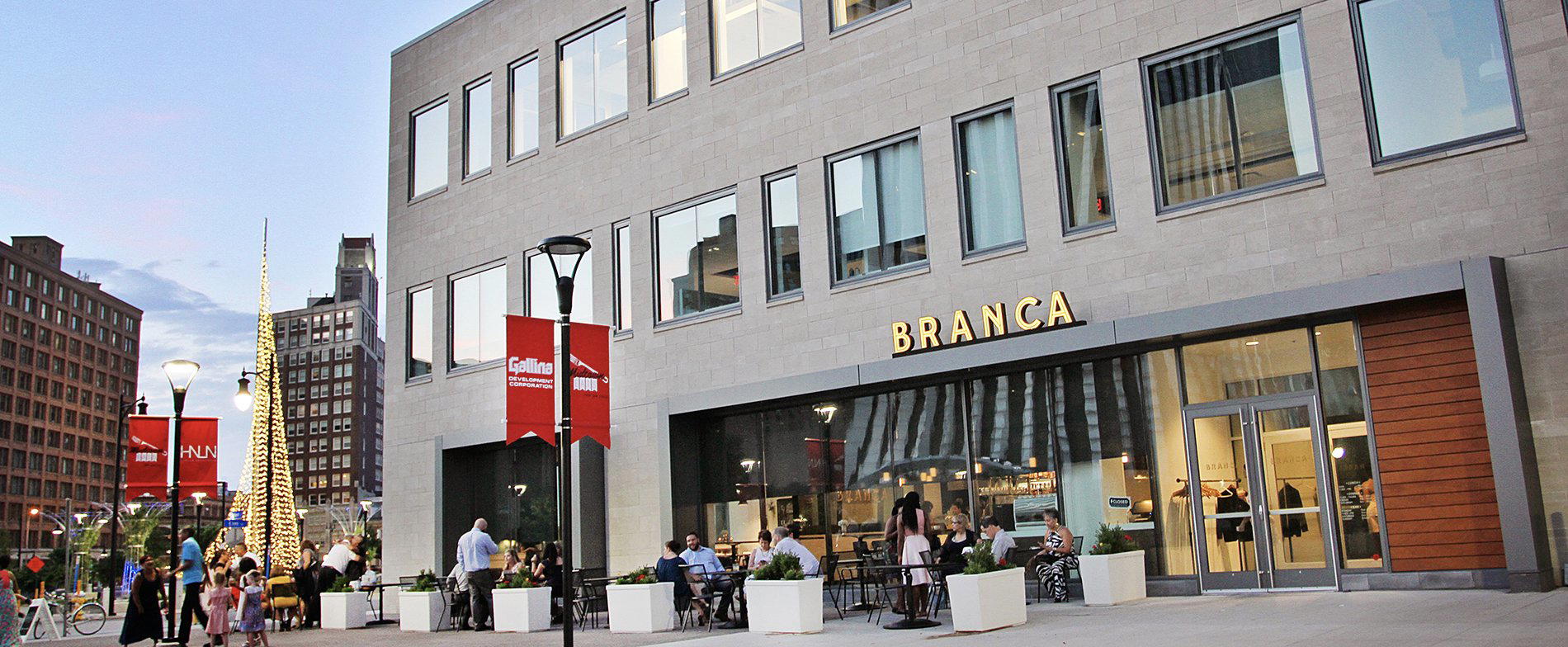
Rochester's independent dining scene has consolidated around a handful of distinct approaches. Bleu Duck Kitchen operates with a seasonal, locally grounded program that gives it a comparable orientation. Branca Midtown anchors the Italian-leaning end of the market with a different set of sourcing priorities. On the bar side, Bitter & Pour and Bitter Honey represent the considered cocktail tier. Strangebird's position is not easily categorized alongside any one of these, which is partly the point: venues that make environmental consciousness structural tend to develop a hybrid identity that crosses category lines.
Nationally, the venues doing this most legibly occupy a format that combines a focused menu with a strong beverage program and a physical space that supports both without demanding a long commitment from the diner. The format works in mid-size American cities because it avoids the overhead of the large-format tasting menu model while still delivering a level of deliberateness that distinguishes it from casual dining. You can draw comparisons to how operators in other American cities have approached this tier: Kumiko in Chicago demonstrates how a tight concept with serious sourcing credentials builds a durable following, and ABV in San Francisco shows how the food-and-drink integration model can carry a venue's identity over time. Further afield, Bar Leather Apron in Honolulu, Jewel of the South in New Orleans, Julep in Houston, Superbueno in New York City, and The Parlour in Frankfurt each demonstrate the same principle: a venue's durability in the considered-dining tier correlates more with operational integrity than with size or spectacle.
What the Neighborhood of the Arts Delivers as a Setting
The physical context of Strangebird's address is not incidental. The Neighborhood of the Arts is Rochester's most coherent walkable dining district, with a density of independent operators that creates an evening itinerary rather than a single destination. The foot traffic here is disproportionately local and repeat, which changes how a venue can operate: the pressure to perform for first-time visitors is lower, and the space to build a regular clientele around a consistent, seasonal-driven program is higher. This is the neighborhood condition that sustains the kind of sourcing-forward operation Strangebird represents. It also means that the venue's sustainability commitments are legible to its core audience in a way they might not be in a tourist-heavy corridor.
Practically, Marshall Street is accessible from downtown Rochester by car in under ten minutes and sits within walking distance of the East Avenue corridor. Parking in the neighborhood is manageable by city standards, and the surrounding blocks offer additional dining and bar options for parties who want to extend an evening beyond a single stop.
Planning Your Visit
Given the venue's positioning in Rochester's more deliberate dining tier, the practical recommendation is to treat a visit as an evening rather than a quick stop. The Neighborhood of the Arts rewards that approach. Specific hours, booking requirements, and current menu details are best confirmed directly with the venue at its Marshall Street address, as this category of independent operator tends to adjust programming seasonally. Arriving without a reservation on a weekend evening carries more risk than it would at a larger-format restaurant; the considered-dining tier in any American city typically runs tighter capacity than its square footage suggests.
Continue exploring
More in Rochester
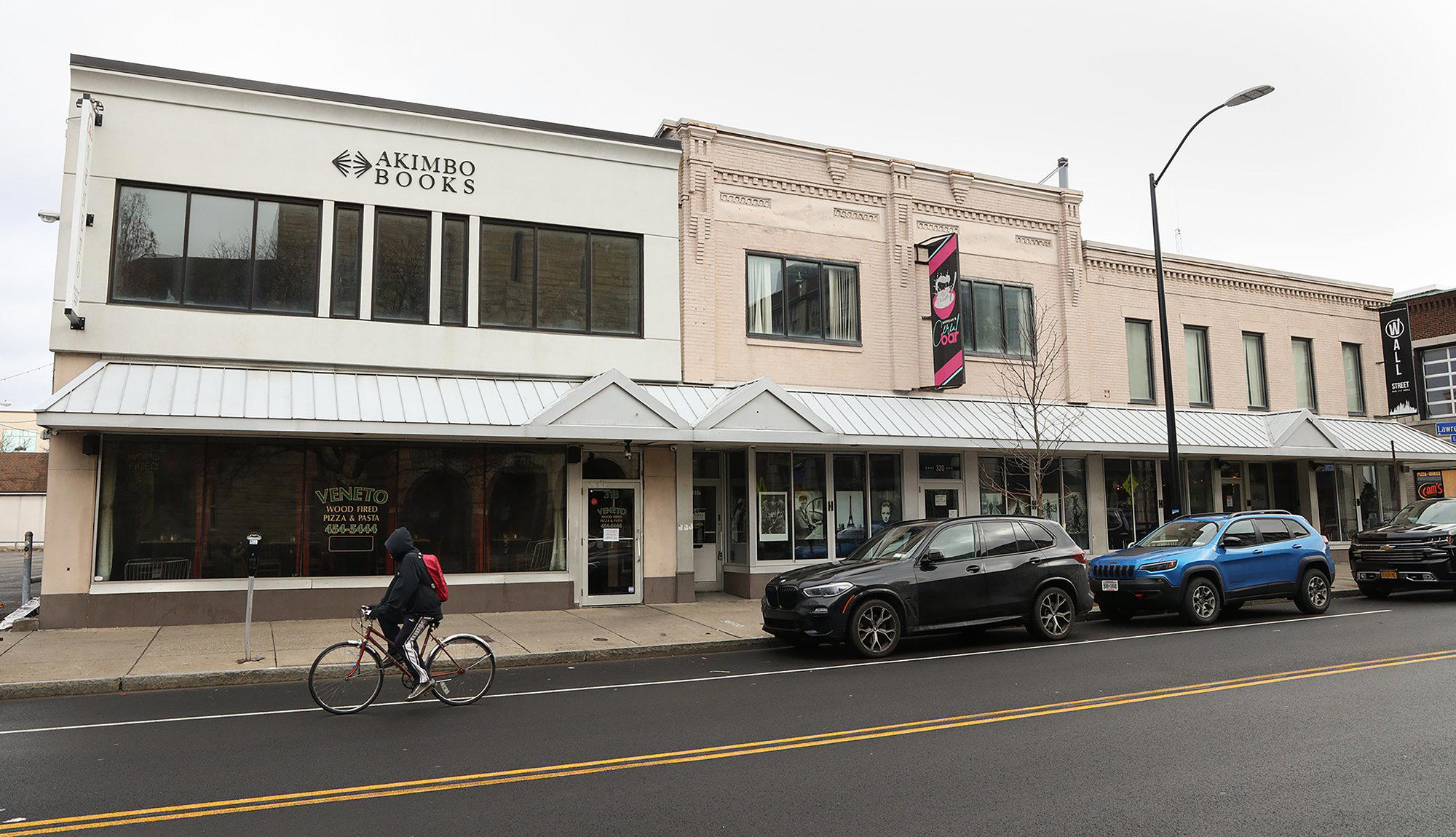
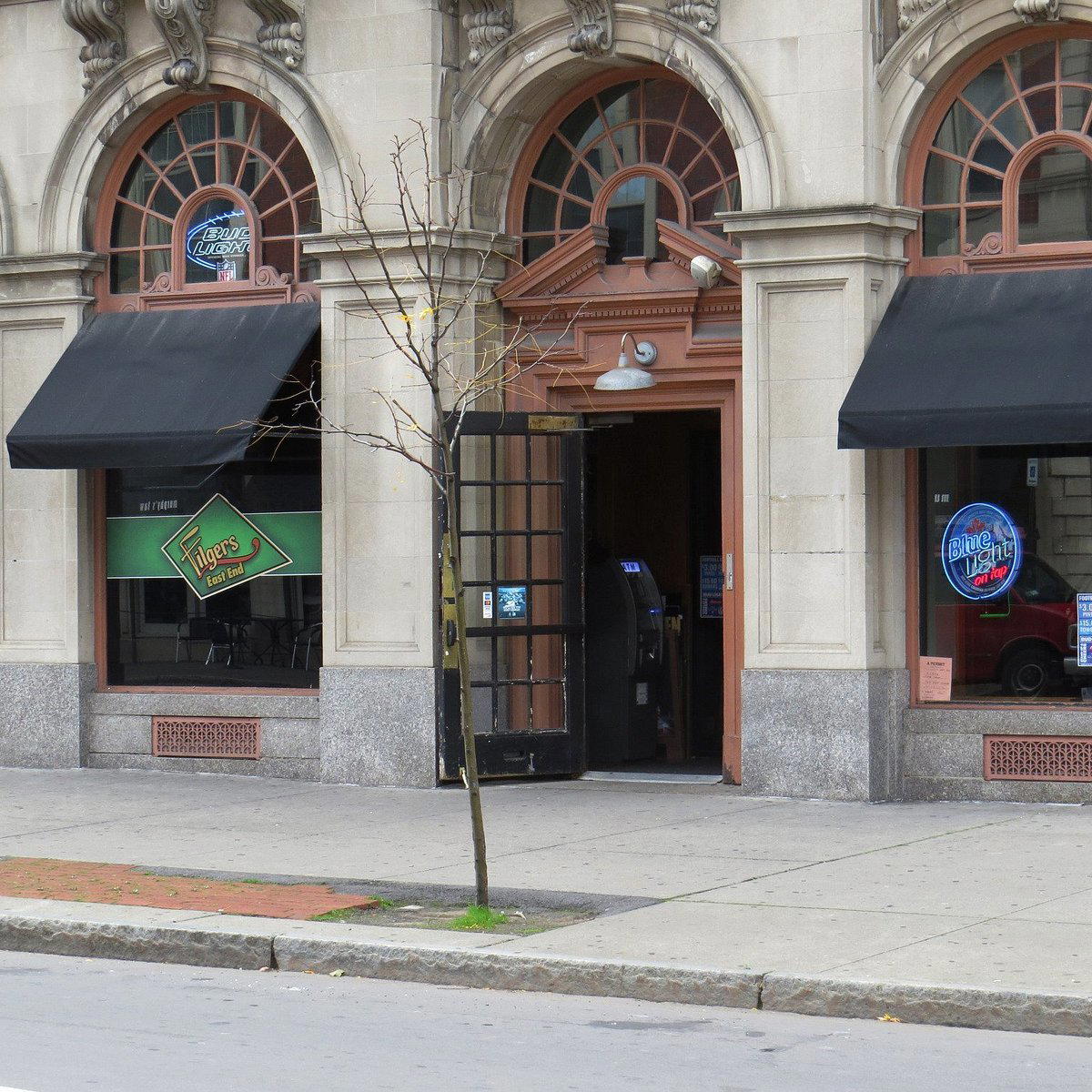
Bars in Rochester
Browse all →
Restaurants in Rochester
Browse all →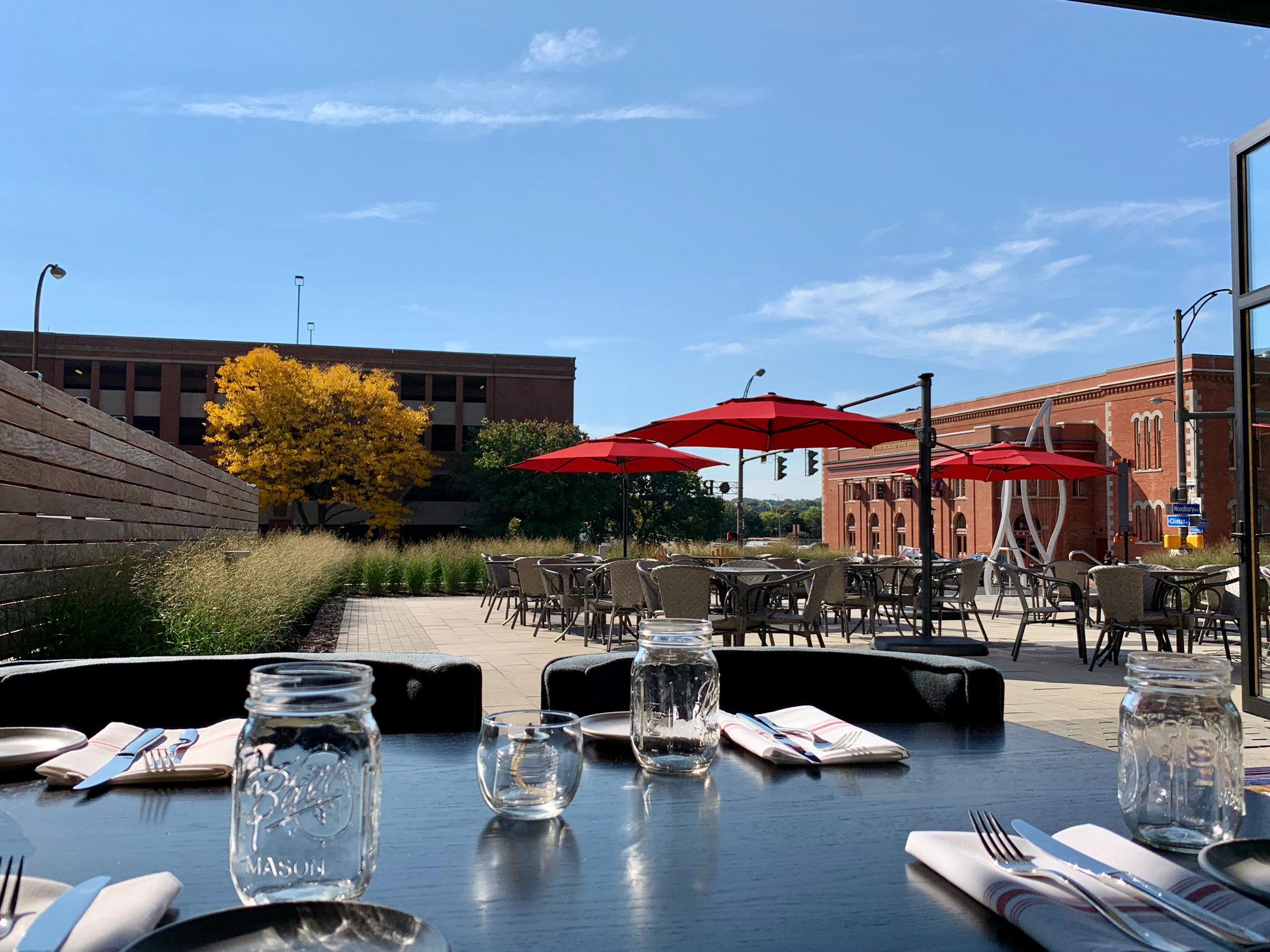
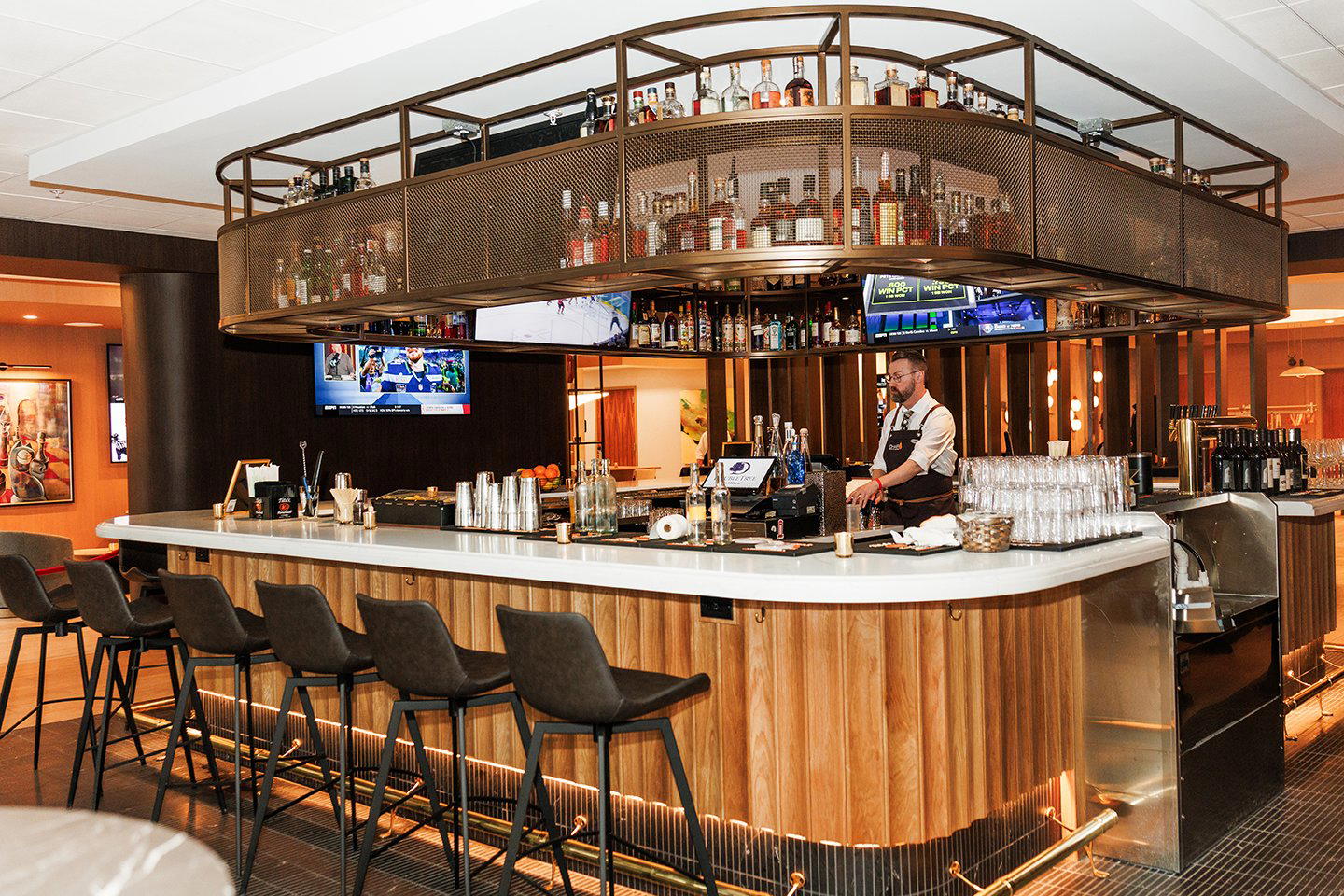

Hotels in Rochester
Browse all →
At a Glance
- Modern
- Cozy
- Trendy
- Casual Hangout
- Group Outing
- Standalone
- Seated Bar
- Outdoor Terrace
- Craft Beer
Current opening hours
- Monday
- 12–11 PM
- Tuesday
- Closed
- Wednesday
- Closed
- Thursday
- 12–11 PM
- Friday
- 12–11 PM
- Saturday
- 12–11 PM
- Sunday
- 12–11 PM
Hours can change for holidays and private events. Last verified .
Modern, approachable, comfortable, and accepting environment with a beautiful taproom.
Know Before You Go
- Getting there
- 62 Marshall St, Rochester, NY 14607