Soul Veg City
Soul Veg City at 203 E 75th St occupies a particular corner of Chicago's South Side dining tradition, where plant-based cooking has deep roots in the city's Black community. The kitchen operates within a category that has grown nationally but remains underrepresented in premium food coverage, making this address a useful reference point for understanding how vegan soul food has evolved in Chicago.

Pearl is the En Primeur Club membership app — saves, bookings, and concierge access live there. Same editors, same standards.
- Address
- 203 E 75th St, Chicago, IL 60619
- Phone
- (773) 224-0104
- Hours
- Mon–Fri 11 AM–6 PMSat–Sun 10 AM–6 PM
- Website
- soulvegcity.com
- Directions
- Get directions
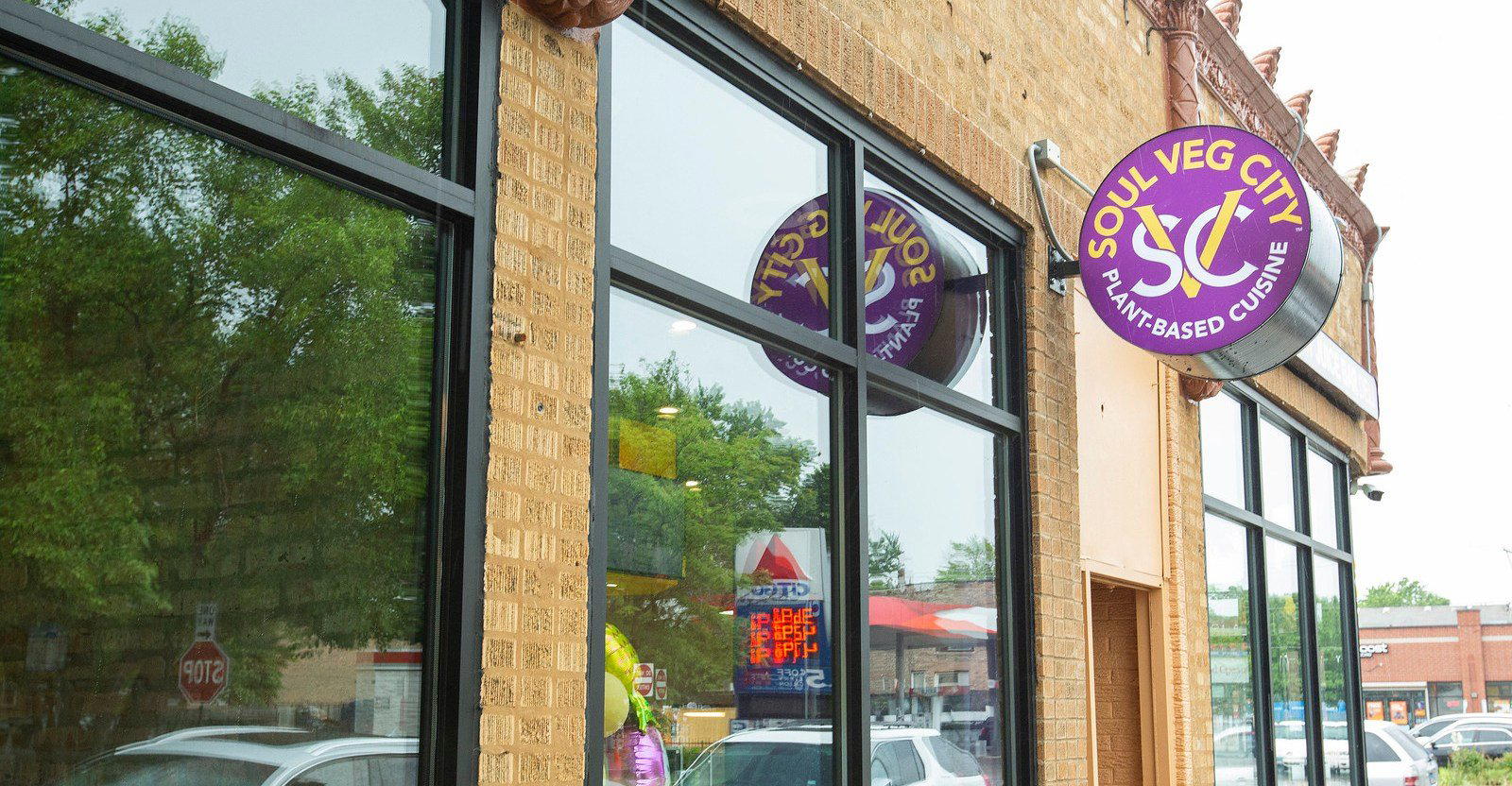
South Side Roots, Plant-Based Cooking, and a Tradition Worth Understanding
Chicago's South Side has always sustained its own culinary logic, one that developed largely independent of the downtown dining circuit and the Michelin trail that runs through River North and the West Loop. The neighborhood around 75th Street in Grand Crossing is not where food critics typically set their coordinates, but that geographic gap in coverage has allowed a particular tradition to deepen without the distortions that outside attention tends to bring. Soul Veg City, at 203 E 75th St, sits inside that tradition: vegan soul food with roots in the African Hebrew Israelite community, a culinary lineage that predates the mainstream plant-based movement by decades.
That lineage matters. The current wave of plant-based restaurants in American cities tends to frame itself through the language of innovation, tech-driven meat alternatives, and fine-dining aesthetics. The South Side version of this category developed differently, through community feeding, economic pragmatism, and a theological relationship with food that shaped cooking decisions long before oat milk entered the cultural vocabulary. Soul Veg City belongs to that older, less-celebrated strand, which positions it as something more historically grounded than most of its more prominently reviewed peers.
The Scene on 75th Street
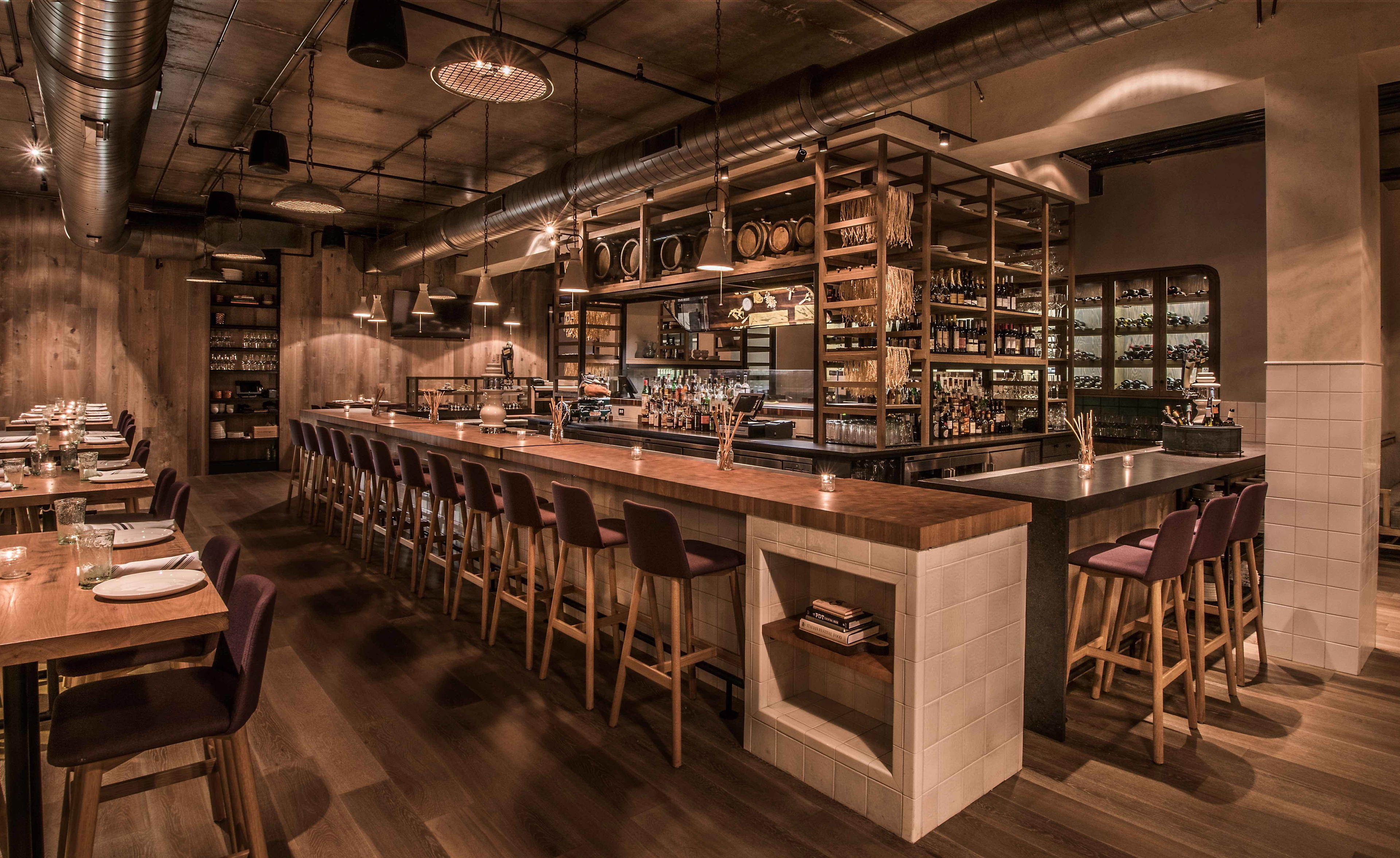
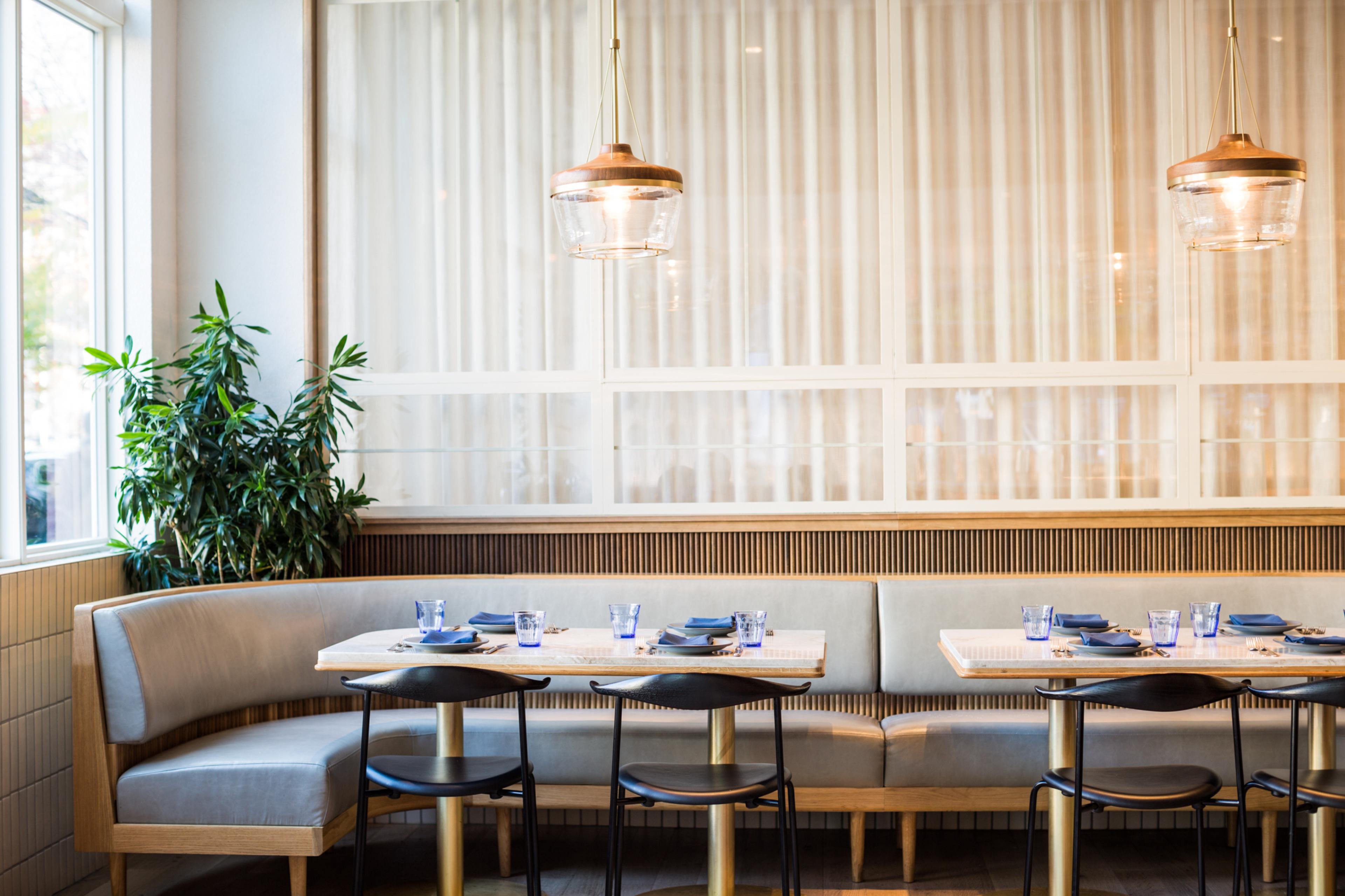
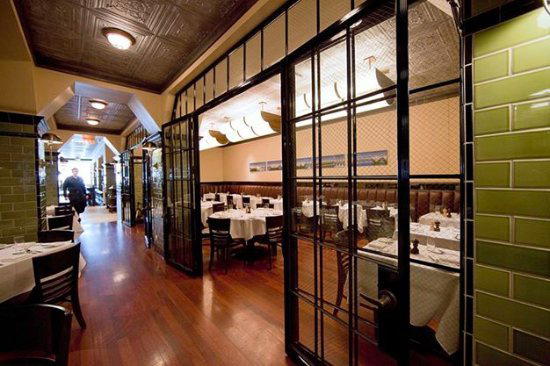
Approaching the address on East 75th, the surrounding blocks give a clear read on the neighborhood's character: a working commercial strip, not a destination dining corridor. There are no valet stands, no foliage-draped facades designed to signal arrival. The restaurant operates as a neighborhood institution rather than a destination constructed for out-of-area visitors, and that distinction shapes the entire experience of eating there. The dining room is functional rather than atmospheric in any designed sense, which means the food carries the full weight of the visit without the assistance of lighting designers or interior narratives.
This is, in the context of Chicago's broader dining geography, an editorial point worth making clearly. The city's food coverage concentrates heavily in a band running from Lincoln Park through the West Loop, with occasional forays to Logan Square. South Side institutions of genuine longevity and community significance routinely fall outside that coverage band. Soul Veg City has operated in this neighborhood as part of a national chain of the same name with origins in Atlanta, a chain that grew out of the African Hebrew Israelite community's approach to plant-based eating. That provenance connects it to a network of similar operations across American cities, each functioning as a community anchor rather than a standalone restaurant concept.
Plant-Based Soul Food as a Category
The category itself deserves context before the venue does. Vegan soul food is not a contradiction in terms, though it is sometimes framed as one by commentators who mistake cream-heavy Southern cooking for the whole tradition. Historically, much of the rural Black Southern diet was plant-forward out of economic necessity, built around legumes, greens, sweet potatoes, and grains. The African Hebrew Israelite culinary tradition drew on and formalized those roots, developing a cooking style that rejected animal products entirely while retaining the flavor logic of soul food through spicing, frying technique, and slow cooking methods applied to vegetables and plant proteins.
Chicago's broader plant-based restaurant market has expanded considerably in the past decade, with upmarket vegan concepts appearing in Wicker Park, Logan Square, and the West Loop. Those establishments tend to compete on ambiance and technique-signaling, placing themselves adjacent to the city's craft cocktail culture, a world anchored by venues like Kumiko, Leading Intentions, and Bisous, where drinks programs and food menus are designed as complementary experiences for a similar demographic. Soul Veg City operates in a different register entirely, one defined by accessibility, community function, and a longer institutional history than most of its trendier counterparts possess.
What the Absence of Data Signals
The venue's current digital footprint is sparse. For a restaurant operating in 2024, that absence is itself informative. It describes a business that has survived and continued to serve its community without the machinery of food PR, influencer coverage, or awards-circuit participation. In a city where bars like Lemon and the broader cocktail scene have cultivated national recognition through deliberate media engagement, Soul Veg City's invisibility to that apparatus is a structural feature, not an oversight.
For the reader planning a visit, that data gap means advance planning requires direct contact with the restaurant rather than reliance on third-party booking platforms. Calling ahead or visiting in person to confirm current hours and offerings is the practical approach, particularly given that community-oriented restaurants of this type sometimes adjust operating schedules seasonally or in response to local events.
Placing Soul Veg City in a Wider American Context
The African Hebrew Israelite food tradition that shaped Soul Veg City's kitchen has parallels in other American cities, where community-rooted plant-based cooking operates well outside the premium dining circuit while maintaining deep local credibility. This pattern appears in Houston, New Orleans, Honolulu, New York, San Francisco, and Washington, D.C. cities where the fine dining and craft cocktail ecosystems have their own well-documented representatives: Julep in Houston, Jewel of the South in New Orleans, Bar Leather Apron in Honolulu, Superbueno in New York City, ABV in San Francisco, and Allegory in Washington, D.C. In each of those cities, community-oriented restaurants with similar profiles to Soul Veg City exist parallel to the recognized dining circuit, serving consistent local populations with little crossover to the visitor economy. The Parlour in Frankfurt offers a European analog to the same dynamic: specialist venues with committed local followings that operate outside the awards infrastructure.
For readers who organize their eating around Michelin guides and 50 Best lists, Soul Veg City will not appear on any familiar map. For readers interested in the fuller picture of American urban food culture, and specifically in the South Side's role in shaping Chicago's culinary identity beyond what the mainstream food press covers, the address on East 75th is a reference point worth holding. Our full Chicago restaurants guide maps the city's dining across neighborhoods and categories with that broader frame in mind.
Planning Your Visit
| Venue | Neighborhood | Category | Booking | Price Signal |
|---|---|---|---|---|
| Soul Veg City | Grand Crossing (75th St) | Vegan soul food | Walk-in / call ahead | Not published; community-accessible |
| Kumiko | West Loop | Cocktail bar / Japanese-inflected | Reservations recommended | Premium tier |
| The Aviary | West Loop | Cocktail experience | Advance booking required | High-end |
| Three Dots & a Dash | River North | Tiki cocktail bar | Walk-in / reservations | Mid-range |
| Leading Intentions | Logan Square | Neighborhood cocktail bar | Walk-in | Accessible |
Similar Picks
Comparable venues nearby, for context on price, style, and recognition.
| Venue | Cuisine | Price | Notes |
|---|---|---|---|
| Soul Veg CityThis venue — the venue you are viewing | Bar | $10–20 | Not listed |
| Spilt Milk | cocktail_bar | $20–30 | Logan Square |
| The Green Door Tavern | speakeasy | Not listed | River North |
| Six06 Cafe Bar | lounge | Not listed | West Town |
| Half Shell | pub | Not listed | Lakeview |
| Scofflaw | cocktail_bar | $20–30 | Logan Square |




Details
- Cozy
- Rustic
- Casual Hangout
- Standalone
- Seated Bar
- Zero Proof
Current opening hours
- Monday
- 11 AM–6 PM
- Tuesday
- 11 AM–6 PM
- Wednesday
- 11 AM–6 PM
- Thursday
- 11 AM–6 PM
- Friday
- 11 AM–6 PM
- Saturday
- 10 AM–6 PM
- Sunday
- 10 AM–6 PM
Hours can change for holidays and private events. Last verified .
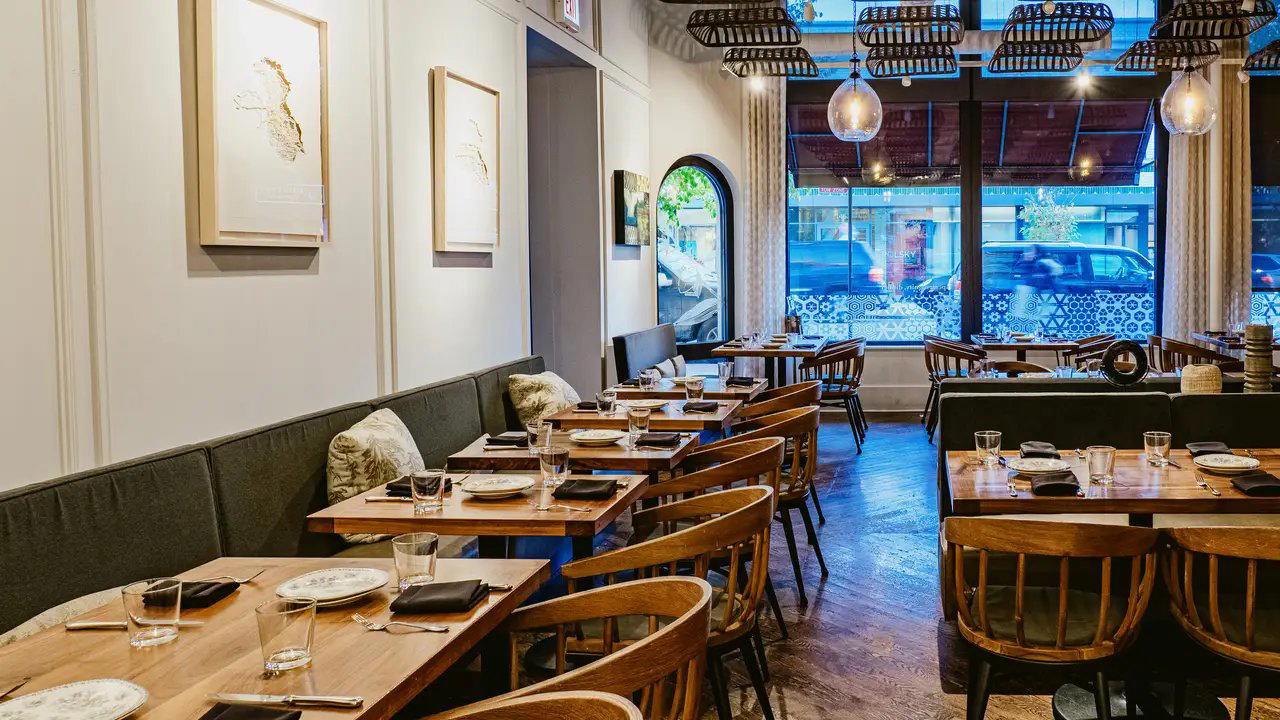
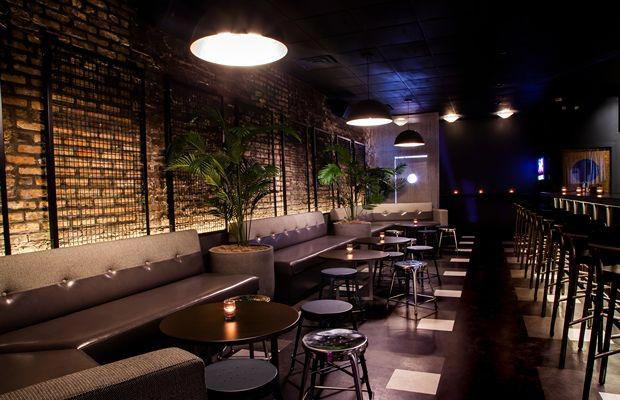
Laid-back atmosphere with beautiful local art and great music.