Social Eating House
On Poland Street in Soho, Social Eating House occupies a spot in the mid-tier of London's modern British bistro scene, where the bar program carries as much weight as the kitchen. The upstairs cocktail bar has attracted consistent critical attention within the Soho drinking circuit, placing it alongside a cluster of technically minded venues where the drinks list earns its own discussion.
- Address
- 58 Poland St, London W1F 7NR, United Kingdom
- Website
- socialeatinghouse.com
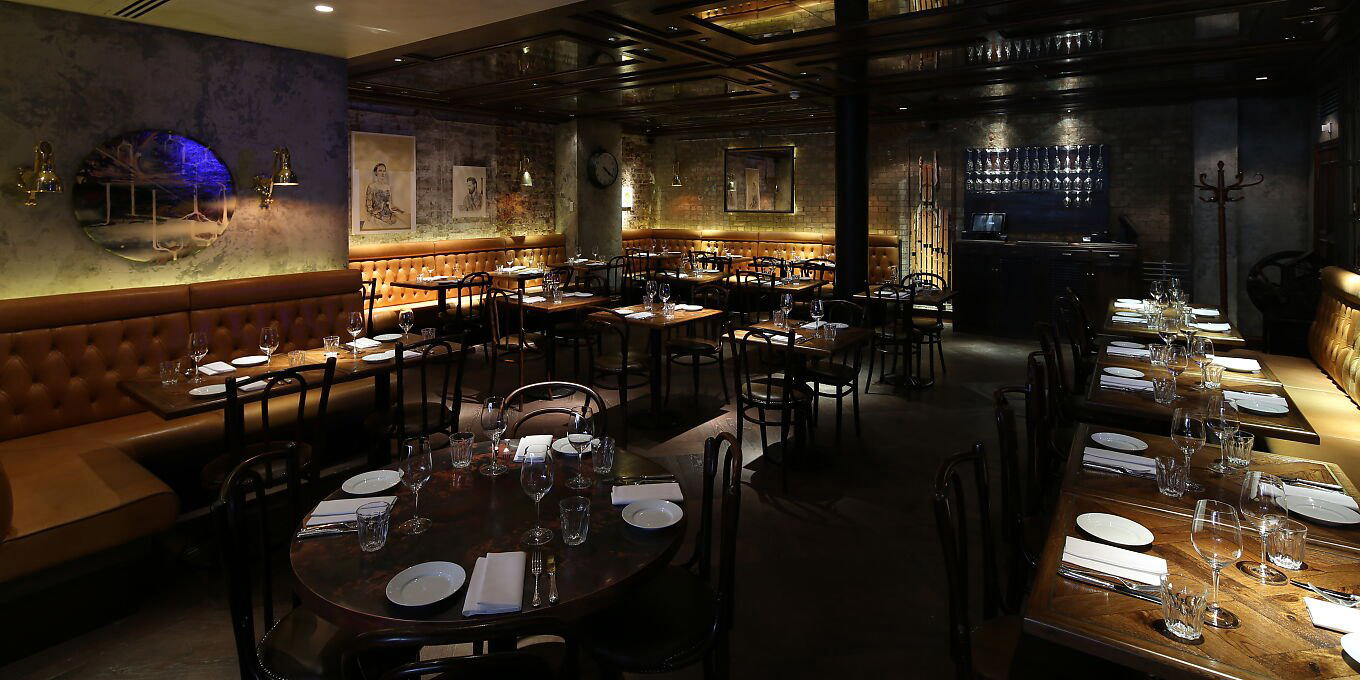
Poland Street and the Soho Drinking Continuum
Social Eating House is a bar in Soho, London, at 58 Poland St, with a smart casual dress code, reservations recommended, and a price tier of about $25 per person. On a single block you can move from a practised wine bar to a technically focused cocktail counter to a kitchen running classical technique through a modern British filter. Poland Street sits inside that continuum, and Social Eating House occupies a position on it that many comparable addresses would envy: a ground-floor restaurant with a bar program credible enough to draw visitors who have no intention of sitting for dinner.
That split identity, kitchen and bar pulling roughly equal critical weight, has become a recognisable format in Soho's mid-to-upper tier. The approach positions venues against a different competitive set than a pure restaurant or a dedicated cocktail bar. In London's drinking scene, the comparison set includes technically minded independents like 69 Colebrooke Row and A Bar with Shapes For a Name, where the drinks program carries the venue's critical identity. Social Eating House operates in the space between those poles, closer to Academy and Amaro in terms of format, where hospitality and food context shape how the cocktails are received.
Local Produce, Imported Discipline
The broader story of modern British cooking over the past two decades is largely one of borrowed rigour applied to undervalued domestic ingredients. French and Japanese technical frameworks, applied to British larder staples, produced a generation of kitchens that could discuss the provenance of a heritage breed or a coastal foraged green with the same precision once reserved for Burgundian appellations. Social Eating House sits within that tradition, operating in a Soho neighbourhood where similar commitments have become the baseline expectation rather than a distinguishing move.
What separates the stronger operators in this space from the merely competent is the degree to which imported technique actually transforms the ingredient rather than simply contextualising it. A roe from a British coastline served alongside a sauce built on classical reduction is a different proposition than the same roe presented with restraint on its own terms. The former signals kitchen confidence; the latter can read as either sophistication or underachievement depending on execution. The venues that have sustained critical attention in Soho tend to land on the side of transformation, using French or Asian frameworks as structural logic rather than aesthetic decoration.
This is also visible in the bar programs of Soho's more considered venues. Cocktail lists in this tier increasingly reach for British botanical and spirit production, from small-distillery gins to foraged liqueur bases, while building the technical architecture of the drink from global mixology practice. The result is a category of drink that reads British in ingredient and international in method, which mirrors what the kitchen is doing two floors down.
The Upstairs Bar as Destination
In London's dual-format venues, the question of whether the bar can sustain independent visits is a meaningful one. A bar that functions only as a holding area before a table is seated has a different value to a traveller than one that merits an evening on its own terms. Social Eating House's upstairs bar has accumulated enough of its own critical identity to function as the latter, attracting a Soho crowd that moves between destinations with intention rather than convenience.
The broader Soho bar geography rewards that kind of movement. The neighbourhood's density means a visitor can construct a credible evening across three or four addresses within walking distance, which raises the bar for any single stop. Venues that hold attention in this context tend to do so through program specificity rather than atmosphere alone. 69 Colebrooke Row holds attention through its documented commitment to house-made ingredients and a format that changes annually. Social Eating House holds it through the combination of a bar program with its own voice and a kitchen that gives context to the drinks sitting beside the food menu.
For visitors calibrating Soho against other UK drinking cities, the contrast is instructive. Schofield's in Manchester and Merchant Hotel in Belfast operate in markets where the bar program alone carries the venue's identity without a restaurant context. London's Soho, by contrast, tends to reward hybrid models where the kitchen and bar reinforce each other's credibility. Mojo Leeds and L'Atelier Du Vin in Brighton represent regional formats where drink curation and environment interact differently, and comparing those contexts clarifies what Social Eating House is doing in a specifically Soho register.
Positioning Within Soho's Peer Set
The comparison set for a venue like Social Eating House in Soho's mid-to-upper tier includes addresses like Quo Vadis, which operates a member's club layer above a public restaurant and bar, and Callooh Callay, whose cocktail program has received sustained recognition from the trade while remaining Shoreditch-adjacent rather than core Soho. Happiness Forgets and Nightjar represent the dedicated cocktail bar end of the spectrum, where the drink is the entire point and the food offering is secondary or absent. Social Eating House sits in a different position: a kitchen with enough credibility to set the register of the whole venue, and a bar with enough ambition to not be merely decorative.
That positioning places it in a cohort that is arguably harder to execute than either a dedicated bar or a pure restaurant. The two programs have to justify each other without either one pulling the other toward a lower common denominator. When that balance holds, the result is a venue that earns visits from guests who might otherwise not overlap at all. Cocktail-focused visitors from A Bar with Shapes For a Name and restaurant-led visitors from the broader London dining scene share a room, and the venue functions as connective tissue between two otherwise separate circuits. Bar Leather Apron in Honolulu is a useful international parallel for this format, where cocktail craft and food-adjacent hospitality operate in a complementary rather than competitive register.
Recognition, Side-by-Side
| Venue | Awards |
|---|---|
| Social Eating HouseThis venue — the venue you are viewing | |
| Bar Termini | World's 50 Best |
| Callooh Callay | World's 50 Best |
| Happiness Forgets | World's 50 Best |
| Nightjar | World's 50 Best |
| Quo Vadis | World's 50 Best |
At a Glance
- Trendy
- Sophisticated
- Cozy
- Modern
- Date Night
- After Work
- Speakeasy
- Booth Seating
- Lounge Seating
- Craft Cocktails
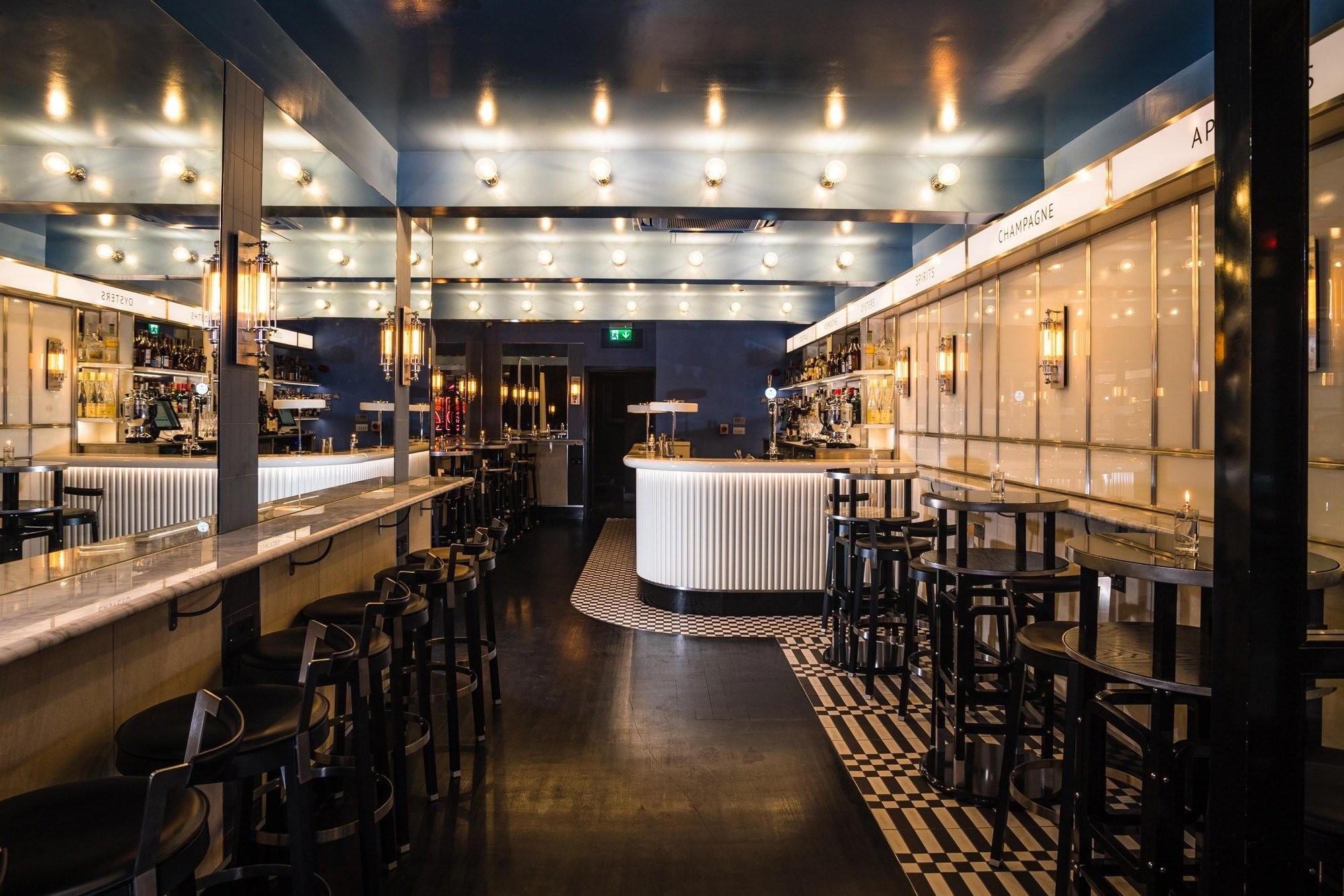
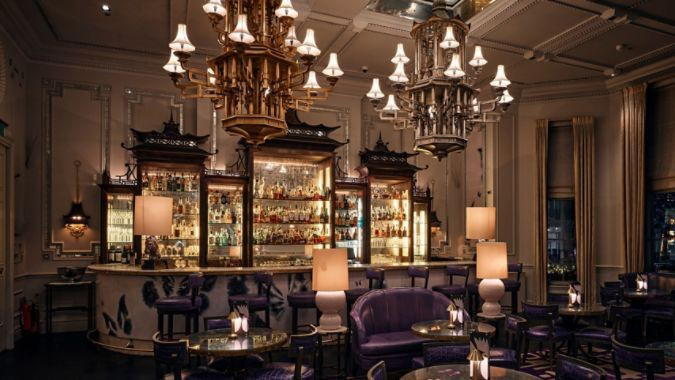
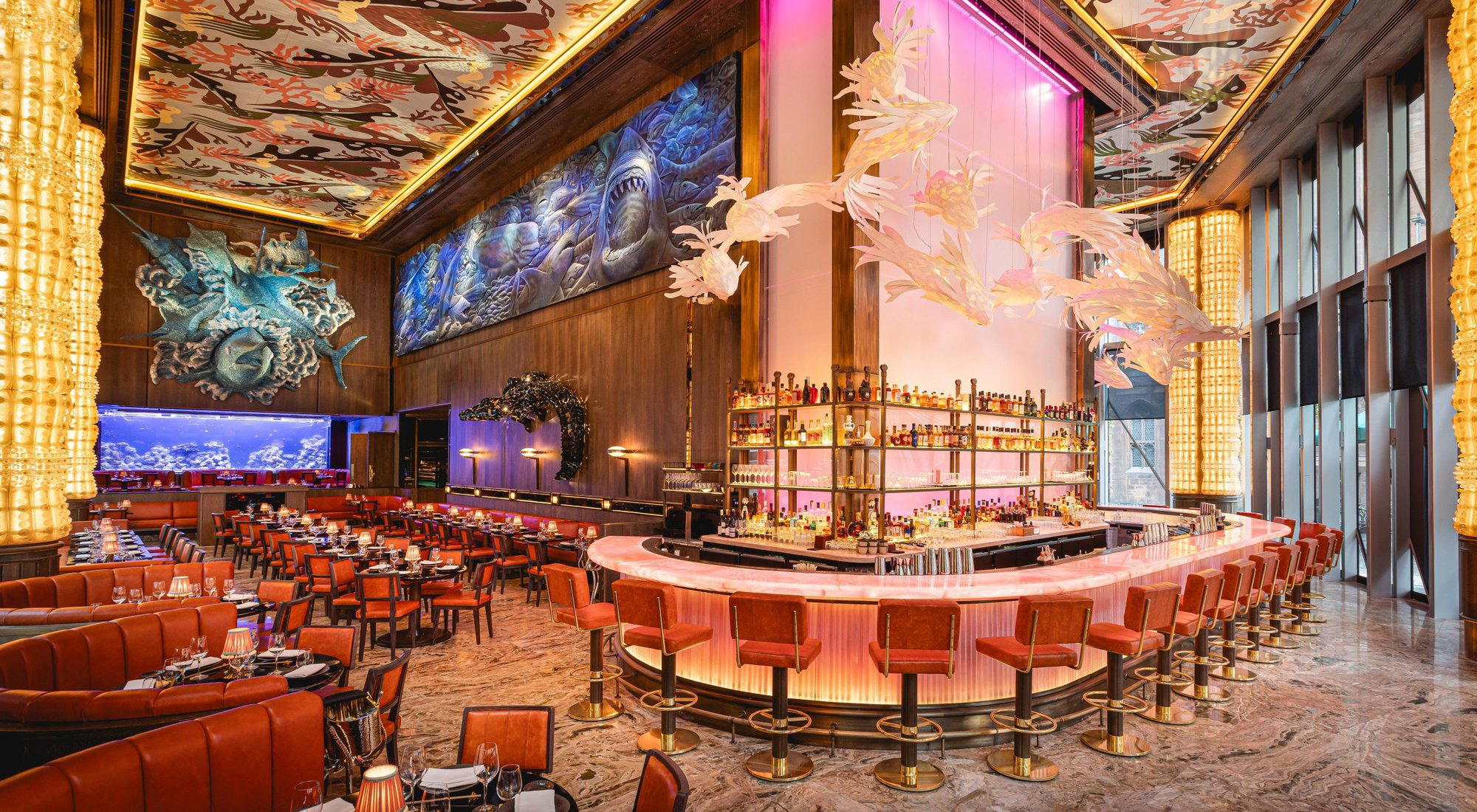
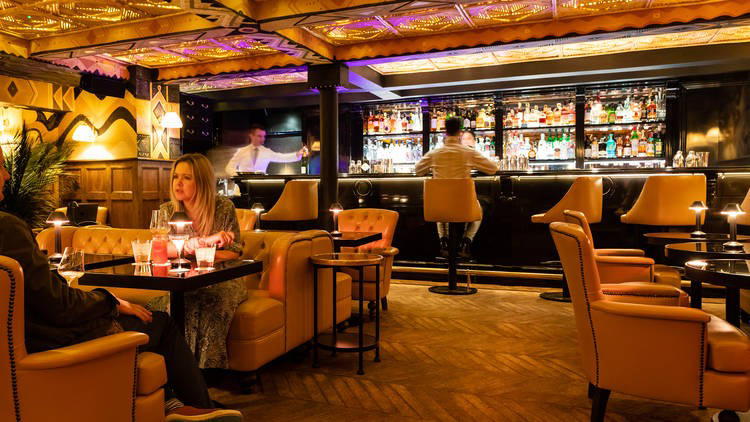
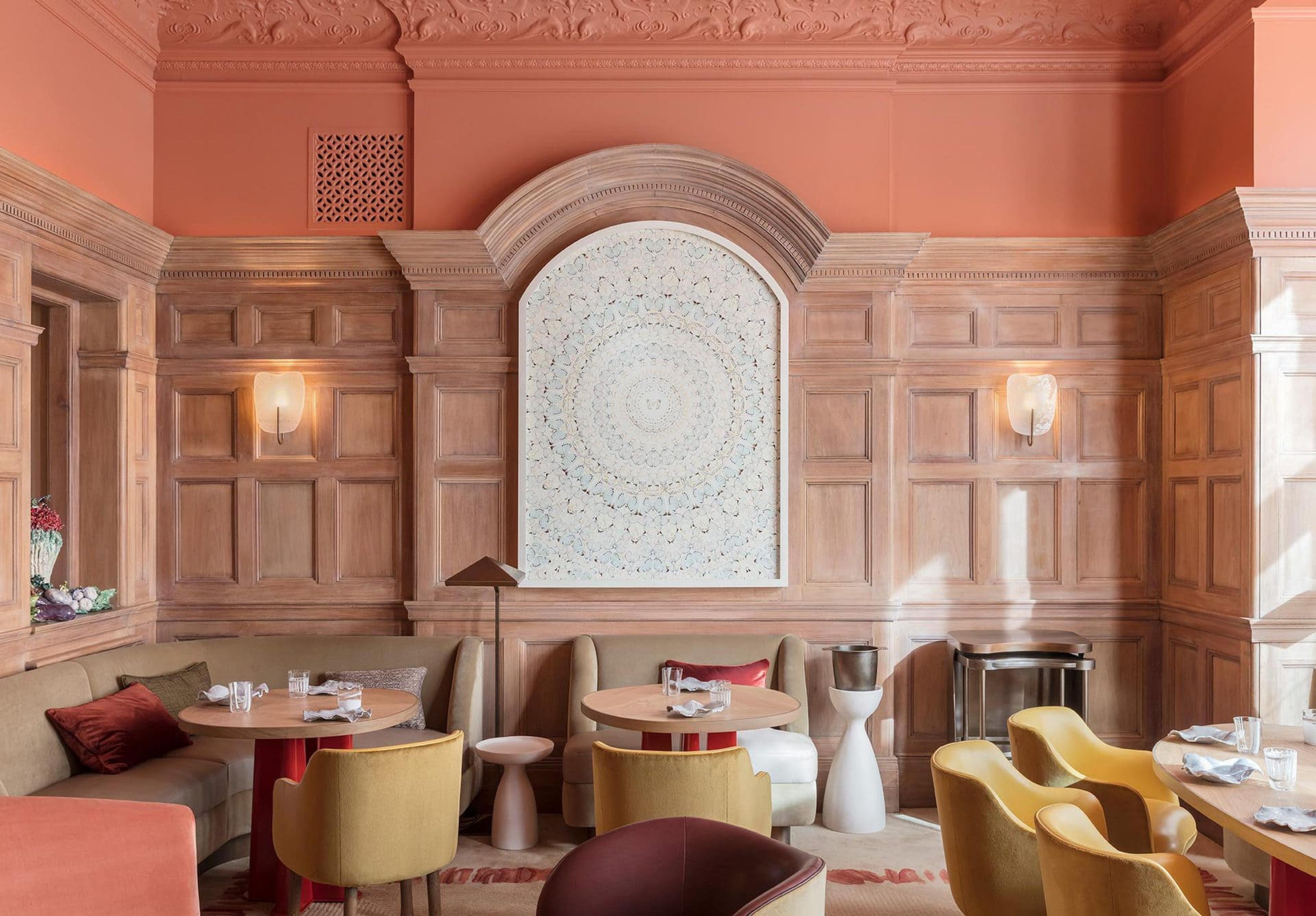
New York-esque dark tones, leather booths, clubby dark wood and leather, nice lighting and beautiful decor.