Side Project Brewing
Side Project Brewing operates at 7458 Manchester Rd in Maplewood, Missouri, where the American craft beer scene has quietly developed one of its more serious cellared-ale programs.
Pearl is the En Primeur Club membership app — saves, bookings, and concierge access live there. Same editors, same standards.
- Address
- 7458 Manchester Rd, Maplewood, MO 63143
- Website
- sideprojectbrewing.com
- Directions
- Get directions
 Saves & bookings on Pearl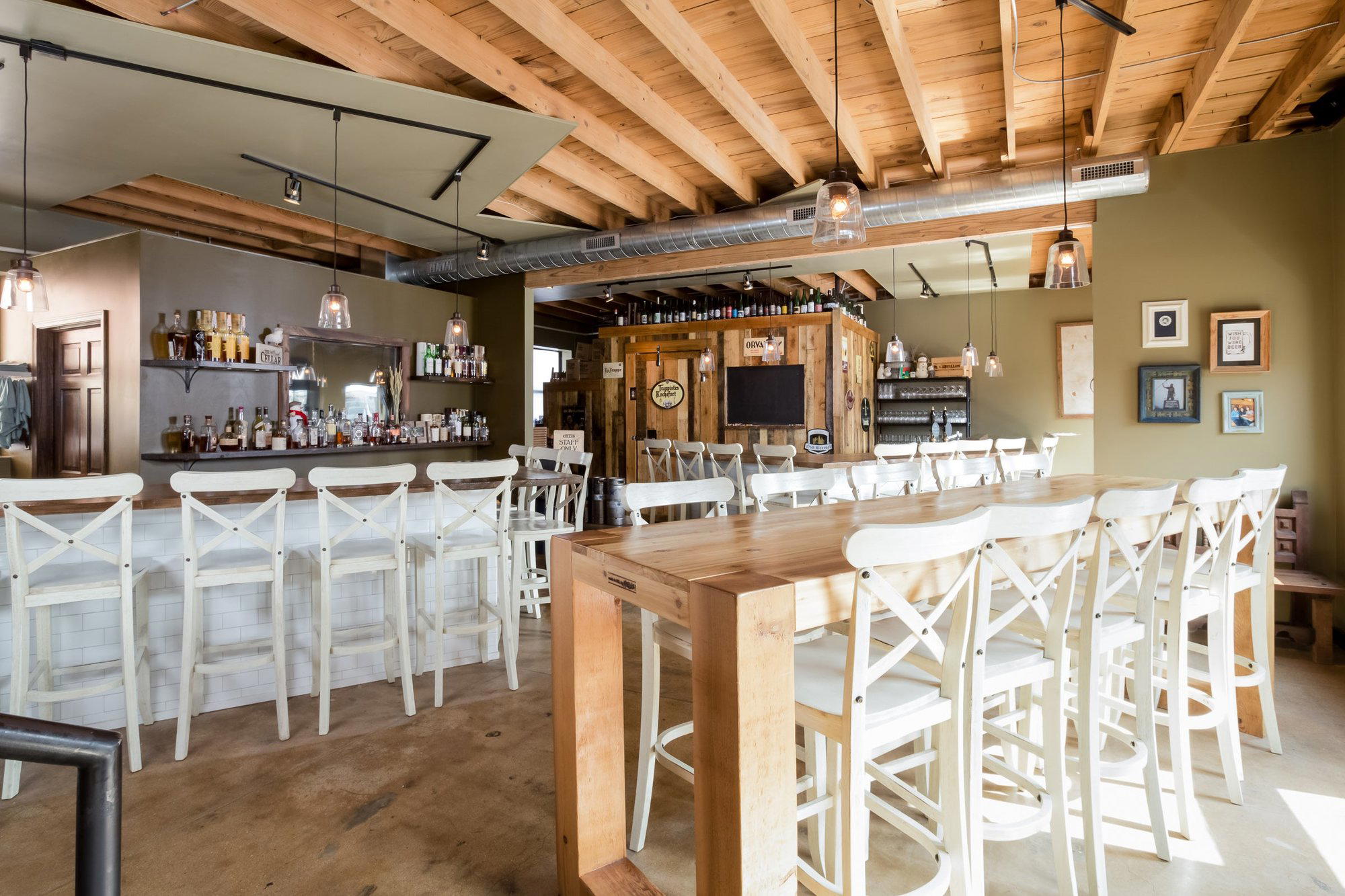
Where Maplewood's Drinking Culture Gets Serious
In American craft brewing, there is a clear divide between operations built for volume and those built for depth. The former chase distribution, tap-handle placement, and brand recognition. The latter invest in time: extended fermentation, barrel programs, and releases that reward patience from both brewer and drinker. Side Project Brewing, at 7458 Manchester Rd in Maplewood, Missouri, belongs firmly to the second category. The taproom itself reflects that orientation — a space where the pour in your glass has typically spent more time aging than most bars spend curating their entire back bar.
Maplewood, a small city folded into the St. Louis metropolitan area along the Manchester Road corridor, has developed a concentration of serious drinking destinations that punches well above its municipal scale. That corridor includes Acero and the related The Side Project Cellar, the latter functioning as a dedicated bottle shop and tasting extension of the brewery's aged-ale library. Together these addresses have made Manchester Road a legitimate destination for serious beer and spirits drinkers, not just a neighborhood convenience.
The Logic of a Cellared-Ale Program
What distinguishes depth-oriented American craft programs from their high-volume peers is fundamentally a question of restraint and prioritization. Limited releases, small batch sizes, and extended conditioning periods compress output but concentrate quality signals. The craft beer market has, over the past decade, bifurcated sharply: one side chasing hop-forward immediacy and social-media visibility, the other building toward something closer to the fine wine model, where cellaring, allocation, and secondary-market pricing become relevant factors.
Side Project sits in the latter tier. Its beers, particularly mixed-fermentation and barrel-aged styles, have circulated in serious beer collector circles in ways that draw comparison to Cantillon in Belgium or Logsdon in Oregon — programs where the bottle itself functions as a record of time and intention. This positioning is not incidental. It reflects choices made at the production level that carry through to how the taproom operates and how releases are managed. For a visitor arriving from outside St. Louis, the frame of reference is less "local brewpub" and more "destination tasting room," a category that now includes operations like Bar Leather Apron in Honolulu or Kumiko in Chicago, where program depth is the primary reason for the visit.
Reading the Back Bar: Curation as Editorial Statement
In any serious drinking program, whether a cocktail bar like Jewel of the South in New Orleans, a whiskey-forward room like Julep in Houston, or a technically driven New York bar like Superbueno in New York City, the selection on offer is an editorial statement. What is stocked, what is rotated, what is held back for specific occasions: these decisions communicate the program's values more directly than any marketing language.
At Side Project, that editorial logic runs through its barrel selections and fermentation choices. The brewery works primarily in oak, using a range of barrel types that have previously held wine, spirits, and other fermented products. The result is a back-bar equivalent built from aged inventory rather than purchased bottles: a rotating cast of limited ales that vary by vintage and conditioning period. Visitors arriving expecting a standard taproom format, a dozen handles, branded pint glasses, a food menu anchored by nachos, will find a different kind of operation. The atmosphere is quieter, more deliberate, closer in feel to a specialized wine bar than a conventional brewery taproom.
Bars built around rare spirits collections, like ABV in San Francisco or Allegory in Washington, D.C., operate from a similar premise: the depth of what is available to drink matters more than the breadth of entertainment surrounding it. Even internationally, the parallel holds, The Parlour in Frankfurt on the Main and Bar Kaiju in Miami each anchor their identities in program specificity rather than ambient experience.
Planning a Visit: What the Maplewood Context Requires
Side Project Brewing operates within a corridor where planning matters. Release schedules drive significant foot traffic to Manchester Road, and arrival on a standard weeknight versus a designated release day produces meaningfully different experiences. The taproom itself is small by design, a deliberate choice that mirrors the production philosophy of keeping volume low and attention high. Visitors making the trip from outside St. Louis should treat the Maplewood stop as part of a wider corridor itinerary, with The Side Project Cellar functioning as the complementary destination for bottle purchases and seated tastings drawn from the broader library. For a full picture of what Manchester Road offers across food and drink, the EP Club Maplewood guide maps the neighborhood's serious drinking and dining addresses in context.
Release-day crowds can make parking along Manchester Rd competitive; arriving early or treating the visit as a mid-week itinerary stop will produce a more measured experience.
Continue exploring
More in Maplewood
Bars in Maplewood
Browse all →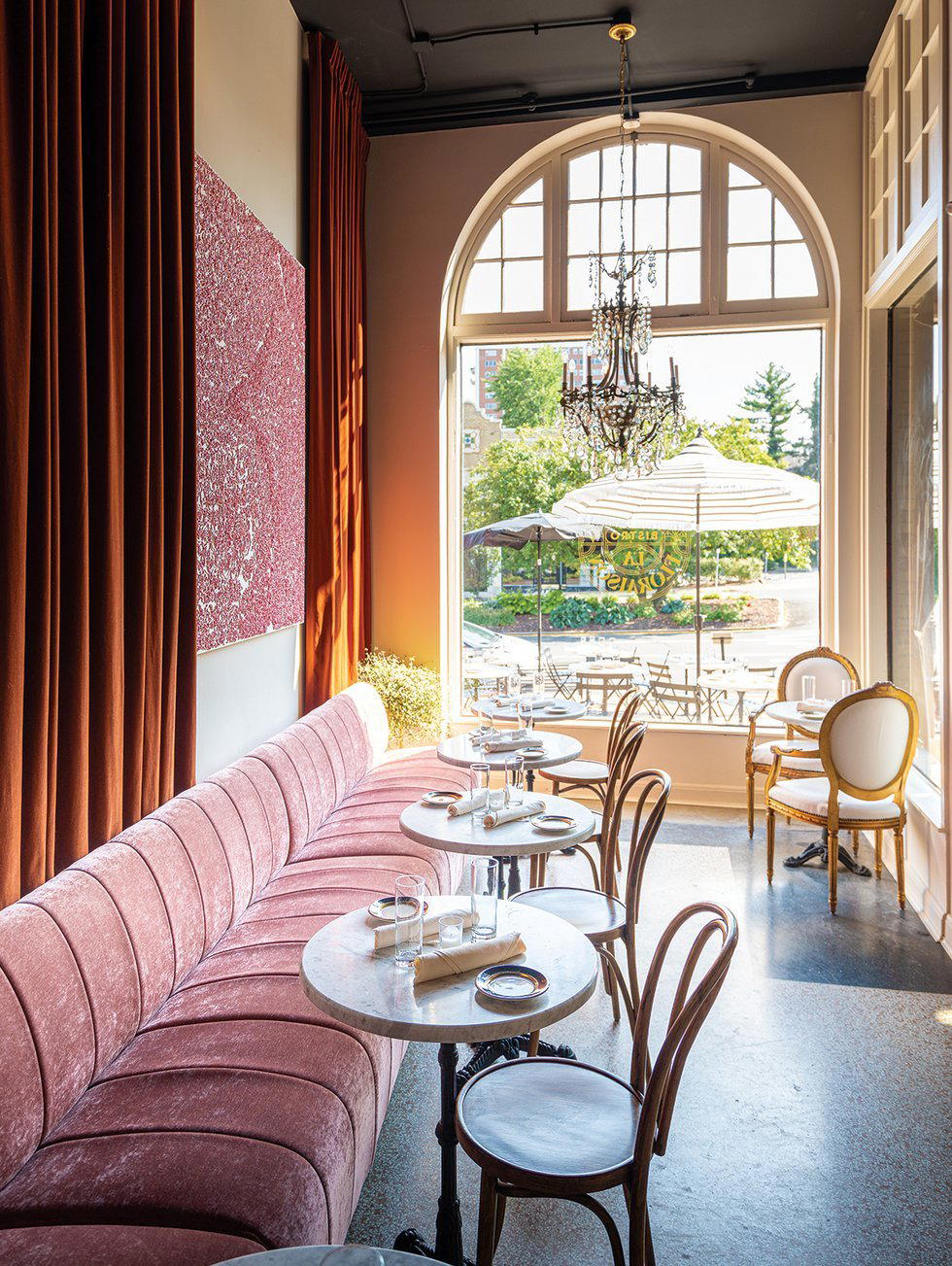
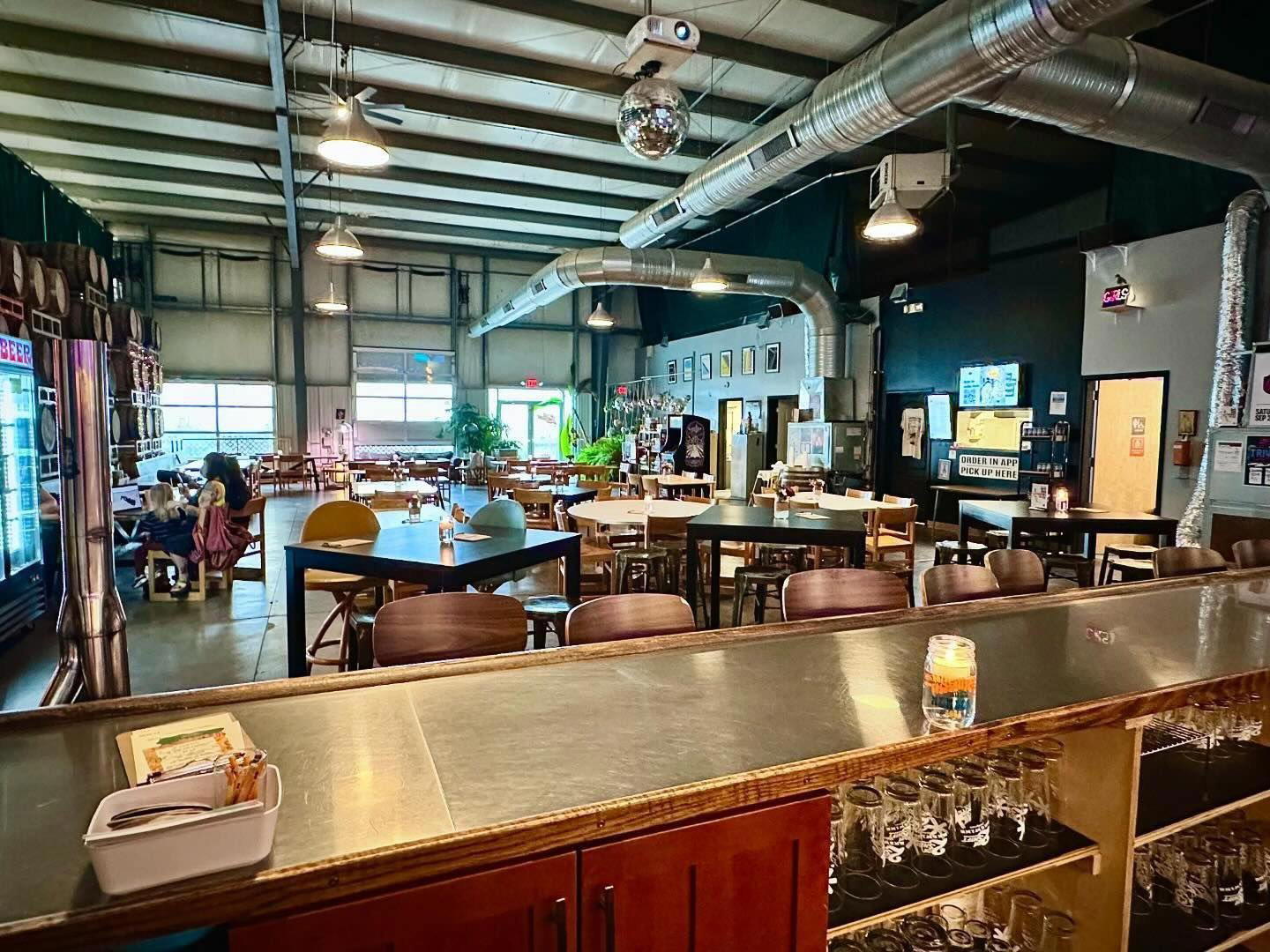
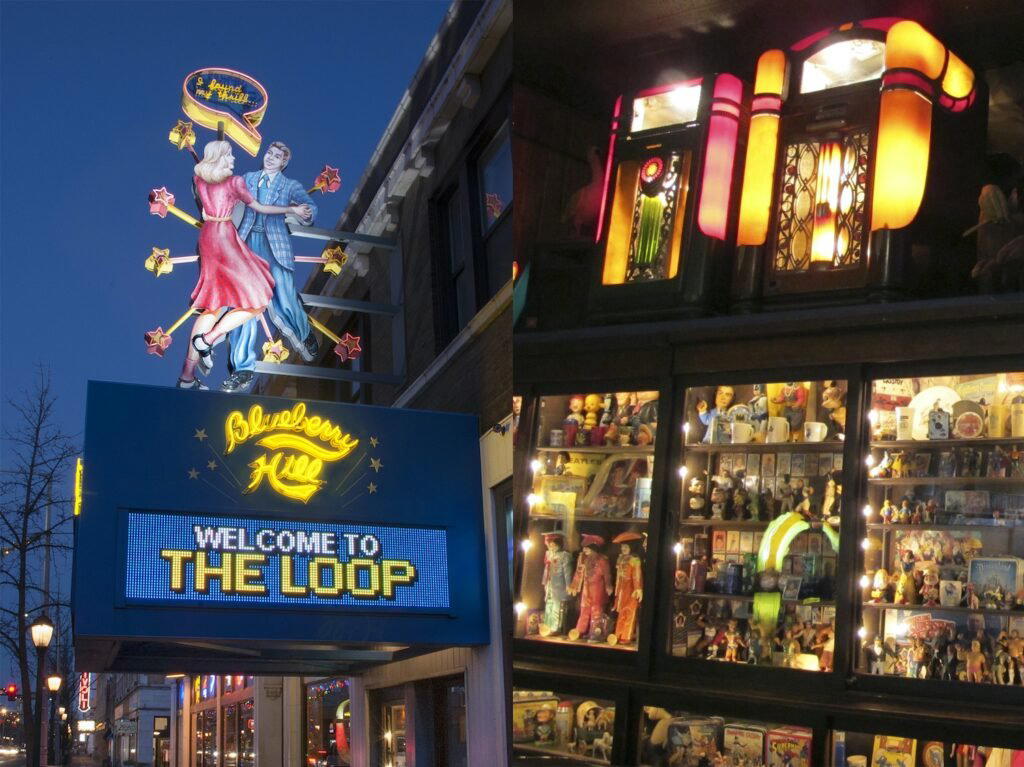
Restaurants in Maplewood
Browse all →

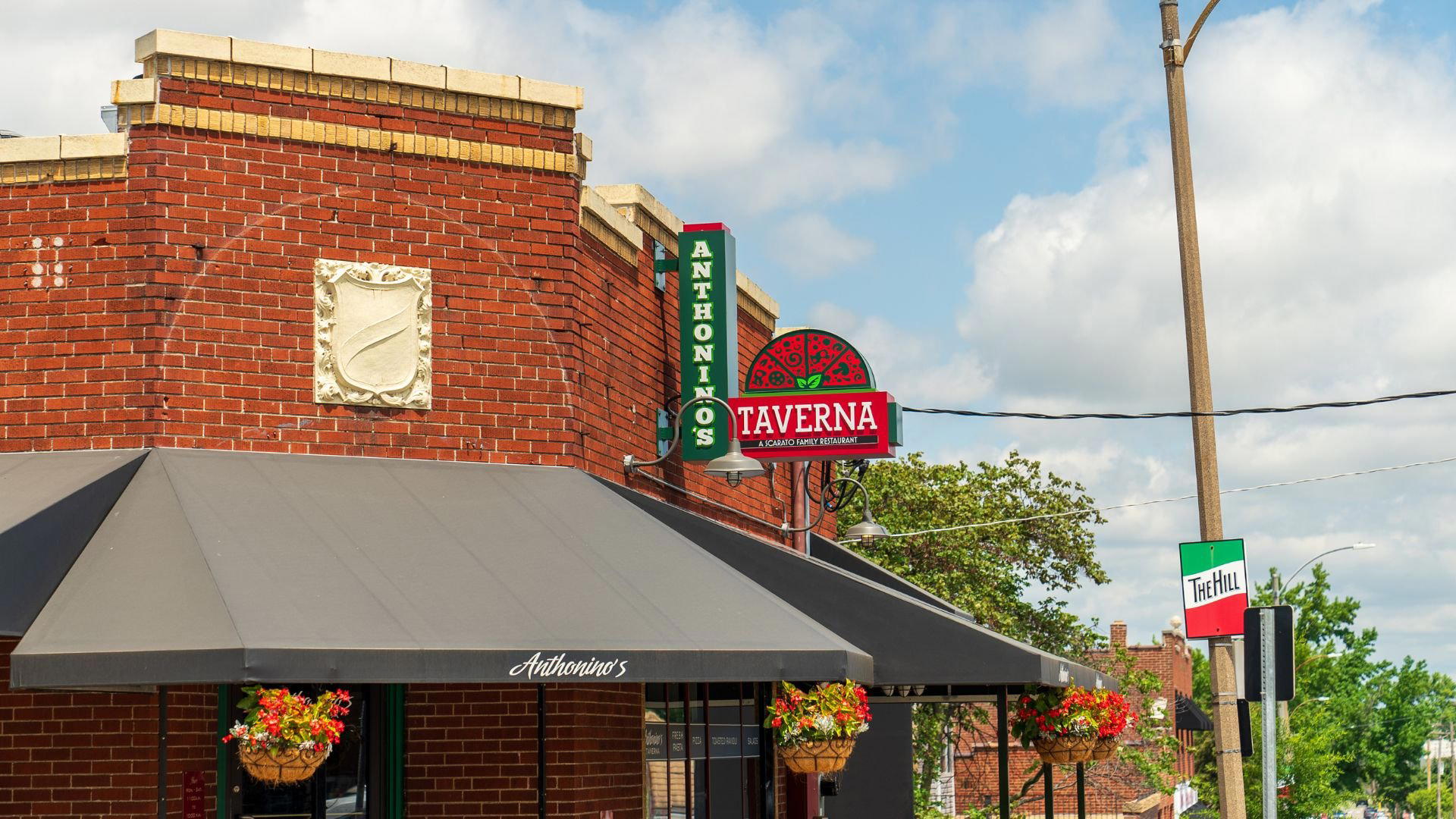
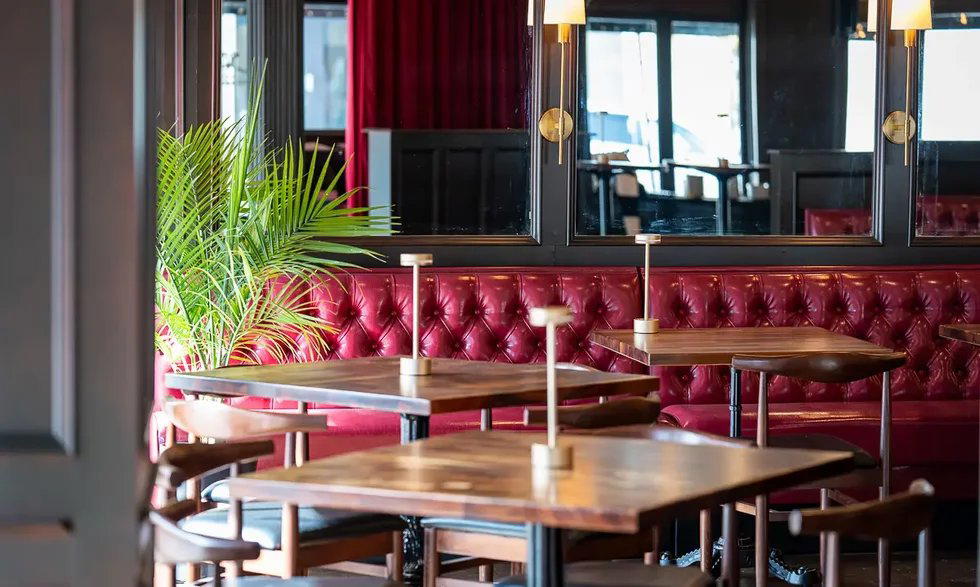
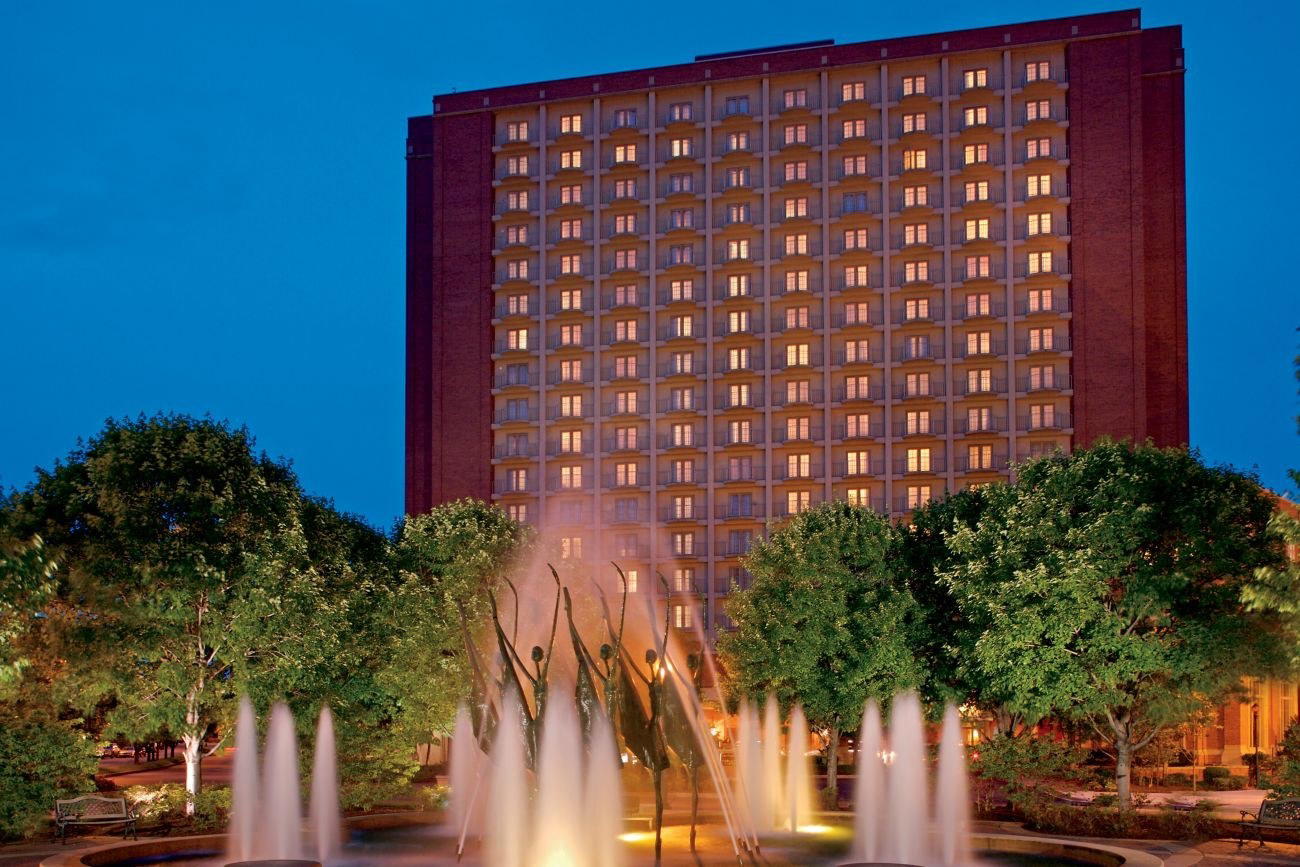
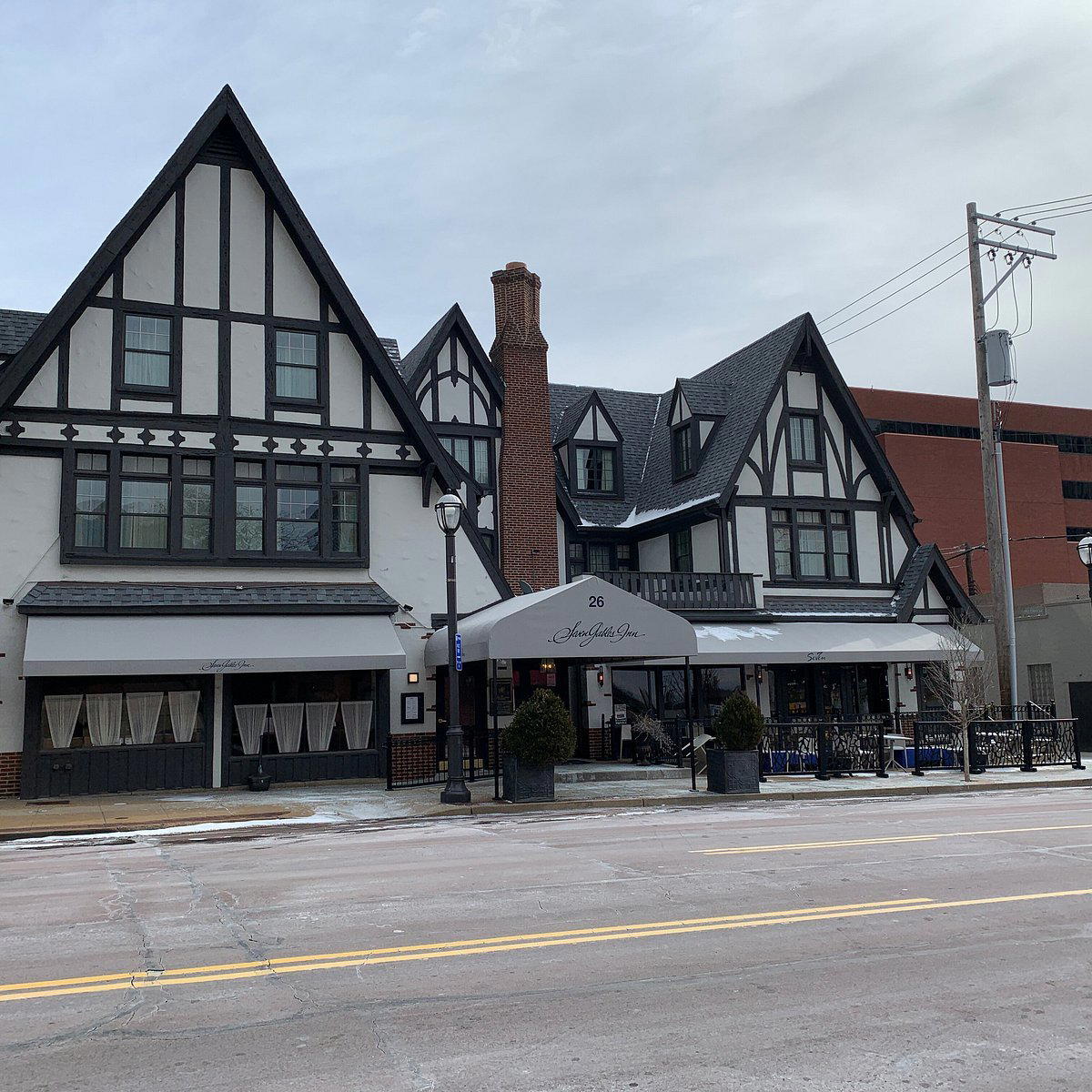
At a Glance
- Rustic
- Cozy
- Industrial
- Casual Hangout
- Group Outing
- Beer Garden
- Seated Bar
- Communal Tables
- Craft Beer
Current opening hours
- Monday
- 4–8 PM
- Tuesday
- Closed
- Wednesday
- 4–8 PM
- Thursday
- 4–8 PM
- Friday
- 11 AM–8:30 PM
- Saturday
- 11 AM–8:30 PM
- Sunday
- 1–8 PM
Hours can change for holidays and private events. Last verified .
Rustic atmosphere in a former hardware store with light music, attentive service, and a welcoming vibe for beer enthusiasts.
Know Before You Go
- Getting there
- 7458 Manchester Rd, Maplewood, MO 63143