Si Mon

Si Mon occupies a dim, brick-walled room on the edge of Colonia Roma, where shelves of Mexican wine replace the usual back-bar theatrics. It sits in a growing tier of Mexico City venues that treat domestic producers with the same seriousness European bottles have long received. For anyone tracking where the local wine conversation is heading, this is a reliable reference point.
Pearl is the En Primeur Club membership app — saves, bookings, and concierge access live there. Same editors, same standards.
- Address
- Zacatecas 126, Roma Nte., Cuauhtémoc, 06700 Ciudad de México, CDMX, Mexico
- Phone
- +52 55 4437 4285
- Website
- brokabistrot.com
- Directions
- Get directions
 Saves & bookings on Pearl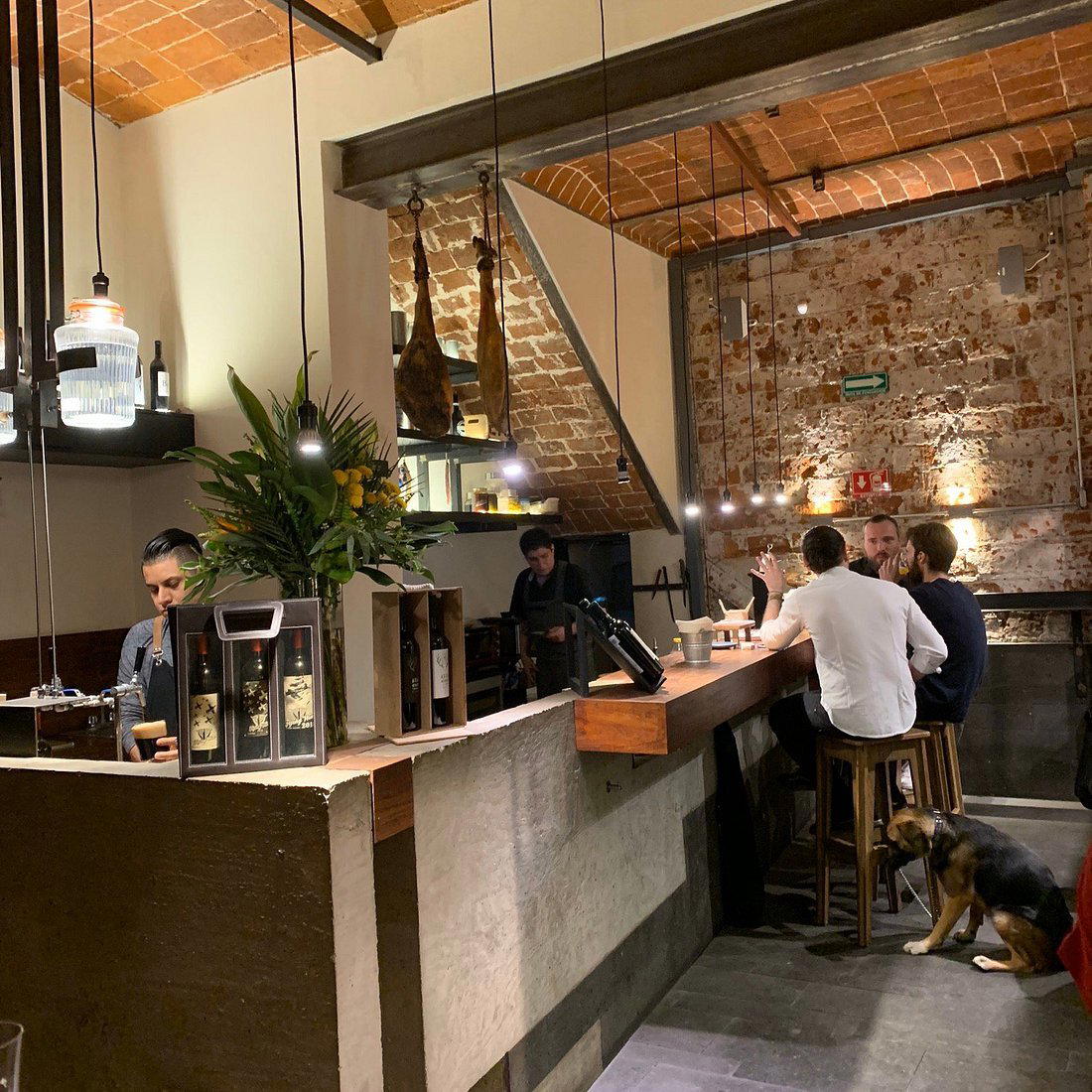
The stairs down to Si Mon tell you what kind of place this is before you order anything. Brick overhead, brick on the walls, light kept low enough to read a label but not much more. The shelves that line the room are stocked with Mexican bottles arranged with the care of a serious cellar, not a decorative afterthought. In a city where the wine list at most restaurants still skews heavily toward European imports, that shelf is a statement.
The Roma Norte Context
Colonia Roma has spent the better part of a decade consolidating its position as Mexico City's most consequential neighbourhood for serious drinking. The streets around Zacatecas and Álvaro Obregón now hold a concentration of bars and wine-focused venues that would not look out of place in any European capital with a strong independent scene. Baltra Bar and Bar Mauro operate nearby, each anchoring a different point on the neighbourhood's drinking spectrum. Si Mon, at Zacatecas 126, sits at the limit of Roma Norte where the colonia begins to blur into adjacent streets, which gives it a slightly removed quality that the more prominent addresses on the strip do not have.
That positioning matters. Venues on the quieter edges of established neighbourhoods tend to draw a self-selecting crowd: people who looked up the address deliberately rather than walked in from the pavement. At Si Mon, that translates to a room that runs at a considered pace. Conversations carry. The shelf becomes a starting point for them.
The Local Wine Argument
Mexico's wine-producing regions have been building credibility with international critics for the better part of fifteen years. The Guadalupe Valley in Baja California produces the bulk of the country's commercially visible output, but smaller appellations in Querétaro, Coahuila, and Zacatecas have been attracting winemakers trained in Burgundy, Rioja, and Napa who want to apply formal technique to indigenous and adopted varieties growing in high-altitude, arid conditions. The resulting bottles often read as structurally disciplined but climatically distinctive: acidity shaped by cool nights, tannins tempered by dry-farmed soils, aromatic profiles that do not map neatly onto their European analogues.
Si Mon's shelves are a curated argument for taking that output seriously. The focus on local wine in a basement setting, with brick walls and deliberate dim light, is not a casual aesthetic choice. It positions the venue in a specific tier of Mexico City's drinking scene: not the high-production cocktail bar, not the European import specialist, but the place where Mexican viticulture is the entire point. For context, venues elsewhere in the country doing comparable work in the wine space, like Bekeb in San Miguel de Allende or El Gallo Altanero in Guadalajara, each take a different approach to the local-producer question. Si Mon's answer is the most single-minded of the set.
Atmosphere as Editorial Position
The basement format carries meaning in Mexico City specifically. Street-level Roma is loud, often busy, and visually saturated. Descending into a low-ceilinged room with brick and low light is a deliberate decompression. The physical environment acts as a filter: it selects for the kind of visit where the drink, the label, and the conversation around both are the actual object of the evening rather than the backdrop to it.
Comparable design logic appears at other technically-serious venues across the city. Bijou Drinkery Room operates on a similarly curated, contained premise. Brujas applies the small-room, deliberate-format approach to a different category. What they share with Si Mon is the understanding that atmosphere and editorial selection are the same decision, not separate ones. When you commit to a particular kind of shelf and a particular kind of light, you are also committing to a particular kind of guest.
The Global Technique Question
The intersection of imported winemaking method and Mexican terroir is where the most interesting bottles on Si Mon's shelves tend to sit. Winemakers who have worked harvests in established Old World regions and then returned to Mexico's production zones bring a specific vocabulary: extended maceration, whole-cluster fermentation, low-sulphur protocols, amphora aging. Applied to varieties like Nebbiolo growing at 1,800 metres in Baja's higher elevations, or Chenin Blanc in Querétaro's semi-arid plateau, those techniques produce results that are technically legible to a trained palate but geographically specific in a way that imported bottles cannot replicate.
A venue that stocks and presents those bottles is doing something more than retail. It is making an argument that Mexican wine deserves the same framework of serious attention that European regions take for granted. The brick-ceiling basement in Roma Norte is, in that reading, a critical position as much as a physical space. For comparison, Arca in Tulum makes a similar case for local producers within a different regional and experiential frame. The ambition is related even if the execution and market differ substantially.
Planning Your Visit
Si Mon is at Zacatecas 126 in Roma Norte, a neighbourhood well served by metro (Insurgentes on Line 1 is the closest major station) and by rideshare. The basement entrance and compact format mean the room reaches comfortable capacity quickly. Roma Norte's dinner-into-late-night rhythm means the early part of the evening, before 9pm, is the quieter window if the goal is sustained conversation rather than a full room. No booking information is publicly listed, which suggests walk-in is the operative model, though the capacity limits make timing a practical consideration. For a wider map of where Si Mon sits within the city's drinking and dining options, the full Mexico City guide provides neighbourhood-level context across categories. Visitors also tracking serious bar programs in other Mexican cities will find relevant reference points at Aruba Day Drink in Tijuana and La Capilla in Tequila, both of which represent different ends of Mexico's drinking culture with the same kind of specificity that Si Mon brings to its corner of Roma.
How Si Mon Mexico City compares with similar nearby venues.
| Venue | Awards |
|---|---|
| Si Mon | Star Wine List (2026) |
Recognition history
Dated appearances from independent guides and award organizations, with the underlying list record or original source where available.
Star Wine List
Star Wine List
Continue exploring
More in Mexico City
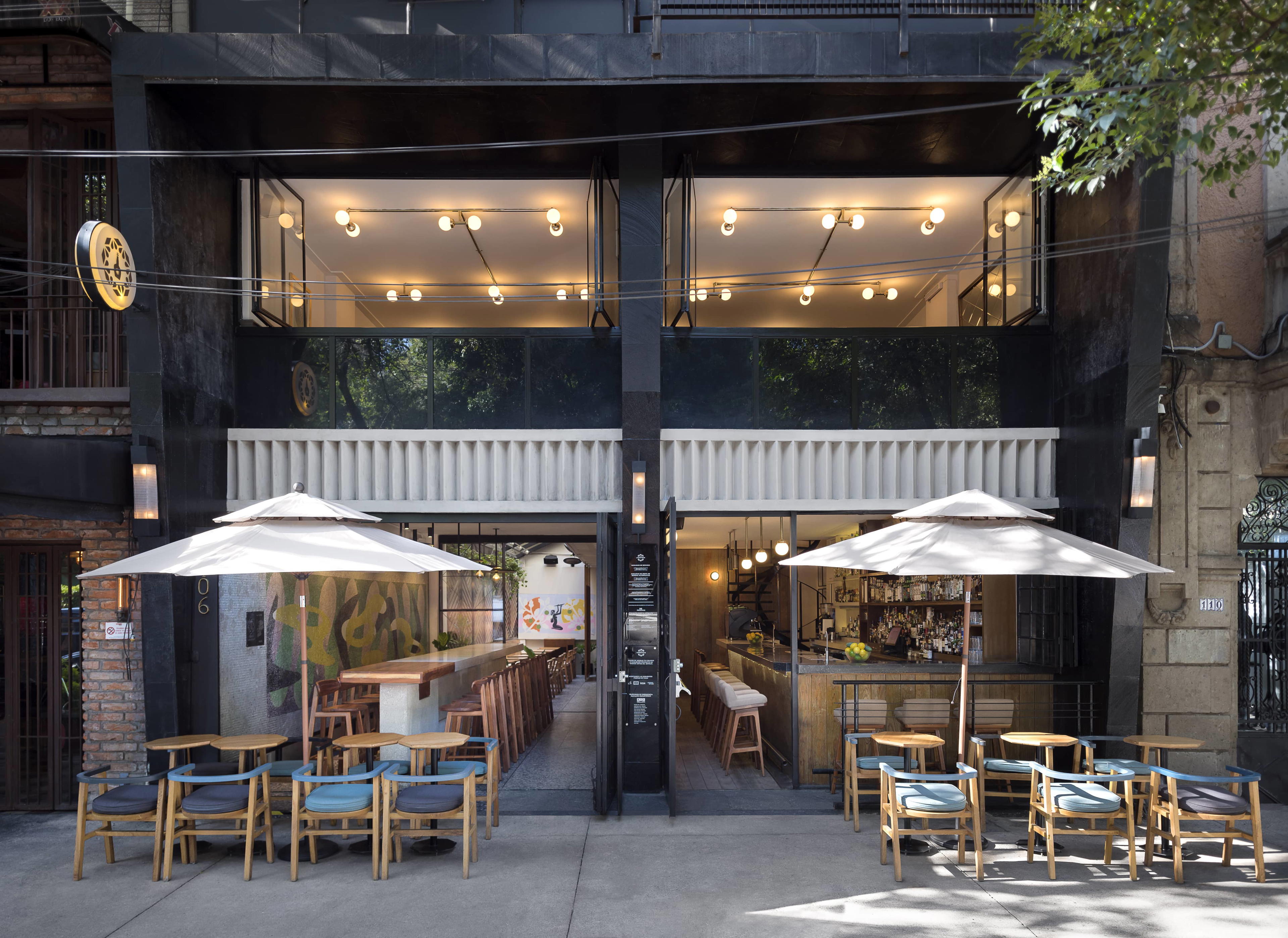
Bars in Mexico City
Browse all →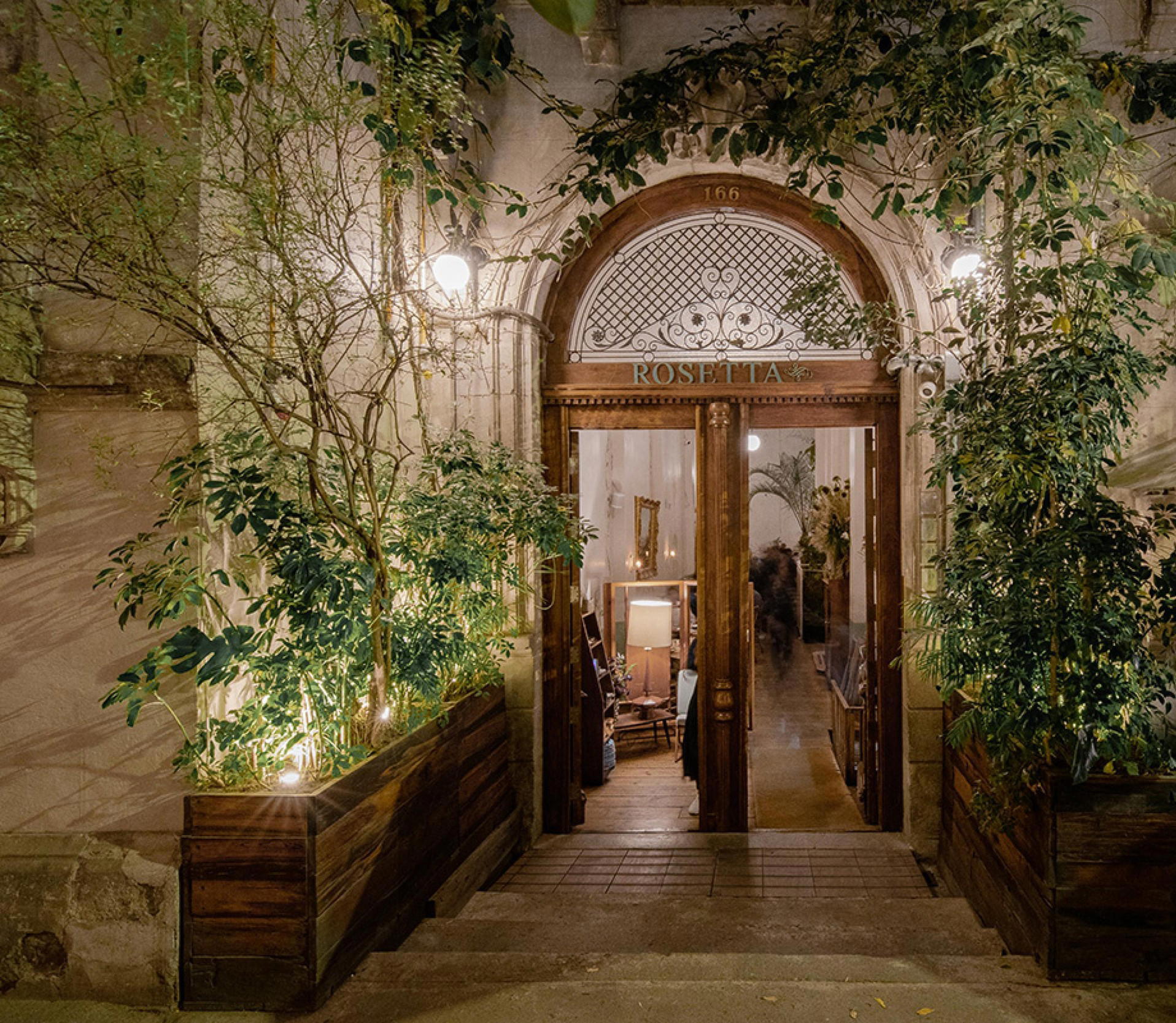
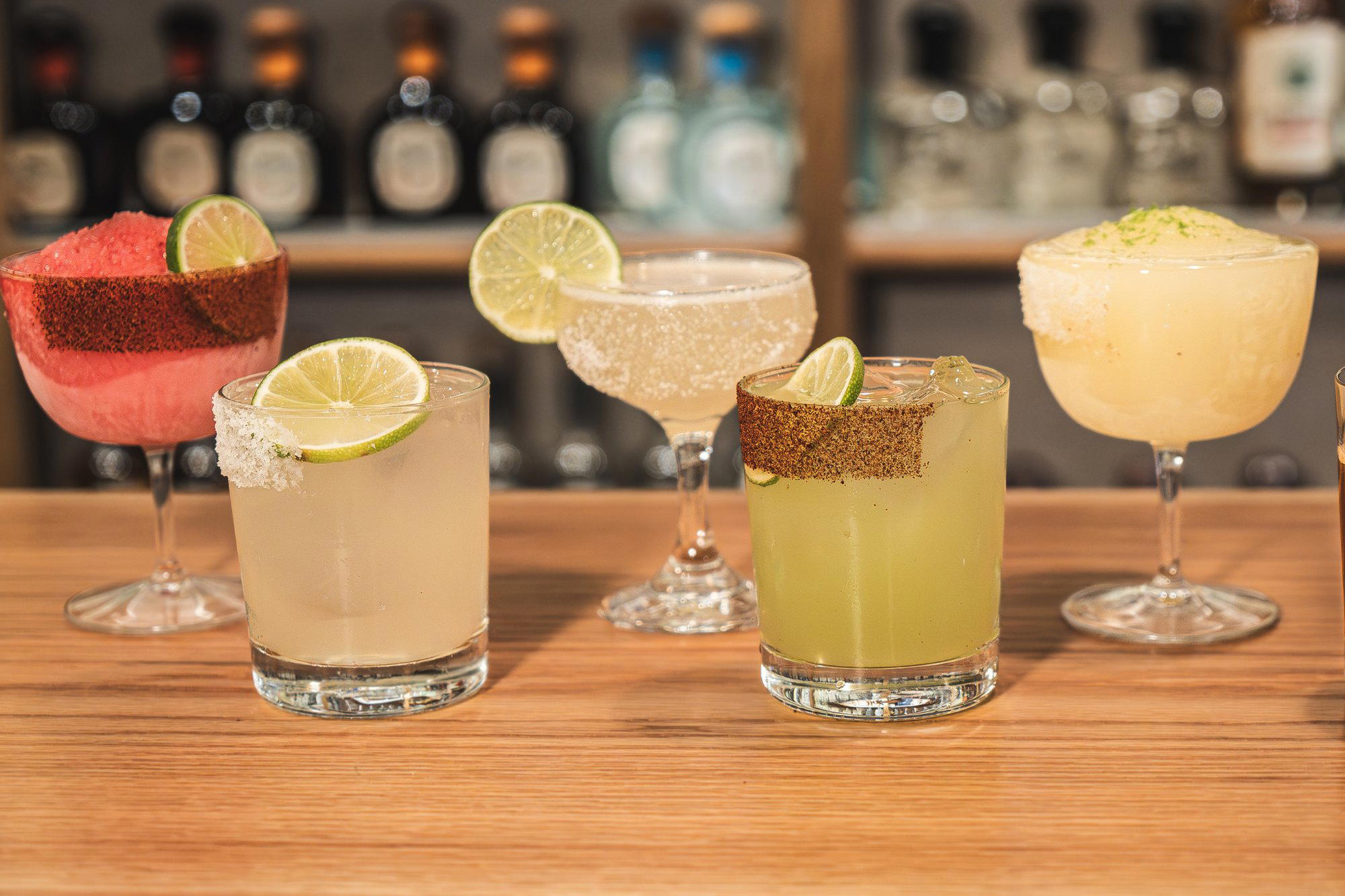
Restaurants in Mexico City
Browse all →
At a Glance
- Cozy
- Intimate
- Trendy
- Date Night
- Casual Hangout
- Standalone
- Seated Bar
- Lounge Seating
- Conventional Wine
- Mezcal
Current opening hours
- Monday
- 5–11 PM
- Tuesday
- Closed
- Wednesday
- 5–11 PM
- Thursday
- 5 PM–12 AM
- Friday
- 5 PM–12 AM
- Saturday
- 10 AM–12 AM
- Sunday
- 10 AM–9 PM
Hours can change for holidays and private events. Last verified .
Relaxed, unfussy, and personal atmosphere ideal for sharing wine and small plates.
Know Before You Go
- Getting there
- Zacatecas 126, Roma Nte., Cuauhtémoc, 06700 Ciudad de México, CDMX, Mexico