Shintaro Sushi and Japanese Restaurant
Shintaro Sushi and Japanese Restaurant, on Highland Avenue in Los Angeles, operates in a city where Japanese dining spans everything from conveyor-belt casual to multi-course omakase. The restaurant sits within that range as a neighbourhood-accessible Japanese option, with sushi as its anchor. For visitors and locals weighing the Hollywood-adjacent dining corridor, it represents a practical entry point into the area's Japanese dining circuit.
 Discover on Pearl
Pearl is the En Primeur Club membership app — saves, bookings, and concierge access live there. Same editors, same standards.
- Address
- 1900 Highland Ave #5, Los Angeles, CA 90068
- Phone
- +1 323 882 6524
- Website
- shintarosushi.com
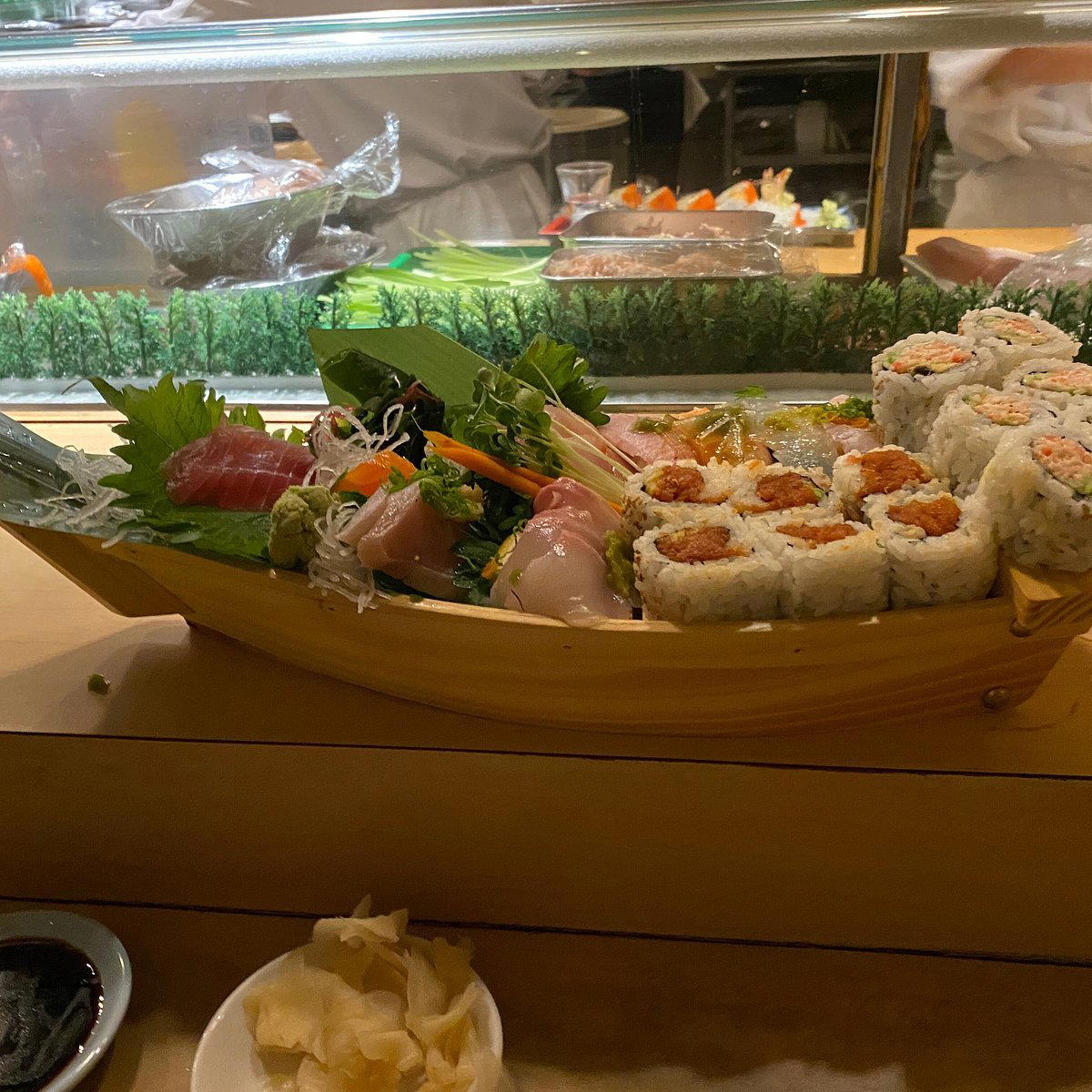
Where Japanese Dining Meets the Hollywood Corridor
Los Angeles has one of the most stratified Japanese dining scenes in North America. At one end, a tier of high-commitment omakase counters competes directly with Tokyo pricing, booking months out and seating fewer than a dozen guests. At the other end, a wide band of neighbourhood Japanese restaurants serves sushi and cooked dishes in formats built around accessibility rather than ceremony. Shintaro Sushi and Japanese Restaurant, at 1900 Highland Avenue in Los Angeles, sits within that second tier, occupying a stretch of Highland that functions more as a local dining corridor than a destination dining street.
That positioning matters in a city where the gap between tiers is larger than in most American markets. New York's Japanese dining scene has long bridged the gap with mid-market options that deliver technical credibility without omakase pricing. Los Angeles has historically been more bifurcated, which means neighbourhood Japanese restaurants carry more weight here than they might elsewhere. For the Hollywood Hills and surrounding areas, where the density of high-end dining options is lower than in West Hollywood or Downtown, a reliable sushi anchor serves a specific and consistent demand.
The Craft Behind the Counter
Across the wider Los Angeles Japanese dining circuit, the bartender-and-counter paradigm shapes how guests experience the meal. In Japanese restaurants anchored by sushi, the figure behind the bar, whether called a sushi chef or itamae, functions with something closer to a bartender's sensibility than a back-of-house kitchen role. The work happens in front of the guest. Technique is visible. Timing is negotiated in real time. The leading neighbourhood sushi counters in Los Angeles understand this dynamic and train accordingly, producing staff who can read a table, adjust pacing, and offer guidance without being prescriptive.
This hospitality model, where the counter professional is simultaneously technician, host, and pacing guide, has become a marker of quality across the city's Japanese mid-market. Bars like Kumiko in Chicago and Bar Leather Apron in Honolulu have built their reputations on precisely this counter-hospitality discipline in their respective categories. In Los Angeles, the equivalents in the Japanese dining space are restaurants where the sushi bar is treated as a stage for interaction, not merely a production surface. Where Shintaro sits within that spectrum is leading assessed in person, given the limited available data on its current programming.
Los Angeles Japanese Dining: Reading the Competitive Set
To understand any neighbourhood Japanese restaurant in Los Angeles, it helps to map the broader category. At the recognised best of the market, counters with Michelin recognition or affiliations through the Japan-trained chef pipeline price evening experiences at several hundred dollars per person and require forward booking measured in weeks or months. That tier is concentrated in West LA, Beverly Hills, and parts of the SGV corridor. A secondary tier, which includes well-regarded neighbourhood operations with consistent local followings, operates across the city at prices that reflect walk-in or same-week availability. Shintaro's Highland Avenue address places it in reach of Hollywood Hills residents, visitors staying near the Hollywood Bowl, and the broader mid-city population that treats this stretch of Highland as a practical dining resource.
Within that peer set, comparison is useful. Venues like Mirate, Bar Next Door, Death & Co (Los Angeles), and Standard Bar represent different nodes in Los Angeles's wider hospitality circuit, each with distinct format disciplines. Shintaro's specific competitive position within the Japanese dining subset of that circuit would depend on factors, including pricing, counter seat availability, and cooked-dish range, that are not currently documented in public records. That absence of data is itself a signal: the restaurant operates without the press machinery that surrounds destination dining, which is consistent with a neighbourhood-first positioning.
Japanese Dining Formats Across American Cities
The neighbourhood Japanese restaurant format, particularly those anchored by sushi, has shown consistent resilience across American cities even as fine dining formats have fluctuated. In cities as different as New Orleans, Houston, and New York, Japanese dining has demonstrated an ability to anchor neighbourhood dining corridors in ways that other cuisine categories have not. The format works because it spans solo dining, couples, and small groups without friction, and because the sushi counter in particular offers a kind of flexible formality that suits multiple occasions.
Los Angeles benefits from one of the largest Japanese-American communities in the country, concentrated historically in the SGV, Little Tokyo, and the South Bay, which has raised the baseline expectation for Japanese cooking quality across all price points. That pressure is felt even at neighbourhood operations far from the historical concentration zones. A Hollywood Hills sushi restaurant competes not only against its immediate neighbours but against a collective city memory of what good Japanese food tastes like, a standard calibrated by decades of Japanese-American culinary presence.
For parallel perspectives on how counter-craft hospitality operates across different city contexts, the programmes at ABV in San Francisco and The Parlour in Frankfurt on the Main offer instructive comparisons in terms of how technical discipline and guest-facing hospitality reinforce each other at the counter level.
Planning Your Visit
Shintaro is located at 1900 Highland Avenue, Suite 5, Los Angeles, CA 90068. The address places it in the northern stretch of Highland, above the Hollywood Bowl, in an area that functions primarily as a local residential and service corridor. Reservations are recommended, and the restaurant's casual dress code suits an easygoing visit. Hours are Monday through Friday, 11 AM to 3 PM and 5 PM to 11 PM, with Saturday and Sunday service from 5 PM to 11 PM. The address format suggests a small-suite or strip-adjacent configuration rather than a standalone building, which is consistent with the neighbourhood's commercial character.
| Venue | Format | Location | Booking |
|---|---|---|---|
| Shintaro Sushi | Japanese / Sushi | Highland Ave, Hollywood | Confirm directly |
| Peer Neighbourhood Japanese (LA) | Varies: counter / table mix | City-wide | Typically same-week or walk-in |
| Destination Omakase (LA) | Counter, multi-course | West LA / Beverly Hills core | Weeks to months in advance |
Price and Recognition
A compact comparison to help you place this venue among nearby peers.
| Venue | Awards |
|---|---|
| Shintaro Sushi and Japanese RestaurantThis venue — the venue you are viewing | |
| Mirate | World's 50 Best |
| Redbird Bar | |
| Bar Next Door | World's 50 Best |
| Death & Co (Los Angeles) | World's 50 Best |
| Standard Bar | World's 50 Best |
Continue exploring
More in Los Angeles
Bars in Los Angeles
Browse all →
Restaurants in Los Angeles
Browse all →
Hotels in Los Angeles
Browse all →
Wineries in Los Angeles
Browse all →
At a Glance
- Minimalist
- Classic
- Date Night
- Casual Hangout
- Standalone
- Seated Bar
- Sake
Minimalist design with old-world Japanese feel, attentive service, and welcoming atmosphere.