Second Empire Restaurant and Tavern
Second Empire Restaurant and Tavern occupies a late-Victorian mansion on Hillsborough Street, positioning it among Raleigh's longest-standing formal dining addresses. The venue draws a loyal clientele that returns for its combination of architectural character and a dining room that operates at a register well above the city's casual-leaning restaurant scene. Reservations are advisable, particularly for weekend evenings.
 Discover on Pearl
Pearl is the En Primeur Club membership app — saves, bookings, and concierge access live there. Same editors, same standards.
- Address
- 330 Hillsborough St, Raleigh, NC 27603
- Phone
- +1 919 829 3663
- Website
- second-empire.com
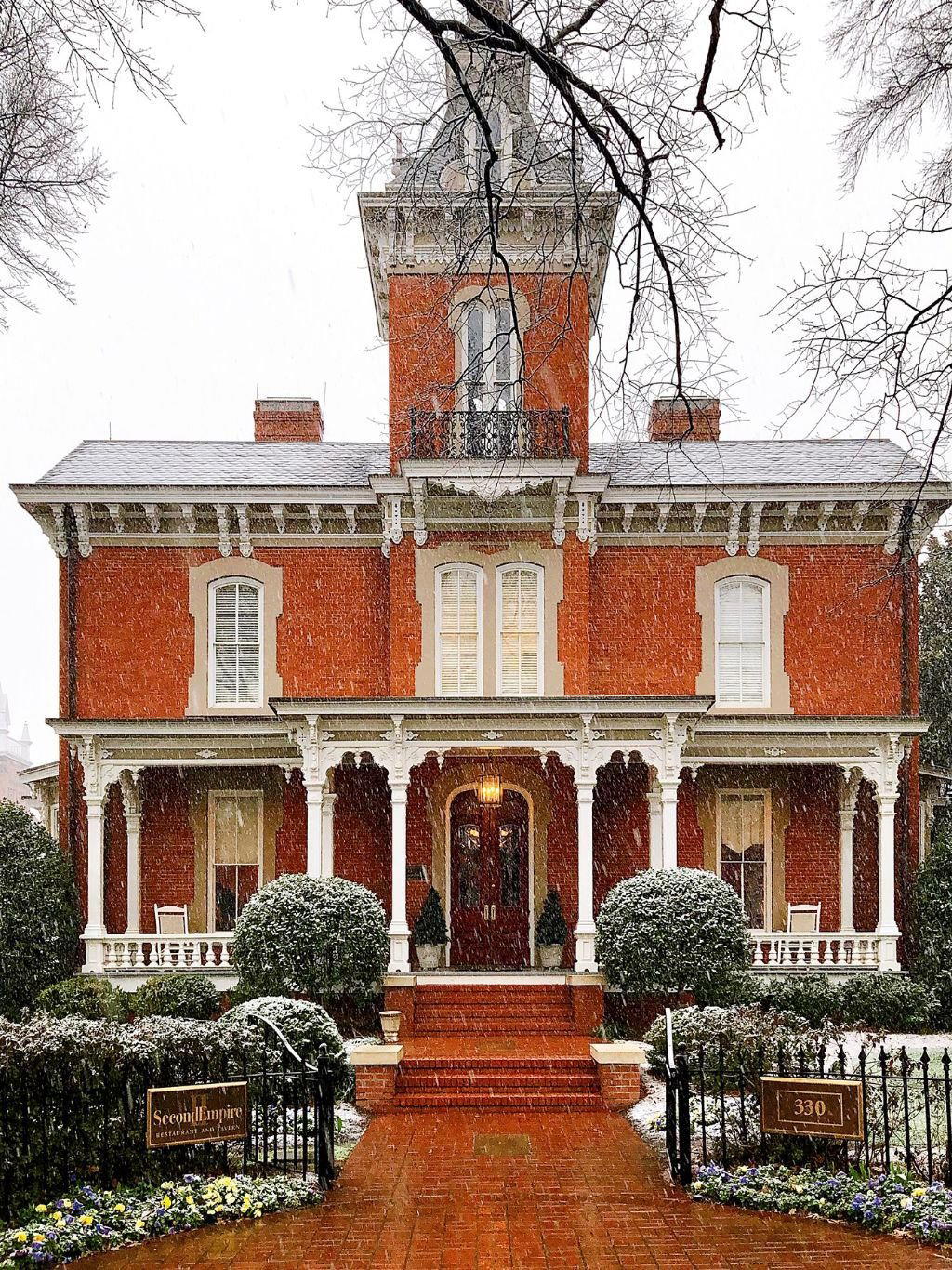
A Victorian Address in a City That Keeps Changing
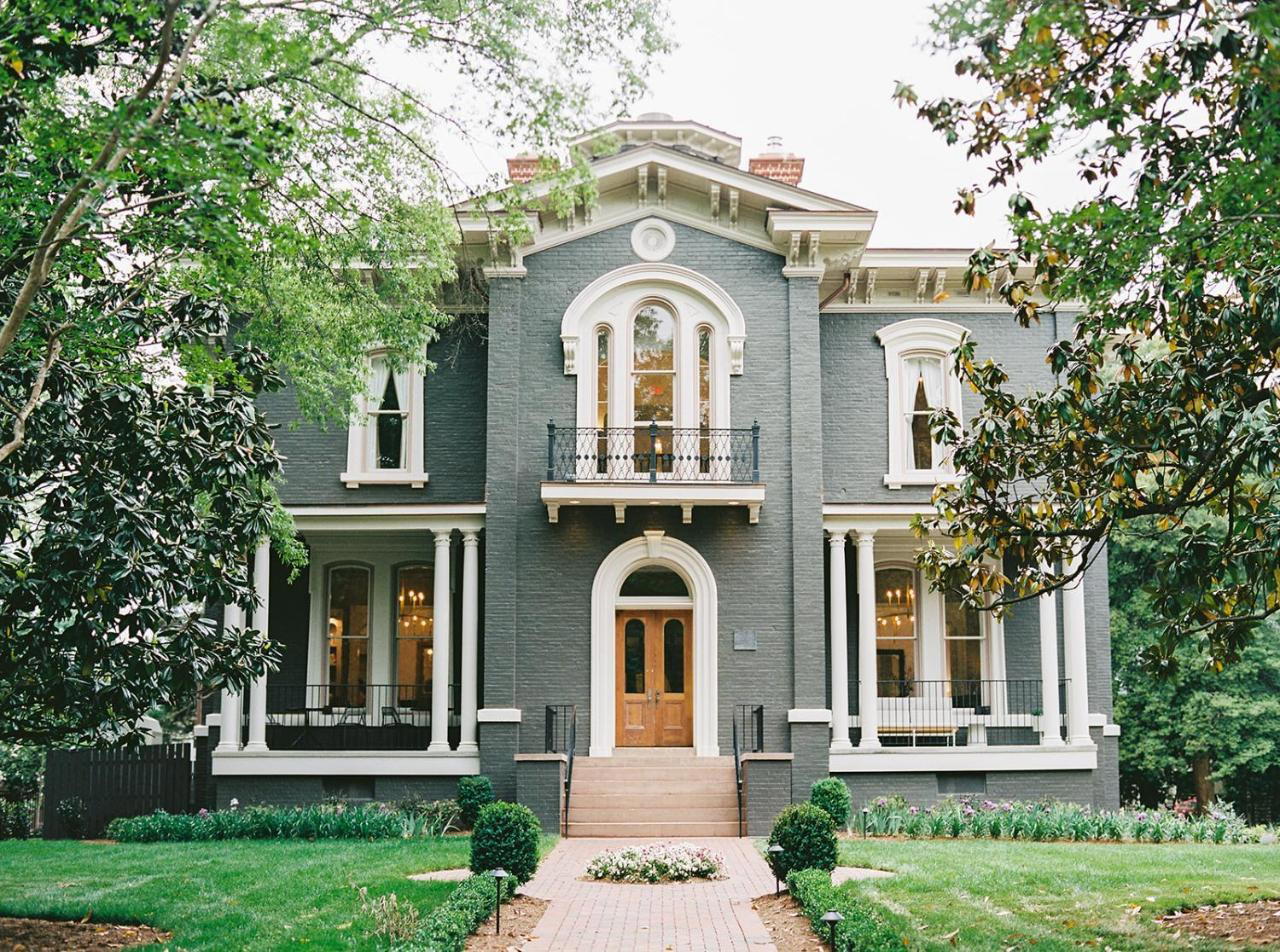
Hillsborough Street in Raleigh has cycled through several identities over the decades, shifting from a corridor of mid-century civic life to a strip shaped heavily by NC State University foot traffic, then gradually back toward a more mixed-use, dining-oriented character. Against that backdrop, the Dodd-Hinsdale House at 330 Hillsborough St has held its ground. The Second Empire architectural style that gives the restaurant its name, with its distinctive mansard roof and ornate Victorian detailing, reads as a deliberate counter-signal to the low-ceilinged new-build dining rooms that have proliferated across downtown Raleigh in the past fifteen years. Approaching the building, the architecture does real work before you've ordered anything.
That visual promise tends to attract a specific kind of repeat visitor: someone who has made Second Empire Restaurant and Tavern part of a personal ritual. Anniversaries, milestone dinners, the kind of occasion where the room itself is expected to carry some of the weight. This is a dynamic that separates the venue from Raleigh's growing roster of technically accomplished but aesthetically neutral restaurants, and it helps explain why the clientele skews toward loyal regulars rather than the transient audience chasing novelty.
What Keeps the Regulars Coming Back
In most cities, the restaurants that survive decades of shifting dining trends do so by accumulating a core of habitual diners who value continuity over novelty. The menu changes matter less to this group than the constancy of the experience: the room, the service register, the sense that the restaurant has a position and holds it. Second Empire operates in this tradition, occupying the formal end of Raleigh's dining spectrum at a moment when fewer restaurants are willing to do so.
Raleigh's dining scene has moved substantially toward casual formats in the past decade. The arrival of national fast-casual concepts, the proliferation of chef-driven but counter-service venues, and the general casualization of dress codes across the city have left relatively few establishments that maintain a full-service, occasion-oriented format. Second Empire sits in that narrower tier, alongside a handful of other addresses in the Triangle that still operate with tablecloths, a considered wine program, and service staff trained to read a table rather than recite a script. For the city's regular dining population, that positioning is a feature rather than a relic.
Regulars at this kind of restaurant also tend to develop what amounts to an unwritten menu: a set of preferences that don't necessarily appear on the printed card but emerge through repeat visits and accumulated rapport with the front-of-house. The tavern component of the operation, a separate but connected space within the building, gives those regulars a different point of entry. It functions as a more informal access point to the same kitchen and the same address, allowing the venue to serve both the full-occasion dining impulse and the midweek glass-of-wine visit without conflating the two.
The Raleigh Context: Formal Dining's Durable Niche
Nationally, the formal-dining tier has contracted but not collapsed. Cities like Raleigh, which have grown rapidly and absorbed significant corporate and academic population, tend to sustain at least a handful of white-tablecloth addresses that serve as defaults for client entertainment, celebratory dinners, and the kind of occasion where a casual restaurant would feel tonally wrong. That function doesn't require constant reinvention; it requires consistency and a recognizable identity.
What distinguishes the stronger examples of this category, in Raleigh and elsewhere, is the degree to which the physical space reinforces the dining proposition. A Victorian mansion carries a specific set of associations: permanence, ceremony, a sense of occasion rooted in the building rather than constructed through lighting and playlist. This is a different value proposition from the designed-from-scratch ambiance of Raleigh's newer fine-dining entrants, and it appeals to a different motivation in the diner. The regulars who return to Second Empire tend to be buying the building as much as the menu.
For a broader view of where Second Empire fits within Raleigh's dining and drinking scene, the full Raleigh restaurants guide maps the city's key addresses across categories and price points. The contrast between Second Empire's Victorian formality and venues like Ajisai or 13 Tacos and Taps captures something accurate about how wide Raleigh's current dining range actually runs. At the more relaxed end of the Hillsborough Street corridor, 10th and Terrace represents a different access point to the same neighbourhood.
The Cocktail and Wine Question
Regulars at formal American dining rooms of this vintage tend to have strong opinions about the bar program. The tavern format within Second Empire creates space for a cocktail culture that operates somewhat independently from the main dining room's occasion-dining rhythm. Classic American cocktail conventions, the kind of program that pairs naturally with formal dining rather than competing with it, align well with what a Victorian-era building suggests and what its loyal clientele typically expects.
For context on what a serious cocktail program at this tier looks like in other American cities, programs like Jewel of the South in New Orleans, Kumiko in Chicago, and Julep in Houston each represent a version of the historically-grounded bar program that rewards return visits. Internationally, The Parlour in Frankfurt and Bar Leather Apron in Honolulu demonstrate how the format translates across contexts. In Raleigh specifically, Angus Barn is the other long-standing address where regulars have developed a similarly loyal relationship with the bar over decades.
Planning a Visit
Second Empire Restaurant and Tavern is located at 330 Hillsborough Street, a short distance from downtown Raleigh and the NC State campus. The building's profile makes it easy to identify on approach. Reservations are the standard method for the main dining room, particularly on weekends and for large parties; the tavern tends to accommodate walk-in traffic more readily. The occasion-dining positioning means that some guests arrive in business casual or above, though the dress code is not formally enforced in the tavern. For those comparing programs in the current American cocktail scene, ABV in San Francisco and Superbueno in New York City illustrate how different cities are handling the bar-within-restaurant format at the higher end of the market.
At a Glance
- Elegant
- Romantic
- Classic
- Sophisticated
- Intimate
- Date Night
- Special Occasion
- Celebration
- Historic Building
- Lounge Seating
- Booth Seating
- Private Rooms
- Classic Cocktails
- Conventional Wine
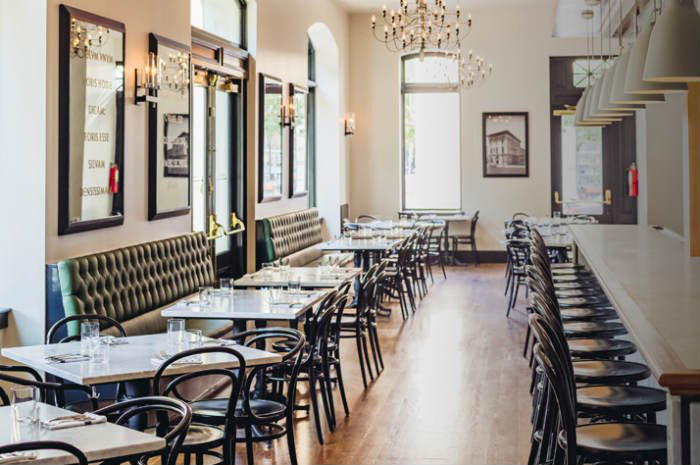
Elegant atmosphere with high ceilings, lowered lighting, soft music, white tablecloths, and historic charm in a beautifully restored mansion.