Google: 4.6 · 144 reviews

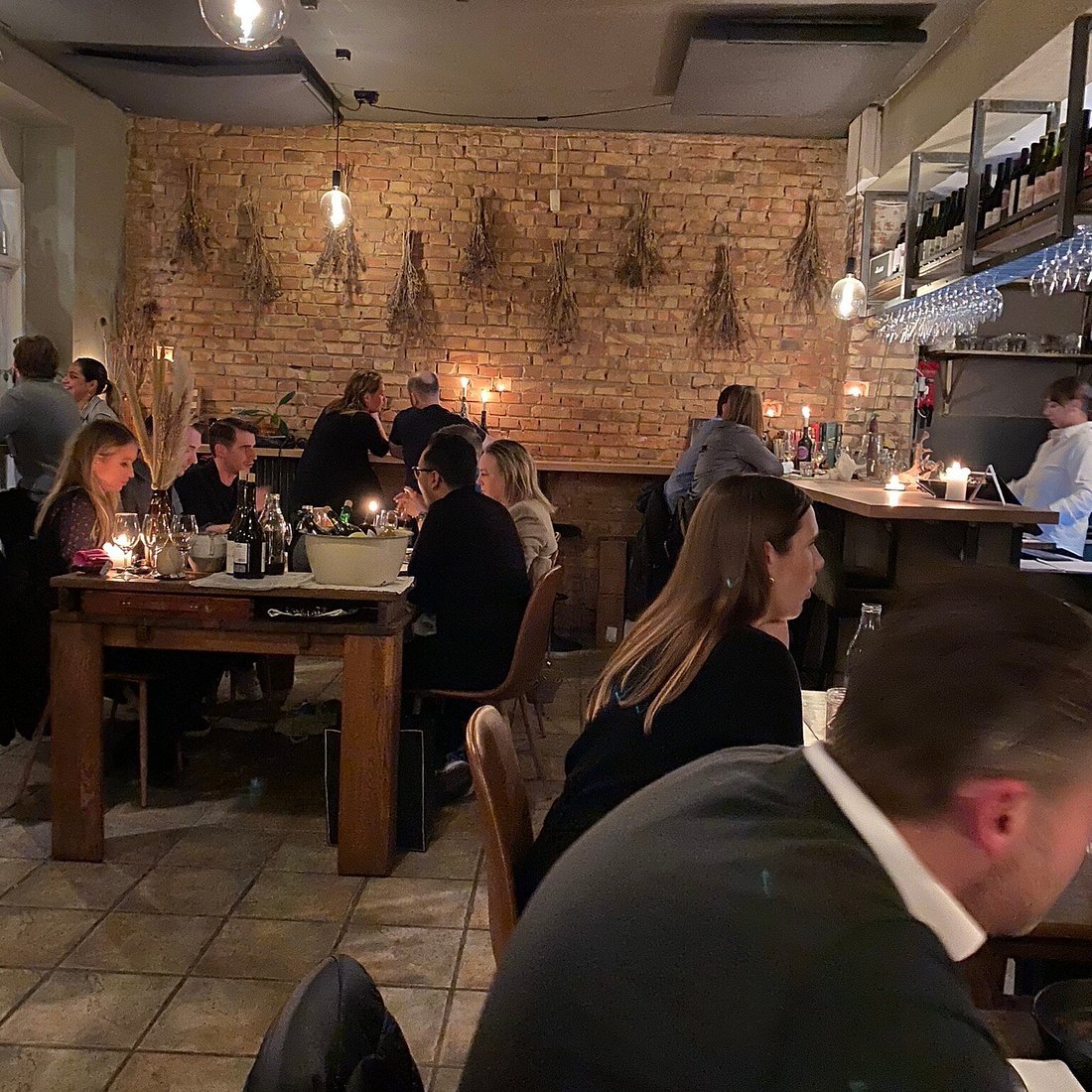
Positioned between Malmö's city centre and the Möllevången neighbourhood, Sauvage occupies a compact, intimate dining room on Spångatan with a direct sightline onto one of the city's liveliest cycling arteries. The restaurant operates in the smaller, characterful end of Malmö's dining scene, where neighbourhood setting and close-quarters atmosphere define the experience as much as what arrives on the plate.
 Discover on Pearl
Pearl is the En Primeur Club membership app — saves, bookings, and concierge access live there. Same editors, same standards.
Where the City Centre Gives Way to Möllan
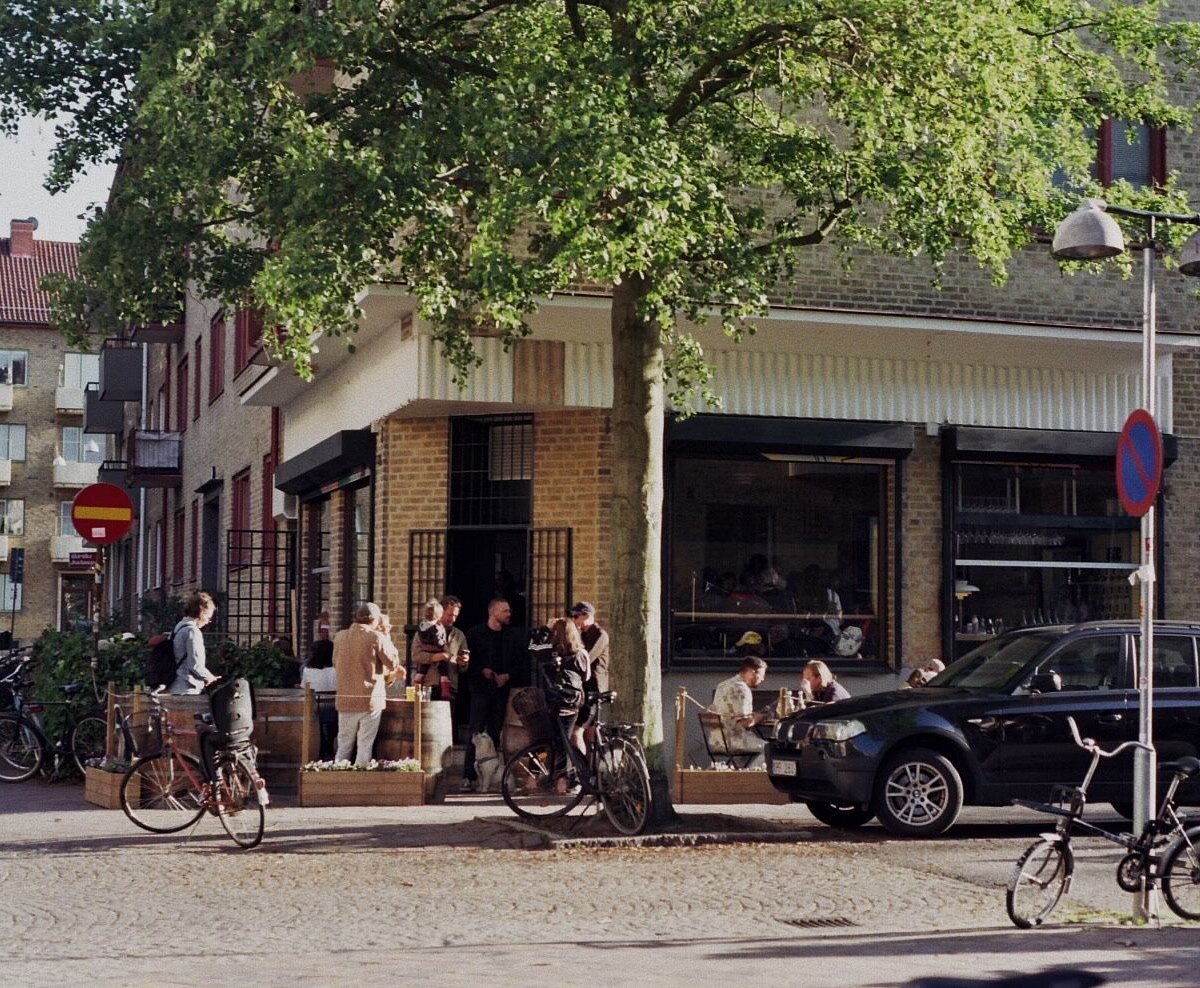
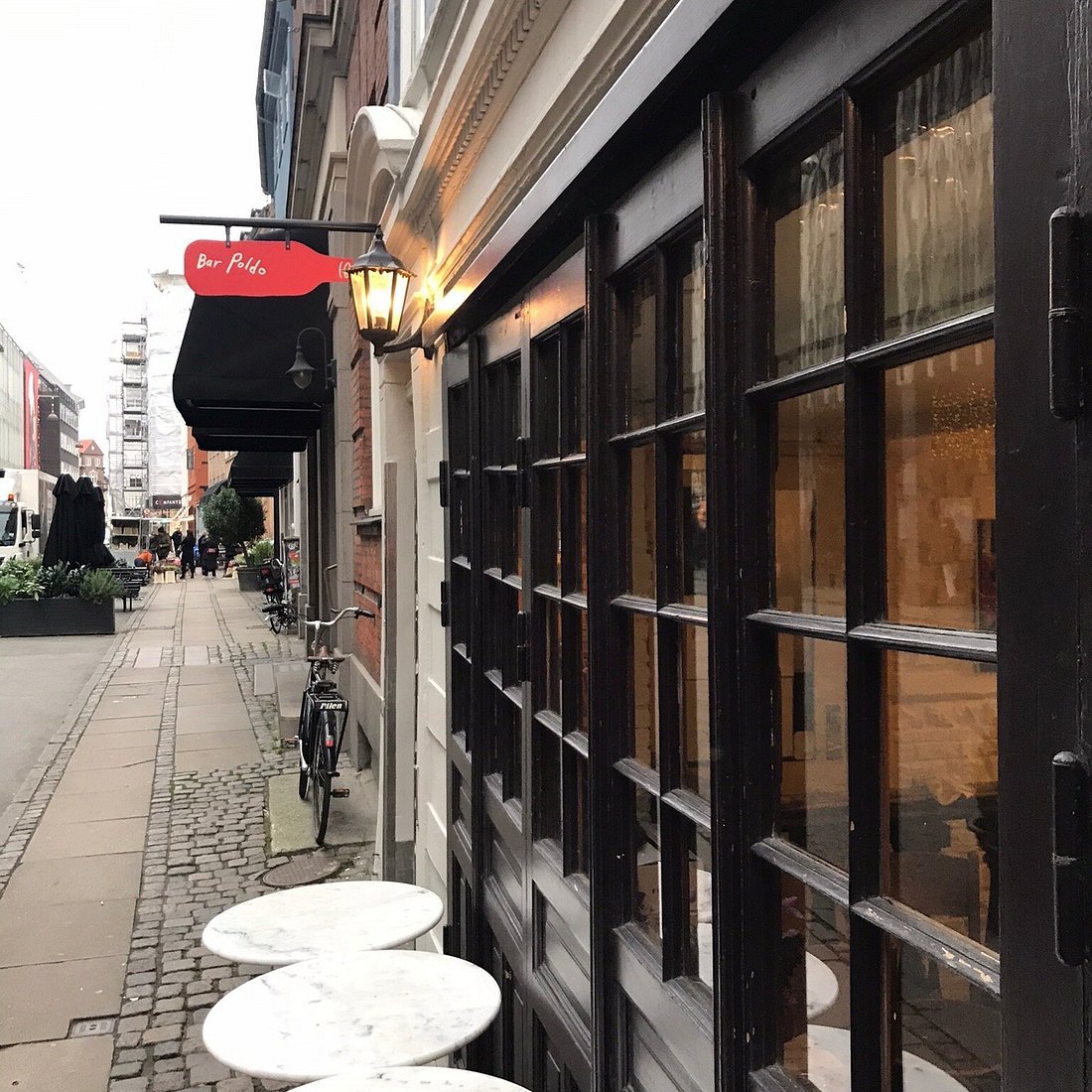
The stretch of Malmö between the polished pedestrian grid of the city centre and the market-square energy of Möllevångstorget is not a dramatic transition, but it is a meaningful one. The further south you move, the more the city relaxes into something less curated: corner grocers, cycling infrastructure built for daily use rather than tourism, and restaurants that answer to neighbourhood regulars before they answer to visiting food writers. Spångatan 32a sits inside that transition zone, and Sauvage reads accordingly. Its front windows face a bike path busy enough on a Friday evening that watching the city move past becomes a passive part of the meal.
This positioning matters because it tells you something about the kind of restaurant Sauvage is. Venues that open in fully gentrified corridors can afford to lean on foot traffic and tourism. Venues that open between districts, in the interstitial city, rely on earned loyalty. The small, intimate format reinforces that orientation: a restaurant at this scale in this location is serving a deliberate constituency, not casting for the widest possible net.
The Möllan Dining Context
Möllevången has been Malmö's most discussed neighbourhood for dining and drinking for the better part of a decade. The square and its surrounding streets concentrate a density of independent restaurants, bars, and late-night options that is unusual even by the standards of other Swedish cities. The comparison with Stockholm's more dispersed independent scene, or with Gothenburg's concentration around Avenyn and Linnégatan, shows Möllan operating on a different logic: compact, walkable, and predominantly local in its audience. A venue like Brogatan or Fir represents the bar side of that neighbourhood ecosystem; Sauvage sits at its dining edge.
What sets the Spångatan location apart from venues directly on the square is the slight remove. Möllevångstorget itself carries the volume and unpredictability of a busy public space. Spångatan, running adjacent rather than fronting the square, offers proximity to that energy without full immersion in it. The bike path view Sauvage commands is not incidental scene-setting: it is a window onto how this part of the city actually moves, which is mostly on two wheels, mostly unhurried, mostly local.
Format and Scale
Small, intimate restaurants in Swedish cities have proliferated in a specific way over the past decade. The format that became common across Stockholm, Gothenburg, and Malmö shares several traits: limited covers, a short menu that rotates with some regularity, a wine list that prioritises producers over brand recognition, and a service model built around the idea that the room itself should feel like a considered space rather than a scalable operation. Sauvage fits that template in its physical character. The intimacy described at this address is structural rather than decorative: a small room changes how a kitchen needs to operate and how a dining room needs to be managed.
For diners arriving from outside the city, the comparison set worth knowing is not the large, internationally recognised Swedish restaurants but rather the cohort of neighbourhood-anchored spots that have defined what independent dining looks like in Sweden's mid-sized cities. Places like Flax and Julie in Malmö operate in overlapping territory. The question with any venue in this category is not whether it is ambitious but whether the format holds its discipline over time: keeping the room small, keeping the sourcing honest, not expanding past the point where personal attention becomes impossible.
How to Plan the Visit
Sauvage's address on Spångatan 32a places it within easy reach of the city centre on foot or by the same cycling infrastructure visible from its windows. For visitors staying centrally, the walk into the Möllan corridor takes roughly fifteen minutes and passes through enough of the city's fabric to function as orientation in itself. The neighbourhood rewards arriving early enough to take a turn around Möllevångstorget before sitting down, particularly on a warm evening when the square operates at full capacity.
Given the small format, booking ahead is the practical approach, particularly for Friday and Saturday evenings when the bike path outside reaches the kind of volume the restaurant's description specifically references. Walk-in chances exist earlier in the week and during off-peak hours, but counting on a table without a reservation at a restaurant of this size and neighbourhood standing is optimistic. Contact details are not published here, but the address is fixed and a direct inquiry is the reliable route. For broader Malmö planning, the full Malmö restaurants guide maps the city's dining options across neighbourhoods and formats.
Visitors building a longer southern Sweden itinerary have genuine options in the region. Vyn Restaurant in Östra Nöbbelöv represents a very different register, anchored in rural Skåne rather than an urban neighbourhood. The Koster Islands in Tjärnö take the coastal-Swedish format further north and further out. Sauvage operates in neither of those registers: its reference point is the city block, the regular customer, the Friday evening on a bike path.
Malmö in a Wider Swedish Frame
Malmö's dining scene has developed an identity distinct from Stockholm's without making direct competition its organising principle. Stockholm carries the concentration of internationally reviewed restaurants and the largest concentration of Michelin-starred addresses in Sweden. A venue like Lucy's Flower Shop in Stockholm illustrates what the capital's bar-adjacent dining culture looks like at its more experimental edge. Gothenburg's scene, represented at its hotel-anchored end by Dorsia Hotel and Restaurant, runs on a different axis again.
What Malmö offers, particularly in the Möllan corridor, is a dining culture that is less legible to international ranking systems and more dependent on local circulation. The restaurants that last here last because they become part of how people in the neighbourhood eat, not because they attract review traffic once a year. That is a different kind of durability, and for a visitor who wants to understand a Swedish city through its food rather than its accolades, it is arguably a more useful one.
For drinking around the visit, the concentration of independent bars in the same corridor means the evening does not need to start or end at Sauvage. Ölkaféet in Malmö represents the beer-focused end of that neighbourhood drinking culture. Further afield in Sweden, Ångbryggeriet in Piteå shows what brewery-anchored hospitality looks like at the country's northern edge, a useful contrast to what Malmö's southern, urban, bike-path-adjacent version of independent hospitality looks like. Even internationally, the comparison is instructive: a specialist bar operation like Bar Leather Apron in Honolulu shares the small-format, deliberate-audience logic even across very different contexts.
At a Glance
- Cozy
- Romantic
- Intimate
- Elegant
- Hidden Gem
- Date Night
- Special Occasion
- Group Outing
- Standalone
- Terrace
- Seated Bar
- Lounge Seating
- Outdoor Terrace
- Natural Wine
- Conventional Wine
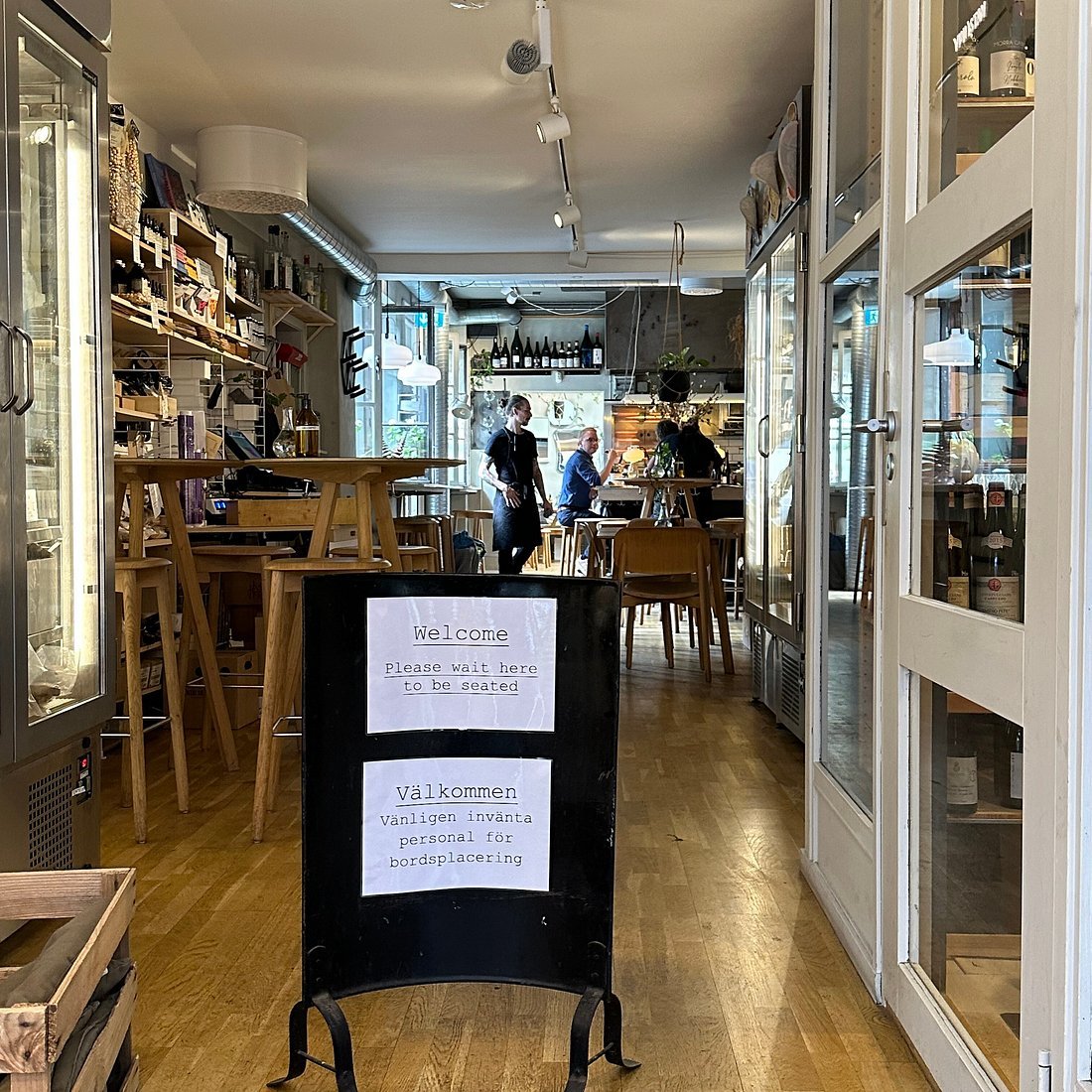
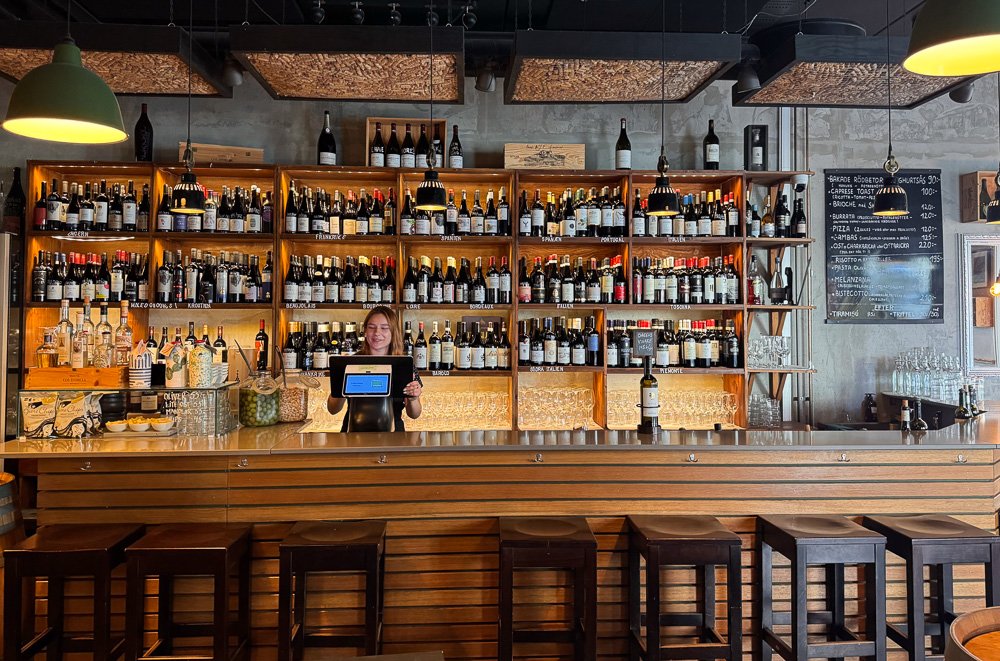
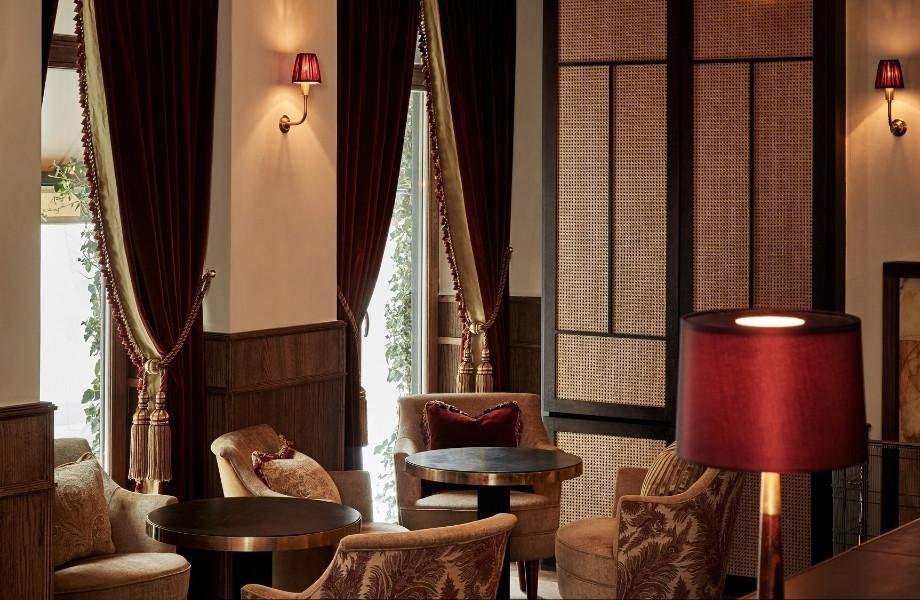
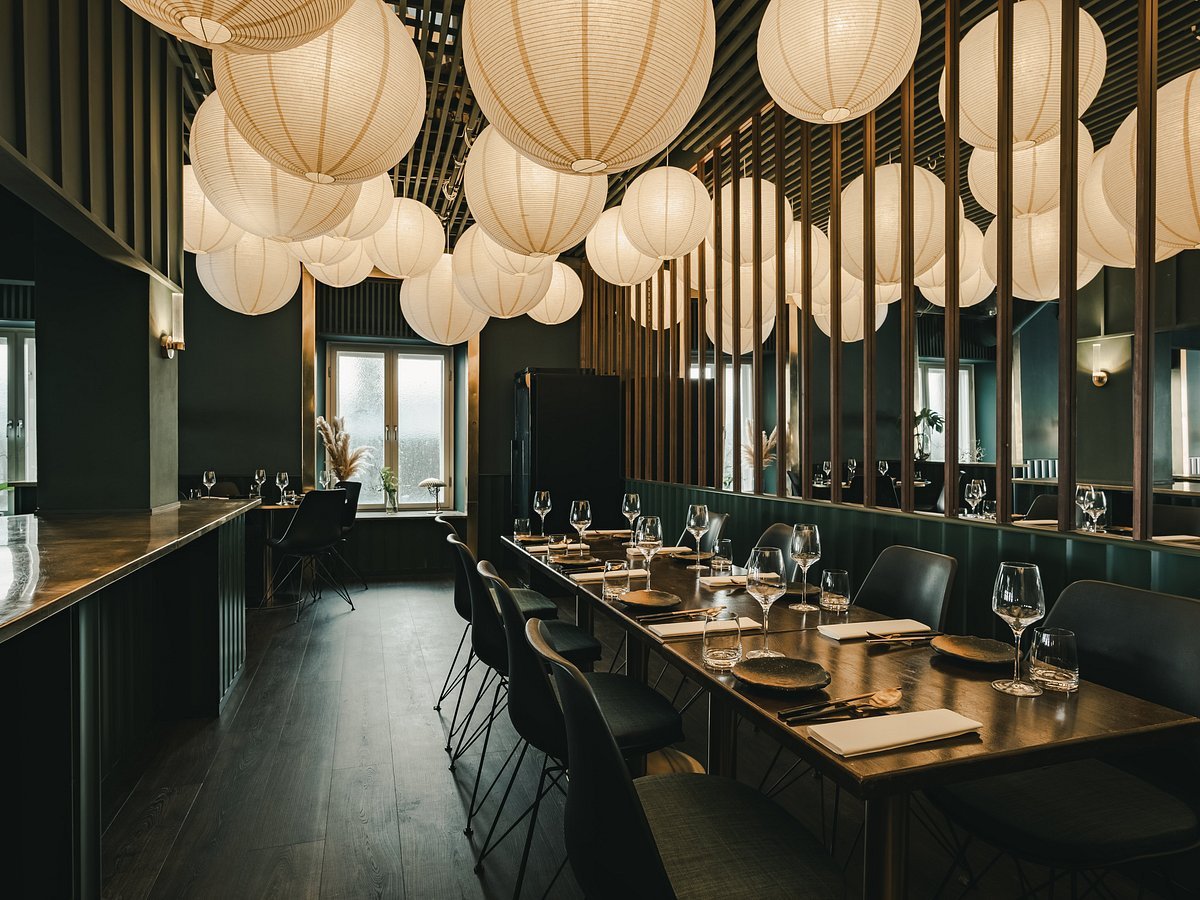
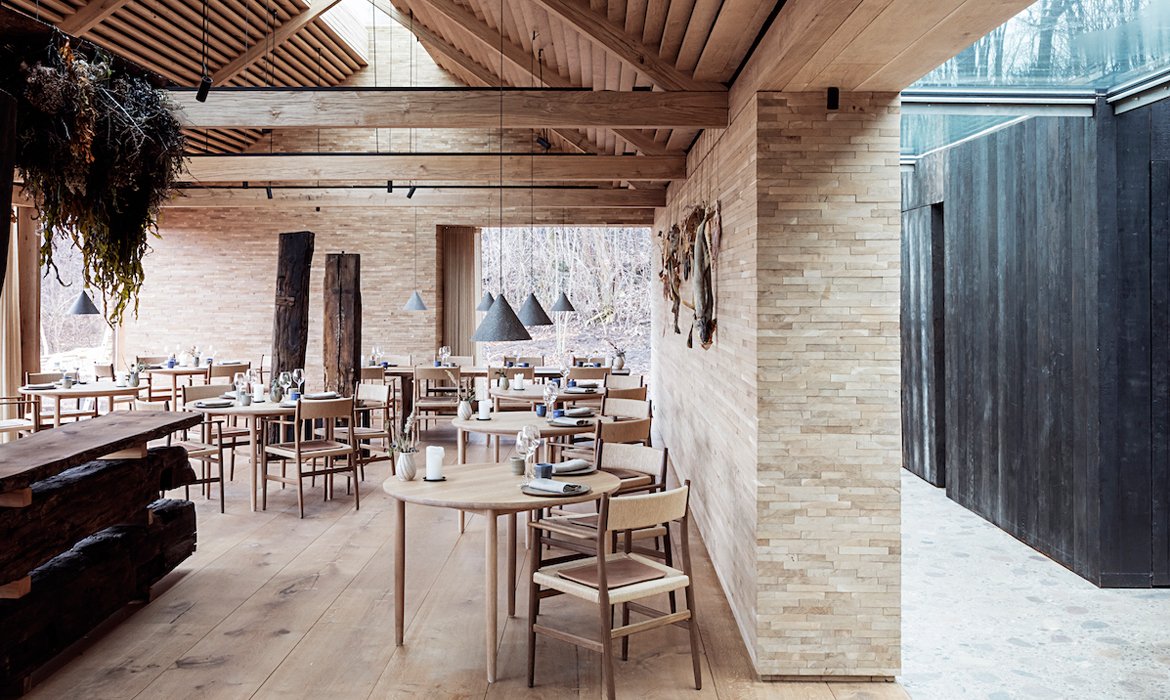
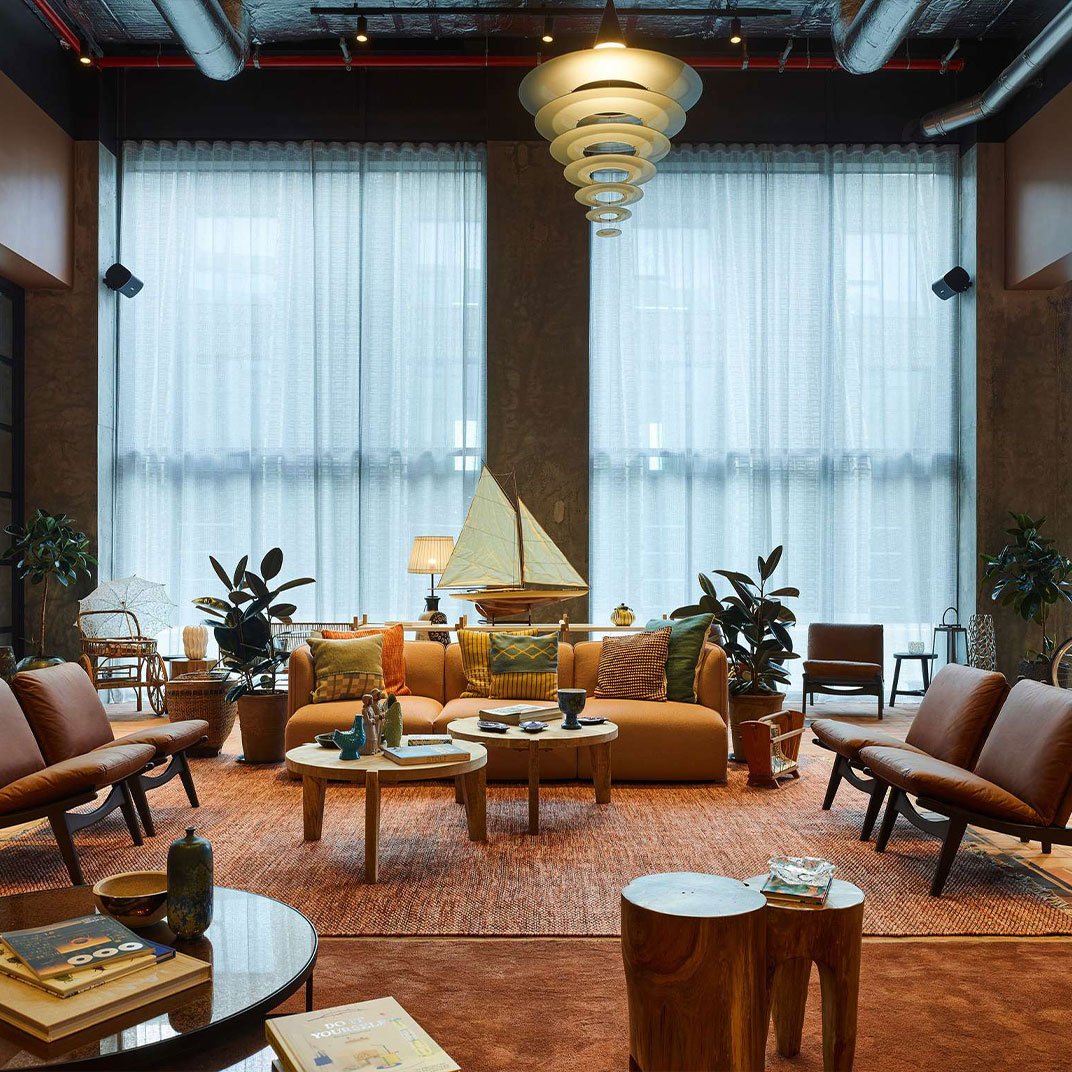
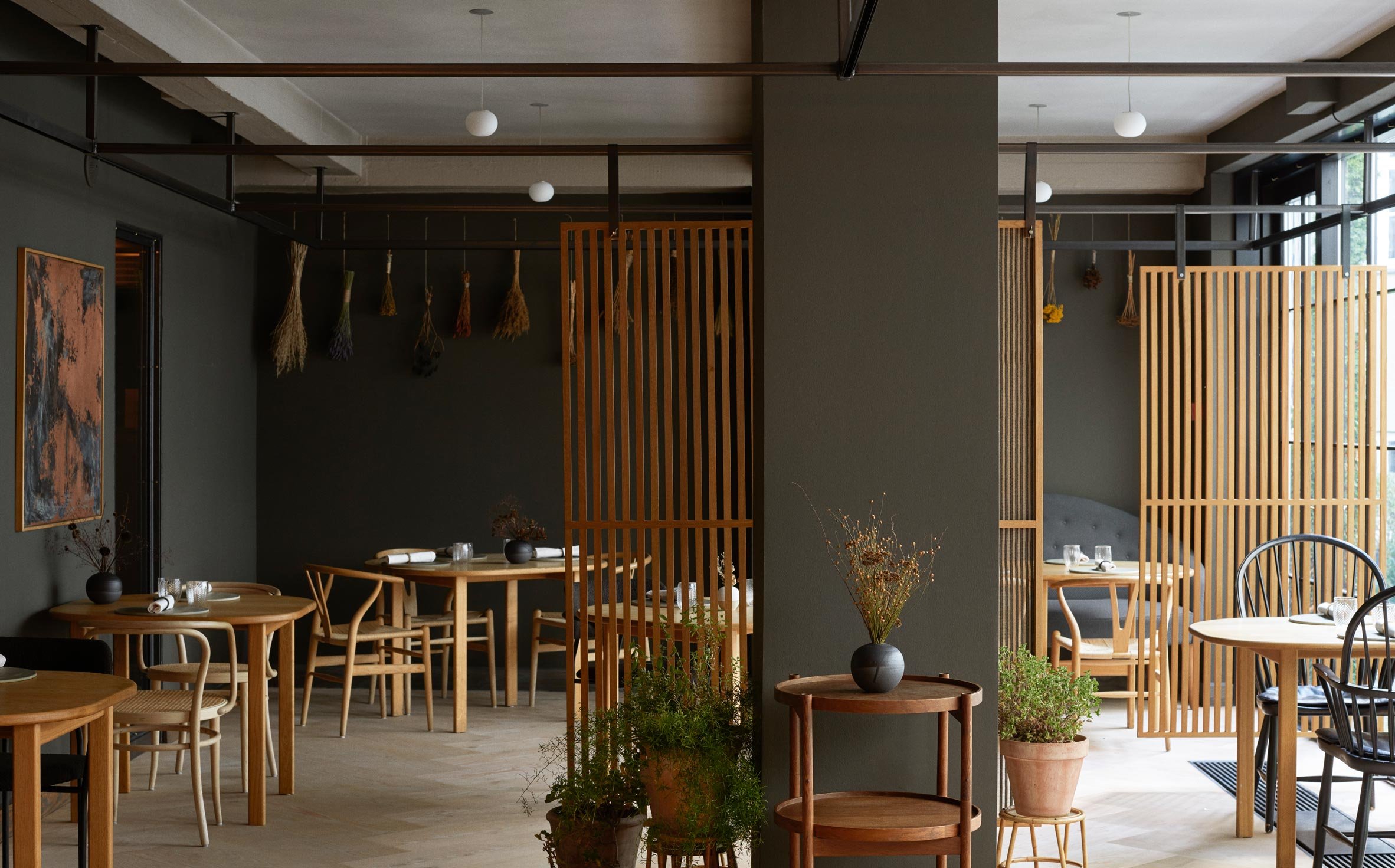
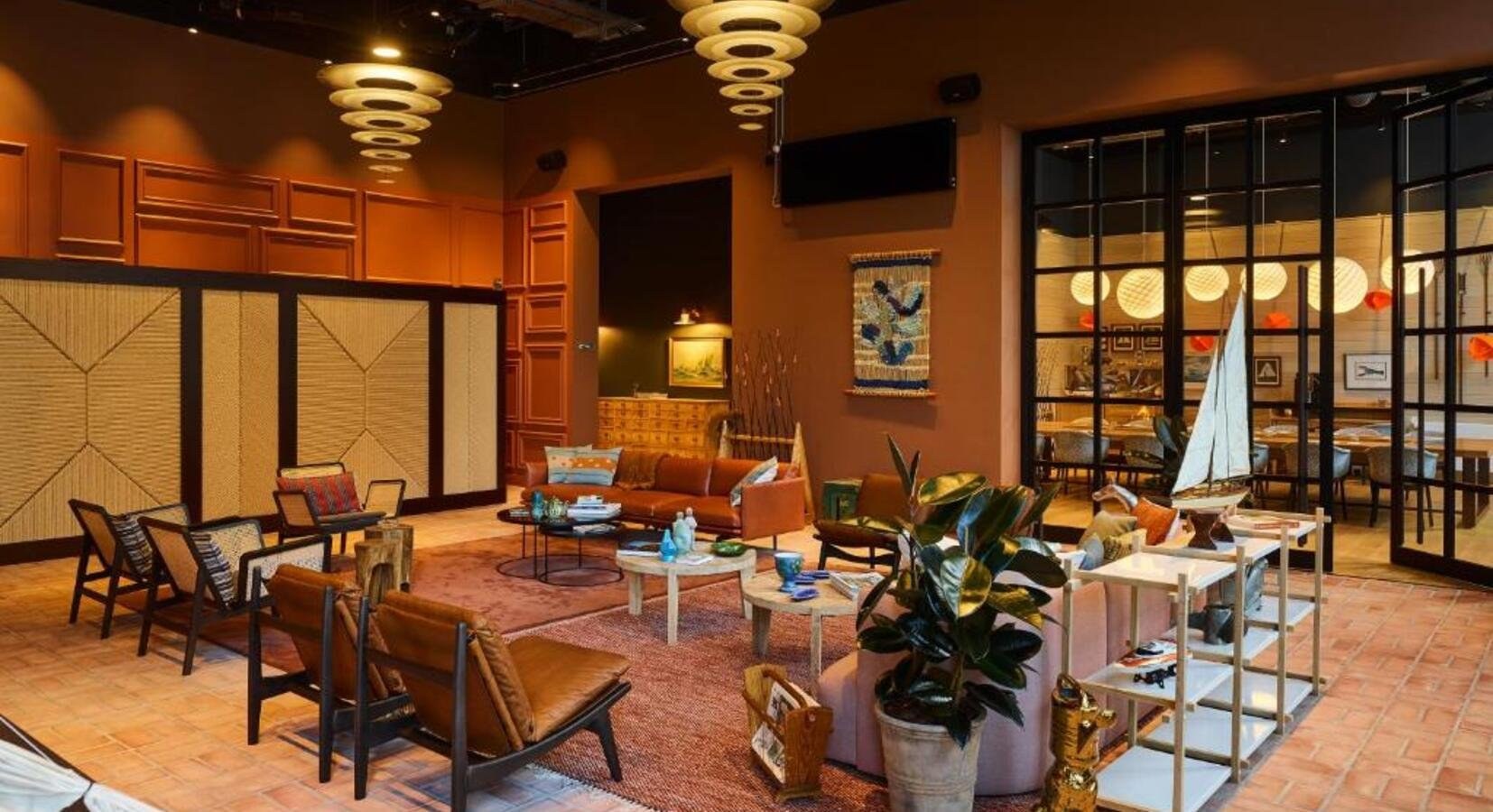
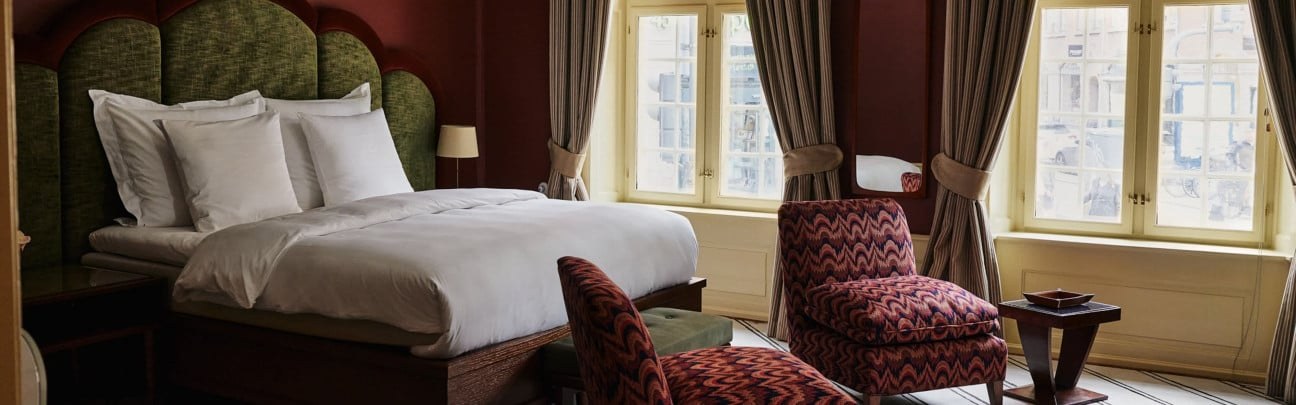
Candlelit wooden interior with a warm, living room-like atmosphere; intimate and rustic with big windows overlooking outdoor seating.