Saga Bar brings Singapore's spice-trade heritage into the glass, building its cocktail program around the regional aromatics and botanical ingredients that have moved through the city's ports for centuries. The approach places it in a growing tier of Singapore bars that treat indigenous Southeast Asian produce as primary material rather than garnish, working with imported technique to produce drinks rooted in place.

Pearl is the En Primeur Club membership app — saves, bookings, and concierge access live there. Same editors, same standards.
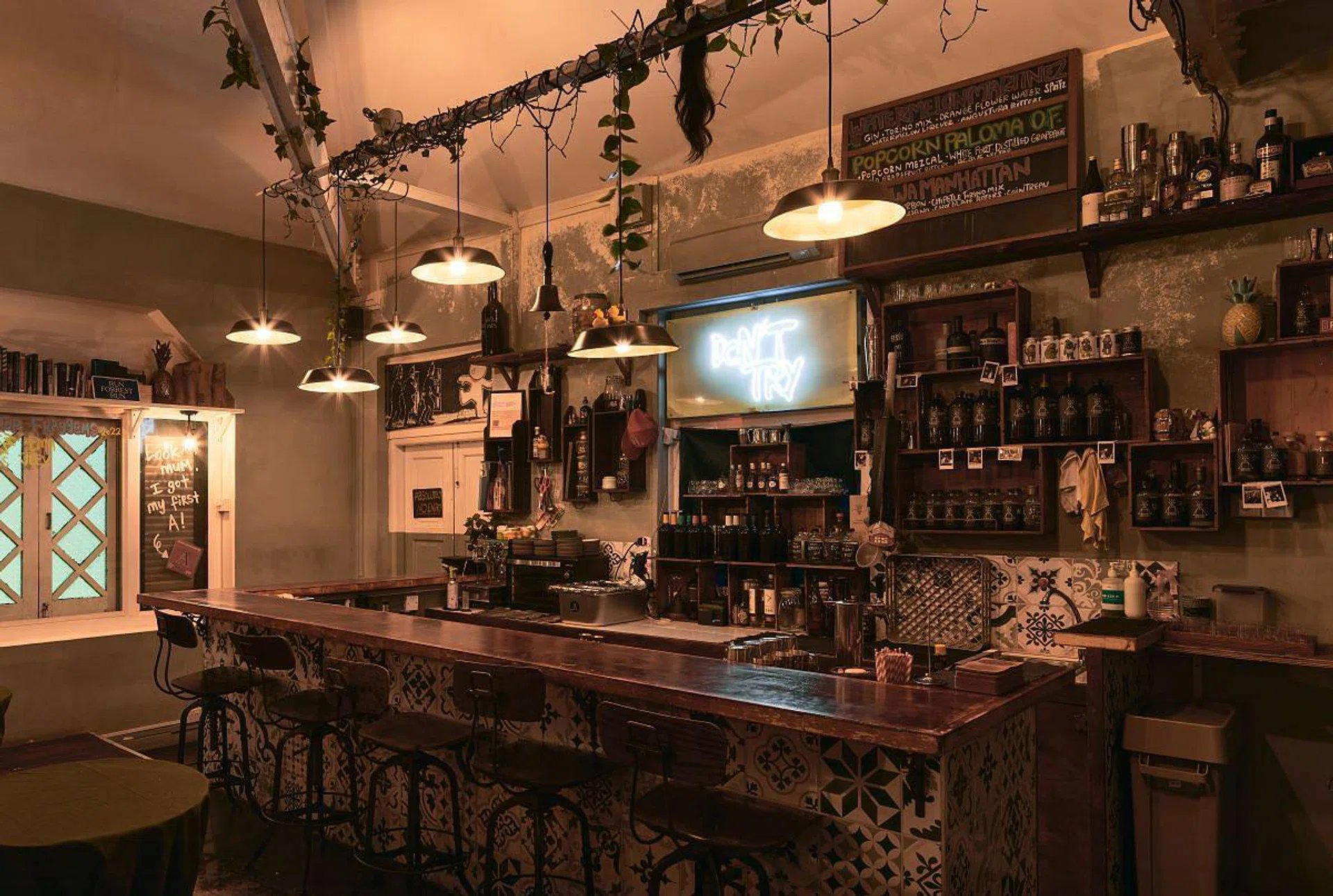
Spice Routes in a Glass: Singapore's Botanical Cocktail Movement
Singapore's position as a historic entrepôt gave it one of the world's most concentrated access points to Southeast Asian botanicals long before the word "botanical" became a cocktail-menu fixture. The city's bars have been slow to translate that geographic advantage into genuine programmatic depth, defaulting for years to Western spirits with token regional garnishes. That pattern has been shifting. A generation of Singapore bars now treats local spice-trade produce as structural ingredients rather than decoration, and Saga Bar belongs firmly in that current. It is a Singapore bar with a smart casual dress code, walk-in friendly service, and an average spend of about US$25 per person.
The cocktail program draws on regional spices and aromas as its primary organising principle, aligning Saga Bar with a broader movement across Asia-Pacific where bar teams are building identity through indigenous ingredient sourcing rather than imported spirit prestige. It is the same logic that defines places like Analogue in Singapore's own scene, and which connects across the Pacific to operations like Bar Leather Apron in Honolulu, where local produce similarly anchors a technically rigorous program.
What the Regional Aromatics Approach Actually Means
The distinction between a bar that uses regional ingredients and one that is genuinely structured around them is not trivial. In the first model, lemongrass or pandan appears as a single-drink flourish, typically to signal local colour. In the second, the ingredient sourcing informs base spirit selection, dilution choices, fat-washing decisions, and the overall flavour architecture of the menu. Saga Bar's stated foundation in regional spices and aromas signals the latter ambition.
Southeast Asia's botanical range is substantial. Galangal, kaffir lime leaf, torch ginger flower, pandan, butterfly pea flower, tamarind, and half a dozen varieties of chilli each carry different aromatic profiles and respond differently to extraction techniques such as sous vide infusion, cold maceration, or distillation. Bars serious about this territory typically develop proprietary extraction processes, since off-the-shelf liqueurs rarely capture the freshness or specificity that direct botanical work produces. The technical demands are closer to fermentation-driven kitchens than to conventional bar programs.
This is where the global technique component becomes material. The methods that allow a bar to work precisely with volatile aromatics, including rotary evaporation, centrifugal clarification, and controlled fermentation, were largely developed in European and North American fine-dining contexts before migrating into premium cocktail practice. Singapore's bar scene has absorbed those techniques faster than most Asian cities, partly because of its openness to talent from elsewhere and partly because of the competitive pressure generated by its sustained presence on the Asia's 50 Best Bars list. 28 HongKong Street, which helped establish Singapore's early claim on international cocktail credibility, built its reputation on exactly this kind of technical seriousness applied to a recognisable format. The bar applies similar discipline to a more explicitly local ingredient vocabulary.
Singapore's Bar Scene: Where Saga Bar Sits
Singapore now has a clearly stratified cocktail scene. At one end are hotel bars with established format and international brand backing, a category that includes Anti:Dote at Fairmont and the gin-focused Atlas, which operates as much as a spirits library as a cocktail destination. At the other end are independent programs with sharper points of view, often built around a single conceptual or ingredient commitment.
The bar occupies the independent, concept-led tier. Its regional-spice focus positions it alongside venues globally that have chosen to treat local botanical identity as a competitive asset rather than a secondary concern. Comparable operations in different cities share this structural logic: Kumiko in Chicago uses Japanese ingredients to organise a Western cocktail format; Jewel of the South in New Orleans grounds its program in Louisiana's own botanical and citrus history; Julep in Houston applies a similar place-specific ingredient logic. The thread connecting these programs is the conviction that sourcing discipline and botanical specificity produce more interesting drinks than technique applied to generic ingredient sets.
Within Singapore specifically, Native remains one prominent point of reference for this approach, having built its entire identity around foraging and fermentation with Southeast Asian materials and earning sustained recognition on Asia's 50 Best Bars in the process. The bar works within the same broader current, with regional aromatics as its stated foundation.
The Broader Geography of Spice-Led Cocktail Programs
The movement toward indigenous botanical cocktail programs is not distinctive to Southeast Asia, though the region's ingredient density gives it particular traction here. Superbueno in New York City applies Latin American botanical logic to contemporary cocktail structure; The Parlour in Frankfurt on the Main and 1806 in Melbourne each demonstrate how bars in different geographies develop distinctive ingredient identities from the materials immediately around them. What Singapore contributes to this conversation is historical density: the city has been a collection and distribution point for some of the world's most commercially significant aromatic plants for more than two centuries. A bar program organised around that legacy has material, not just concept, to work with.
Planning Your Visit
Singapore's independent cocktail bars tend to cluster in specific neighbourhoods, with Chinatown, Tanjong Pagar, and the CBD fringe each hosting distinct bar characters. The city's transport infrastructure means that moving between venues in an evening is practical, which makes the bar a natural addition to an itinerary that includes other Singapore bar stops.
Credentials Lens
Comparable venues nearby, for context on price, style, and recognition.
Continue exploring
More in Singapore
Bars in Singapore
Browse all →
Restaurants in Singapore
Browse all →
At a Glance
- Casual Hangout
- Solo
- Design Destination
- Lounge Seating
- Craft Cocktails
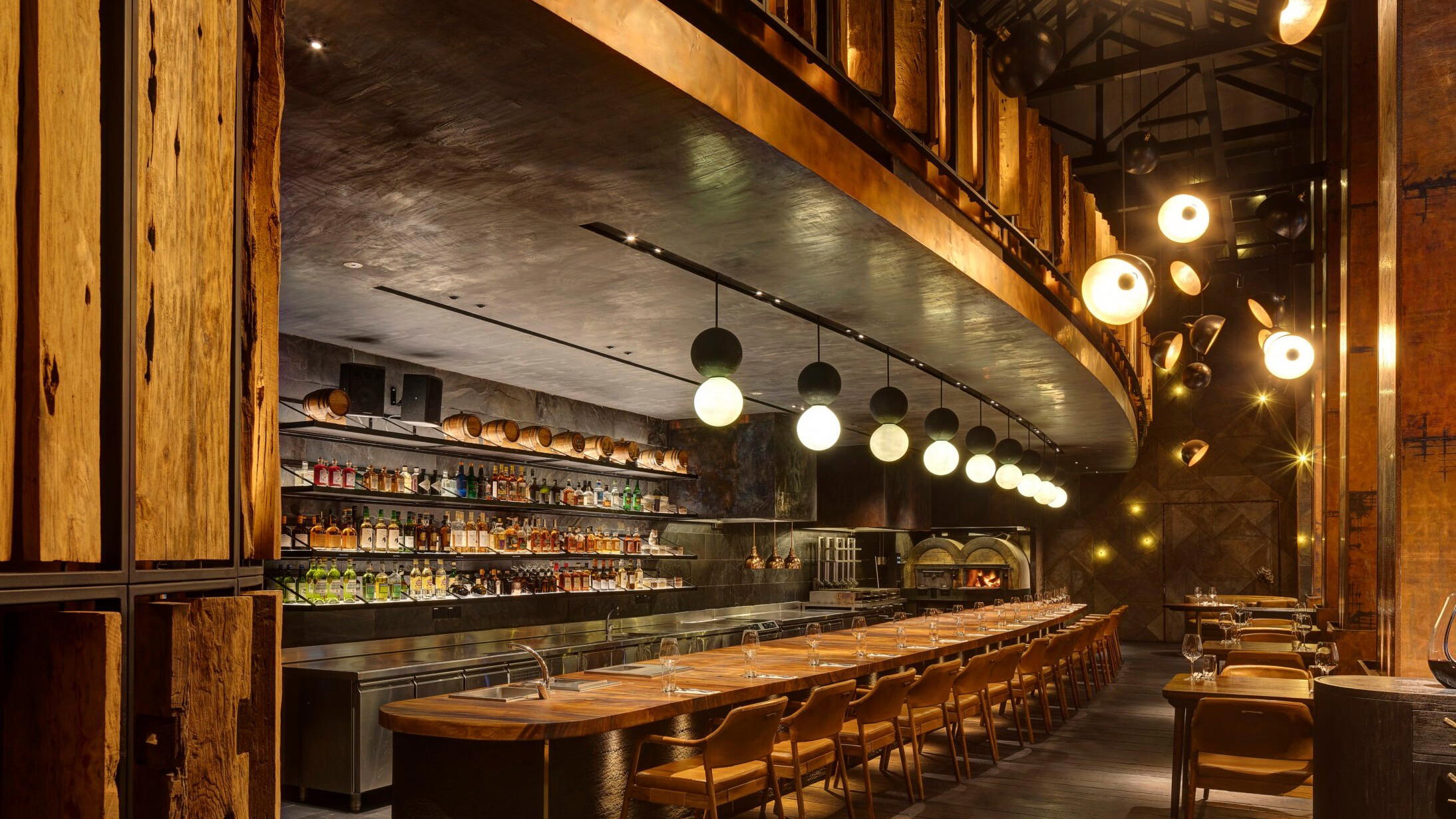
Spacious atmospheric warehouse with warm lighting focused on vinyl listening experience.