Room for Improvement
Room for Improvement occupies a Wharf Street address in Portland, Maine, where the Old Port's working waterfront meets a concentrated bar and dining scene. The name signals the self-aware register that defines the better end of Portland's cocktail culture, where technical ambition and low-key hospitality coexist more comfortably than in most coastal cities of comparable size.
Pearl is the En Primeur Club membership app — saves, bookings, and concierge access live there. Same editors, same standards.
- Address
- 41 Wharf St, Portland, ME 04101
- Website
- roomforimprovement.me
- Directions
- Get directions
 Saves & bookings on Pearl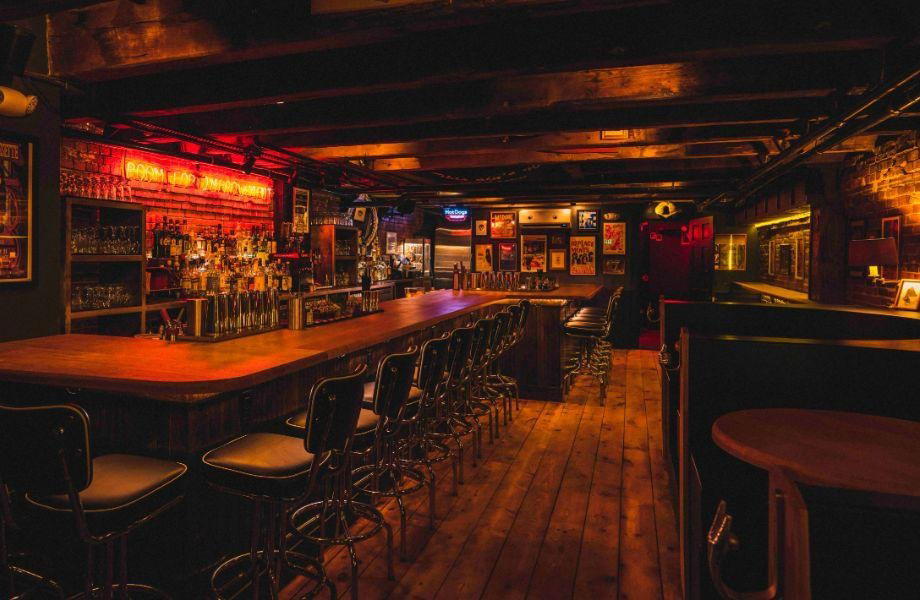
A Bar Shaped by the Wharf
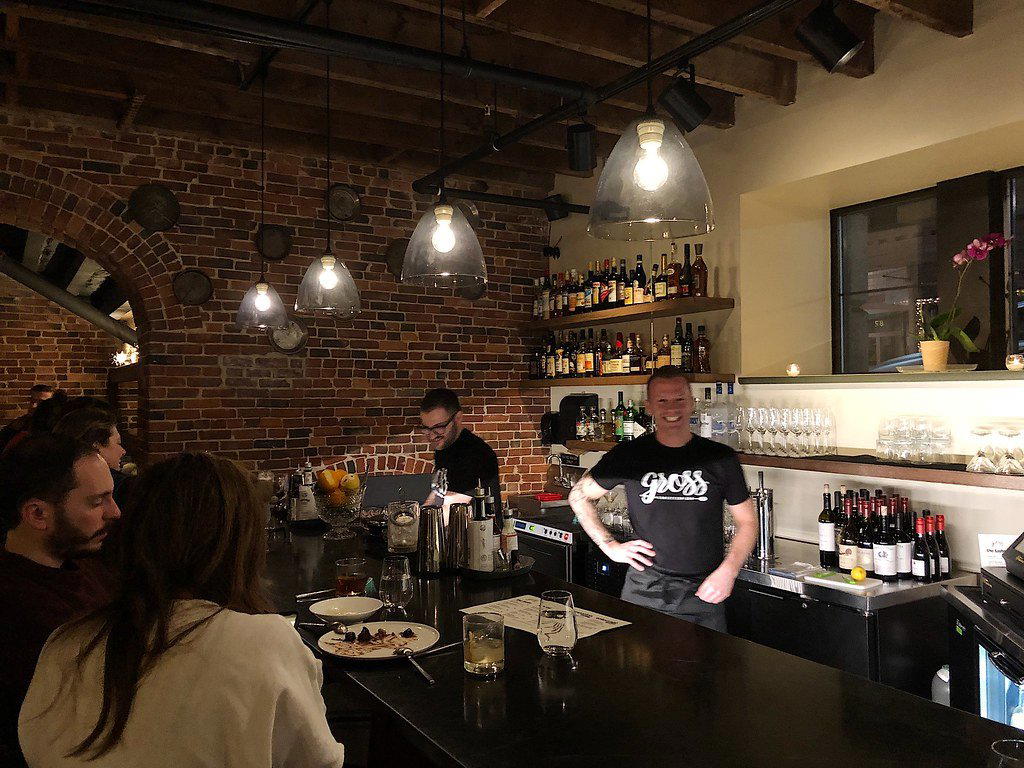
Portland, Maine's waterfront has a particular quality at dusk: the smell of salt air sharpening against the cooler inland breeze, the creak of dock lines, the low light filtering between brick buildings that have stood since the 19th century. Room for Improvement is a bar at 41 Wharf St in Portland, Maine, at the center of the Old Port's compact waterfront street grid. The physical setting does a great deal of work before anyone has ordered a drink.
Portland's bar scene has matured steadily over the past decade, sorting itself into a recognizable tier structure. At one end sit the brewpub-anchored venues, places like 10 Barrel Brewing Portland, where the product and the volume define the room. At the other end are the bars where the room itself is the argument, where the spatial decision-making, the seating arrangement, and the material choices signal a different ambition. Room for Improvement positions itself in the latter category, on a street that carries genuine historical weight and an address that anchors it to the working-harbor identity that defines Portland at its most convincing.
What the Space Is Doing
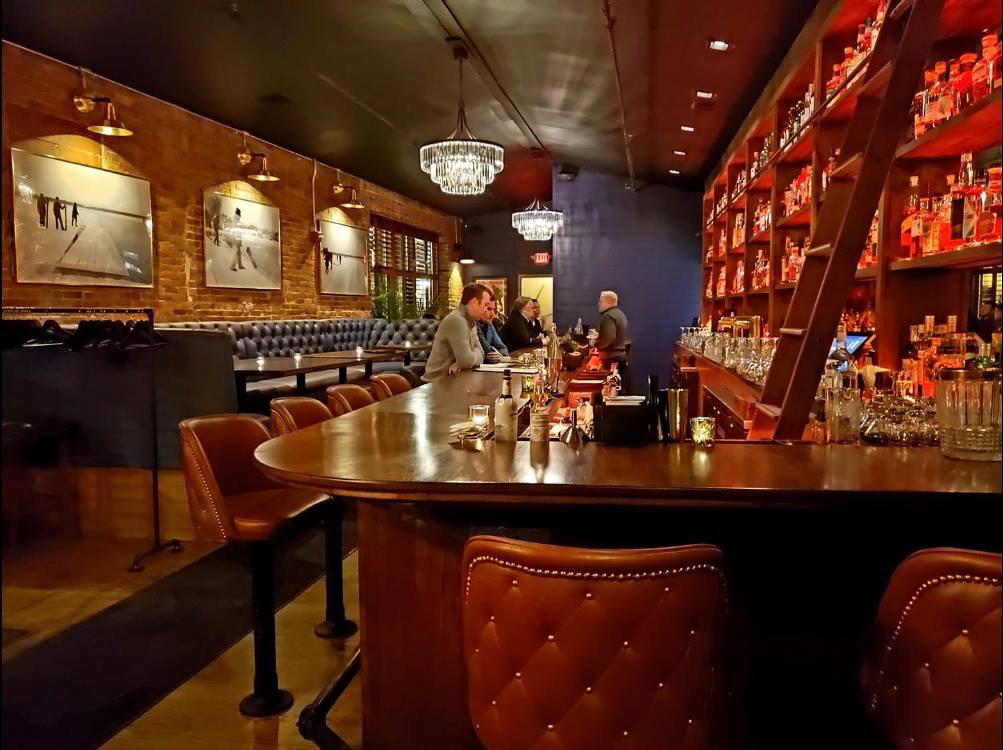
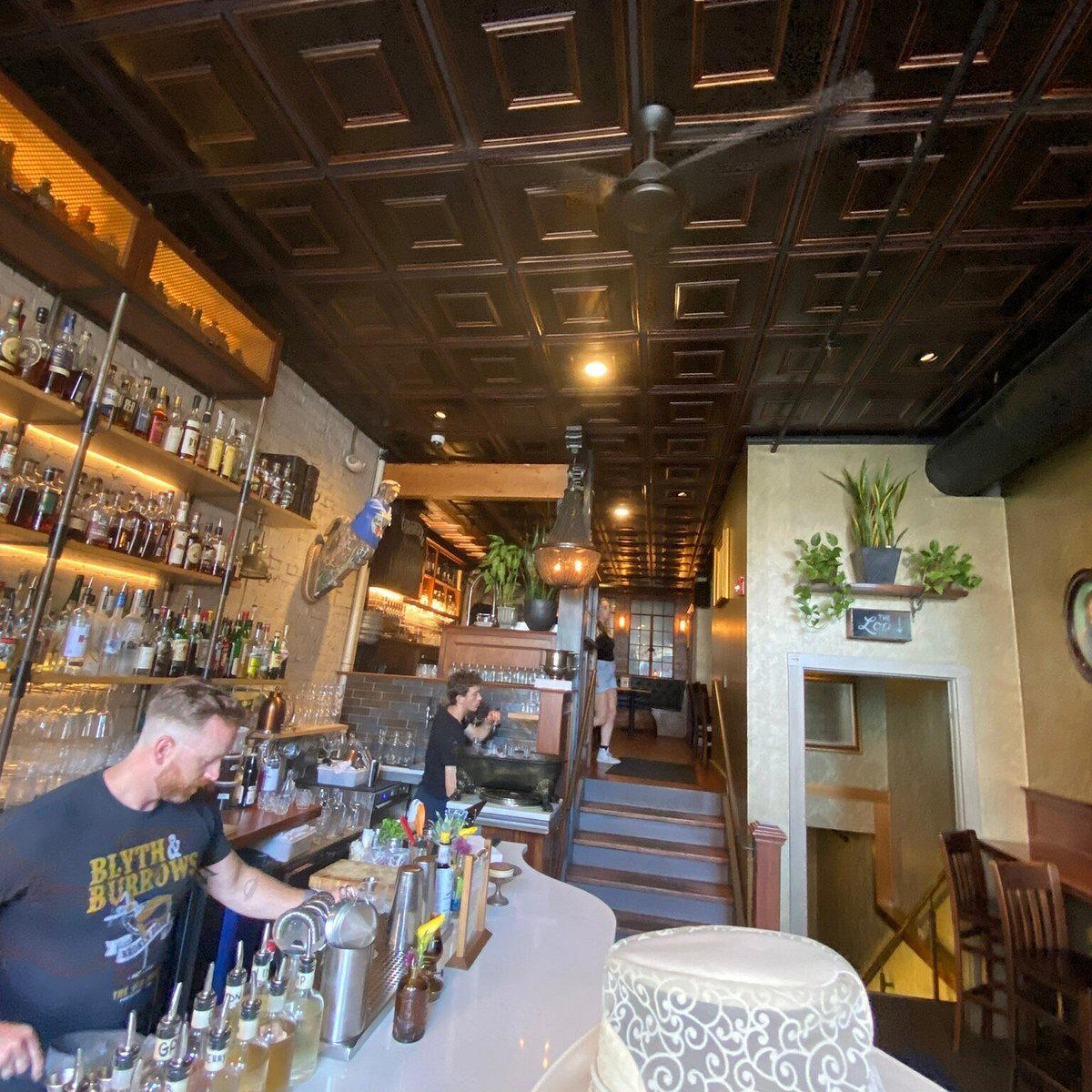
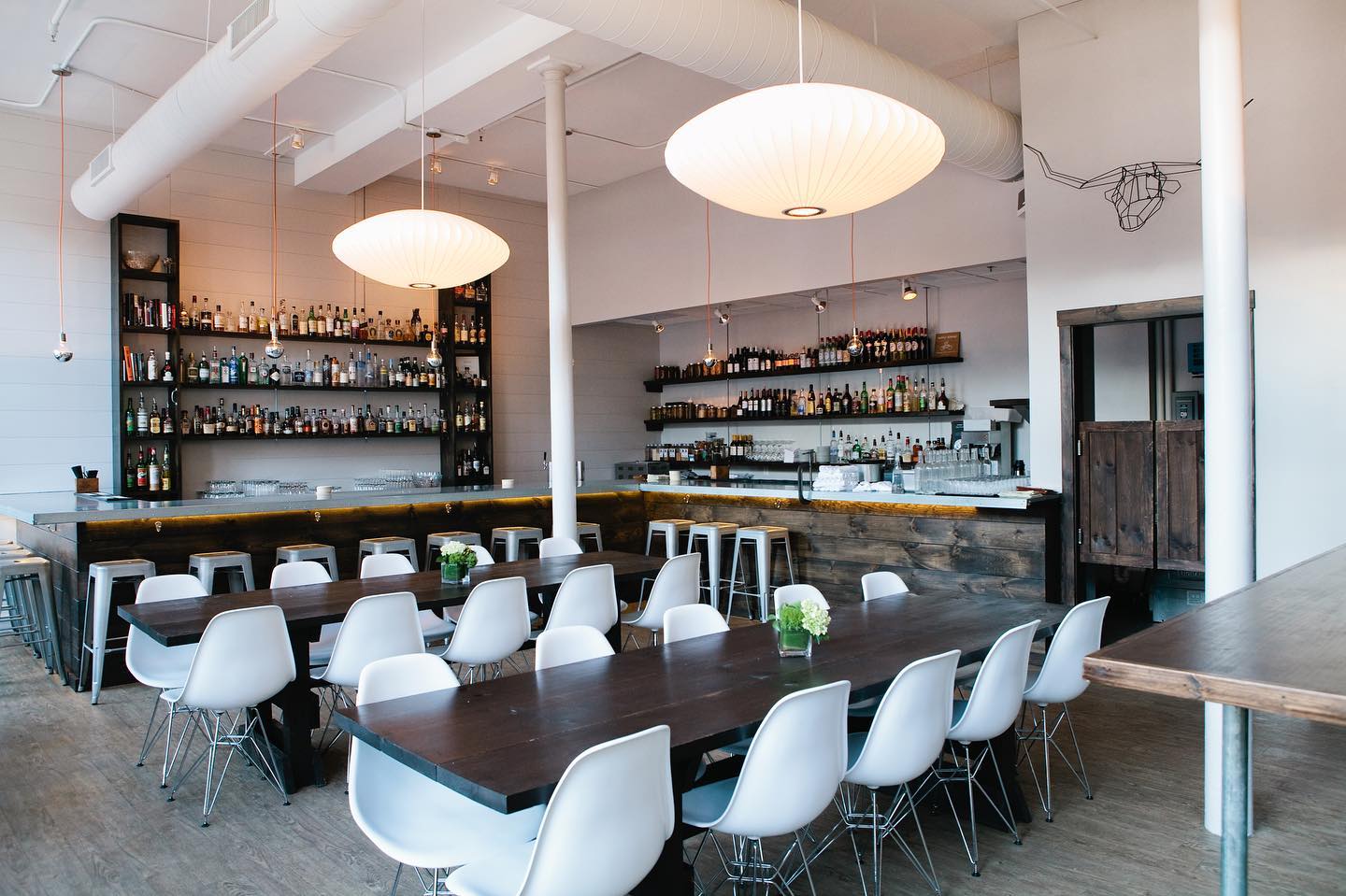
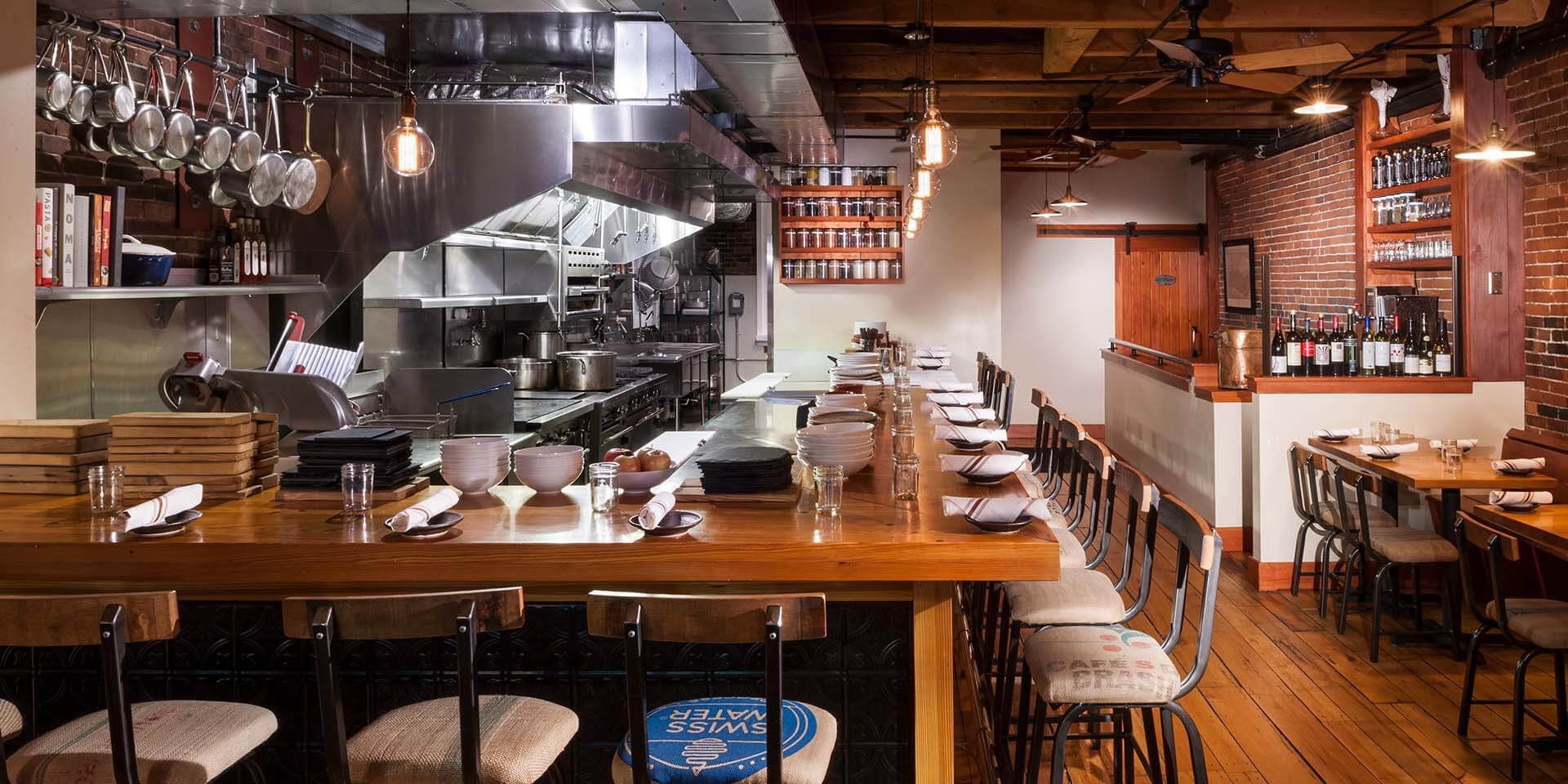
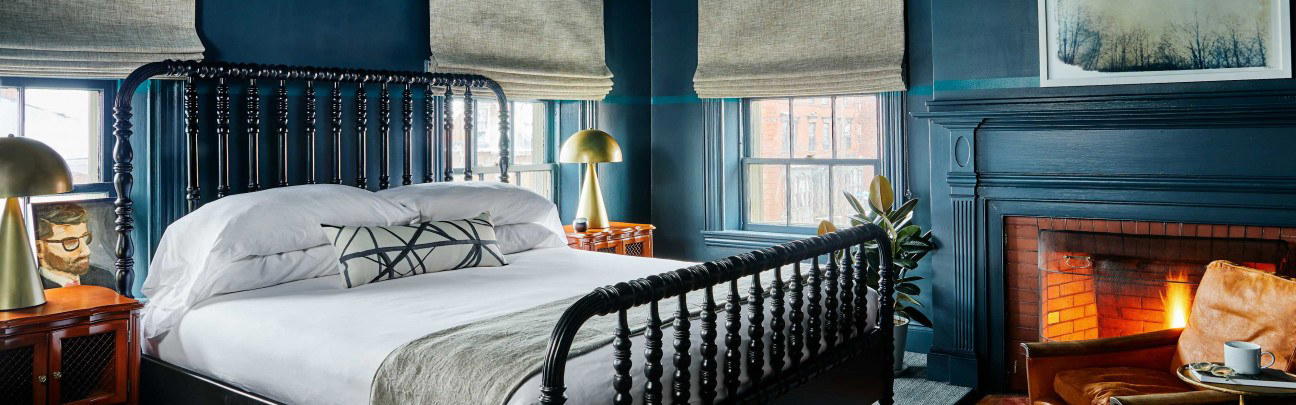
The design and space editorial angle matters here because bars on Wharf Street do not all read the same way. The street-level facades along this stretch tend toward the narrow and the deep, with interiors that often feel improvised inside century-old shells. The more considered operators use that constraint productively, building rooms where the proportions and material palette are doing deliberate work rather than fighting the architecture. Bars that succeed in the Old Port tend to resolve the tension between the heritage container and the contemporary program, finding a register that feels specific rather than generic.
Room for Improvement sits within that framework, in a neighborhood where seating arrangements and interior choices directly communicate to a local audience that reads these signals fluently. Portland's bar-going population, particularly in the Old Port, is accustomed to both the brewpub scale and the more intimate specialist format. The specialist tier, where considered programs operate in tighter, more deliberate spaces, has grown in credibility as the city's drinking culture has become more sophisticated. Comparison venues operating in that specialist register in Portland include the Multnomah Whiskey Library model of curation-led programming and the Rum Club's more focused category approach, though the specific character of each room differs substantially.
At the national level, the bars that have set the reference standard for spatial discipline and program depth include Kumiko in Chicago, where the physical container and the beverage program are in explicit conversation, and Bar Leather Apron in Honolulu, which uses a similarly restrained material approach to establish credibility before a drink arrives. Both represent bars where the design argument is inseparable from the hospitality argument. That is the peer context in which a carefully conceived Wharf Street bar should be assessed.
Portland's Drinking Culture and Where This Fits
Maine's largest city has built a credible food and drink identity that exceeds what its population size might predict. The combination of a serious restaurant community, a proximity to notable local ingredients, and a tourist economy that demands range has produced a bar scene with genuine depth. Teardrop Lounge in Portland, Oregon, offers a useful reference point for what a technically serious cocktail program looks like when it reaches maturity in a mid-sized American city, and Portland, Maine has been moving in a broadly comparable direction.
The Old Port specifically functions as one concentrated and competitive stretch of that bar scene, with venues at multiple price points and formats operating within walking distance of one another. The Wharf Street corridor skews toward the evening-out and special-occasion end of the spectrum rather than the neighborhood-local end, which affects who is in the room and what they expect. Bars in this district that have found sustained traction tend to offer something that reads as considered and specific rather than broadly accessible, since the competition for the casual-drink dollar is intense and the audience for a more deliberate experience is identifiable.
Among bars that have built recognizable programmatic identities in comparable American cities, Jewel of the South in New Orleans demonstrates how historical context and a structured beverage approach can anchor a bar's identity, while Julep in Houston shows how category focus can create a clear competitive position in a crowded market. ABV in San Francisco and Superbueno in New York City both illustrate how distinct visual and spatial identities have become as important as the liquid program in shaping a bar's reputation. The bars that hold position in their respective markets tend to be the ones where the space and the program are making the same argument.
Nearby and Worth Knowing
The Old Port is compact enough that a single evening can span several registers. 3808 N Williams Ave and 7316 N Lombard St represent the kind of neighborhood-level destinations that fill in the texture of a city's drinking map, and Portland rewards the kind of exploration that pairs a focused stop with an exploratory one. For a broader orientation to the city's food and drink offer, our full Portland restaurants guide covers the range from the Old Port waterfront to the residential neighborhoods further out. Internationally, The Parlour in Frankfurt on the Main offers an interesting comparative case for how European bars in historic urban fabric handle the same design-and-program tension that defines the Old Port's better venues.
Planning Your Visit
| Venue | Location | Format | Booking |
|---|---|---|---|
| The bar | 41 Wharf St, Old Port | Bar, Old Port waterfront | |
| Teardrop Lounge (Portland, OR) | Portland, Oregon | Technical cocktail program | Walk-in focused |
| Multnomah Whiskey Library | Portland, Oregon | Curation-led spirits | Reservations available |
A Tight Comparison
Comparable venues nearby, for context on price, style, and recognition.
| Venue | Price | Notes |
|---|---|---|
| Room for ImprovementThis venue — the venue you are viewing | $$ | Not listed |
| CBG | $$ | Old Port, dive_bar |
| The Highroller Lobster Co. | $$ | Old Port, beer_bar |
| Maine & Loire | $$ | East End, wine_bar |
| Allagash Brewing Company | $$ | Riverton Drive, beer_bar |
| Chaval | $$$ | West End, cocktail_bar |
At a Glance
- Trendy
- Lively
- Cozy
- Modern
- After Work
- Casual Hangout
- Late Night
- Standalone
- Seated Bar
- Classic Cocktails
- Craft Cocktails
Current opening hours
- Monday
- 5 PM–1 AM
- Tuesday
- 5 PM–1 AM
- Wednesday
- 5 PM–1 AM
- Thursday
- 5 PM–1 AM
- Friday
- 5 PM–1 AM
- Saturday
- 5 PM–1 AM
- Sunday
- 5 PM–1 AM
Hours can change for holidays and private events. Last verified .
Laid-back and irreverent atmosphere with a focus on improved classics and bar snacks.