One of Madrid's most enduring taberna institutions, Casa Amadeo Los Caracoles has occupied Plaza de Cascorro in the Rastro neighbourhood for generations, built around a single, defining speciality: caracoles, slow-cooked snails in spiced broth. The room runs at full pace on Sunday market mornings and quieter on weekday evenings, making the time of visit as consequential as what you order.
Pearl is the En Primeur Club membership app — saves, bookings, and concierge access live there. Same editors, same standards.
- Address
- Pl. de Cascorro, 18, Centro, 28005 Madrid, Spain
- Phone
- +34 913 65 94 39
- Website
- caracolesdeamadeo.com
- Directions
- Get directions
 Saves & bookings on Pearl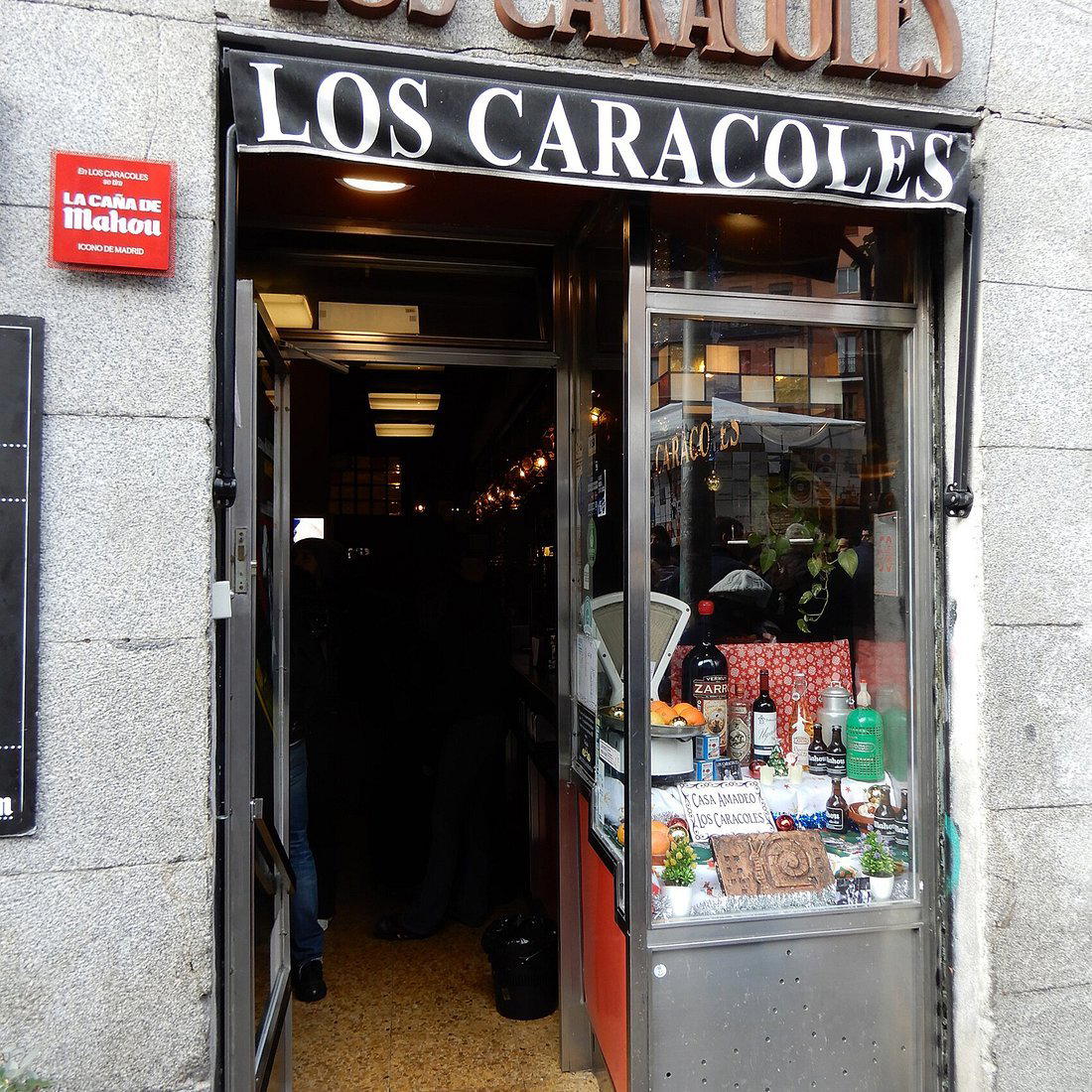
A Plaza, a Pot, and the Weight of Tradition
Plaza de Cascorro sits at the summit of El Rastro, Madrid's sprawling Sunday flea market, and by ten in the morning it is already crowded with vendors, browsers, and people who have learned that the fastest route to a seat is arriving before the market hits full stride. The square functions as a kind of outdoor anteroom to the Lavapiés and Embajadores districts, and the buildings around it carry the accumulated character of a working-class Madrid neighbourhood that has resisted the kind of wholesale gentrification visible elsewhere in the city centre. Restaurante Casa Amadeo Los Caracoles occupies one of those buildings, and its address on the plaza puts it inside among the more legible pieces of Madrid street life a visitor is likely to encounter.
The taberna format that Casa Amadeo represents is worth understanding before you arrive. These are not restaurants in the contemporary sense of tasting menus and reservation windows. They are specialist houses built around a single product or tight category of products, served at pace, often standing or at shared tables, with a directness that prioritises the food over the theatre of the meal. In Madrid, the taberna tradition is as structurally important to the city's food culture as the high-end cocina de autor restaurants that attract international attention. They represent the other axis: depth of craft applied to a single thing, executed repeatedly, without variation in standard.
The Speciality That Defines the Room
Casa Amadeo's defining product is caracoles, snails cooked in a spiced, herb-forward broth that is the product of a recipe maintained across decades. The dish sits inside a wider Spanish tradition of slow-cooked molluscs that appears with regional variation across Castile, Catalonia, and Andalusia, but Madrid's version tends toward a deeper, more assertive broth, often with cumin, paprika, and chilli present in a way that marks it as distinctly Castilian. Caracoles in Madrid are a warm-weather food by historical habit, associated with the terrace season and, most specifically, with the San Isidro festival in May, though established houses serve them across a broader season. The dish demands a specific technique: the snails require thorough purging before cooking, and the broth must carry enough body to balance the earthiness of the mollusc. Houses that cut corners on either step produce a result that bears little resemblance to the dish done correctly.
The preparation at Casa Amadeo is the reputation. The venue is known for caracoles, the specialty that defines its reputation. If you are calibrating what a well-executed Madrid caracol should taste like, this is one of the kitchens against which others are measured.
Lunch vs. Evening: Two Different Propositions
Lunch and evening service offer different rhythms here. Sunday lunch, particularly on Rastro market mornings, is the canonical version of the experience. The square is animated, the turnover at tables is fast, the noise level is high, and the caracoles arrive quickly because the kitchen is prepared for volume. This is a sociable, almost chaotic version of the meal, and it works precisely because of that energy. The food tastes different when the plaza outside is full and the room is operating at peak. That is not a romantic claim; it is a direct observation about how context shapes perception of flavour and value.
Weekday lunch runs at a slower register. The Rastro is gone, the square is quieter, and the room has more breathing space. For visitors who find Sunday market crowds difficult, or who want to concentrate on the food rather than the occasion, the weekday midday service offers a more considered version of the same meal. The caracoles are the same; the surrounding context is not.
Evening service shifts the mood again. The taberna format does not transform after dark into something more formal, but the clientele changes and the pace softens. Caracoles at night are a different proposition from caracoles at Sunday noon, and which you prefer will depend entirely on what you are looking for from the visit. The food is not the variable. The experience is.
Placing It in Madrid's Traditional Food Scene
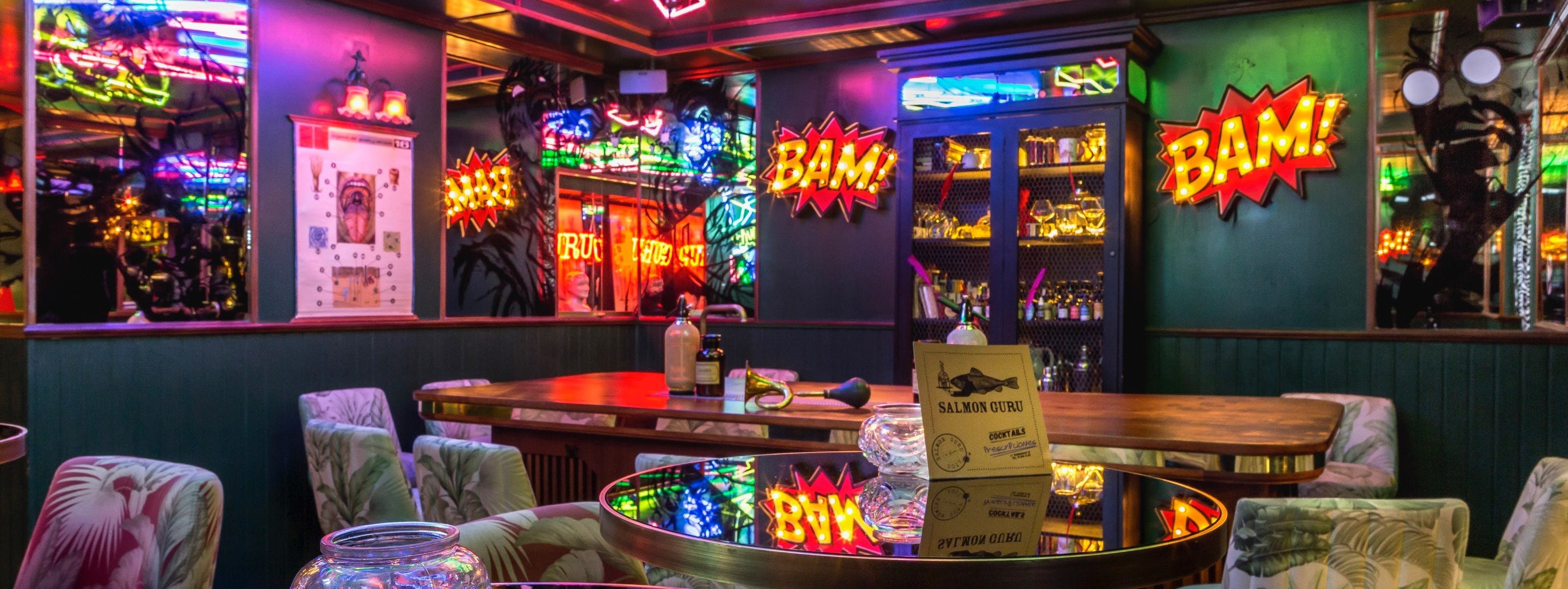
Madrid's food scene has expanded dramatically over the past decade toward a bar culture that spans everything from serious cocktail programs at venues like Angelita and Salmon Guru to the classic aperitivo register of 11 Nudos Madrid and 1862 Dry Bar. But the taberna tradition operates on a different axis from all of these. It does not compete with contemporary cocktail culture; it predates it and runs alongside it as a separate current in the city's food and drink identity.
Across Spain, similar single-product specialist houses have maintained relevance by refusing to diversify in ways that would dilute their core offering. Boadas in Barcelona holds a comparable position in cocktail culture. Bar Sal Gorda in Seville and Bar Gallardo in Granada represent analogous institutions in their respective cities, each serving as a fixed point in local food culture rather than responding to changing dining fashion. In island contexts, venues like La Margarete in Ciutadella, Garden Bar in Calvia, and Garito Cafe in Palma de Mallorca hold related positions in their local scenes. Even internationally, the model recurs: Bar Leather Apron in Honolulu represents the same logic of specialist craft applied consistently over time. Casa Amadeo belongs to that category of place whose authority derives from longevity and consistency rather than from novelty or critical attention cycles.
Planning the Visit
Plaza de Cascorro 18 in the Centro district is reachable from Tirso de Molina or La Latina metro stations, both within comfortable walking distance. The Sunday Rastro visit is one historically resonant version of the experience, but it requires arriving early; by eleven the square is at capacity and the taberna fills accordingly. If the Sunday crowds are not your preference, a weekday lunch between one and three gives you the food without the market-day intensity. The bar is open daily from 10 AM to midnight, and reservations are recommended. Expect to spend about $20 per person.
Cost Snapshot
Comparable venues nearby, for context on price, style, and recognition.
| Venue | Cuisine | Price | Notes |
|---|---|---|---|
| Restaurante Casa Amadeo Los CaracolesThis venue — the venue you are viewing | Embajadores, Bar | $$ | Not listed |
| Ficus Bar | Not listed | $$ | Justicia, cocktail_bar |
| Santos y Desamparados | Barrio de las Letras, Bar | Not listed | Not listed |
| Gran Vía | Not listed | $$ | Chueca, cocktail_bar |
| 28008 Madrid | Not listed | $$$ | Casa de Campo, rooftop_bar |
| 1862 Dry Bar | Not listed | $$ | Malasana, cocktail_bar |
Continue exploring
More in Madrid
Bars in Madrid
Browse all →
Restaurants in Madrid
Browse all →
Hotels in Madrid
Browse all →

At a Glance
- Classic
- Rustic
- Well Known
- Casual Hangout
- After Work
- Historic Building
- Seated Bar
- Outdoor Terrace
Current opening hours
- Monday
- 10 AM–12 AM
- Tuesday
- 10 AM–12 AM
- Wednesday
- 10 AM–12 AM
- Thursday
- 10 AM–12 AM
- Friday
- 10 AM–12 AM
- Saturday
- 10 AM–12 AM
- Sunday
- 10 AM–12 AM
Hours can change for holidays and private events. Last verified .
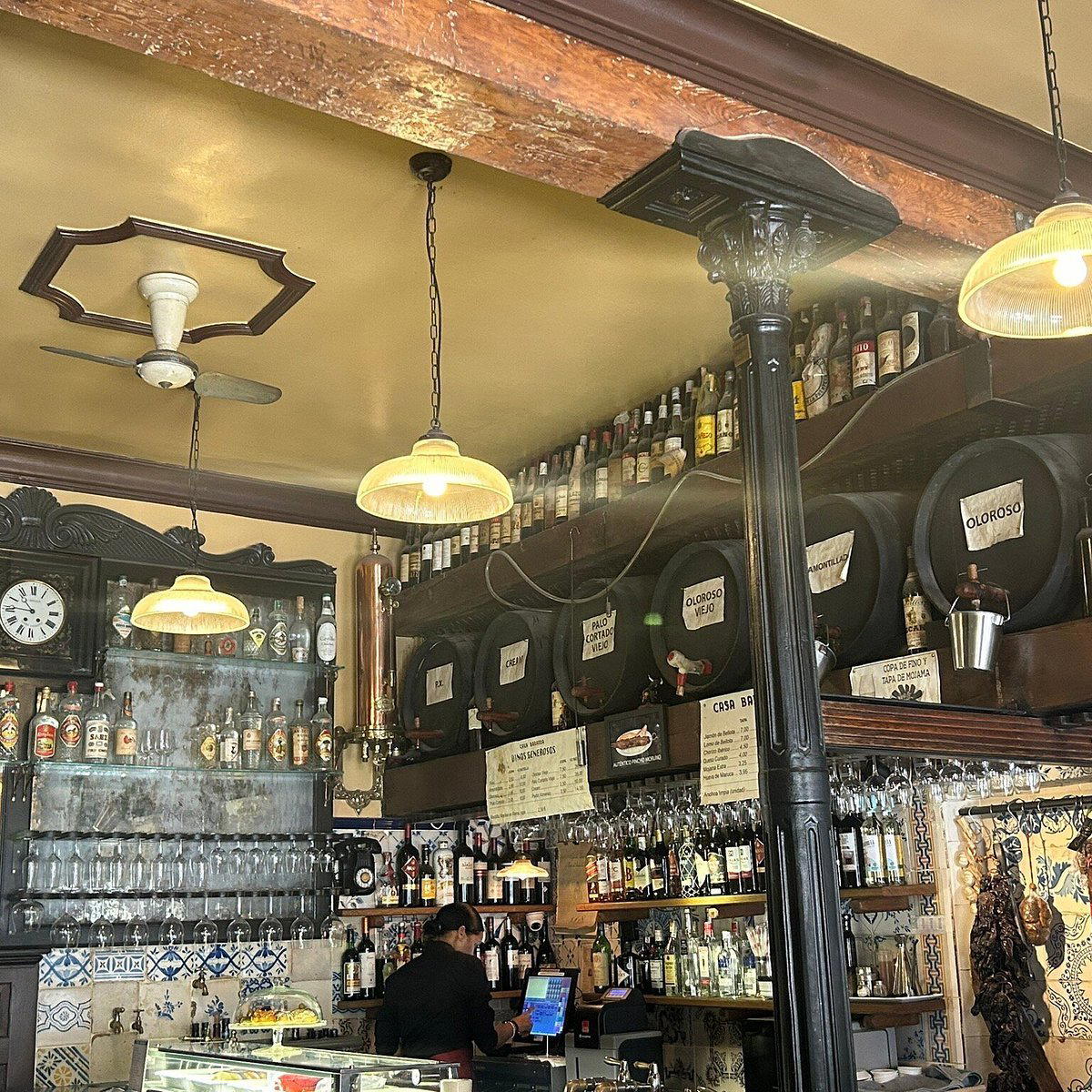
Authentic 70s-style decor with a lively, traditional tapas atmosphere.