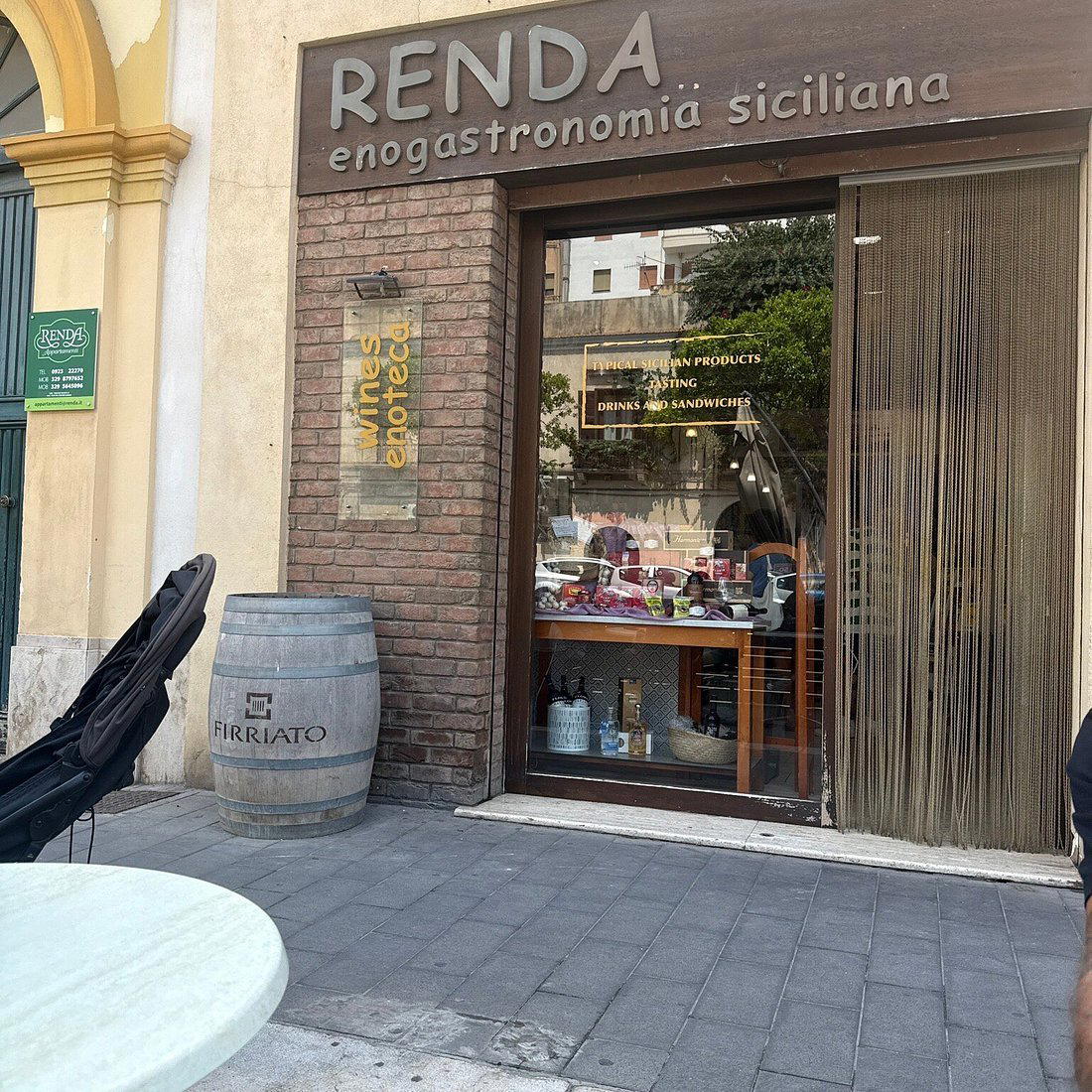
An enoteca and salumeria on Via Giovanni Battista Fardella in Trapani, Renda sits within a Sicilian tradition that treats wine selection and cured meats as two sides of the same curatorial act. The back bar and bottle list reflect a considered regional focus, placing it among the more serious wine-and-food stops in western Sicily. Visit for the combination of local producers, serious charcuterie, and a format that rewards slow afternoons.

Pearl is the En Primeur Club membership app — saves, bookings, and concierge access live there. Same editors, same standards.
- Address
- Via Giovanni Battista Fardella, 80, 91100 Trapani TP, Italy
- Phone
- +39 0923 22270
- Hours
- Mon–Sat 8:30 AM–3 PM, 5–9 PMSun Closed
- Website
- renda.net
- Directions
- Get directions
Wine Bars in Western Sicily: The Enoteca-Salumeria Tradition
The enoteca-salumeria format is one of the more durable institutions in Italian provincial food culture. It operates on a logic distinct from both the trattoria and the cocktail bar: the wine list is the menu, the cured meats are the counterpoint, and the room itself functions as a kind of standing library. In Sicily, this format carries particular weight. The island's wine production has shifted considerably over the past two decades, moving from bulk export commodity toward a roster of estate-bottled, terroir-specific labels that now attract serious collector attention. Western Sicily, anchored by Trapani province, sits at the centre of that shift. Grillo, Catarratto, and Nero d'Avola grown close to the coast and on the slopes above Marsala have earned genuine critical currency, and the leading enotecas in the region have followed.
Renda, Enoteca - Salumeria on Via Giovanni Battista Fardella occupies that position in Trapani. The address places it within the fabric of a city that is, by the standards of Italian tourism, genuinely underserved by editorial coverage despite sitting at the crossroads of Arab-Norman architecture, active fishing culture, and some of the most productive wine country in the south. See our full Trapani restaurants guide for a broader map of what the city offers across food and drink categories.
The Back Bar as Argument
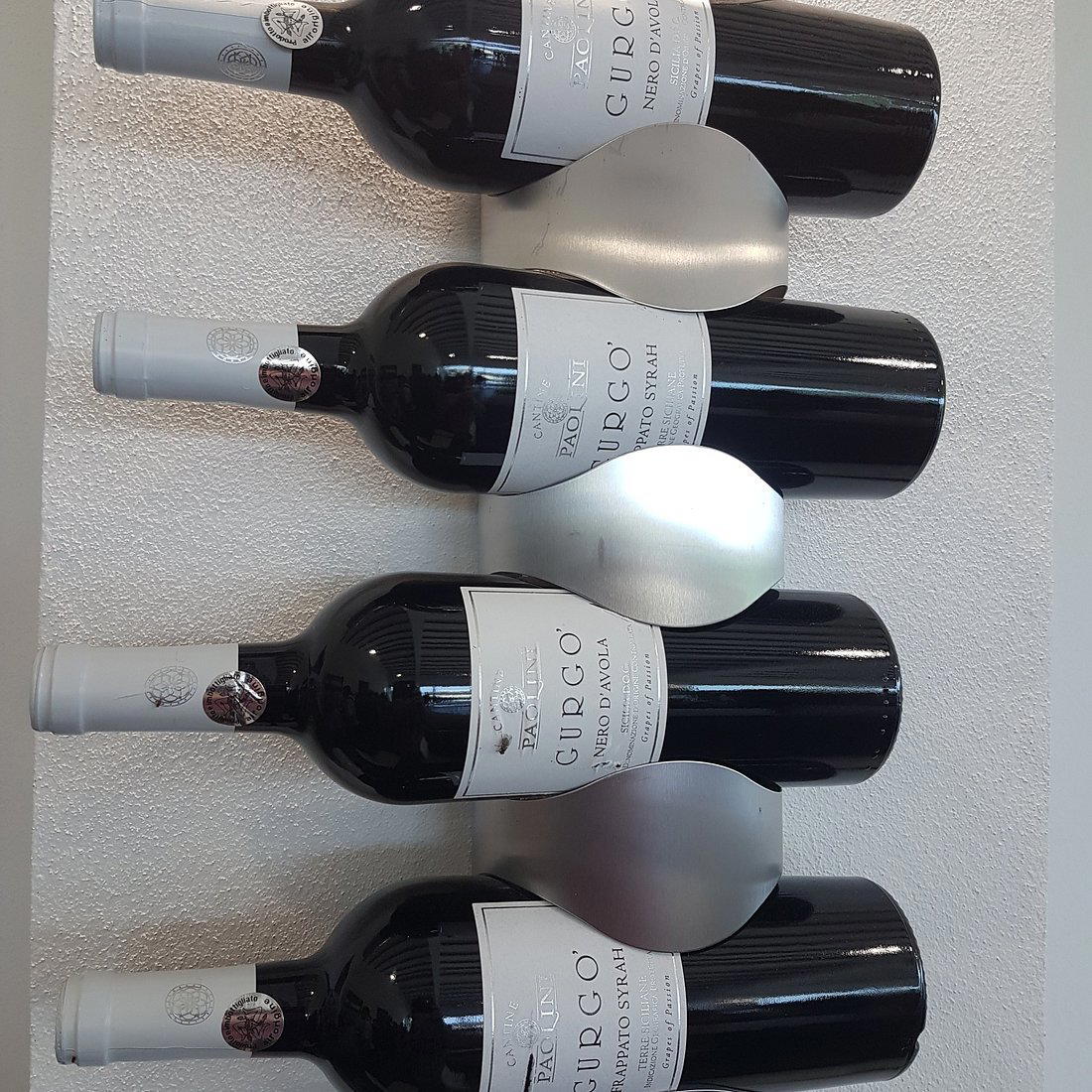
In the enoteca tradition, the selection on the shelves makes the editorial argument that a review might make elsewhere. A curated back bar at an independent enoteca signals taste, supplier relationships, and a point of view on what deserves shelf space. At a well-run Sicilian enoteca, that argument tends to run along regional lines first: the selection reflects producers from the surrounding provinces before reaching outward to the mainland or beyond. Bottles from the Marsala coast, the Alcamo DOC zone, and the smaller estates around Pantelleria and the Egadi Islands represent the most locally specific tier of any serious western Sicilian selection.
The salumeria component does similar curatorial work. Sicilian charcuterie traditions differ from those of the north in ways that matter for pairing: the use of pork from Nebrodi black pigs, the presence of tuna-based preparations from the mattanza tradition, and the varying salt intensities tied to proximity to the salt pans at Saline di Trapani give local producers a profile that does not map neatly onto Emilian or Tuscan counterparts. An enoteca that sources regionally on both sides of the equation, bottles and cured meats, is making a coherent territorial argument rather than simply stocking a diverse room.
The Sicilian equivalent draws on different regional material but applies the same underlying discipline of selection over volume.
Trapani's Position in the Wider Italian Drinks Scene
Italy's more technically ambitious bar programs cluster in the major northern cities. 1930 in Milan and Drink Kong in Rome represent the cocktail-forward tier of that scene, with international recognition and format discipline that positions them against global peers. L'Antiquario in Naples sits in a different register, closer to the wine-and-spirits collector model. Gucci Giardino in Florence operates at the intersection of design and drink. What these venues share is a degree of editorial coverage that smaller provincial operators rarely receive, regardless of the quality of their selection.
The gap between coverage and quality is particularly pronounced in western Sicily. Trapani's drinking culture is shaped by the same agricultural geography that defines its food: proximity to the salt pans, the influence of Arab and Norman layers on flavour preferences, and a fishing economy that keeps the city oriented toward its coast rather than toward tourism infrastructure. Bar Incontro represents another node in Trapani's drinking culture, and the two venues together give a clearer picture of what the city's bar scene actually looks like in practice.
Venues in comparable Mediterranean provincial contexts, such as Lost and Found in Nicosia or Fauno Bar in Sorrento, show how coastal cities in the broader region have built credible drinking identities outside the major metropolitan frameworks. Al Covino in Venice offers another model: a small, focused enoteca with a tight selection that operates as destination rather than default. Bistrot Torrefazione Samambaia in Turin and Bar Leather Apron in Honolulu extend the comparison further, illustrating how the specialist, selection-driven format translates across geographies with very different source material.
Planning a Visit
Renda sits at Via Giovanni Battista Fardella, 80, in the 91100 postal district of Trapani, within reach of the historic centre on foot. The enoteca-salumeria format rewards unhurried visits: the logic of the format is to linger over a glass, work through the cured selection at a pace that allows the salt and fat to open the wine, and treat the room as a destination rather than a stop. Afternoon visits, before the evening dining crowd arrives, tend to give more room for that kind of attention.
Cost and Credentials
Comparable venues nearby, for context on price, style, and recognition.
| Venue | Cuisine | Price | Awards | Notes |
|---|---|---|---|---|
| Renda, Enoteca - SalumeriaThis venue — the venue you are viewing | Not listed | $10–20 | Not listed | Not listed |
| Bar Incontro | Trapani, pub | $10–20 | Not listed | Not listed |
| Ally’s Bar | Not listed | $30–50 | Not listed | Montenapoleone, cocktail_bar |
| Forte Vita Bar | Not listed | Not listed | Not listed | Fashion District, hotel_bar |
| Enoteca Picone | Not listed | $20–30 | Falstaff Wine Bar - Listed | Politeama Libertà, wine_bar |
Continue exploring
More in Trapani
Bars in Trapani
Browse all →
Restaurants in Trapani
Browse all →

Hotels in Trapani
Browse all →
Details
- Rustic
- Cozy
- Casual Hangout
- Standalone
- Counter Only
- Conventional Wine
Current opening hours
- Monday
- 8:30 AM–3 PM, 5–9 PM
- Tuesday
- 8:30 AM–3 PM, 5–9 PM
- Wednesday
- 8:30 AM–3 PM, 5–9 PM
- Thursday
- 8:30 AM–3 PM, 5–9 PM
- Friday
- 8:30 AM–3 PM, 5–9 PM
- Saturday
- 8:30 AM–3 PM, 5–9 PM
- Sunday
- Closed
Hours can change for holidays and private events. Last verified .
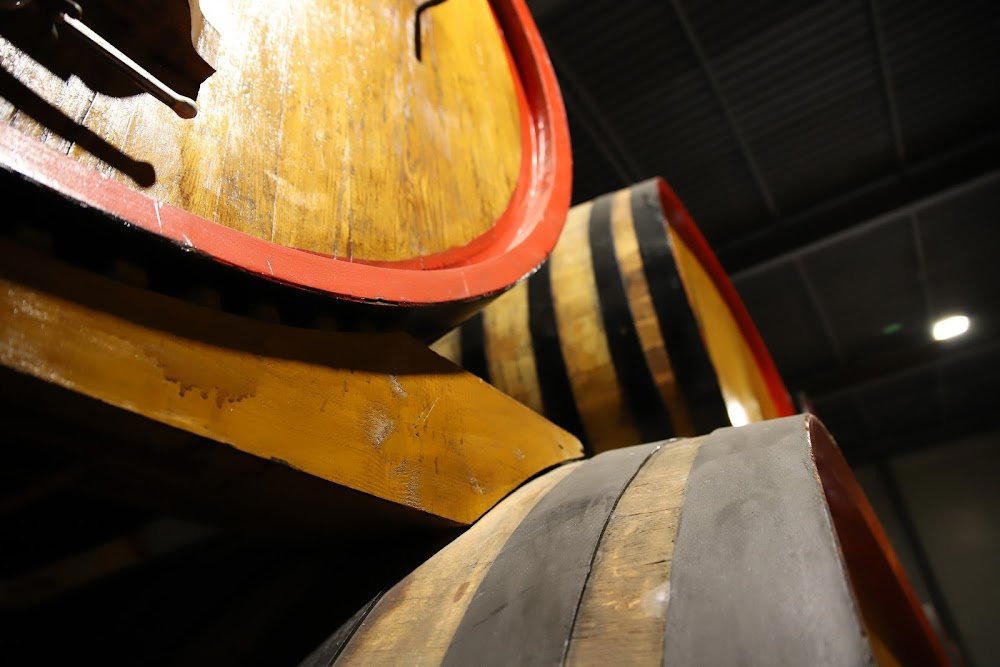
Cozy and authentic deli atmosphere with a focus on gourmet Sicilian products.