Red Table Restaurant
Red Table Restaurant sits on Algonquin Street in Huntington Beach, occupying a stretch of the city where neighborhood dining and coastal California informality converge. The restaurant draws regulars who treat the meal as an occasion rather than a transaction, with a pace and setting that reward those willing to slow down. For visitors working through the city's dining options, it represents a local fixture worth understanding on its own terms.
Pearl is the En Primeur Club membership app — saves, bookings, and concierge access live there. Same editors, same standards.
- Address
- 16821 Algonquin St, Huntington Beach, CA 92649
- Phone
- +1 714 846 4700
- Website
- redtablerestaurants.com
- Directions
- Get directions
 Saves & bookings on Pearl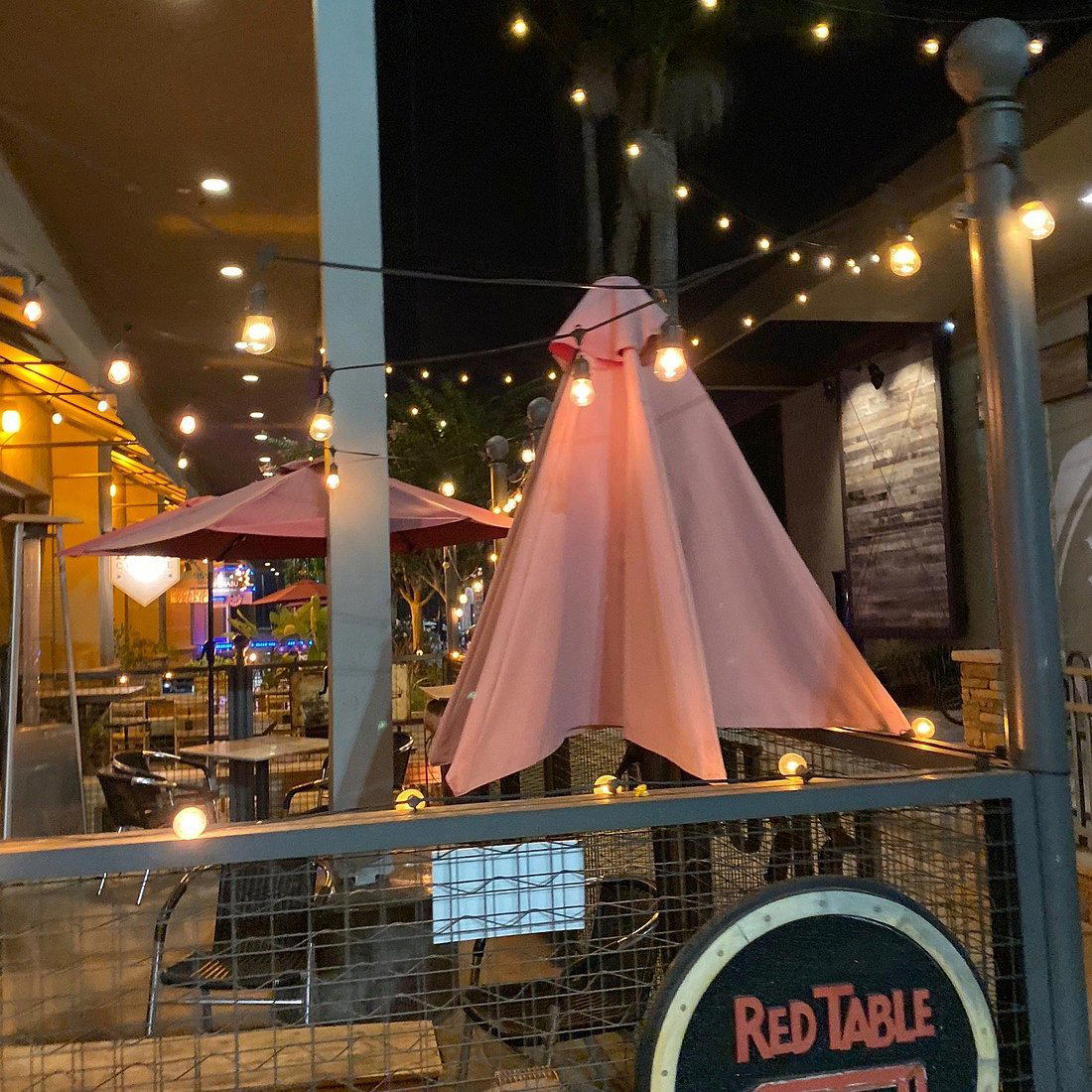
Where the Meal Sets the Terms
Algonquin Street in Huntington Beach runs through a residential-commercial seam that defines much of the city's neighborhood dining character. This is not the tourist corridor of Pacific Coast Highway, nor the dense bar strip closer to the pier. The streets here are quieter, the rhythm slower, and the restaurants that endure in this part of town tend to do so because they serve the people who live nearby, not the people passing through. Red Table Restaurant, at 16821 Algonquin St, occupies exactly that kind of position: a local address in a local context, where the ritual of the meal carries more weight than the spectacle of the setting.
Huntington Beach's dining scene has long operated in two registers. There is the coastal-facing tier, built around views, foot traffic, and the economics of seasonal tourism, and there is the quieter inland tier, where restaurants survive on repeat business and neighborhood trust. The latter category demands a different kind of relationship between a kitchen and its guests. The pacing tends to be more deliberate, the expectations more specific, and the tolerance for performance or theater considerably lower. Red Table sits within that second register, where the dining ritual itself, the sequence of arrival, the rhythm of service, the way a meal unfolds across an evening, becomes the primary text.
The Ritual of a Neighborhood Table
Across American dining cities, there is a recognizable format that predates the tasting-menu era and has outlasted multiple waves of culinary fashion: the neighborhood restaurant built around the presumption that guests will return. This format depends less on dramatic first impressions and more on accumulated reliability. The menu does not need to surprise on the first visit because the relationship is measured in the fourth, sixth, and tenth. Dishes become familiar, servers become known, and the act of eating out transforms from an event into a custom.
This is the dining tradition in which Red Table operates. The restaurant's address in a non-tourist part of Huntington Beach reinforces the model. Guests arrive by choice, not by proximity to a hotel or a beach access point. That self-selection shapes the room: the crowd tends to be local, the conversation tends to be continuous across visits, and the pace of the meal reflects the expectations of people who are not rushed by a parking meter or a sunset cruise departure.
For a city like Huntington Beach, which receives most of its dining press through the coastal venues closer to the water, this kind of inland fixture often operates without the broader editorial attention it might receive in a denser urban market. That relative quietness is not evidence of diminished quality so much as a structural feature of how neighborhood restaurants exist outside the spotlight of the main tourist corridors. Venues in comparable positions in other California cities, from Pasadena's residential dining streets to the inner neighborhoods of San Diego, follow the same pattern: consistent, locally anchored, and better known to residents than to visitors.
Reading the Room: What the Setting Signals
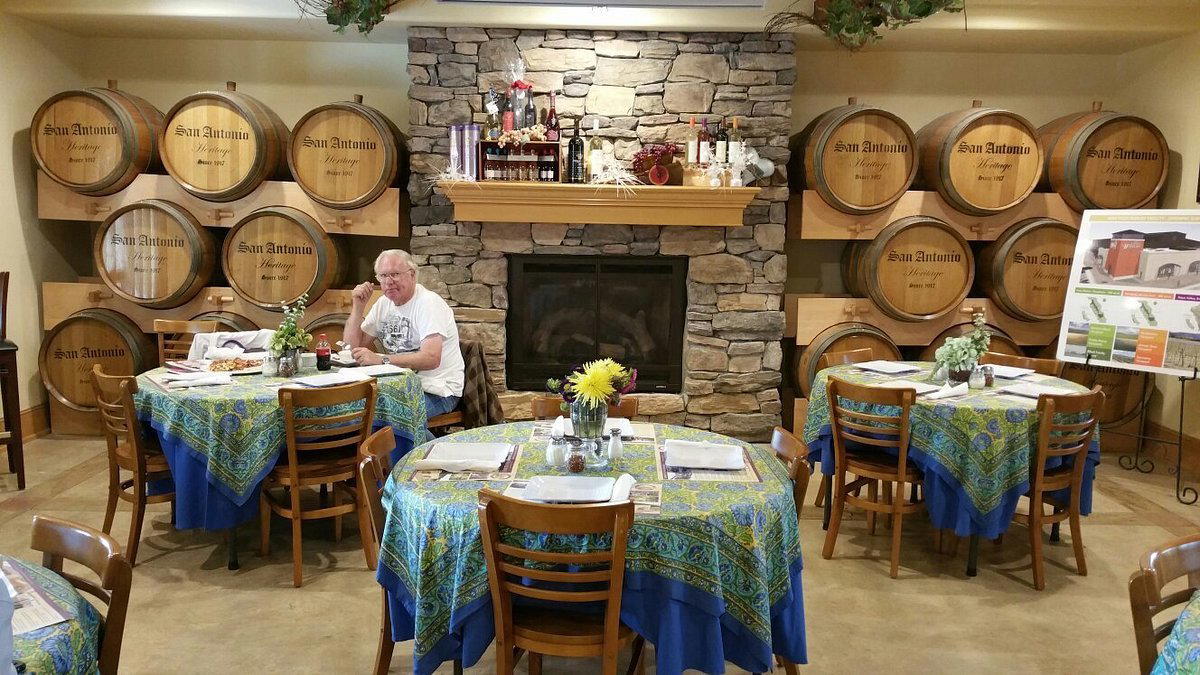
The name itself, Red Table, suggests something specific about the approach to atmosphere. A named object as the primary identifier usually points toward a dining room where physical presence and the experience of being seated matter. It implies a certain deliberateness about the space: that the table, and what happens around it, is the operative concept. In neighborhood restaurants of this type, the room tends to work in service of conversation and comfort rather than visual drama. Lighting is considered. Spacing is generous enough to allow private exchange. The meal is not framed as a performance to be watched but as a shared occasion to be inhabited.
Huntington Beach's dining options along the immediate coastline, including venues like Calico Fish House and Captain Jack's, operate with the visual and conceptual advantages of a waterfront address. Others, like Cruisers Pizza Bar Grill and Cucina Alessá, have built their identities around a particular cuisine type or social energy. Red Table's position on Algonquin places it in a different competitive conversation entirely, one where the local dining ritual takes precedence over category identity or location-driven foot traffic.
Planning a Visit
Because Red Table operates as a neighborhood fixture rather than a destination venue with a national profile, the practical logistics of visiting differ from the high-demand restaurants that require weeks of advance planning. The Algonquin Street address is accessible by car from most parts of Huntington Beach and is not constrained by the limited parking that affects dining closer to the pier and PCH. For visitors who want to experience the city's non-coastal dining character alongside its more tourist-facing options, Red Table represents a useful counterpoint. Those wanting a broader map of Huntington Beach's dining options can consult our full Huntington Beach restaurants guide, which situates the city's venues across neighborhoods and formats.
For context on what distinguished neighborhood-focused dining looks like at the craft cocktail end of the spectrum in other American cities, the programs at Kumiko in Chicago, Jewel of the South in New Orleans, and Julep in Houston each illustrate how a deliberate, ritual-oriented approach to hospitality plays out across different regional cultures. On the West Coast, ABV in San Francisco and Bar Leather Apron in Honolulu operate with a similar philosophy of considered pacing over volume. Even further afield, Superbueno in New York City and The Parlour in Frankfurt on the Main show how the format translates across different urban scales and hospitality cultures.
Cuisine and Awards Snapshot
| Venue | Cuisine |
|---|---|
| Red Table RestaurantThis venue — the venue you are viewing | This venue |
Continue exploring
More in Huntington Beach
Bars in Huntington Beach
Browse all →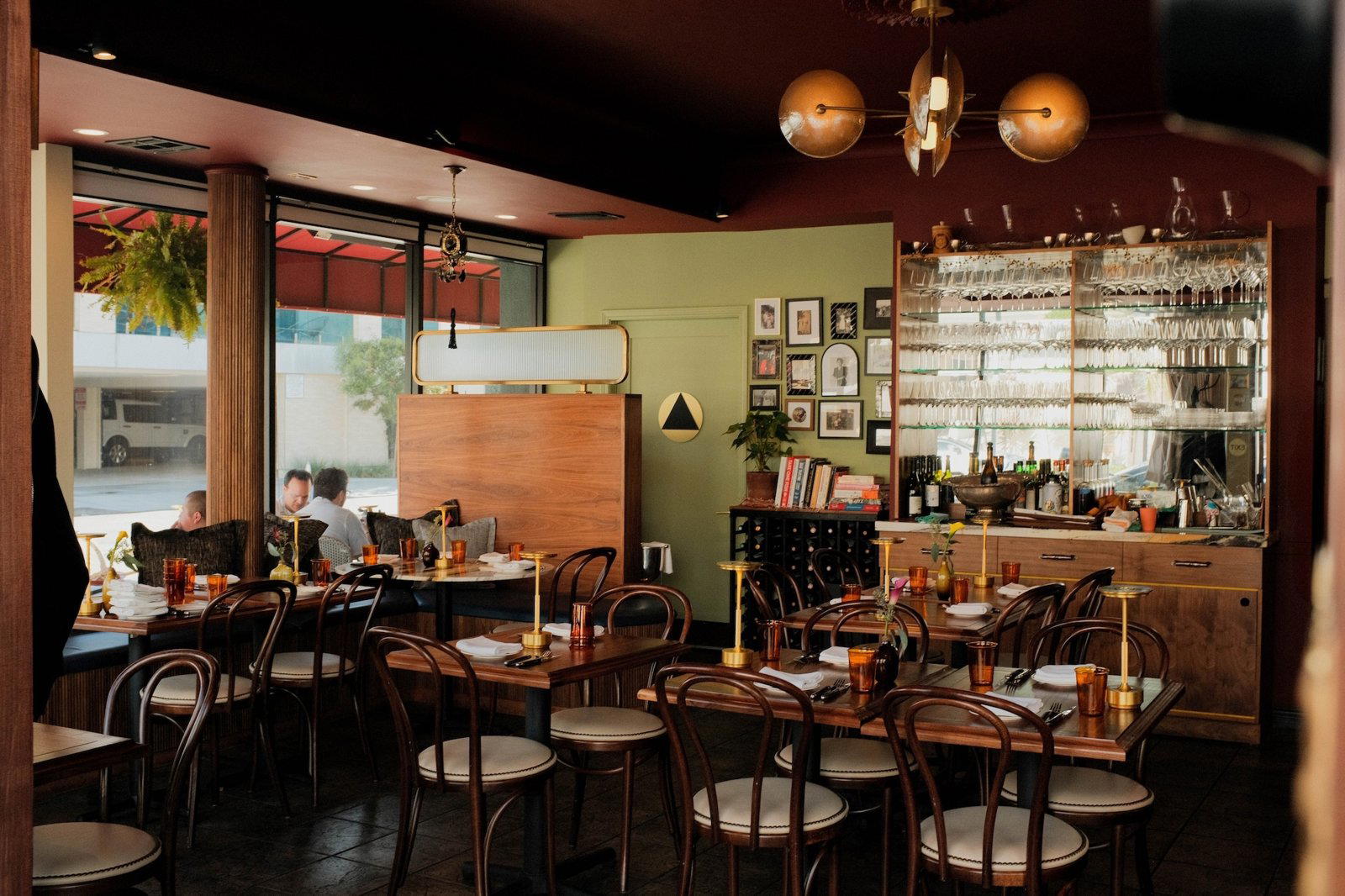
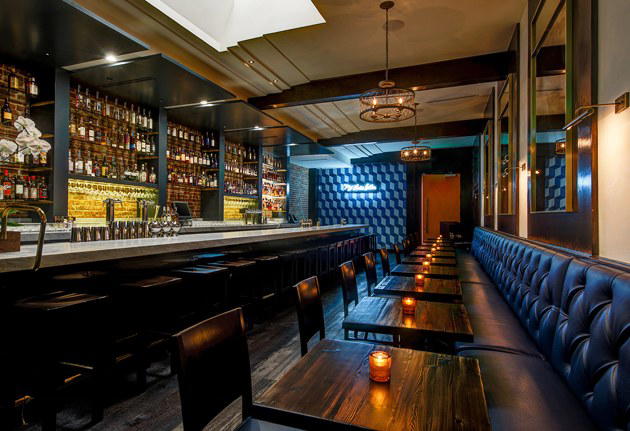
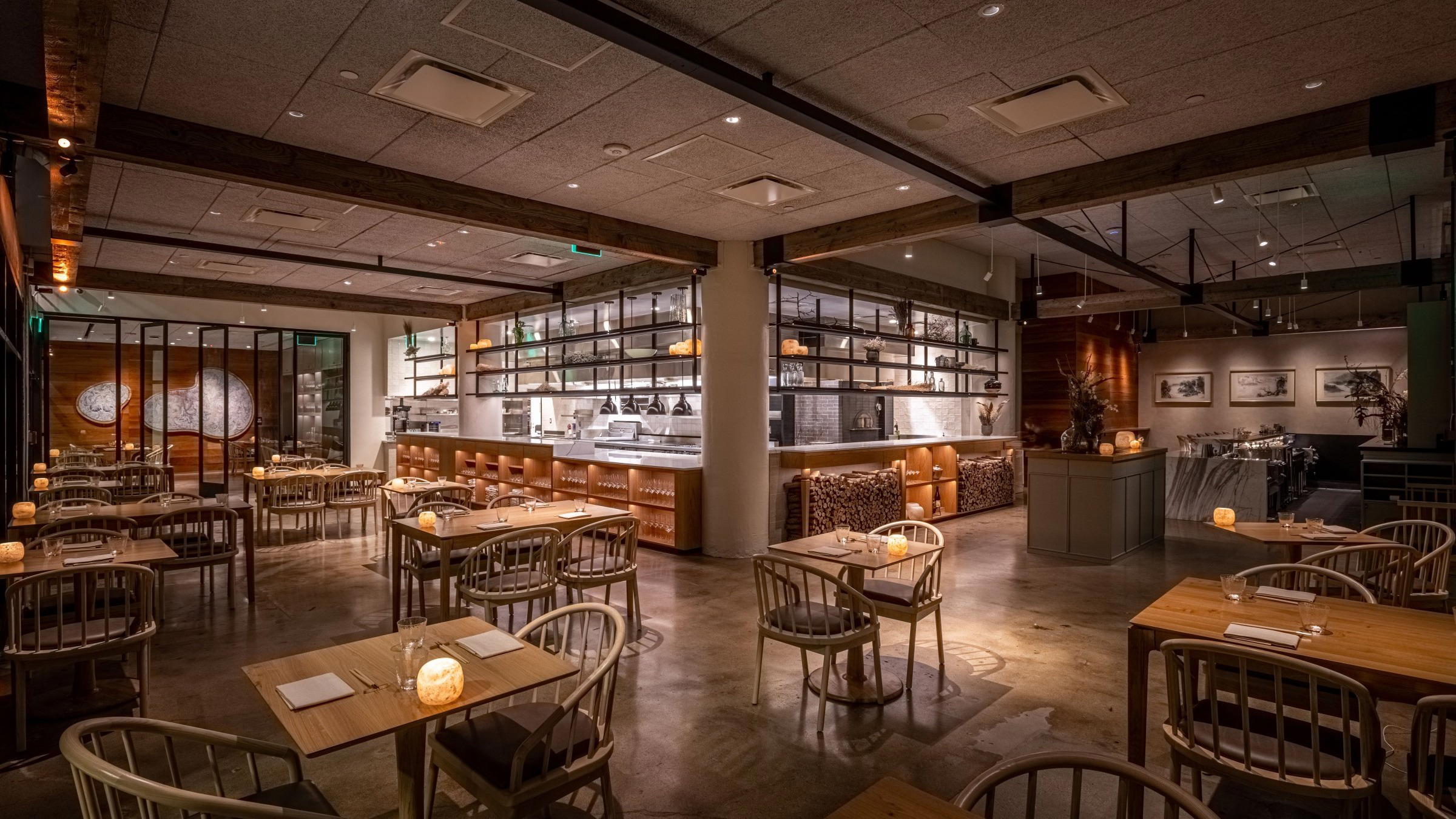
Restaurants in Huntington Beach
Browse all →
Hotels in Huntington Beach
Browse all →
Wineries in Huntington Beach
Browse all →
At a Glance
- Cozy
- Elegant
- Date Night
- Casual Hangout
- Standalone
- Lounge Seating
- Craft Cocktails
Current opening hours
- Monday
- 4–9 PM
- Tuesday
- 4–9 PM
- Wednesday
- 4–9 PM
- Thursday
- 4–9 PM
- Friday
- 4–9 PM
- Saturday
- 2–9 PM
- Sunday
- 10:30 AM–9 PM
Hours can change for holidays and private events. Last verified .
Warm, casual-elegant atmosphere with chic design and attentive service.
Know Before You Go
- Getting there
- 16821 Algonquin St, Huntington Beach, CA 92649