RAAF Rotterdam
Occupying a converted warehouse space on Rotterdam's Maashaven waterfront, RAAF sits at the intersection of industrial architecture and considered drinking. The bar draws on Rotterdam's port heritage to frame a drinks program that rewards attention, positioning it within the city's growing cohort of venues where the physical setting and what's in the glass carry equal weight.
Pearl is the En Primeur Club membership app — saves, bookings, and concierge access live there. Same editors, same standards.
- Address
- Maashaven Zuidzijde 2, 3081 AE Rotterdam, Netherlands
- Website
- raafrotterdam.nl
- Directions
- Get directions
 Saves & bookings on Pearl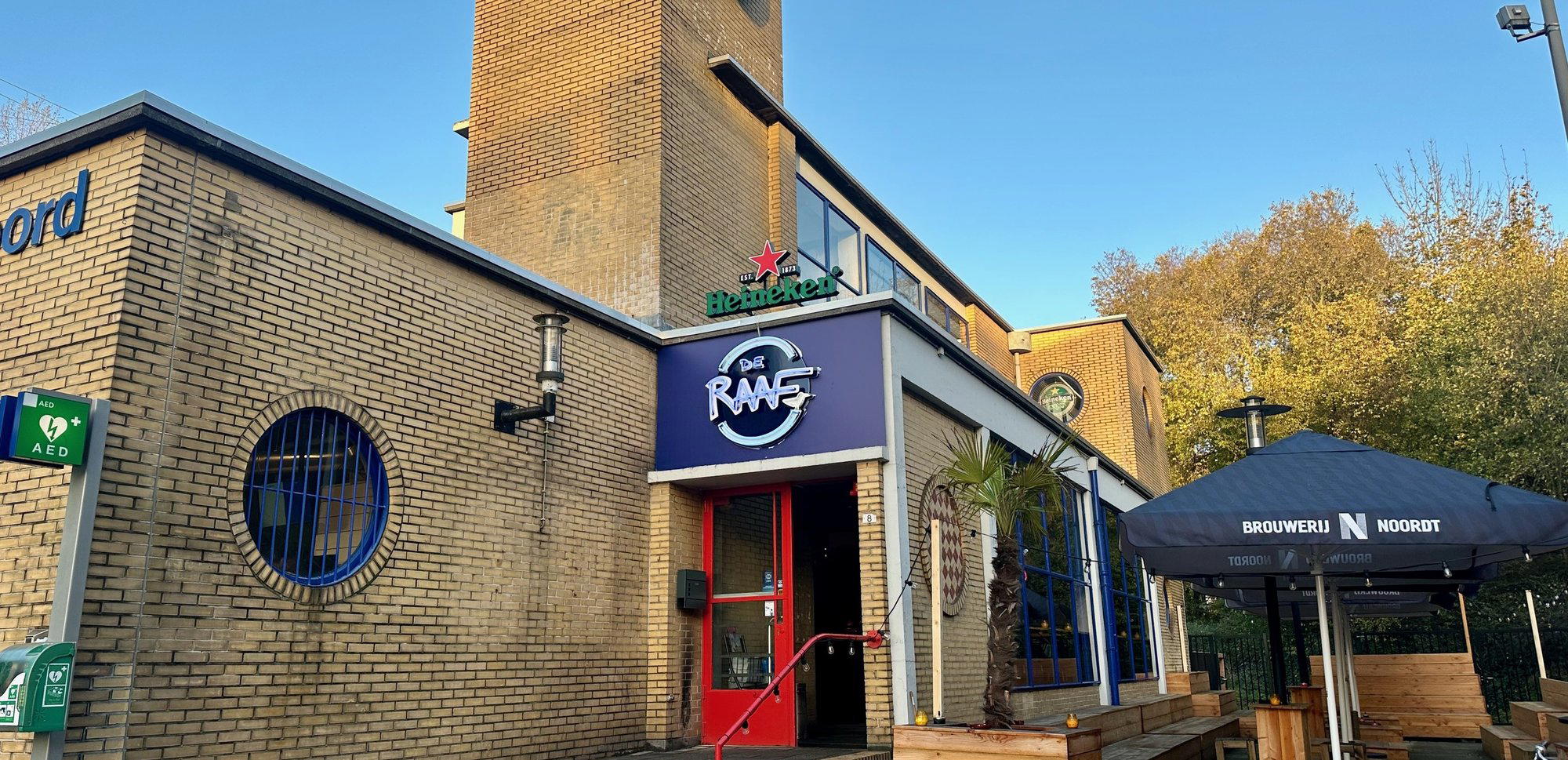
Where the Maas Meets the Menu
Rotterdam's southern waterfront has been quietly remaking itself over the past decade, and Maashaven Zuidzijde is one of the stretches where that change has moved fastest. The area carries the residue of port industry — broad quaysides, heavy-set buildings, the occasional crane silhouette against a flat Dutch sky — and venues that have opened here tend to absorb that character rather than paper over it. RAAF Rotterdam sits in that tradition. The address at Maashaven Zuidzijde 2 places it directly along the harbour edge, in a position where the architecture does much of the work before a drink is even ordered.
That physical context matters because it shapes what the space is trying to do. Rotterdam has developed a distinct bar and restaurant culture that differs from Amsterdam's in one telling way: where Amsterdam leans toward heritage interiors and canal-house intimacy, Rotterdam has repeatedly chosen the converted and the industrial as its primary register. RAAF belongs to that second category, and the setting frames expectations accordingly, the mood here runs toward the atmospheric rather than the refined, and the programming reflects that.
Reading the Menu as a Structure
Menu architecture at bars like RAAF tends to signal something about the venue's underlying priorities. In Rotterdam's current bar scene, the divide runs roughly between venues that treat the drinks list as a catalogue and those that use it as an argument. The former present options; the latter make a case for a particular way of drinking. From what the venue communicates through its positioning on the Maashaven waterfront and its industrial-warehouse format, RAAF leans toward the second approach, a drinks program oriented around a coherent point of view rather than broad-spectrum coverage.
That kind of selectivity is more common in Dutch cities now than it was five years ago. Door 74 in Amsterdam helped establish the template for technically driven, focused cocktail programming in the Netherlands, and that influence has spread south and west. In Rotterdam specifically, venues across different neighbourhoods have picked up the thread, each adapting it to their own setting. RAAF's waterfront location gives it a different starting point than a city-centre bar: the industrial scale of the space allows for a more expansive physical experience, which in turn permits the drinks list to operate at a tighter, more curated register without the whole proposition feeling austere.
For comparison within the city, Botanero and Cafe Kiem each represent different approaches to what a Rotterdam bar can be. The scene also includes more traditional formats, ['t Ouwe Bruggetje]() and Biergarten occupy a different register entirely, oriented toward local regulars and unpretentious drinking. RAAF's waterfront positioning places it at the more considered end of that spectrum, where the physical environment and the drinks program are clearly in conversation with each other.
The Waterfront Format and What It Asks of the Guest
Bars that occupy large former-industrial spaces along working waterfronts operate under a specific set of constraints and opportunities. The scale tends to work against the kind of hushed, reverent atmosphere you'd find at a small counter bar. Sound carries differently, sightlines are longer, and the sense of occasion comes from the surroundings as much as from service detail. What venues like RAAF trade on is the sense that you have arrived somewhere with genuine physical presence, a space that existed before hospitality moved in and will retain its character regardless.
That format rewards a certain kind of visit. Coming here in the early evening, when harbour light sits low across the Maas, is a different experience than arriving late when the space fills and the ambient noise rises. Rotterdam's bar-going culture accommodates both, but the venue's architecture suggests the former may be the more productive way to engage with what RAAF is actually offering. Across the Netherlands, the bars that have built the most durable reputations in converted industrial settings, from Amsterdam to Utrecht, where Florin Utrecht has carved out its own niche, tend to have found a way to make scale feel intimate through programming rather than decoration.
Rotterdam in a Broader Dutch Context
Understanding RAAF requires understanding Rotterdam's position within the Netherlands' hospitality geography. The city has always operated in Amsterdam's shadow commercially, but that has freed its bar and restaurant culture to take more risks. There is less pressure to perform for international tourism and more latitude to develop a local character. The result is a scene that rewards investment from visitors willing to move beyond the obvious.
The Dutch bar scene more broadly has matured significantly since around 2015. Cities like Eindhoven, where Café Barolo operates, and The Hague, where Bowie has established itself, have developed credible independent bar cultures. Brasserie Lalou in Delft and even smaller-market venues like Boode Foodbar in Bathmen signal how far the hospitality culture has spread beyond the major cities. Rotterdam fits inside this broader Dutch maturation, but its port identity gives it a particular edge, a willingness to embrace the unpolished and the physical that cities with more overtly picturesque identities sometimes resist. For a wider orientation to what Rotterdam's bar and restaurant scene offers across different neighbourhoods and formats, see our full Rotterdam restaurants guide.
Internationally, the industrial-waterfront bar format has reached a level of saturation in cities like London, Copenhagen, and Melbourne, which means Rotterdam's version of it still carries novelty for visitors arriving from those markets, even as locals treat it as an established part of the scene. Bar Leather Apron in Honolulu demonstrates how the considered-cocktail format translates across very different physical contexts; RAAF's interest lies in how it grounds that same instinct in a specifically Dutch industrial setting.
Planning a Visit
RAAF Rotterdam's Maashaven Zuidzijde address sits on the south bank of the Maas, accessible by tram and metro from Rotterdam Centraal. The waterfront position means the approach on foot along the quay is worth factoring into the experience. Specific hours, booking requirements, and current pricing are best confirmed directly with the venue before visiting, as waterfront bars in this part of Rotterdam can operate on seasonal or event-adjusted schedules. The surrounding Maashaven area is still in active development, so neighbouring venues and transport options have been shifting; arriving with a degree of flexibility is sensible.
Continue exploring
More in Rotterdam
Bars in Rotterdam
Browse all →
Restaurants in Rotterdam
Browse all →
Hotels in Rotterdam
Browse all →
Wineries in Rotterdam
Browse all →
Know Before You Go
- Getting there
- Maashaven Zuidzijde 2, 3081 AE Rotterdam, Netherlands