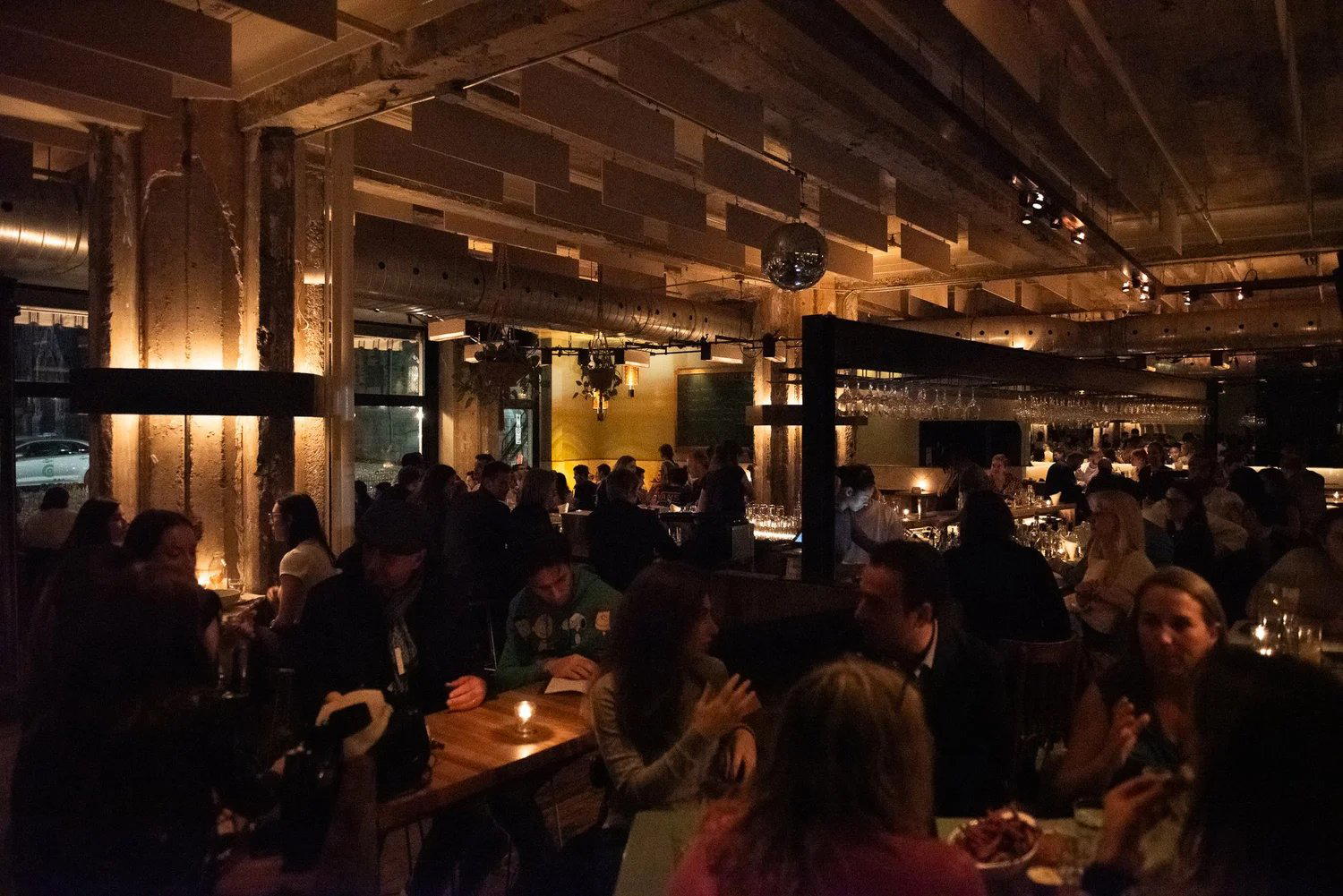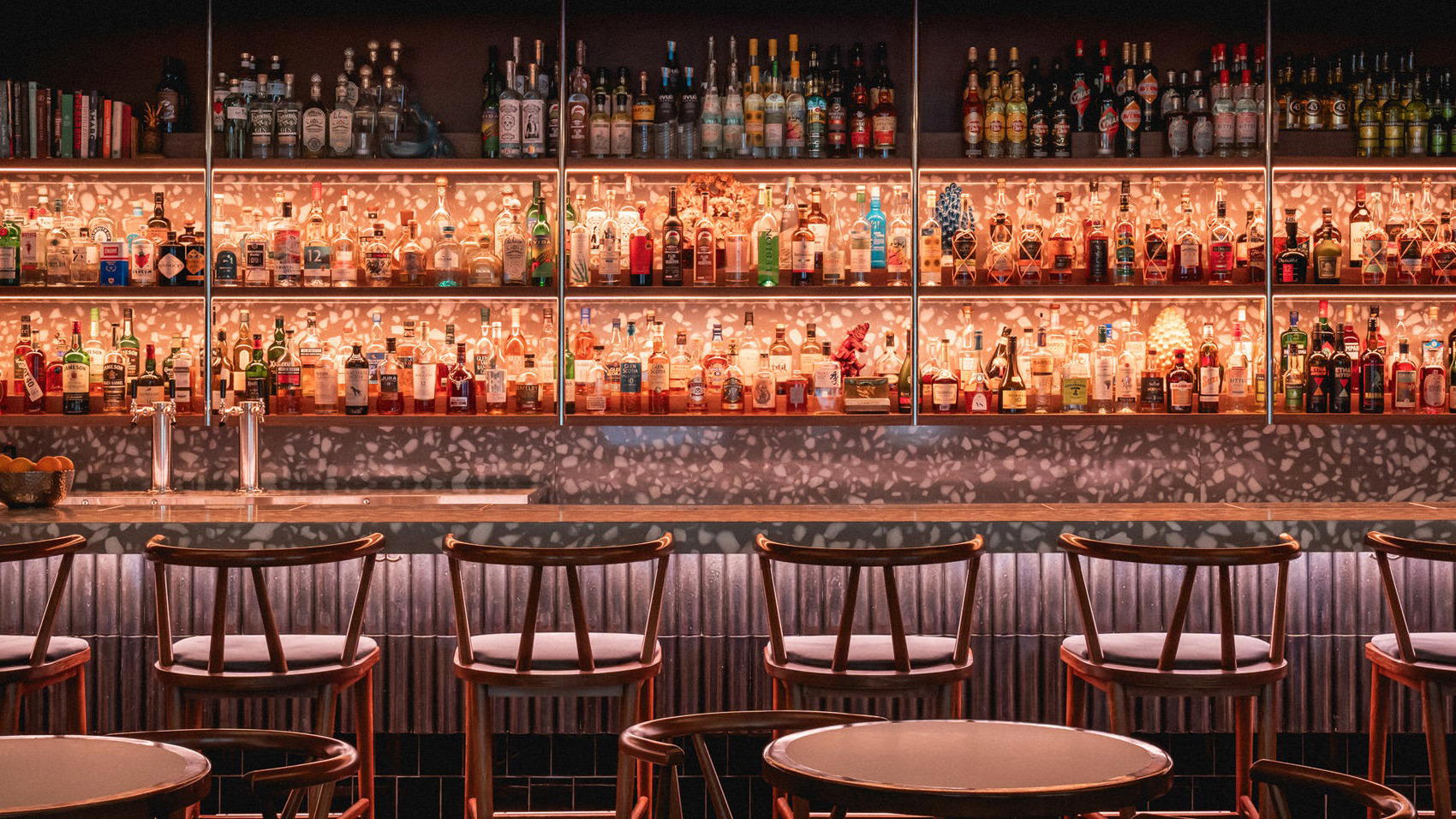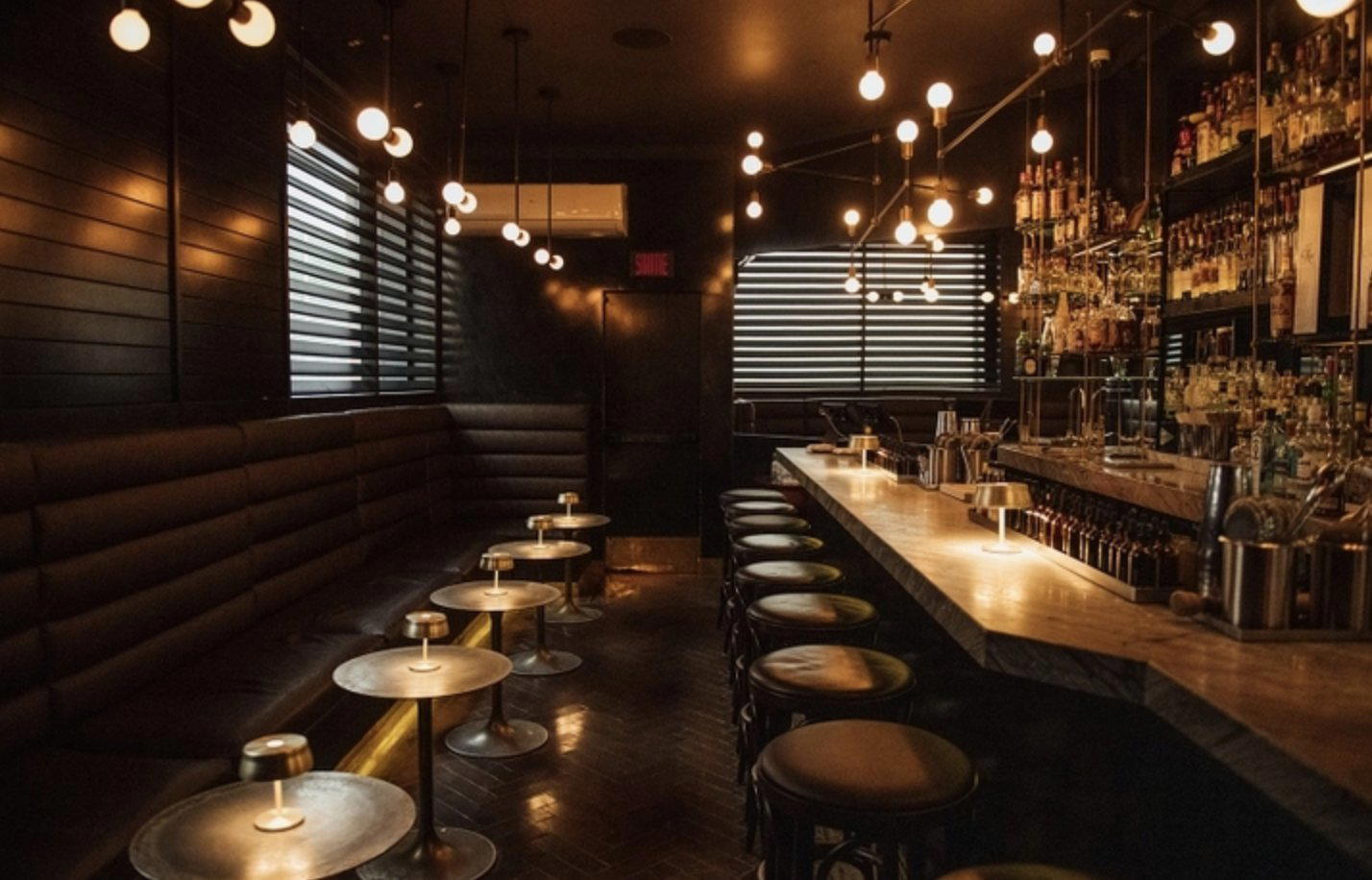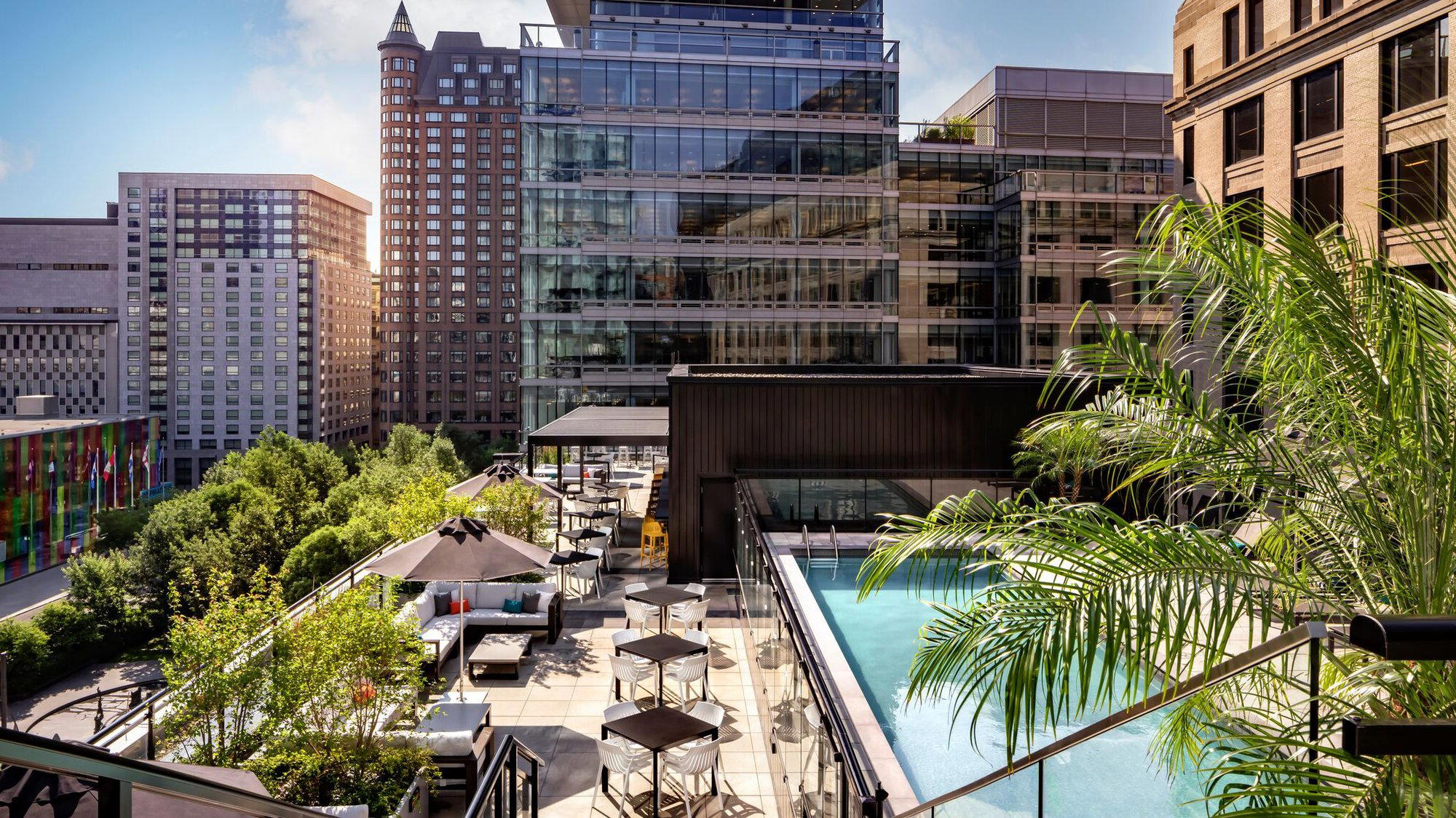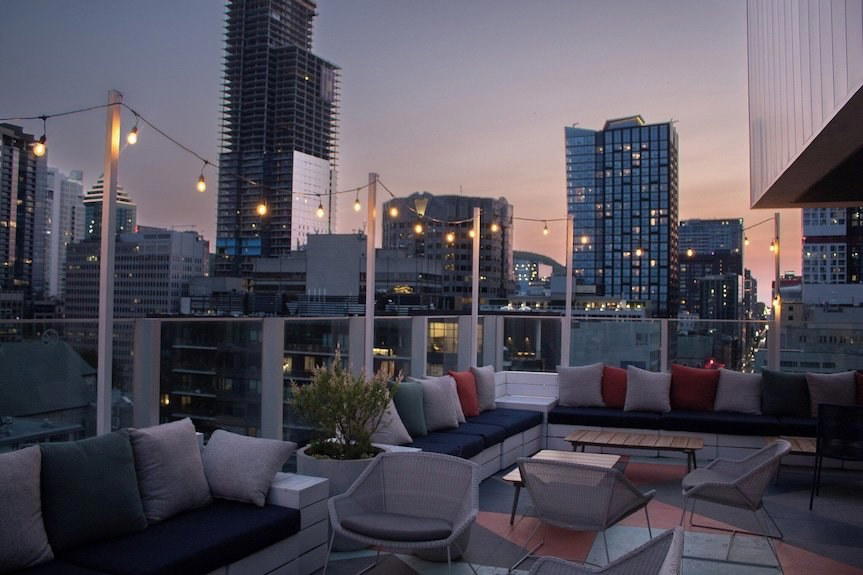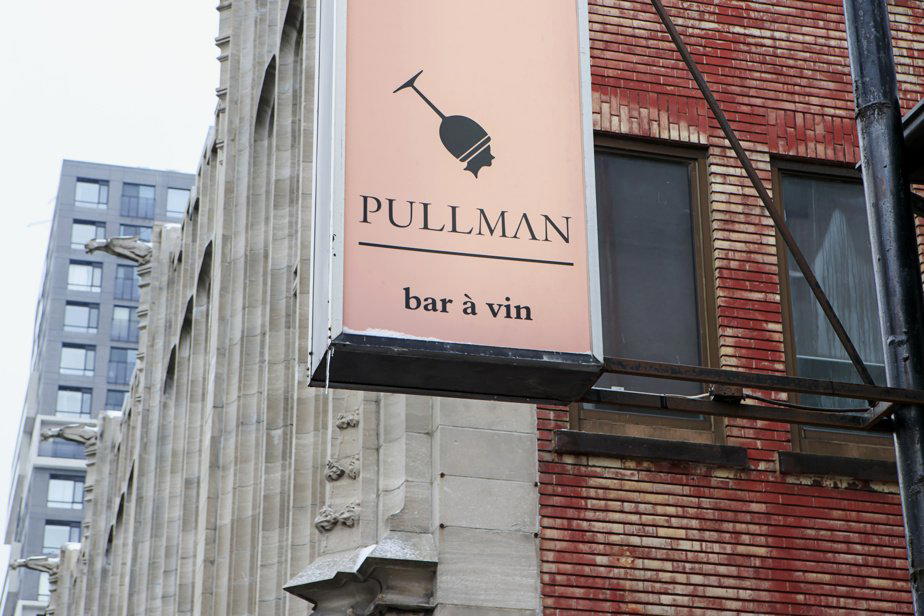
Pullman sits on Avenue du Parc at the edge of the Plateau, operating as one of Montreal's more thoughtfully assembled wine bars. The room trades on a low-lit, cellar-like atmosphere and a list that rewards sustained attention. It belongs to a tier of Montreal drinking spots where the bottle selection is the program, not just the backdrop.
Pearl is the En Primeur Club membership app — saves, bookings, and concierge access live there. Same editors, same standards.
- Address
- 3424 Av. du Parc, Montréal, QC H2X 2H5, Canada
- Phone
- +1 514 288 7779

Avenue du Parc, After Dark
There is a particular quality of light on Avenue du Parc in the early evening, when the Plateau's residential energy shifts toward something more intentional. Pullman, a bar at 3424 Av. du Parc in Montréal, occupies that transition point both literally and atmospherically. The entrance is understated in the way that Montreal wine bars have learned to be: the room does the convincing once you're inside. Low ceilings, warm materials, and the particular hum of a space where conversation competes with nothing louder than a well-chosen record. This is a room designed for attention paid to what's in the glass.
Montreal's bar scene has matured significantly over the past decade, splitting into two broad tendencies. One tendency runs toward cocktail theatre and technical ambition, represented by spots like Atwater Cocktail Club and Cloakroom, where the program is built around craft and spectacle in roughly equal measure. The other tendency is quieter and more product-driven: wine bars where the list is the argument and the room exists to support it. Pullman belongs firmly in that second category, and that positioning shapes everything from the pace of service to the structure of the evening.
The Wine Bar as Ethical Document
In cities where sustainability has become a meaningful filter for wine selection rather than a marketing afterthought, the wine list functions as a kind of editorial statement. Pullman's list has historically leaned toward producers working with reduced intervention, organic or biodynamic farming, and suppliers who can speak to provenance with some specificity. This is not an unusual position for a serious wine bar in 2024, but the difference between paying lip service to natural wine and building a coherent, navigable list around those principles is considerable. Montreal's wine bar culture, shaped partly by Quebec's own evolving small-producer scene and partly by strong import relationships with France and the natural wine corridors of Italy and Georgia, has pushed the city's better venues toward exactly this kind of sourcing discipline.
The ethical sourcing angle matters here beyond simple preference. Wine bars that commit to low-intervention producers tend to build lists that reward return visits in ways that conventional lists do not. Bottles change frequently as small-production runs sell through, and the relationship between bar and importer becomes more collaborative. For the drinker, this creates an environment where asking the person pouring your wine what's new or what arrived this week yields a genuinely different answer month to month. That dynamic is precisely what separates a destination wine bar from a room with an extensive list.
Across Canada, the bars that have built the most sustained reputations tend to be those where the program reflects a clear point of view rather than comprehensive coverage. Botanist Bar in Vancouver and Bearfoot Bistro in Whistler operate in the higher-production, experience-driven register. Pullman's register is different: quieter in scale, more focused in scope, and directed at the drinker who already knows roughly what they want and is looking for a room worthy of the conversation around it.
Where Pullman Sits in Montreal's Drinking Geography
The Plateau-Mont-Royal and Mile End neighbourhoods have long supported a density of wine bars and natural wine-adjacent spots that would be difficult to replicate in most North American cities of comparable size. Montreal's French cultural inheritance, combined with a licensing environment that has gradually become more hospitable to small, independent operators, has created conditions where a venue like Pullman can occupy a very specific niche without needing to broaden its appeal. It is not trying to be Bar Bello or Bar Bisou Bisou, both of which operate with their own distinct signatures in the cocktail-adjacent space. Pullman's identity is rooted in the bottle, and the neighbourhood's density of independent restaurants and culturally curious drinkers provides a natural audience for that identity.
Avenue du Parc is a connective corridor between the Plateau and Outremont, walkable from McGill's upper campus and a short transit ride from the Quartier des Spectacles. The location means Pullman draws from multiple overlapping audiences: academic and creative professionals from the immediate neighbourhood, visitors staying further downtown who make the deliberate trip, and the regulars who treat it as a reliable anchor in a drinking week. That mix tends to produce a room with some texture to it, where the tables are not all occupied by the same demographic or the same kind of evening.
Ordering Strategy and the Logic of the List
At a wine bar where the list is the main event, the ordering decision is less about selecting a specific bottle and more about knowing how to read the room's current priorities. The strongest wine bars in this tier tend to organize their lists by style or region rather than by variety alone, and the by-the-glass selection functions as a curated introduction to what's currently pouring well. The food at Pullman, framed as a support program rather than a destination in itself, is designed to extend the drinking rather than compete with it: small plates, cheese, charcuterie, and the kind of snack architecture that keeps the evening moving without requiring a kitchen-driven timetable.
For the reader planning a first visit, the practical shape of the evening at Pullman is closer to a European wine bar than a North American restaurant: you arrive, you're guided through what's interesting right now, and the evening extends as long as the conversation does. The room's size means it fills quickly on Thursday through Saturday evenings.
For travellers building an itinerary across Canadian cities, the comparison set is instructive. Bar Mordecai in Toronto, Humboldt Bar in Victoria, Missy's in Calgary, and Grecos in Kingston each represent a different regional take on the serious independent bar. For international context, Bar Leather Apron in Honolulu operates in a similar philosophy-first register. What links these venues is a shared premise: the program reflects a coherent worldview, and that coherence is what earns repeat visits.
Cuisine Context
A quick peer reference to anchor this venue in its category.
| Venue | Awards |
|---|---|
| PullmanThis venue — the venue you are viewing | |
| Atwater Cocktail Club | World's 50 Best |
| Bar Bello | World's 50 Best |
| Bar Bisou Bisou | World's 50 Best |
| Cloakroom | World's 50 Best |
| El Pequeño Bar | World's 50 Best |
At a Glance
- Cozy
- Elegant
- Intimate
- Date Night
- Casual Hangout
- Standalone
- Lounge Seating
- Natural Wine
- Conventional Wine
Chic, cosy atmosphere on two floors with enveloping music.