Sammi & Soup Dumpling CDN sits on Avenue Gatineau in the Côte-des-Neiges district, where Montreal's appetite for hand-folded dumplings has found a quietly serious home. The format centres on soup dumplings, xiao long bao in the tradition that rewards patience and precision, within a neighbourhood that has long supported the city's most practised Chinese cooking outside the downtown core.
Pearl is the En Primeur Club membership app — saves, bookings, and concierge access live there. Same editors, same standards.
- Address
- 5188 Av. Gatineau, Montréal, QC H3T 1W9, Canada
- Phone
- +1 438 375 7779
- Website
- sammisoupedumpling.ca
- Directions
- Get directions
 Saves & bookings on Pearl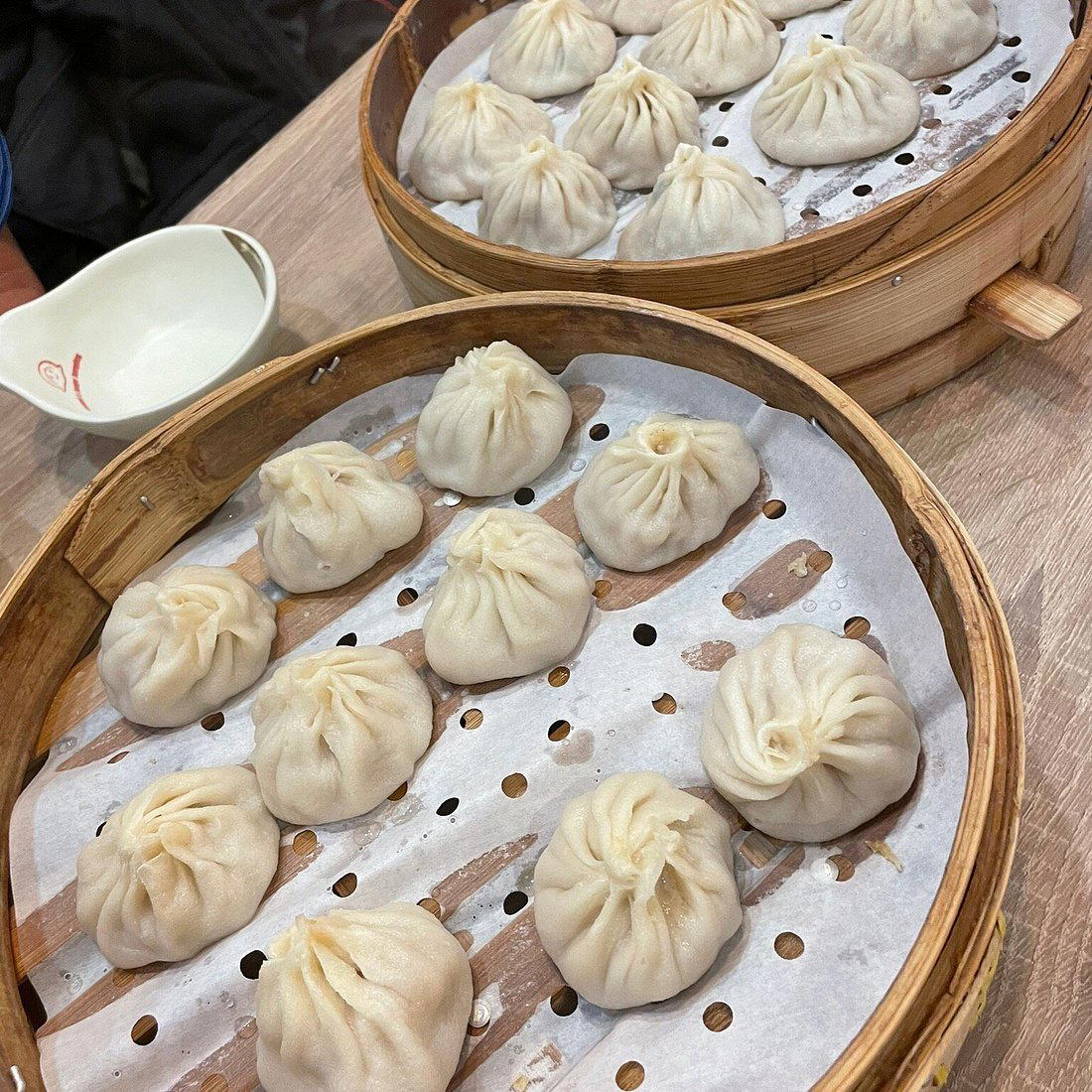
Where Côte-des-Neiges Eats Seriously
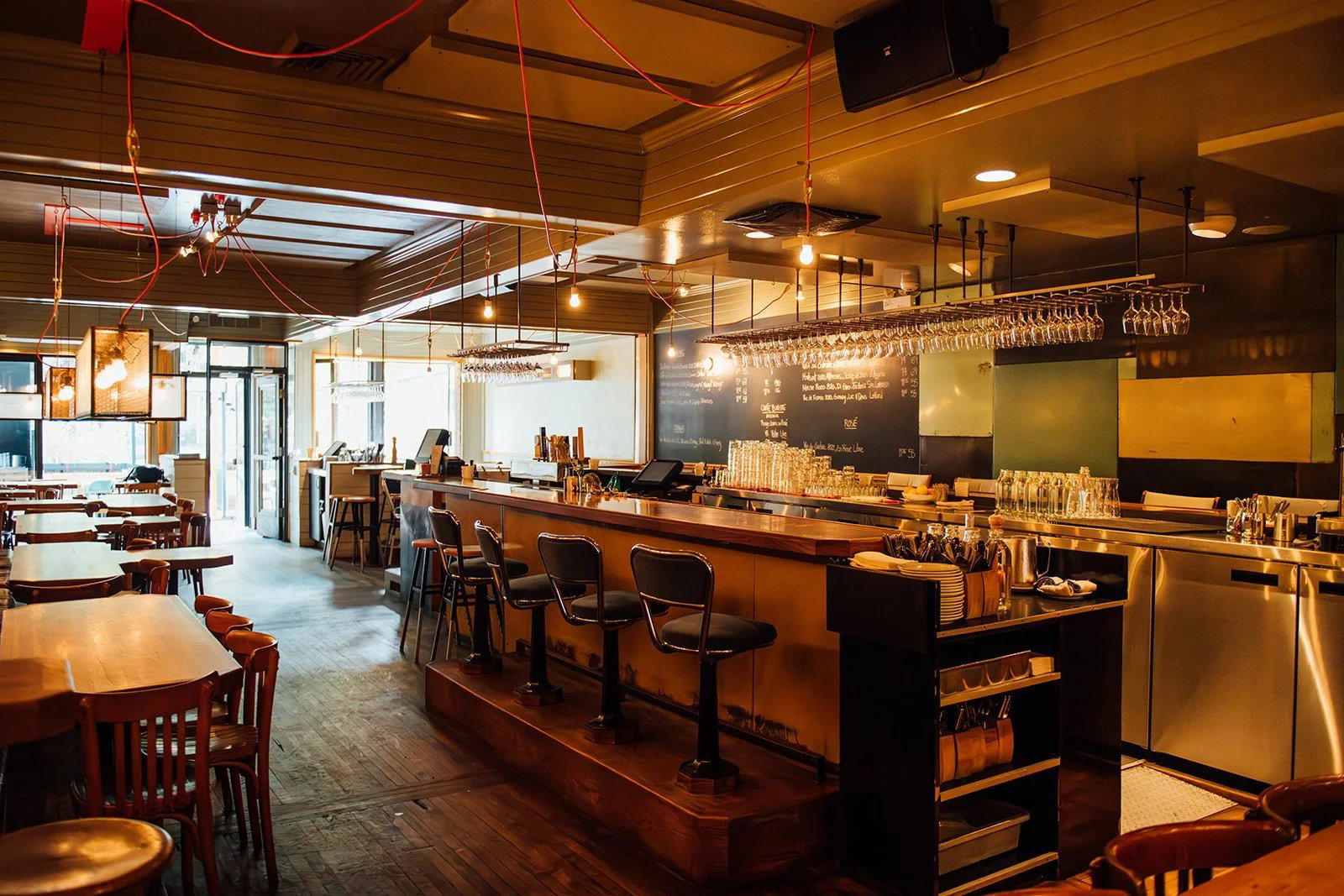
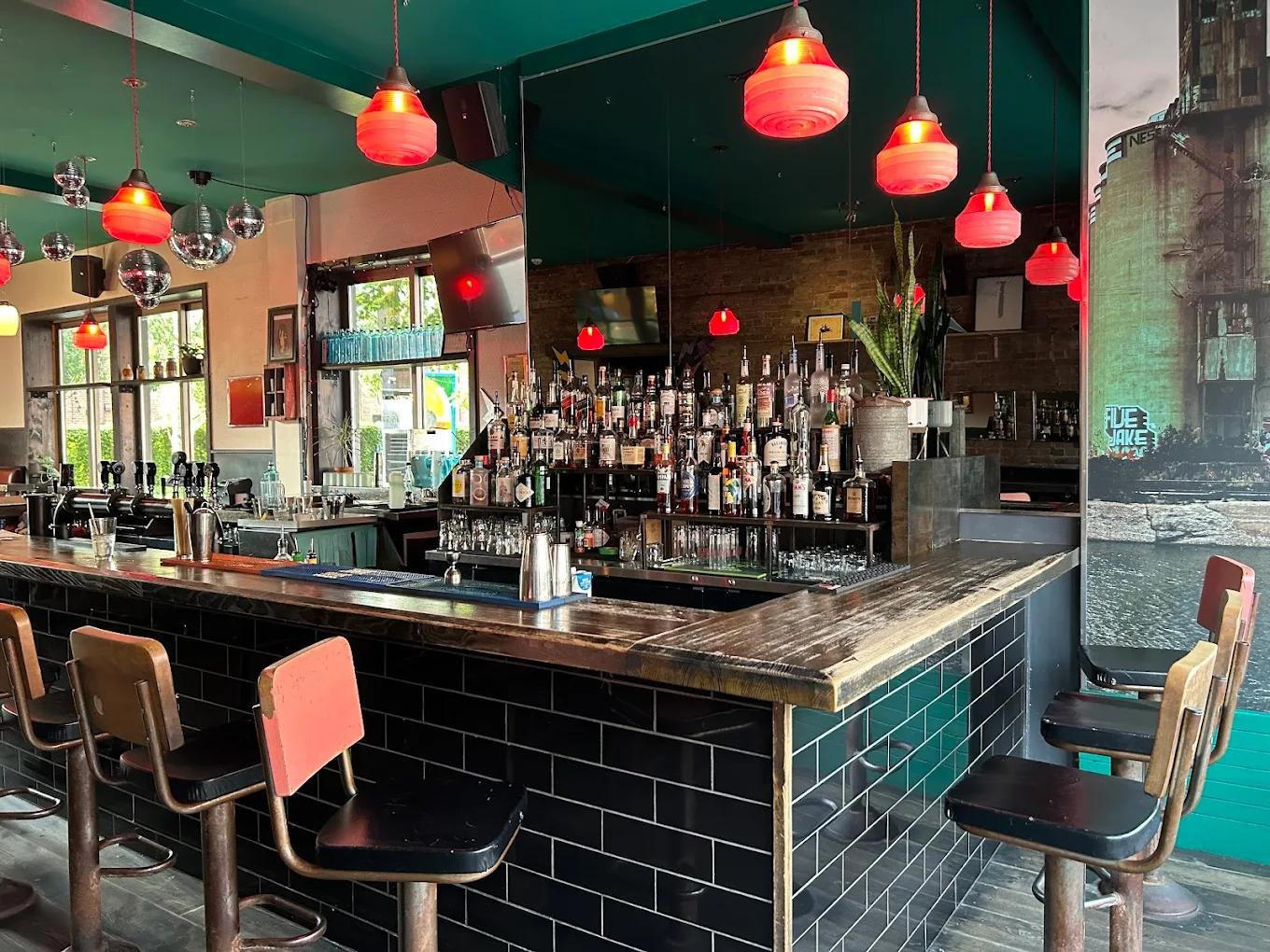
Sammi & Soup Dumpling CDN is a casual, walk-in-friendly bar at 5188 Av. Gatineau, Montréal, QC H3T 1W9, Canada. It sits within that tradition, a neighbourhood address serving a format that demands technical consistency above all else: the soup dumpling.
Xiao long bao occupy a specific and demanding position in Chinese cooking. The pleated dough must be thin enough to yield to a chopstick without tearing the wrapper prematurely, but strong enough to hold hot broth and meat filling intact until the moment of eating. Getting this right at volume, in a neighbourhood restaurant context rather than a dedicated specialist kitchen with theatrics and a reservation queue, is where most operations fall short. The question with any soup dumpling operation is not whether the concept is appealing, it is, but whether the execution is consistent across every order.
The Soup Dumpling Tradition and What It Requires
The xiao long bao originated in the Jiangnan region of China, associated most strongly with Shanghai and the surrounding province of Jiangsu. The technique involves incorporating aspic, a chilled meat gel, into the filling, which melts into broth during steaming. This is not a forgiving process. Temperature control, wrapper thickness, and the ratio of filling to aspic must all hold within tight tolerances. Restaurants that treat soup dumplings as a secondary item on a broad Chinese menu tend to produce results that are technically adequate but rarely more. Specialist operations, where the dumpling is the point rather than one option among forty, generally deliver greater consistency.
Montreal's broader dumpling scene reflects a pattern common to most North American cities with significant Chinese-Canadian populations: a handful of practitioners who know the form well, a larger number who offer it as part of a generalised menu, and a smaller subset who treat the format with the kind of precision it deserves. Côte-des-Neiges, given its concentration of working Chinese restaurants serving a community rather than a tourist audience, tends to produce more of the serious practitioners than areas shaped by visitor traffic.
Craft at the Counter: The Hospitality Approach
The editorial angle on Chinese neighbourhood restaurants in cities like Montreal often focuses on price and authenticity as linked virtues, which is accurate as far as it goes but misses the more interesting question: where is the labour and skill actually concentrated? In a soup dumpling-forward operation, the answer is in the hands that fold the wrappers. Each dumpling is individually pleated, the number of pleats, typically between twelve and eighteen in well-executed versions, is a marker of the folder's training. This is the kind of craft that sits closer to a bar program built on technique than to a kitchen producing plates in volume. The person making the dumplings is, in effect, the person setting the quality ceiling for everything that follows.
That framing matters when placing Sammi & Soup Dumpling CDN within Montreal's broader hospitality scene. The city has developed a reputation for serious beverage craft, venues like Atwater Cocktail Club, Cloakroom, and Bar Bello have established that technical discipline and neighbourhood identity can coexist, and the same principle applies to food operations where a single technique sits at the centre of the proposition. Bar Bisou Bisou represents another strand of that Montreal tendency toward focused, craft-led formats. When the format is simple and the execution is the product, the standards become clearer and the accountability is direct.
Montreal's Chinese Restaurant Geography
Montreal operates with two distinct nodes of Chinese dining. The older, more visitor-facing cluster runs through the official Chinatown around Boulevard Saint-Laurent, where a mix of Cantonese stalwarts and newer pan-Asian operations compete for pedestrian traffic. The second node is dispersed through Côte-des-Neiges, Snowdon, and the surrounding residential belt, where the restaurants are feeding a local population with different expectations and less tolerance for compromise on fundamentals. Avenue Gatineau sits in that second geography.
Repeat customers who eat the same dish weekly and notice when it changes tend to keep standards high.
Planning Your Visit
Avenue Gatineau is accessible from the Côte-des-Neiges metro station on the blue line, placing the restaurant within reach of central Montreal without requiring a car. The neighbourhood is primarily residential, so the practical rhythm of the area runs toward lunch and early dinner. For context on how Montreal's more visible drinking and dining scene maps against neighbourhood operations like this one, the full Montreal restaurants guide provides broader orientation.
Budget Reality Check
Comparable venues nearby, for context on price, style, and recognition.
| Venue | Cuisine | Price | Notes |
|---|---|---|---|
| Sammi & Soup Dumpling CDNThis venue — the venue you are viewing | Edouard-Montpetit, lounge | $$ | Not listed |
| Pullman | Not listed | $$ | Milton-Parc, wine_bar |
| Bar Mamie | Not listed | $$ | District de Saint-Édouard, wine_bar |
| Bar Henrietta | Not listed | $$ | Mile End, cocktail_bar |
| larrys | Not listed | $$ | Mile End, wine_bar |
| vinvinvin | Not listed | $$ | Pere-Marquette, wine_bar |
At a Glance
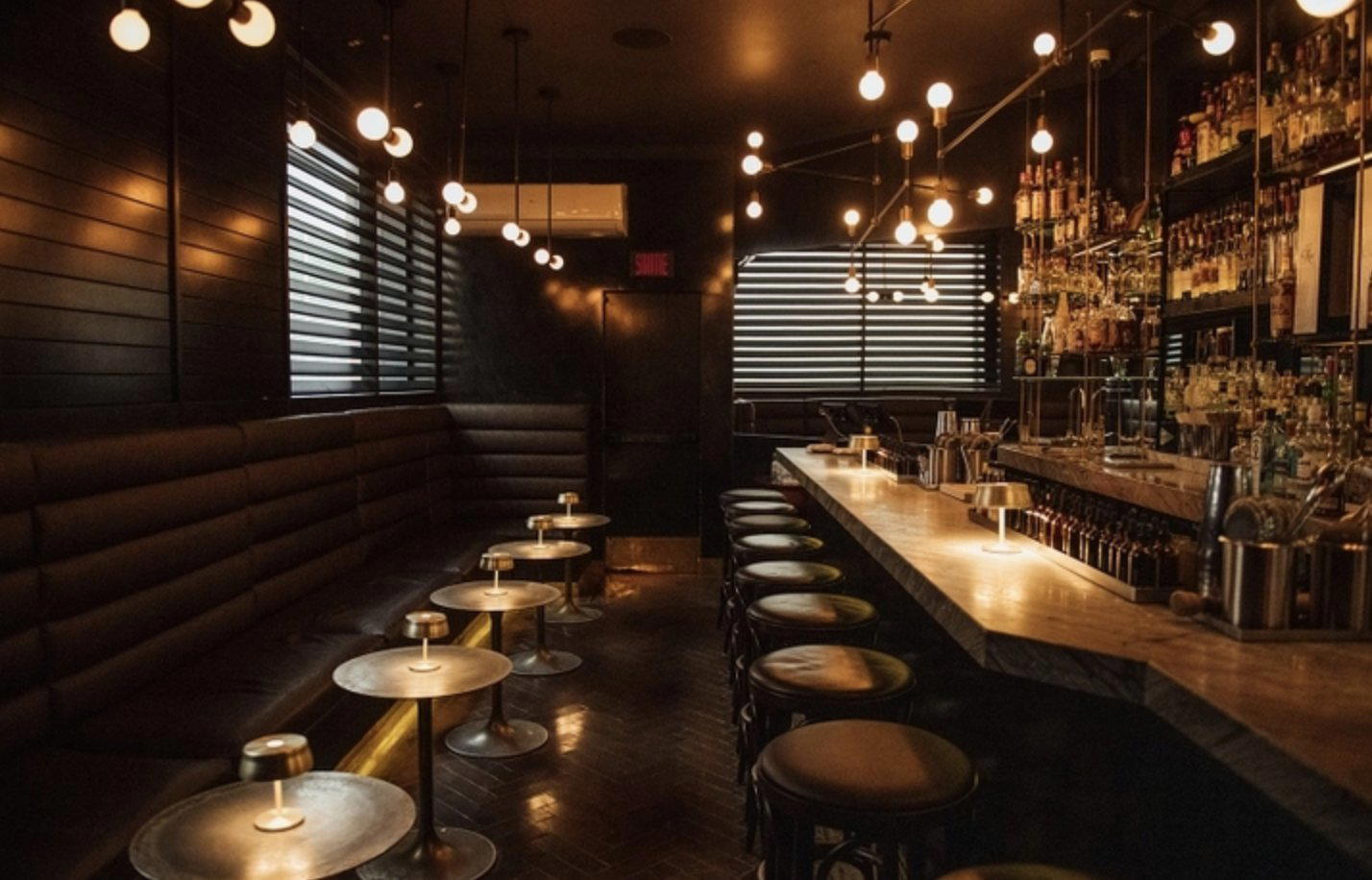
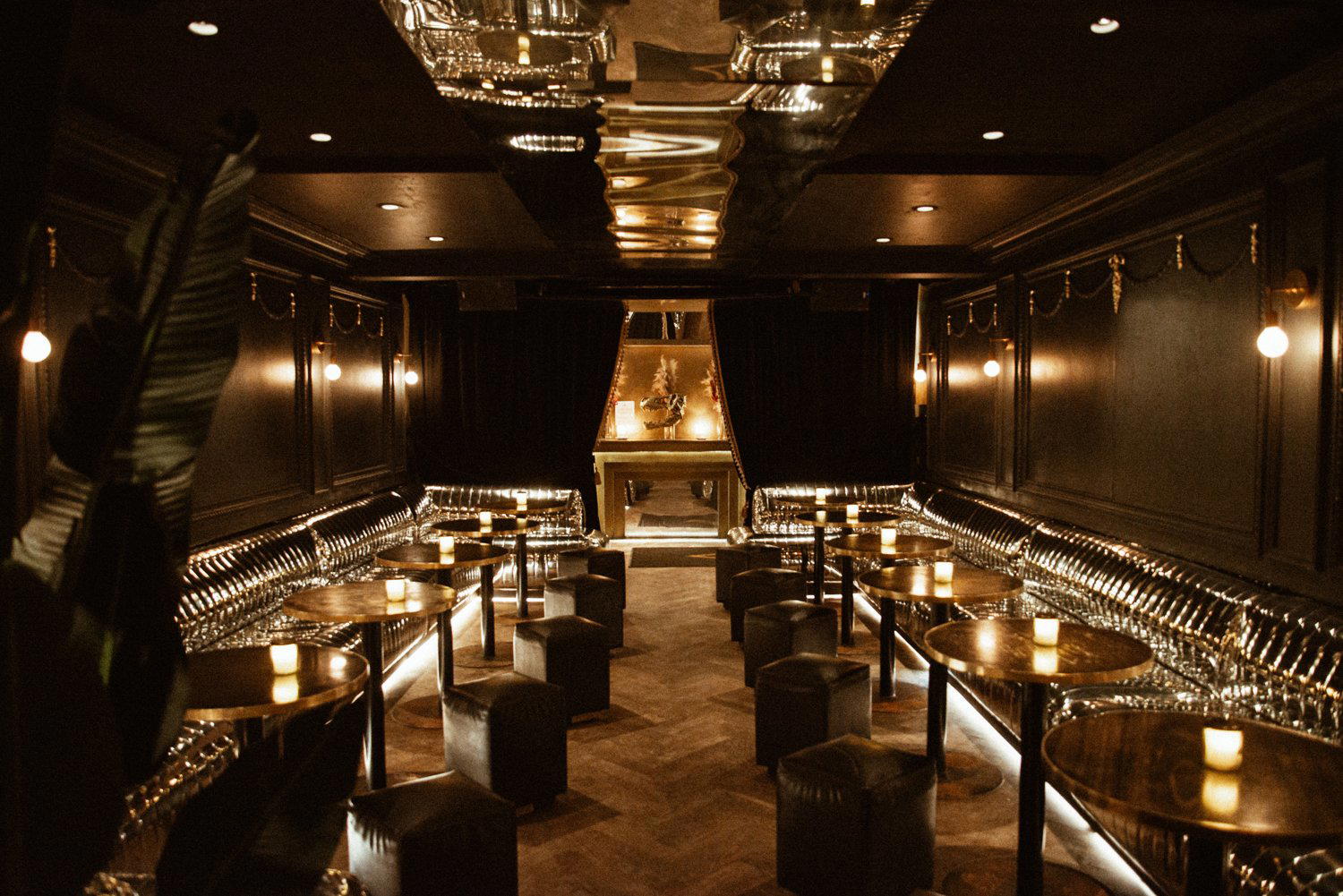
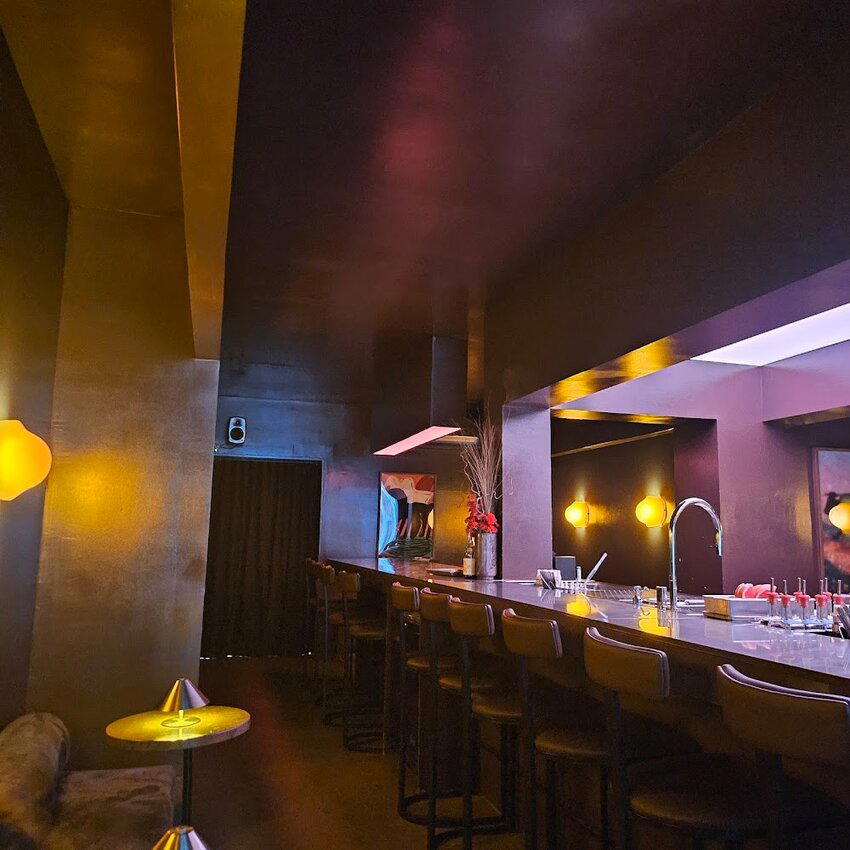
- Cozy
- Trendy
- Casual Hangout
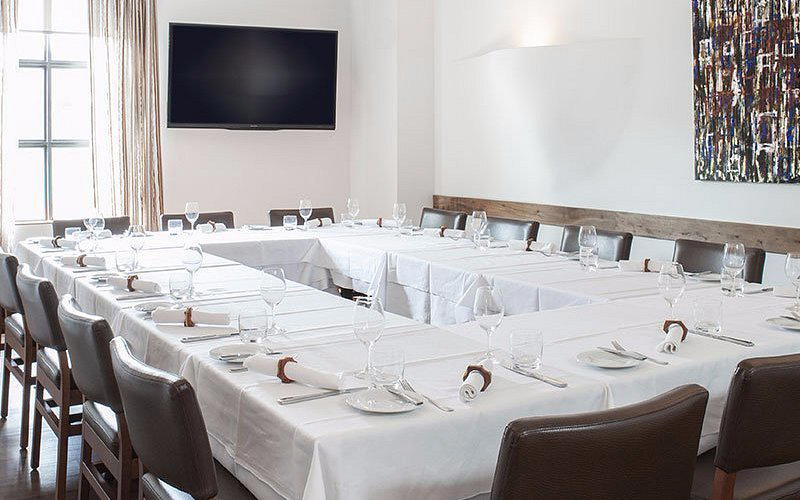
- Group Outing
- Standalone
- Seated Bar
- Communal Tables
- Classic Cocktails
Current opening hours
- Monday
- 11 AM–10 PM
- Tuesday
- 11 AM–10 PM
- Wednesday
- 11 AM–10 PM
- Thursday
- 11 AM–10 PM
- Friday
- 11 AM–10 PM
- Saturday
- 11 AM–10 PM
- Sunday
- 11 AM–10 PM
Hours can change for holidays and private events. Last verified .
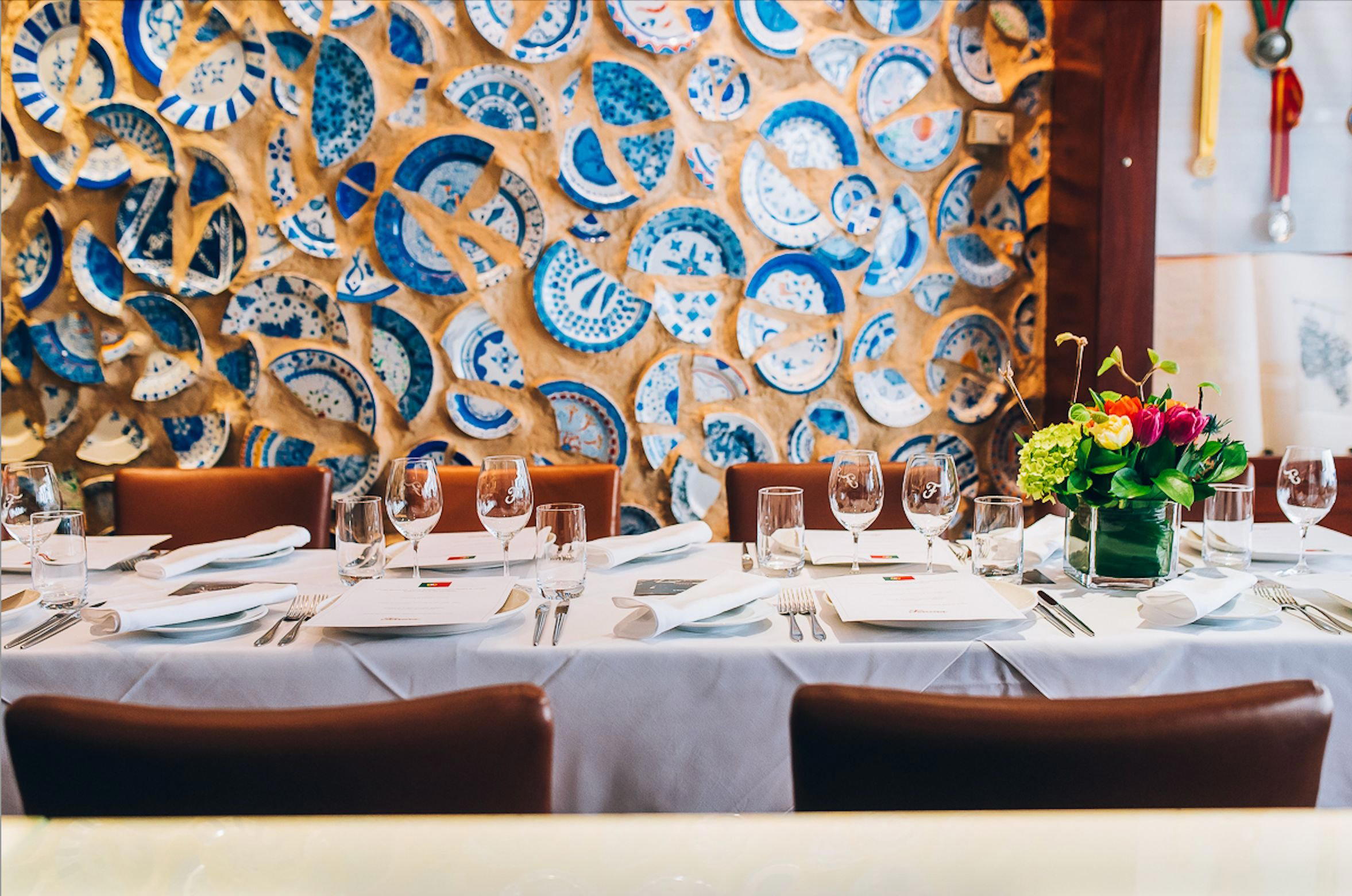
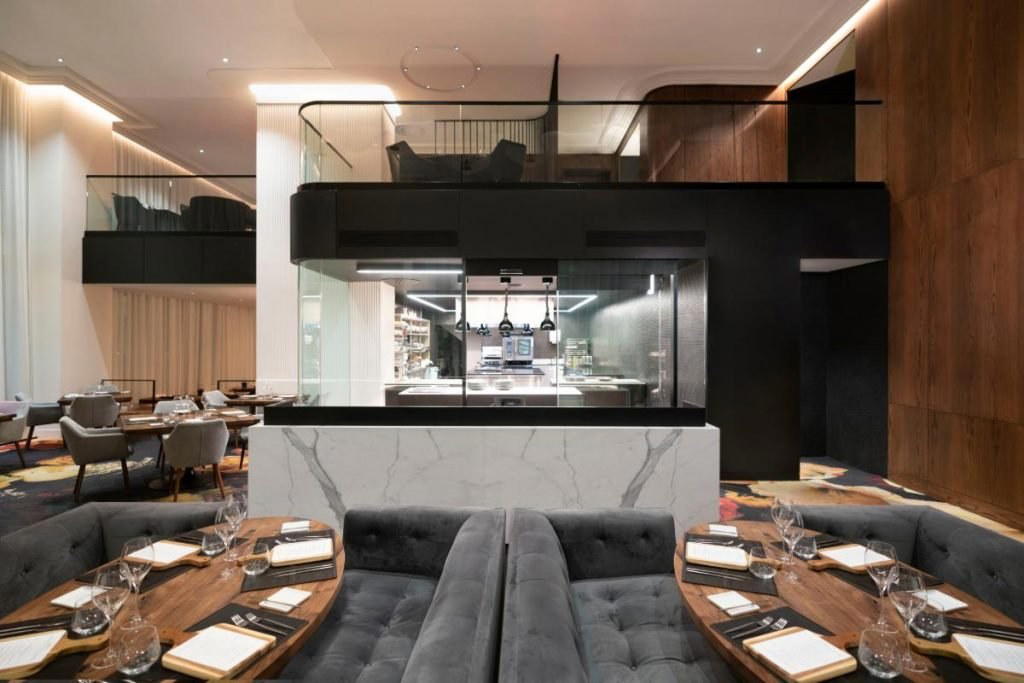
Clean, well-maintained, and welcoming with a modern casual atmosphere.