Broue Pub Brouhaha on Avenue De Lorimier sits squarely in Montreal's neighbourhood craft beer culture, where rotating taps and a low-key room pull in a local crowd more interested in the pour than the scene. The address places it in the Rosemont-La Petite-Patrie corridor, a district that has developed one of the city's more coherent pub-going cultures away from the downtown cocktail circuit.
Pearl is the En Primeur Club membership app — saves, bookings, and concierge access live there. Same editors, same standards.
- Address
- 5860 Av. De Lorimier, Montréal, QC H2G 2N9, Canada
- Phone
- +1 514 271 7571
- Website
- brouepubbrouhaha.com
- Directions
- Get directions
 Saves & bookings on Pearl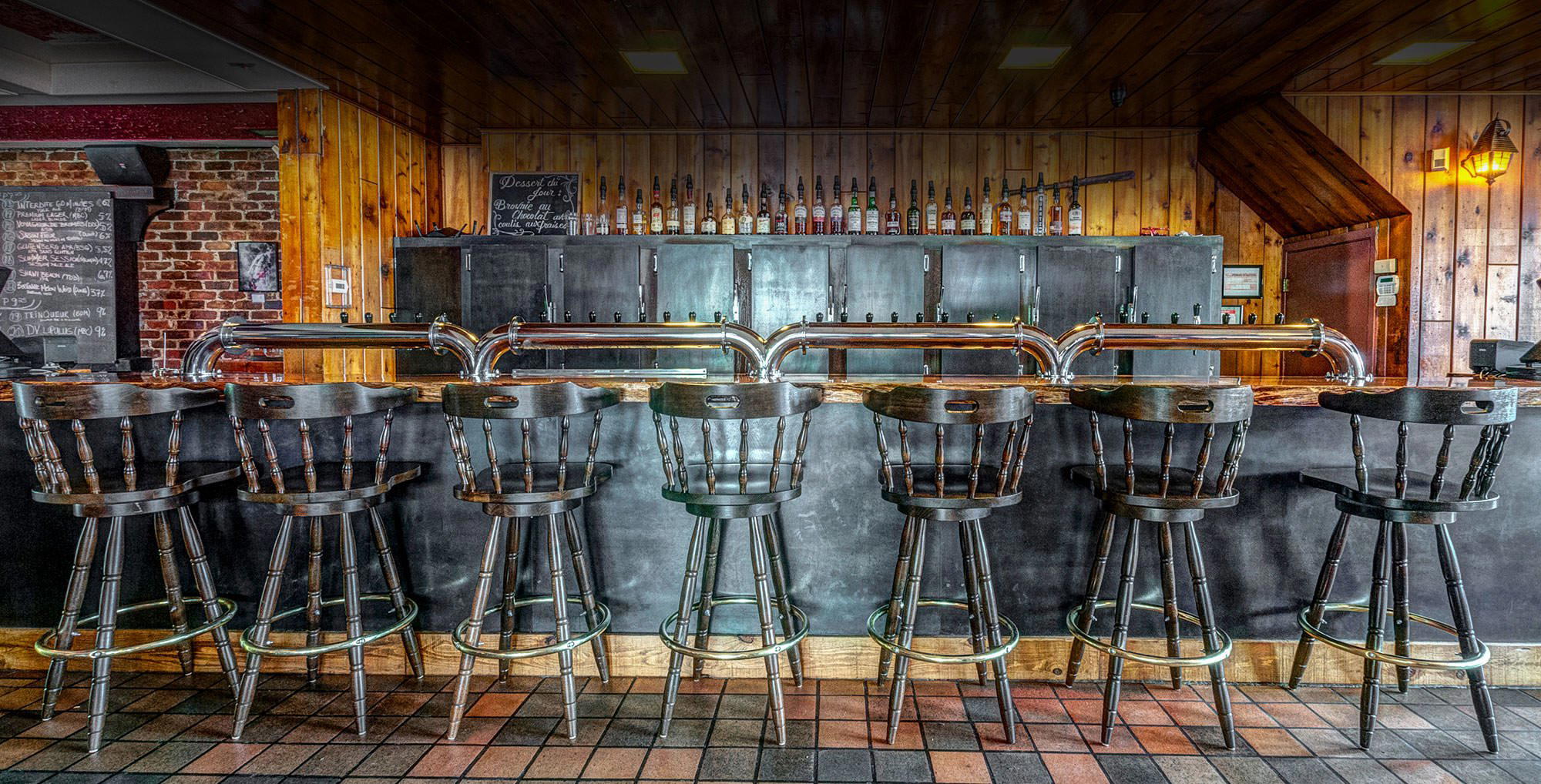
Avenue De Lorimier and the Rosemont Beer Culture
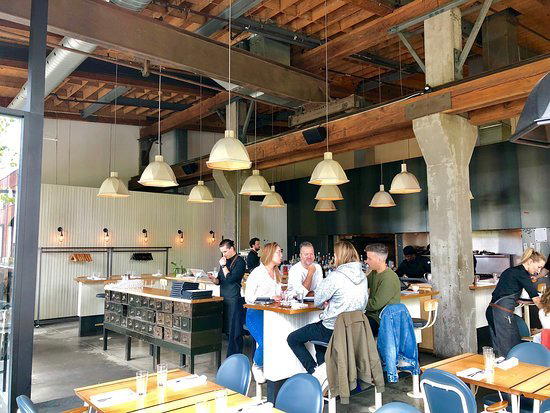
Broue Pub Brouhaha is a bar in Montreal's Rosemont-La Petite-Patrie district, at 5860 Avenue De Lorimier, with a casual dress code and a walk-in-friendly format. It runs through the residential corridors of Rosemont-La Petite-Patrie, where a cluster of neighbourhood brewpubs and beer-forward bars has developed over the past decade into something more durable than a trend. Broue Pub Brouhaha, at 5860 Avenue De Lorimier, sits inside that geography, drawing from a catchment of locals who treat it as a regular stop rather than a destination visit.
The neighbourhood context matters here. Rosemont-La Petite-Patrie has attracted a concentration of small-format drinking spots that operate with low overhead, rotating tap lists, and a room atmosphere closer to a Flemish brown café than a polished Canadian bar. That model, common in Brussels and Ghent, found a natural foothold in Montreal's bilingual, European-inflected drinking culture. Broue Pub Brouhaha fits that pattern: the name itself signals intent, combining broue (Québécois slang for beer) with brouhaha, which communicates exactly what kind of evening the room invites.
Where It Sits in Montreal's Bar Ecosystem
Montreal's bar scene in 2024 spans a wide range of registers. On one end, cocktail-focused rooms like Atwater Cocktail Club and Cloakroom operate with tight menus, technical programs, and reservation-adjacent access models. On the other end, neighbourhood pubs absorb foot traffic without theatre. The bar occupies the latter position, and does so without apology. It shares more DNA with a well-run Belgian-style local than with the styled cocktail venues that attract coverage in international food and travel media.
That positioning is a deliberate comparable set, not a consolation. Bars like Bar Bello and Bar Bisou Bisou have built reputations on atmosphere and menu curation that extends beyond the beer list. Brouhaha's approach narrows that focus to the tap selection and the social temperature of the room, which keeps the experience legible for a local audience. Visitors who arrive expecting the production values of a designed cocktail bar will find something different; those who arrive for a cold, well-kept pint in a room with actual noise will find what they came for.
The Team Dynamic in a Neighbourhood Pub
In high-concept venues, the editorial angle on staffing tends toward the chef-sommelier relationship or the bartender's technical lineage. In a neighbourhood brewpub, the collaboration that defines the experience operates differently. The front-of-house at a place like Brouhaha is not executing a mise en scène designed by a named creative director; it is managing the pace of a room where regulars expect to be recognised and first-timers expect to be oriented. That requires a different kind of floor intelligence.
The tap management role in a bar with rotating craft selections carries weight that is easy to undervalue. Choosing which breweries rotate onto the list, which styles anchor the permanent section, and how the selection reads across the price points available to a neighbourhood audience is a form of curation with real consequences for the room. Montreal's craft beer supply chain is deep: Quebec has more than 200 licensed micro-breweries, and the province's brewery density is among the highest in Canada. A pub on Avenue De Lorimier with a well-considered tap list is making editorial decisions every time a keg kicks and a new one goes on. The staff who explain those decisions to the room are doing the work that a sommelier does in a wine-forward restaurant, with less prestige but equivalent importance to the guest experience.
Montreal's Craft Beer Context
Quebec's beer culture diverged from the rest of Canada in ways that go beyond language. The province's dépanneur system, which allows convenience stores to sell beer and wine, created a different consumer relationship with alcohol than in provinces governed by state-run liquor monopolies. That accessibility pushed quality differentiation upward: if anyone can buy a Molson at the corner store, a brewpub's value proposition has to rest on something else. The result is a market where small-format bars compete on the quality and originality of their tap list, not on the convenience of access.
That competitive pressure has produced a Montreal craft beer scene with genuine depth. Breweries like Dieu du Ciel, Brasserie Dunham, and Les Trois Mousquetaires distribute into the city's pub market, and the tap lists at neighbourhood spots reflect those relationships. A bar on the De Lorimier axis can credibly pour IPAs, sours, farmhouse ales, and Québécois lagers within a single evening's service without straining for variety. The bar exists inside that supply structure, which sets a baseline level of quality for what arrives at the table.
Elsewhere in Canada, the brewpub and craft bar format has developed its own regional variations: Bar Mordecai in Toronto and Bearfoot Bistro in Whistler represent different points on the spectrum, as do Botanist Bar in Vancouver, Humboldt Bar in Victoria, Missy's in Calgary, and Grecos in Kingston. The comparison reveals how differently each city has absorbed the craft beer moment. Beyond Canada, Bar Leather Apron in Honolulu offers a useful counterpoint in terms of what craft-focused hospitality looks like when the climate and tourism context shift completely.
Planning a Visit
The bar is at 5860 Avenue De Lorimier in the Rosemont-La Petite-Patrie district, accessible from the Rosemont metro station on the orange line. The neighbourhood format means walk-ins are the norm rather than the exception; this is not a venue that operates on a reservations model. Evening visits will find the room at its loudest and most social. For those who prefer a quieter read of the tap list, earlier in the week or mid-afternoon on a weekend offers a different pace.
Price and Positioning
Comparable venues nearby, for context on price, style, and recognition.
| Venue | Cuisine | Price | Notes |
|---|---|---|---|
| Broue Pub BrouhahaThis venue — the venue you are viewing | Louis-Hebert, pub | $$ | Not listed |
| Paradis Montreal | La Fontaine Park, Bar | $$ | Not listed |
| Bar Alexandraplatz | Not listed | $$ | District de Saint-Édouard, beer_bar |
| Sammi & Soup Dumpling CDN | Edouard-Montpetit, lounge | $$ | Not listed |
| vinvinvin | Not listed | $$ | Pere-Marquette, wine_bar |
| Cardinal Tearoom | Mile End, lounge | $$ | Not listed |
At a Glance
- Lively
- Casual
- Cozy
- Rustic
- Casual Hangout
- Group Outing
- After Work
- Standalone
- Beer Garden
- Seated Bar
- Lounge Seating
- Outdoor Terrace
- Private Rooms
- Craft Beer