Proper Brick Oven & Tap Room
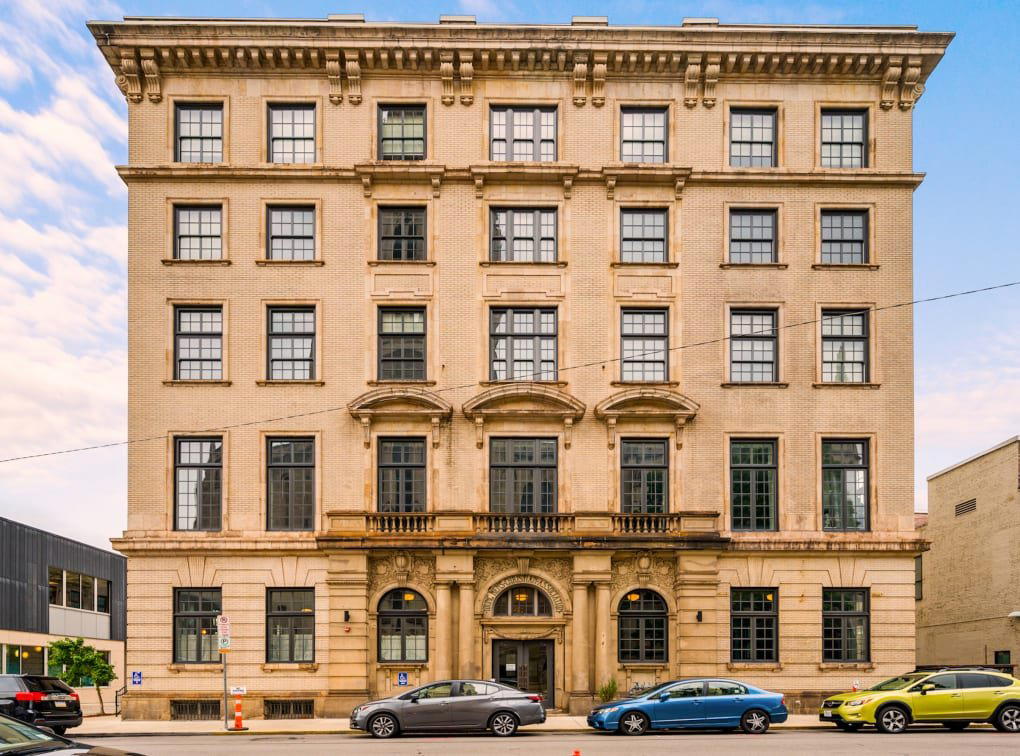
On 7th Street in Pittsburgh's Cultural District, Proper Brick Oven & Tap Room occupies the intersection of wood-fired cooking and a serious tap program in a city that has rebuilt its bar and restaurant identity around exactly that combination. The brick oven anchors the food side; the tap room signals equal ambition on the drinks side. It sits in a neighbourhood where pre-theatre and post-game traffic both converge.

Pearl is the En Primeur Club membership app — saves, bookings, and concierge access live there. Same editors, same standards.
- Address
- 139 7th St, Pittsburgh, PA 15222
- Phone
- (412) 281-5700
- Hours
- Mon 5–11 PMTue–Sat 11 AM–11 PMSun 11 AM–9 PM
- Website
- properpgh.com
- Directions
- Get directions
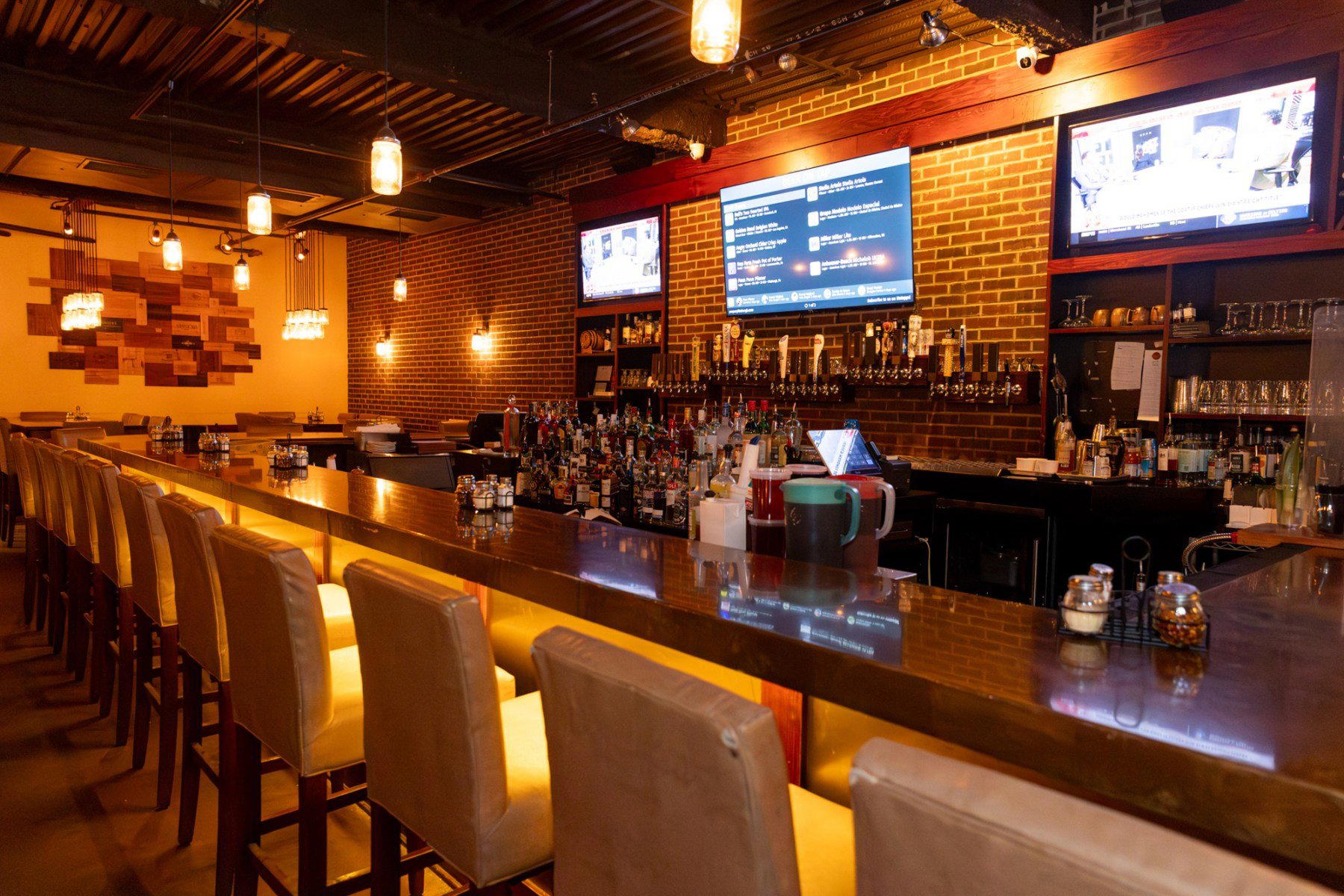
7th Street and the Case for Brick-Fired Drinking
Pittsburgh's Cultural District has undergone a sustained reinvention over the past decade. What was once a corridor defined primarily by foot traffic between Heinz Hall and the parking garages behind it now holds a credible cluster of bars and restaurants that function independently of performance schedules. Proper Brick Oven & Tap Room at 139 7th Street sits inside that shift, occupying a format — wood-fired oven paired with a curated tap selection — that has become one of the more durable concepts in American casual dining. The combination is not accidental. Brick oven heat and tap-room volume are both operations that reward consistent throughput, and a neighbourhood with theatre audiences, convention visitors, and office workers provides exactly that.
The address places it within walking distance of the Allegheny River waterfront and the Andy Warhol Museum bridge crossing, which means the evening crowd arrives in waves rather than a single rush. That kind of staggered traffic shapes how a tap room operates: the beer list needs enough range to serve a pre-show diner at 6pm and a post-game drinker at 10pm. Whether the current programme achieves that range is a function of curation philosophy as much as volume, and brick-oven venues in this price tier across American cities have increasingly used the tap side of the house to differentiate themselves in ways the food alone cannot.
The Tap Room as Editorial Statement
Across American cities, the tap room model has split into two legible camps. The first treats draught lines as high-rotation commodity, popular regional IPAs, a couple of imports, a rotating seasonal. The second uses the tap list as a curatorial argument: limited lines, deliberate regional sourcing, a programme that changes to reflect what breweries are actually doing rather than what distributors are pushing. Pittsburgh's bar scene has increasingly leaned toward the latter, with venues like Allegheny Wine Mixer demonstrating that serious beverage curation can anchor a neighbourhood identity rather than just complement a food programme.
A brick-oven kitchen creates a natural pairing framework for the drinks side. The char, smoke, and caramelisation that come from high-temperature stone or clay baking call for beverages with enough structure to hold against them, malt-forward lagers, amber ales, wheat beers with residual sweetness, or on the wine side, medium-weight reds with some acidity. Venues that understand this alignment between kitchen temperature and glass tend to build tap programmes with more internal logic than those that treat the two sides of the house as separate operations. For a tap room anchored by a brick oven, the wine and beer list is not supplementary, it is the other half of the argument.
For context on how serious tap-room curation works at the national level, programmes at venues like ABV in San Francisco and the cocktail-focused approach at Kumiko in Chicago illustrate how the drinks side of a food-and-drink operation can carry its own editorial weight. Pittsburgh is not operating at the same tier of national recognition as those programmes, but the city's better beverage venues have been narrowing that gap.
Pittsburgh's Broader Drinking Scene as Context
Understanding where Proper Brick Oven & Tap Room sits requires some familiarity with how Pittsburgh's bar and restaurant identity has reorganised itself. The city spent years defined by its blue-collar drinking culture, shot-and-a-beer bars in Lawrenceville, neighbourhood taverns in Squirrel Hill, and that foundation has not disappeared so much as been layered over by a second generation of venues with more explicit beverage ambitions. Alla Famiglia represents one pole of that evolution on the Italian-American fine dining side. Allegheny Elks Lodge #339 and Aiello's Pizza Squirrel Hill represent the persistence of the neighbourhood-rooted format. The Cultural District occupies a middle position: accessible enough for visitors, specific enough for locals with opinions.
That positioning matters for a tap room. The audience in the Cultural District is not a single demographic but a rotating cast: convention attendees on expense accounts, theatre subscribers who have been coming to this neighbourhood for thirty years, younger residents from the Strip District and North Side who walk across bridges for dinner. A tap programme that works for all three requires range without incoherence, a list that can accommodate a first-time Pittsburgh visitor ordering whatever is local and a regular who wants something specific and less obvious.
For reference on how craft beverage programmes function in comparable mid-sized American cities, venues like Julep in Houston and Jewel of the South in New Orleans show how regional identity can be expressed through the glass as much as the plate. Bar Leather Apron in Honolulu and Superbueno in New York City illustrate the further end of that spectrum, where the drinks programme is the primary reason for the visit. Proper Brick Oven & Tap Room operates in the space between those poles, a venue where food and drink carry roughly equal weight in the proposition. The Parlour in Frankfurt on the Main offers a European parallel where an informal food format is anchored by a serious drinks list, a combination that proves the model travels across markets.
Planning a Visit
The 7th Street address puts Proper Brick Oven & Tap Room within the Cultural District's walkable core, accessible on foot from the Wood Street and Steel Plaza subway stations and a short walk from the convention centre hotels along Penn Avenue. The neighbourhood's mixed-use character means the room draws different crowds at different hours, the pre-theatre window between 5:30pm and 7:30pm tends to turn tables quickly, while later in the evening the tap room side of the operation comes into its own. For a fuller map of where this venue sits in Pittsburgh's drinking and dining scene, the full Pittsburgh restaurants guide covers the city's neighbourhoods and their distinct characters in more depth.
Comparable Spots
Comparable venues nearby, for context on price, style, and recognition.
| Venue | Cuisine | Price | Notes |
|---|---|---|---|
| Proper Brick Oven & Tap RoomThis venue — the venue you are viewing | beer_bar | $20–30 | Not listed |
| Lorelei | beer_bar | $20–30 | East Liberty |
| Condado Tacos | Bar | $20–30 | Central Business District |
| Over Eden | rooftop_bar | $30–50 | Lower Lawrenceville |
| Brillobox | pub | $10–20 | Lower Lawrenceville |
| FET-FISK restaurant + bar | cocktail_bar | Not listed | Bloomfield |
Continue exploring
More in Pittsburgh
Bars in Pittsburgh
Browse all →
Restaurants in Pittsburgh
Browse all →

Details
- Cozy
- Casual
- Lively
- Casual Hangout
- After Work
- Group Outing
- Standalone
- Seated Bar
- Booth Seating
- Craft Beer
- Conventional Wine
Current opening hours
- Monday
- 5–11 PM
- Tuesday
- 11 AM–11 PM
- Wednesday
- 11 AM–11 PM
- Thursday
- 11 AM–11 PM
- Friday
- 11 AM–11 PM
- Saturday
- 11 AM–11 PM
- Sunday
- 11 AM–9 PM
Hours can change for holidays and private events. Last verified .