Mola
On Penn Avenue in Pittsburgh's Garfield neighborhood, Mola occupies a stretch of the city's most consequential dining corridor, where independent operators have reshaped expectations for what a mid-sized American city can produce at the table.

Pearl is the En Primeur Club membership app — saves, bookings, and concierge access live there. Same editors, same standards.
- Address
- 6018 Penn Ave, Pittsburgh, PA 15206
- Phone
- (412) 365-6688
- Hours
- Mon–Thu 11:30 AM–9 PMFri 11:30 AM–10 PMSat 12–10 PMSun 12–8:30 PM
- Website
- themolafish.com
- Directions
- Get directions
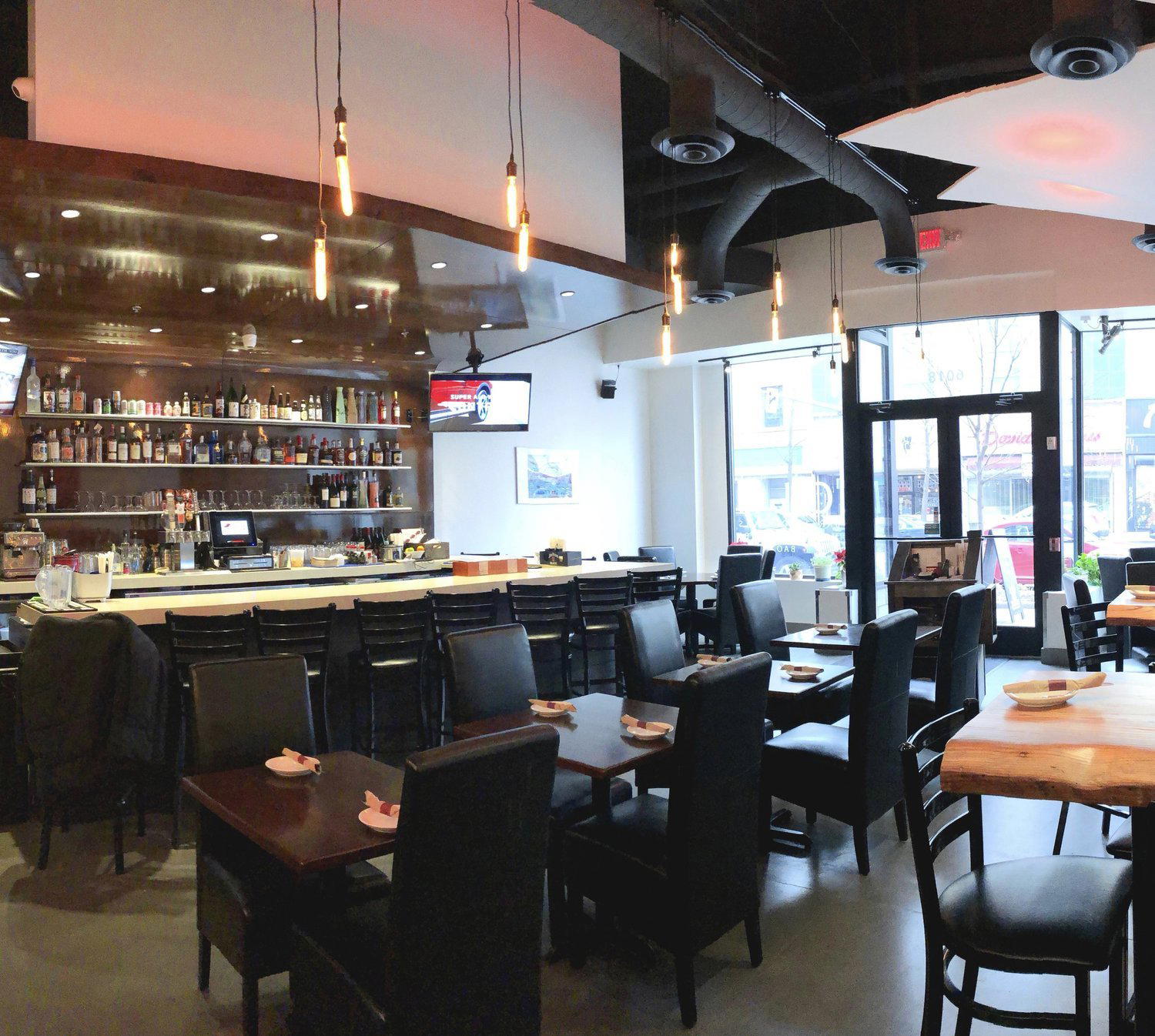
Penn Avenue and the Space Between Ambition and Neighborhood
Garfield's section of Penn Avenue has become one of the more instructive strips in Pittsburgh dining, a corridor where the city's independent restaurant energy is most legible. The blocks around 6018 Penn Ave have attracted operators who are less interested in replicating national trends than in working within the specific grain of a Pittsburgh neighborhood. Mola sits inside that pattern, at an address that functions as something of a litmus test for how seriously a visitor wants to engage with the city's current dining character rather than its more established, tourist-facing version.
Pittsburgh's dining scene has undergone a structural shift over the past decade. The old model, anchored by red-sauce institutions and strip-district imports, coexists now with a second generation of focused, smaller operators whose spatial choices are often as deliberate as their menus. Garfield is not Shadyside, and Penn Avenue is not East Carson Street — the neighborhood retains an industrial residue and a demographic mix that keeps its restaurant culture from curdling into self-satisfaction. That context matters when reading what a room like Mola's communicates before a single plate arrives.
The Physical Container as Editorial Statement
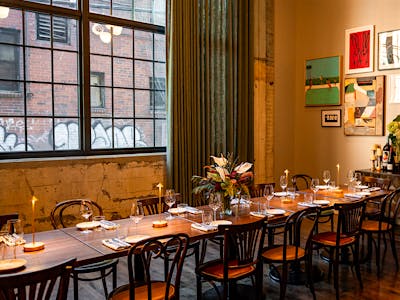
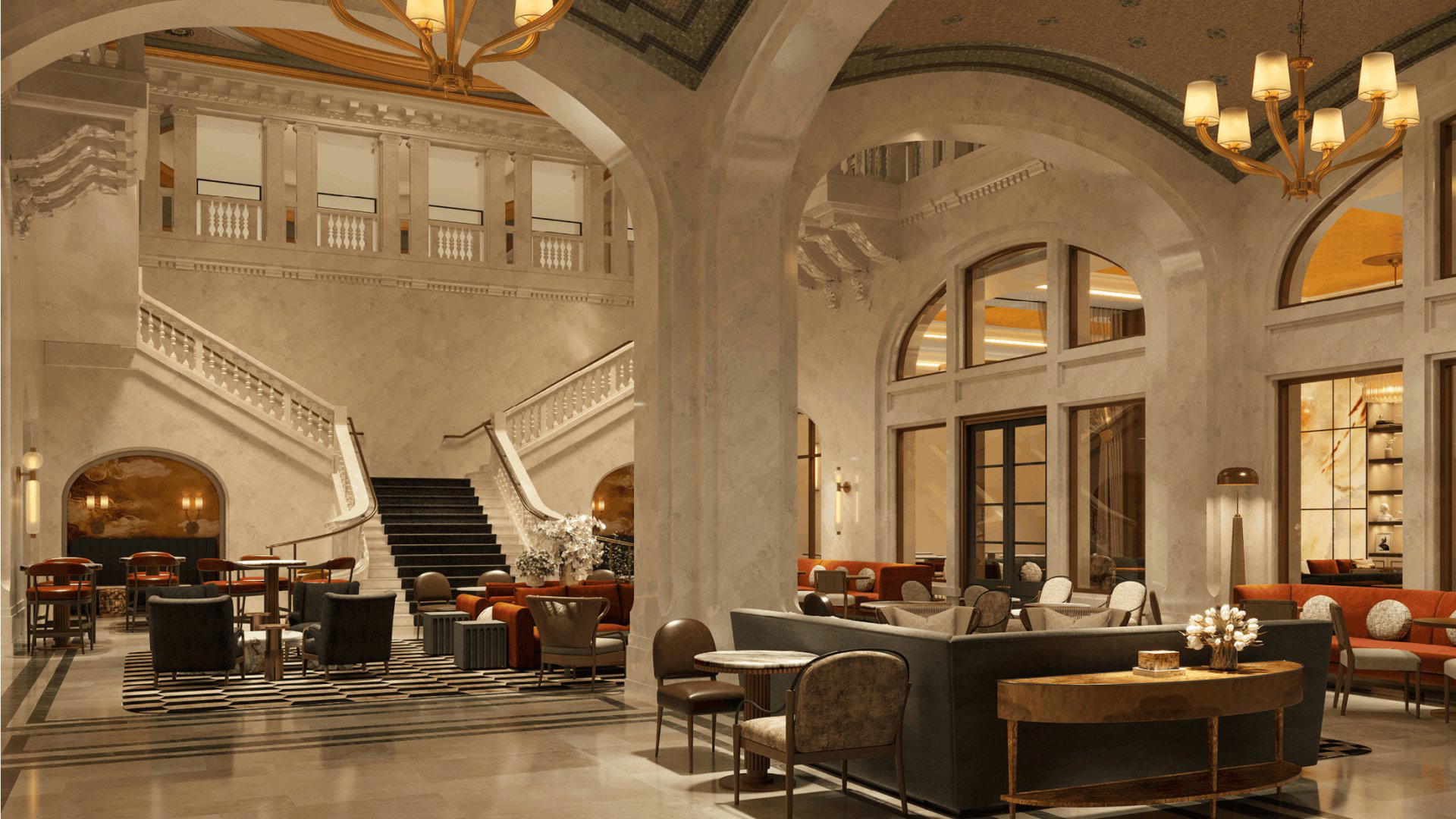
In a city where older dining rooms still default to exposed brick and sports memorabilia as shorthand for authenticity, the design choices made by Garfield's newer operators register as deliberate departures. The broader Penn Avenue corridor has moved toward spatial restraint: fewer decorative signals, more attention to how light moves through a room, how seating arrangements shape the rhythm of a meal, and how the physical container either supports or contradicts the food being served inside it.
Across Pittsburgh's independent dining scene, the venues that have accumulated the most critical attention are those where design decisions reflect a coherent point of view rather than a neutral backdrop. The room becomes a position. That alignment between space and offer is what separates this tier of Pittsburgh dining from both the old-guard institutions and the more generic new-build restaurants that have followed investment into adjacent neighborhoods.
For reference, the same logic applies in other cities where serious independent programs have carved out credibility: Kumiko in Chicago and Bar Leather Apron in Honolulu both demonstrate how a deliberately composed interior signals the seriousness of what's being offered at the counter or table. Pittsburgh's version of that dynamic is playing out along Penn Avenue, and Mola is part of that conversation.
Where Mola Fits in Pittsburgh's Current Tier Structure
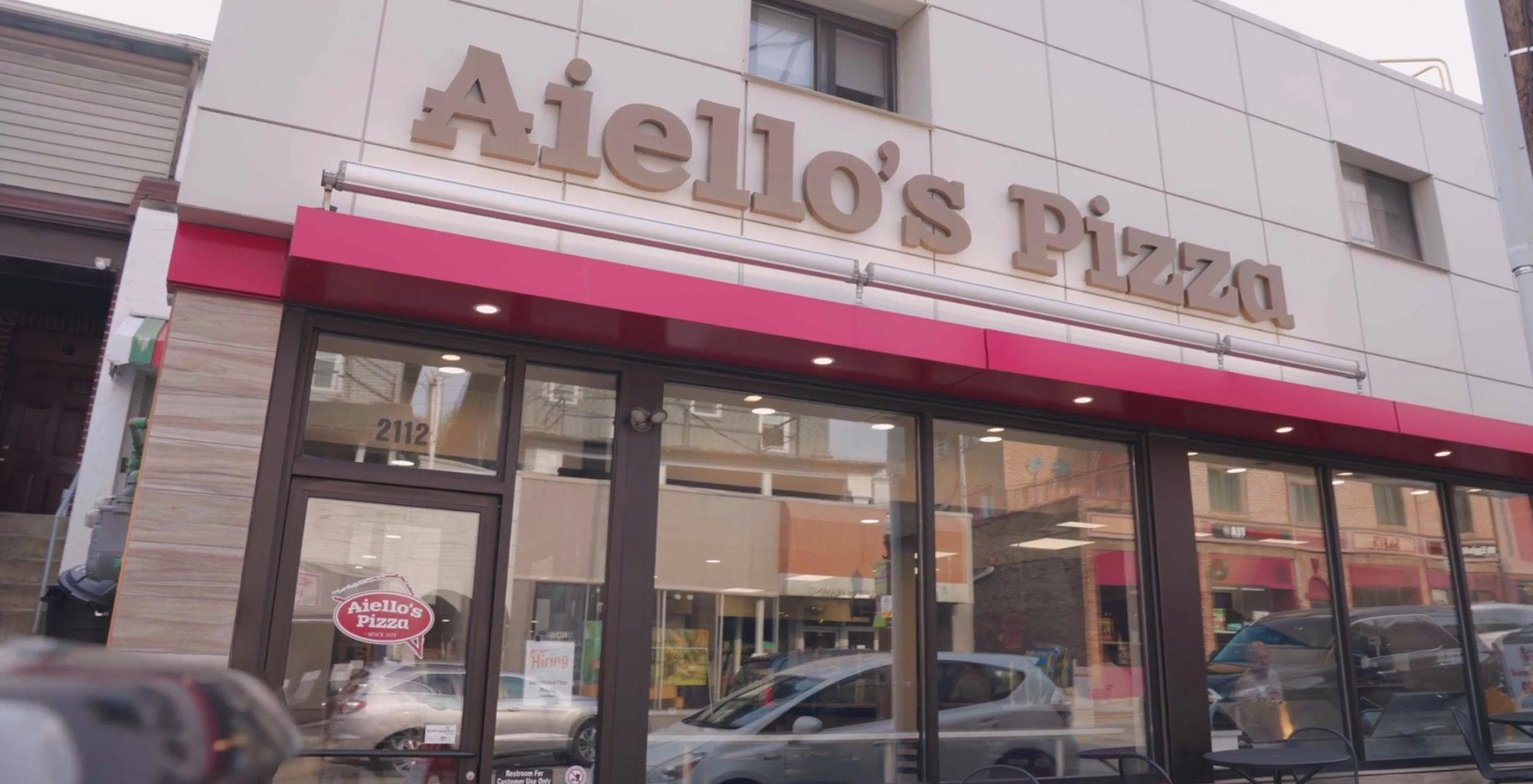
Pittsburgh's independent restaurant market has stratified in ways that weren't visible five years ago. At one end, there are neighborhood staples operating on volume and loyalty — places like Aiello's Pizza in Squirrel Hill and Alla Famiglia, which have built their identities over decades and operate with a different set of pressures. At the other end, a newer cohort of operators is making bids for regional and national attention, with tighter menus, more considered spaces, and a willingness to price against quality rather than neighborhood averages.
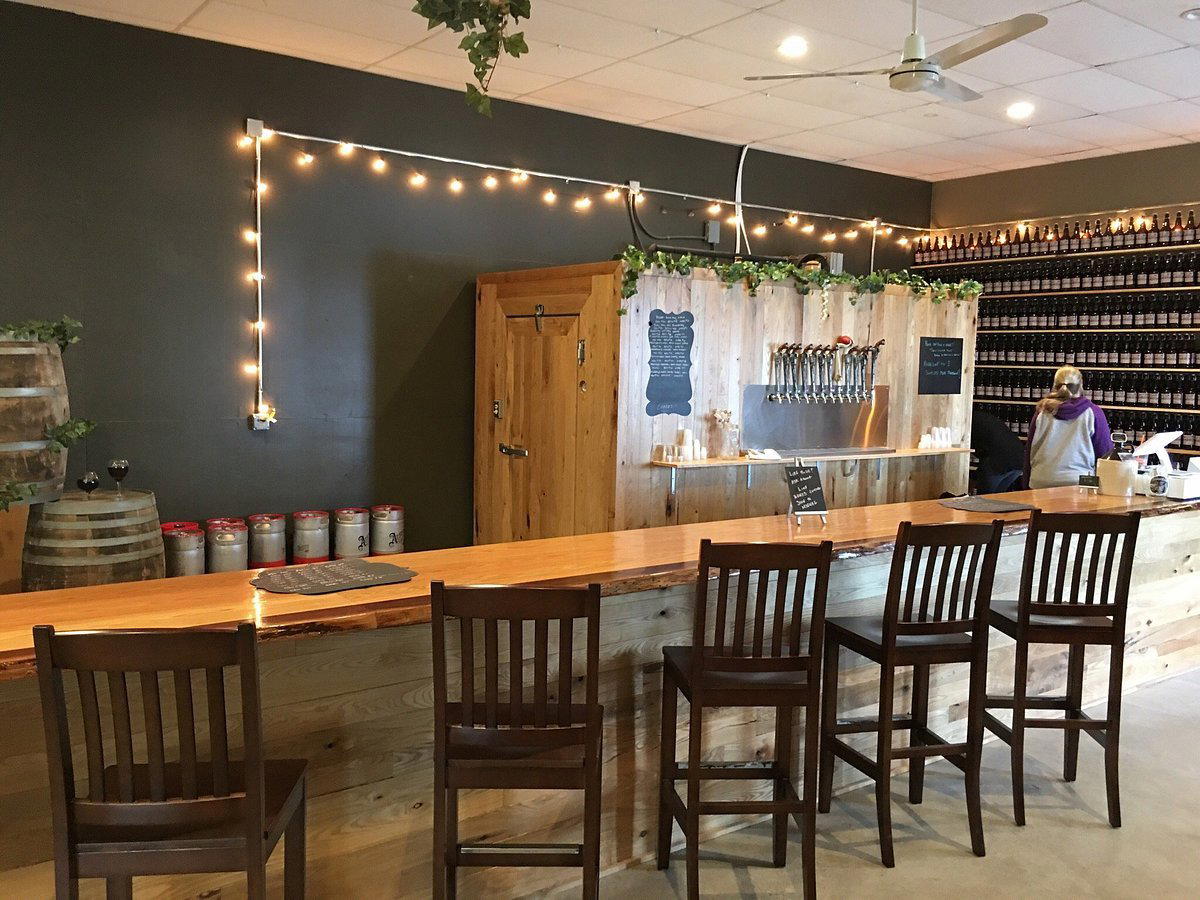
Mola belongs to a middle-to-upper tier that is neither established institution nor speculative new entrant. Its Penn Avenue address puts it in proximity to the kind of operators who have made Garfield a reference neighborhood for Pittsburgh dining conversations. The Allegheny Wine Mixer represents a different but adjacent current in the city's independent beverage culture, while venues like the Allegheny Elks Lodge #339 reflect how Pittsburgh's more civic, communal dining traditions persist alongside the newer independent scene.
What unites the better operators across this tier is a spatial and editorial coherence that the previous generation of Pittsburgh restaurants rarely attempted. The room earns the menu, or the menu earns the room, the relationship runs in both directions. Elsewhere in the country, programs like Jewel of the South in New Orleans, Julep in Houston, and Superbueno in New York City have demonstrated that regional operators can build durable reputations by committing to specificity of place and offer rather than chasing national formats. Pittsburgh's Penn Avenue corridor is running its own version of that experiment.
Planning Your Visit
Mola is located at 6018 Penn Ave in Pittsburgh's Garfield neighborhood, reachable by car or rideshare from downtown Pittsburgh in under fifteen minutes, depending on traffic along Penn Avenue. Garfield's dining strip rewards visitors who plan to make an evening of the neighborhood rather than a single-venue stop, the density of independent operators along this stretch means that an aperitif before or a digestif after is a logistical option, not an afterthought. Current booking details, hours, and pricing are best confirmed directly with the venue, as specific operational information is not available here. For a broader orientation to Pittsburgh's dining geography, the EP Club Pittsburgh guide maps the city's current tier structure across neighborhoods. Those researching comparable programs in other cities may also find value in the ABV entry for San Francisco and The Parlour in Frankfurt as reference points for what independent operators in different markets are doing with similar spatial and editorial ambitions.
A quick snapshot of similar venues for side-by-side context.
| Venue | Price |
|---|---|
| MolaThis venue — the venue you are viewing | $20–30 |
| Allegheny Wine Mixer | $20–30 |
| Dive Bar & Grille (South Side) | $20–30 |
| Bar Marco | $50–100 |
| Wigle Whiskey Distillery | $30–50 |
Continue exploring
More in Pittsburgh
Bars in Pittsburgh
Browse all →
Restaurants in Pittsburgh
Browse all →
Details
- Modern
- Trendy
- Casual Hangout
- Group Outing
- Standalone
- Seated Bar
- Booth Seating
Current opening hours
- Monday
- 11:30 AM–9 PM
- Tuesday
- 11:30 AM–9 PM
- Wednesday
- 11:30 AM–9 PM
- Thursday
- 11:30 AM–9 PM
- Friday
- 11:30 AM–10 PM
- Saturday
- 12–10 PM
- Sunday
- 12–8:30 PM
Hours can change for holidays and private events. Last verified .
Modern casual dining with contemporary music selection and lively energy.