APTEKA
APTEKA occupies a distinctive position on Penn Avenue in Pittsburgh's Bloomfield neighbourhood, where Eastern European plant-based cooking meets a bar program rooted in craft and regional specificity. Among the city's more singular dining addresses, it draws a committed local following and positions itself well outside the mainstream American restaurant format. It rewards the kind of visitor who treats the bar as an entry point, not an afterthought.
 Discover on Pearl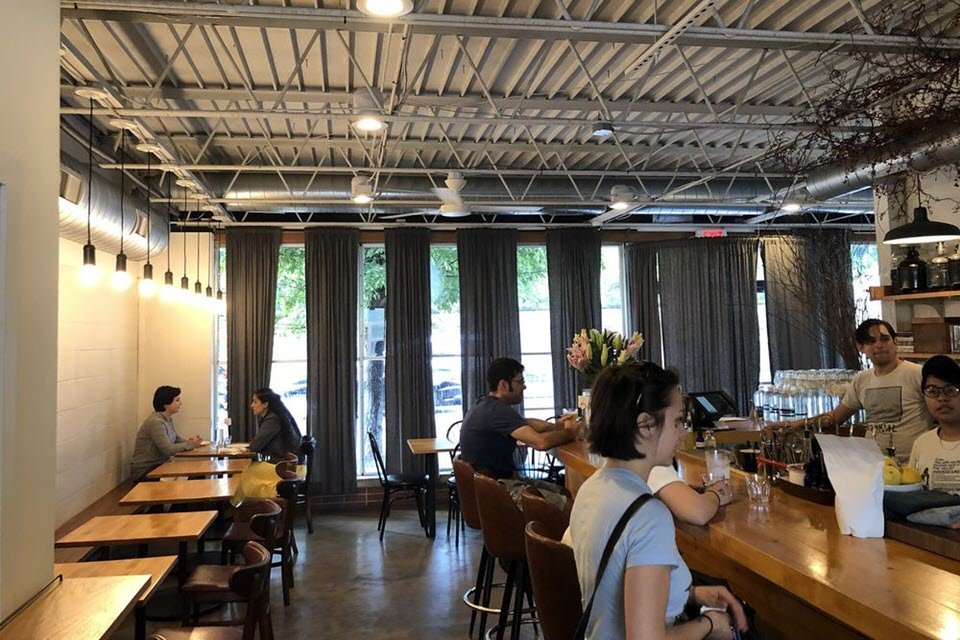
Penn Avenue, Plant-Based, and the Bar as Anchor
Pittsburgh's Bloomfield strip on Penn Avenue has developed a recognisable character over the past decade: independently owned, cuisine-specific, and resistant to the kind of concept-smoothing that tends to accompany broader commercial success. APTEKA, at 4606 Penn Ave, sits inside that pattern without being reducible to it. The building itself signals nothing spectacular from the outside, which is part of the point. In a neighbourhood where the interior is expected to do the work, the experience begins the moment you walk through the door rather than before it.
The broader context here matters. American cities have seen a wave of plant-based restaurants attempt to occupy fine-dining or near-fine-dining registers, often by importing the visual grammar of tasting-menu culture. Pittsburgh has largely stayed outside that trend, and APTEKA represents a different resolution: Eastern European culinary tradition applied to a vegetable-forward kitchen, with a bar program that functions as co-equal to the food rather than supplementary. That structural choice places it in a genuinely different competitive tier from the city's more conventional plant-forward options.
The Bar as Framework, Not Footnote
The craft cocktail scene in American mid-sized cities has matured considerably since the early 2010s, when the speakeasy format and bitters-heavy menus felt like novelty enough. What distinguishes the more serious operations now is whether the bar tells a coherent story. The strongest programs, from Kumiko in Chicago to Jewel of the South in New Orleans, have moved toward specificity: a defined point of view on ingredients, technique, or regional identity that makes the menu legible beyond any individual drink.
APTEKA's bar fits that model. The Eastern European influence that defines the kitchen extends into the drinks, giving the program a coherence that menus assembled from generic craft orthodoxy typically lack. That kind of cross-department coherence is not a given; at many venues, the kitchen and the bar operate as parallel but disconnected projects. When they speak the same culinary language, the bar becomes a reason to visit on its own terms, not merely a waiting room for dinner. For those looking at how Pittsburgh's bar scene compares to peers like ABV in San Francisco or Bar Leather Apron in Honolulu, APTEKA represents a locally rooted rather than trend-imported approach.
The craft behind the bar at APTEKA reflects a hospitality philosophy common to the stronger independent operators in American second cities: the bartender as educated host rather than technician. Programs in this mould tend to prioritise the guest's comprehension of the menu over the display of complexity for its own sake. Comparisons with Julep in Houston or Superbueno in New York City are instructive: each of those programs is defined by a specific identity, and each uses the bar as the primary lens through which the broader concept is expressed.
Eastern European Tradition as Editorial Statement
Plant-based cooking in the United States has largely been framed through either health-forward wellness rhetoric or high-technique chef-driven fine dining. Eastern European cuisine occupies neither of those registers. It is a tradition built around preservation, fermentation, root vegetables, and grain, developed over centuries in agricultural economies where meat was scarce or seasonal rather than absent by philosophical choice. Applying that tradition to a modern American vegetarian context is a genuinely different move from building a plant-based menu around substitution or abstraction.
What this means in practice is that APTEKA's cooking carries cultural weight independent of its dietary classification. Dishes rooted in Polish, Czech, or broader Central European cooking traditions arrive with historical context embedded in them. That is a less common editorial statement than the marketing around plant-based dining typically suggests. Most discussions of vegetarian or vegan restaurants in the United States still frame the absence of meat as the defining feature. At APTEKA, the more accurate frame is a specific regional cuisine that happens to be plant-based, which is a substantially different proposition for the guest.
This places APTEKA in a peer group that extends beyond Pittsburgh. Among American bars and restaurants organised around a specific non-Anglophone food tradition with serious beverage programs, the comparison set includes The Parlour in Frankfurt on the Main in terms of European-inflected hospitality sensibility, though the culinary content differs. Within Pittsburgh itself, the venue occupies a distinct register from Italian-American institutions like Alla Famiglia and community-anchored operators like Allegheny Elks Lodge #339, which speak to different dining traditions and guest expectations.
Bloomfield and the Penn Avenue Context
Bloomfield has been Pittsburgh's Italian-American neighbourhood for generations, and Penn Avenue remains the spine of that identity even as the demographic mix has evolved. What the strip now offers is range: legacy red-sauce operations, newer independent kitchens, wine-focused spots like Allegheny Wine Mixer, and the kind of casual-but-serious pizzerias that anchor neighbourhood dining ecosystems, including Aiello's Pizza in Squirrel Hill nearby. APTEKA's position within that strip is neither legacy nor gentrification-signal. It is a venue that draws from a specific culinary tradition and has built a following on that basis.
For visitors approaching Pittsburgh without deep local knowledge, Penn Avenue between Bloomfield and Garfield is one of the more concentrated stretches for independent dining in the city. The neighbourhood rewards walking rather than driving: the density of distinct operators within a few blocks means that an evening anchored at one venue can extend naturally into others. APTEKA sits within that walkable cluster. For a fuller sense of how the neighbourhood fits into Pittsburgh's broader dining map, our full Pittsburgh restaurants guide provides neighbourhood-level context across the city's distinct dining corridors.
Planning a Visit
Given that several key operational details, including hours, booking policy, and price range, are not confirmed in our current data record for APTEKA, the most reliable approach for planning is to verify directly through the venue's own channels before visiting. Penn Avenue addresses in Bloomfield tend to operate on schedules that shift with seasons and staffing, and walk-in availability at the bar is often more accessible than seated dining during peak hours. The bar is the natural point of entry here in any case, and for first visits, treating it as a bar experience first and a full dinner second tends to yield a more coherent picture of what the venue is doing. Current operational information can be confirmed at the address: 4606 Penn Ave, Pittsburgh, PA 15224.
Frequently Asked Questions
A Lean Comparison
A compact peer snapshot based on similar venues we track.
| Venue | Notes | Price |
|---|---|---|
| APTEKA | This venue | |
| diners 2+1 | ||
| Mola | ||
| Tony's Pub | ||
| Alla Famiglia | ||
| Allegheny Elks Lodge #339 |
Need a Table?
Our members enjoy priority alerts and concierge-led booking support for the world's most difficult bars and lounges.
Get Exclusive Access