Porters Western Saloon
Porters Western Saloon occupies a specific corner of Scottsdale's Old Town drinking scene: the kind of room where the back bar does the talking. Positioned on Brown Avenue in the heart of the historic district, it draws on the American West's saloon tradition while operating with the curation sensibility of a serious spirits program. The room reads as a reference point for what Old Town drinking looked like before cocktail menus went minimalist.
Pearl is the En Primeur Club membership app — saves, bookings, and concierge access live there. Same editors, same standards.
- Address
- 3944 N Brown Ave, Scottsdale, AZ 85251
- Phone
- +1 480 946 0354
- Website
- porterswesternsaloon.com
- Directions
- Get directions
 Saves & bookings on Pearl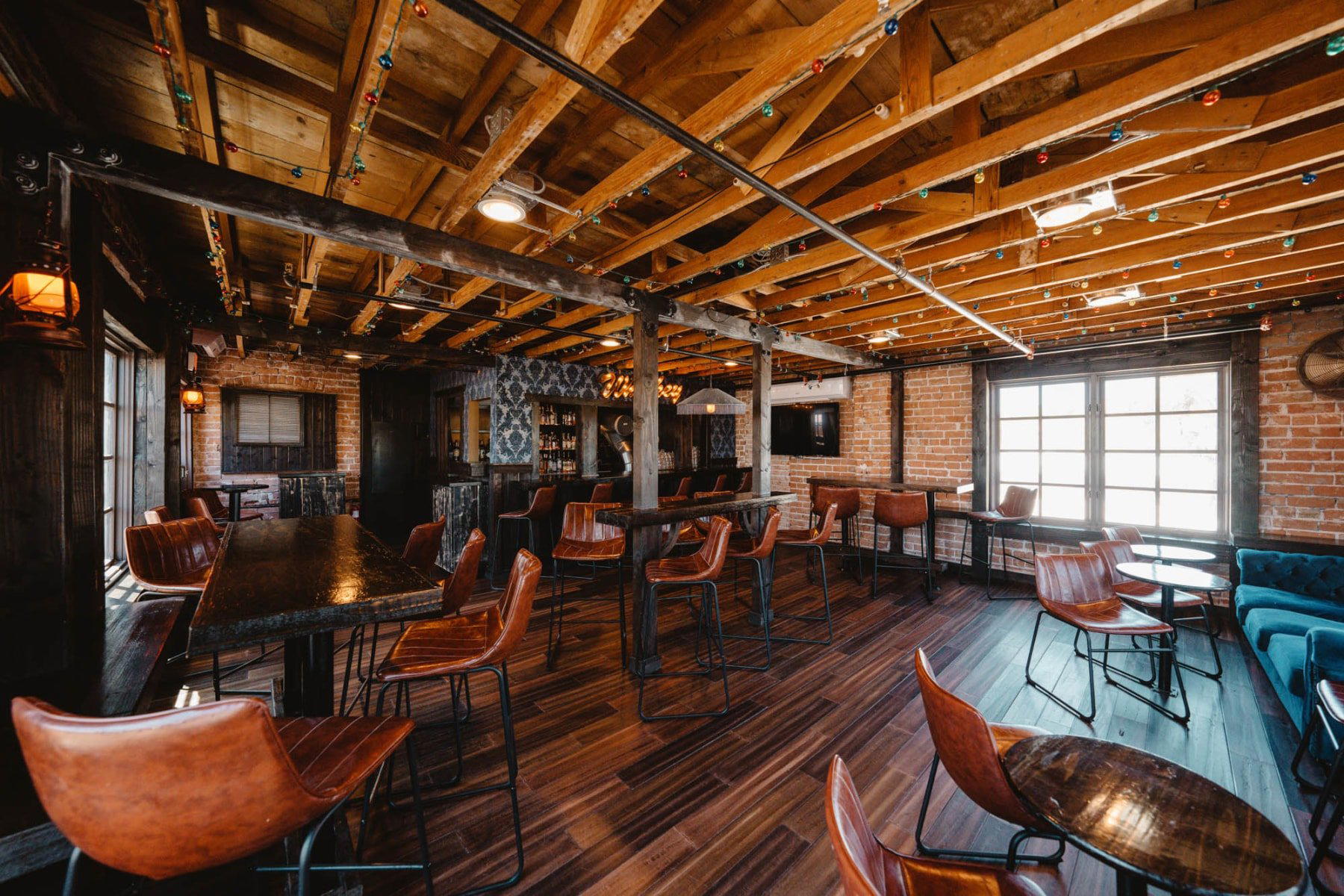
Old Town's Saloon Tradition, Taken Seriously
Scottsdale's Old Town has always operated on a particular kind of theatrical logic. The buildings are low and sand-colored, the streets are walkable, and the bars that have lasted longest tend to lean into the Western vernacular rather than away from it. Porters Western Saloon, at 3944 N Brown Ave, sits inside that tradition with enough commitment that it reads less as nostalgia and more as a deliberate positioning. The American saloon was, at its functional core, a spirits room: a place where the back bar inventory defined the establishment's standing in the community. Porters works within that same frame.
Brown Avenue is one of the more concentrated stretches of bars and restaurants in Old Town Scottsdale, running close to the historic district's commercial core. The surrounding blocks include everything from fast-casual to polished hotel lounges, which means Porters occupies a distinctive register: the Western saloon format, done with enough seriousness that the spirits selection warrants attention on its own terms. Nearby, venues like Alo Cafe and Arcadia Farms Cafe represent a different side of the neighborhood's character, lighter and more cafe-oriented, which sharpens the contrast that Porters offers by leaning into the saloon aesthetic without apology.
The Back Bar as Editorial Statement
Across American bar culture, the back bar has become an increasingly contested space. In cities like Chicago, programs such as Kumiko have organized their entire identity around the depth and curation of their spirits collections, treating the shelves behind the bar as a kind of argument about what drinking can be. In New York, Superbueno makes a similar case through the lens of agave and Latin spirits. In San Francisco, ABV built its reputation on treating the back bar as a research library as much as a product display. The pattern across these places is consistent: the bars that last, and that attract a return-visit clientele, tend to be the ones where the spirits inventory reflects a curatorial point of view rather than a distributor's default selection.
Porters Western Saloon inherits the saloon format's natural advantage in this regard. The Western saloon was historically a whiskey room: bourbon, rye, and American whiskey in various forms were the primary vocabulary. In the current American spirits market, that vocabulary has expanded dramatically. The bourbon category alone now encompasses everything from mass-market expressions to single-barrel allocations that require waitlist access. A saloon that takes its reference seriously has more material to work with than its 19th-century equivalent ever did, and the depth of what sits on those shelves becomes the clearest signal of how seriously the program is being run.
For visitors approaching Porters with spirits in mind, the relevant comparison set extends beyond Old Town Scottsdale. Bars like Jewel of the South in New Orleans and Julep in Houston have established what a serious American spirits program looks like in a Southern context, with depth across bourbon and whiskey categories that goes well past the standard call shelf. Bar Leather Apron in Honolulu and The Parlour in Frankfurt on the Main demonstrate that serious back-bar curation is not geographically confined to the usual cocktail cities. Porters operates in a different register from all of these, but the underlying principle is shared: the selection is the argument.
Seasonal and Temporal Considerations
Old Town Scottsdale operates on a markedly seasonal rhythm. The high season runs from roughly October through April, when temperatures allow for comfortable outdoor activity and the tourism volume in the Phoenix metro is at its peak. During these months, Old Town's bars operate at capacity on weekend nights, and the walkable bar-hopping culture that Brown Avenue supports is at its most active. Porters, as a saloon with a genuine Western identity, tends to draw a different mix of visitors during this period: some local, some tourist, some drawn by the aesthetic and some by what's on the shelf.
The summer months, when Phoenix-area temperatures regularly exceed 110°F, thin the tourist volume considerably. For visitors who do travel during this period, the trade-off is a quieter, more local-facing version of Old Town. Brown Avenue in July is a different experience from Brown Avenue in February, and for those interested in actually talking to the bartender about what's behind the bar, the off-peak months offer more of that.
For orientation around the broader neighborhood, nearby bars on Stetson Drive and the AC Lounge, which runs tapas-style small plates alongside local craft beers and handcrafted cocktails, represent adjacent options that fit within the same walkable Old Town radius. The geography of Old Town makes multi-stop evenings practical; most of the concentrated bar activity sits within a few blocks.
Planning Your Visit
Old Town Scottsdale is accessible by the Valley Metro Light Rail, with the Old Town/Scottsdale station providing a walkable connection to Brown Avenue. Driving is also common; parking structures are available within the historic district. For the full picture of what Old Town's drinking and dining scene encompasses, our full Scottsdale restaurants guide maps the neighborhood's options across categories and price points.
Walk-in is the standard approach for Old Town saloon-format bars, though Friday and Saturday nights during high season tend to fill the more popular rooms quickly. Arriving before 8pm on weekends gives more time at the bar and more space for actual conversation with staff about what's on offer.
Continue exploring
More in Scottsdale
Bars in Scottsdale
Browse all →
Restaurants in Scottsdale
Browse all →
At a Glance
- Rustic
- Lively
- Classic
- Casual Hangout
- Late Night
- Historic Building
- Seated Bar
- Craft Cocktails
Current opening hours
- Monday
- 12 PM–12 AM
- Tuesday
- 12 PM–12 AM
- Wednesday
- 12 PM–12 AM
- Thursday
- 12 PM–12 AM
- Friday
- 11 AM–2 AM
- Saturday
- 11 AM–2 AM
- Sunday
- 11 AM–12 AM
Hours can change for holidays and private events. Last verified .
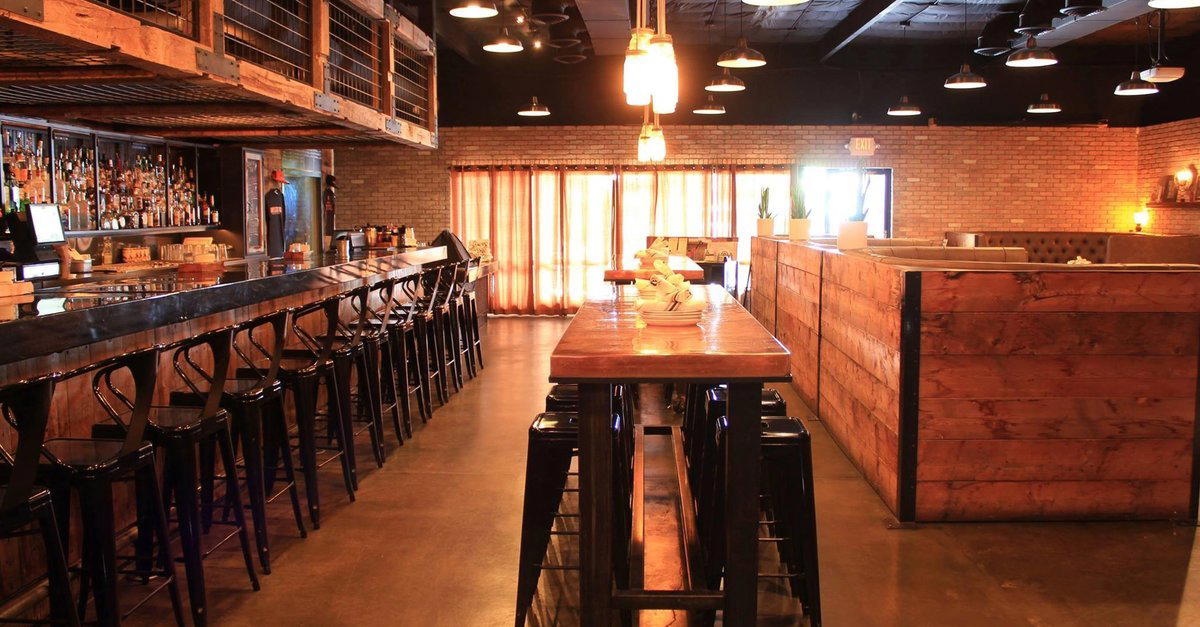
Western/industrial vibe with laid-back saloon atmosphere in a historic space.
Know Before You Go
- Getting there
- 3944 N Brown Ave, Scottsdale, AZ 85251