Piccino
Piccino occupies a corner of San Francisco's Minnesota Street corridor, where the Dogpatch neighbourhood's industrial past and its current creative density sit in close proximity. The café and restaurant format places it among a generation of San Francisco spots that trade on neighbourhood rootedness rather than destination dining formulas. Its position on Minnesota Street, adjacent to the city's commercial gallery district, gives it a particular kind of local cultural weight.
 Discover on Pearl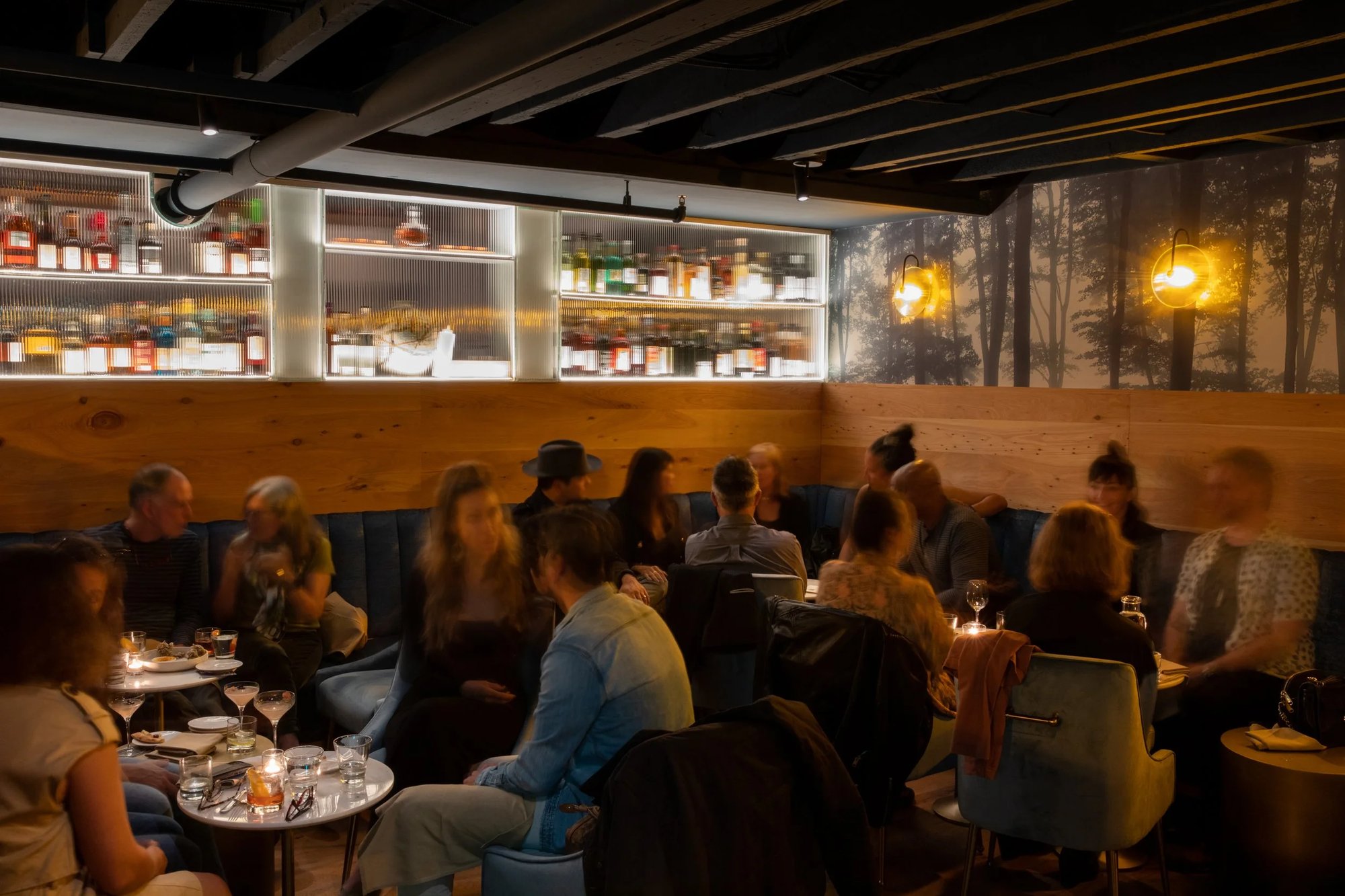
Dogpatch and the Neighbourhood Restaurant as Cultural Anchor
San Francisco's Dogpatch has undergone a slower, more considered transformation than the tech-adjacent corridors of SoMa or the Mission. The neighbourhood's former industrial spine, anchored by Minnesota Street, now supports a concentration of art galleries, design studios, and independent food and drink operations that have accumulated critical mass without losing the area's working character. Piccino sits at 1001 Minnesota Street, and its address is itself an editorial statement: this is the block where the Minnesota Street Project galleries draw serious collectors, and where the foot traffic skews local rather than tourist.
In cities where dining culture has fragmented into hyperspecialised tiers, the neighbourhood café-restaurant hybrid occupies a position that is harder to sustain than it appears. It needs to serve the morning coffee crowd, hold its own at lunch, and remain credible as an evening destination — without the operational scaffolding of a larger group behind it. Piccino has operated in this register in Dogpatch long enough to be woven into the neighbourhood's daily rhythm rather than positioned against it.
The Cultural Logic of California's Café-Restaurant Format
California's distinctive contribution to American dining is not the tasting menu or the chef-driven destination — it is the neighbourhood café that takes its ingredients and technique seriously without imposing a formal dining contract on the guest. This format has deep roots in the Bay Area specifically, traceable through the influence of Chez Panisse's market-driven simplicity and the café culture that grew around San Francisco's literary and arts communities from the 1970s onward. The premise is that good food should be ambient, available, and embedded in daily life rather than reserved for occasion.
Piccino reads as a direct heir to that tradition. Its setting on the Dogpatch gallery strip places it at the intersection of the Bay Area's art world and its food culture, two communities that have historically shared values around craft, locality, and resistance to industrial production. That positioning is not incidental. The café-restaurant format, when it works, functions as a social institution as much as a food operation , a place where the same faces appear at different hours across the week.
Minnesota Street and the Gallery District Context
The Minnesota Street Project, which opened in 2016 and occupies the block adjacent to Piccino's address, changed the character of the immediate neighbourhood in ways that are still working themselves out. It brought a density of serious contemporary art programming to a block that had previously been defined by auto shops and light industry, and it created a new category of daytime visitor to Dogpatch: the gallery-goer who comes for a specific opening or studio visit and stays for a meal. Piccino's location captures that audience without having been designed around it.
This is worth noting because the relationship between arts infrastructure and neighbourhood dining quality is one of the more reliable patterns in American city development. Clusters of galleries and design institutions tend to support a particular kind of food and drink operation: one that values aesthetics and sourcing, that assumes a customer who is paying attention, and that does not need to compete on price with volume. San Francisco's comparable examples in other neighbourhoods , Hayes Valley around the arts district, the Mission around its gallery corridors , follow the same logic.
Drinking in Dogpatch: The Broader Bar Context
Piccino's immediate neighbourhood has a thinner bar infrastructure than the Mission or the Tenderloin, which means that visitors assembling a full evening around the area need to plan ahead. San Francisco's cocktail programme has evolved considerably over the past decade: bars like ABV and Pacific Cocktail Haven represent the technically rigorous end of the city's current scene, while Smuggler's Cove occupies a different register entirely with its deep rum programme and encyclopedic format. Friends and Family offers a more neighbourhood-scaled alternative. None of these are walkable from Dogpatch, but the city's geography is compact enough that combining a Piccino visit with a later stop in the Mission or Hayes Valley is a reasonable evening structure.
For readers building a broader West Coast or American drinking itinerary, the same attention to craft and locality that characterises Dogpatch's food scene recurs in bar programmes elsewhere: Kumiko in Chicago and Bar Leather Apron in Honolulu share a similar seriousness of purpose, as does Jewel of the South in New Orleans, Julep in Houston, Superbueno in New York City, Allegory in Washington, D.C., and The Parlour in Frankfurt on the Main. Each operates within a local idiom but points toward the same shift in drinking culture: away from spectacle, toward ingredient quality and host knowledge.
What to Expect at Piccino
The café-restaurant format at Piccino operates on a different clock than the conventional dinner-only restaurant. The space functions across morning and afternoon service hours in addition to evening, which means the physical environment is calibrated for lingering rather than turnover. The neighbourhood setting on Minnesota Street means that the dining room draws from the gallery district's community of practitioners as well as the broader Dogpatch residential base, and that mix shapes the room's character in ways that a destination restaurant, pulling from across the city, would not replicate.
For visitors coming specifically from outside the neighbourhood, the most practical framing is that Piccino rewards the kind of unscheduled visit that the city's more demanding restaurant formats do not permit. It fits naturally into a Dogpatch afternoon that includes the Minnesota Street galleries, without requiring the forward planning that San Francisco's more high-profile tables demand.
Know Before You Go
- Address: 1001 Minnesota St, San Francisco, CA 94107
- Neighbourhood: Dogpatch, adjacent to the Minnesota Street Project galleries
- Format: Café-restaurant operating across daytime and evening service
- Getting There: The T-Third Street Muni line serves Dogpatch directly; the neighbourhood is accessible from downtown in under 20 minutes
- Pairing the Visit: Minnesota Street Project galleries are on the same block; plan arrivals around gallery hours for a fuller afternoon
- Further Reading: See our full San Francisco restaurants guide for broader context on the city's dining neighbourhoods
Frequently Asked Questions
- What should I drink at Piccino?
- Piccino operates in a café-restaurant register that aligns with the Bay Area's longstanding emphasis on local sourcing and considered production. The wine list at this category of San Francisco restaurant typically draws from California's smaller producers and from Italian and French references that complement the café format. For cocktail-focused evenings in the city, ABV and Pacific Cocktail Haven represent the technically serious end of the current San Francisco bar scene and are worth building a separate evening around.
- What is Piccino leading at?
- Piccino's clearest strength is its positioning as a genuinely neighbourhood-rooted operation in a city where that designation is frequently claimed but less often earned. Its address on the Dogpatch gallery strip gives it a specific local constituency and a particular kind of ambient cultural credibility that destination restaurants in San Francisco's more competitive dining corridors do not share. For visitors, that translates into a lower-pressure, more locally textured experience than the city's more scrutinised tables.
- Is Piccino a good option for visiting the Minnesota Street Project galleries?
- Piccino's position at 1001 Minnesota Street places it directly adjacent to the Minnesota Street Project, San Francisco's most concentrated cluster of commercial contemporary art galleries. The pairing is one of the more coherent afternoon itineraries available in Dogpatch: gallery visits on the block, then a meal or coffee at Piccino without needing to move to another neighbourhood. The café-restaurant format means it accommodates both a quick stop after gallery hours and a longer sit-down without requiring advance booking of the kind that San Francisco's higher-profile restaurants demand.
A Lean Comparison
A short peer table to compare basics side-by-side.
| Venue | Notes | Price |
|---|---|---|
| Piccino | This venue | |
| ABV | ||
| Smuggler's Cove | ||
| Trick Dog | ||
| Bar at Hotel Kabuki | ||
| Evil Eye |
Need a Table?
Our members enjoy priority alerts and concierge-led booking support for the world's most difficult bars and lounges.
Get Exclusive Access