On the Canal de l'Ourcq in the 19th arrondissement, Paname Brewing Company occupies one of Paris's most cinematic waterfront positions, where craft beer production and a sprawling terrace converge. The brewery sits in a neighbourhood that has quietly become the city's most interesting drinking quarter, drawing a crowd that prefers a cold IPA over a Bordeaux Blanc and views that cost nothing extra.
Pearl is the En Primeur Club membership app — saves, bookings, and concierge access live there. Same editors, same standards.
- Address
- 41 bis Quai de la Loire, 75019 Paris, France
- Phone
- +33 1 40 36 43 55
- Website
- panamebrewingcompany.com
- Directions
- Get directions
 Saves & bookings on Pearl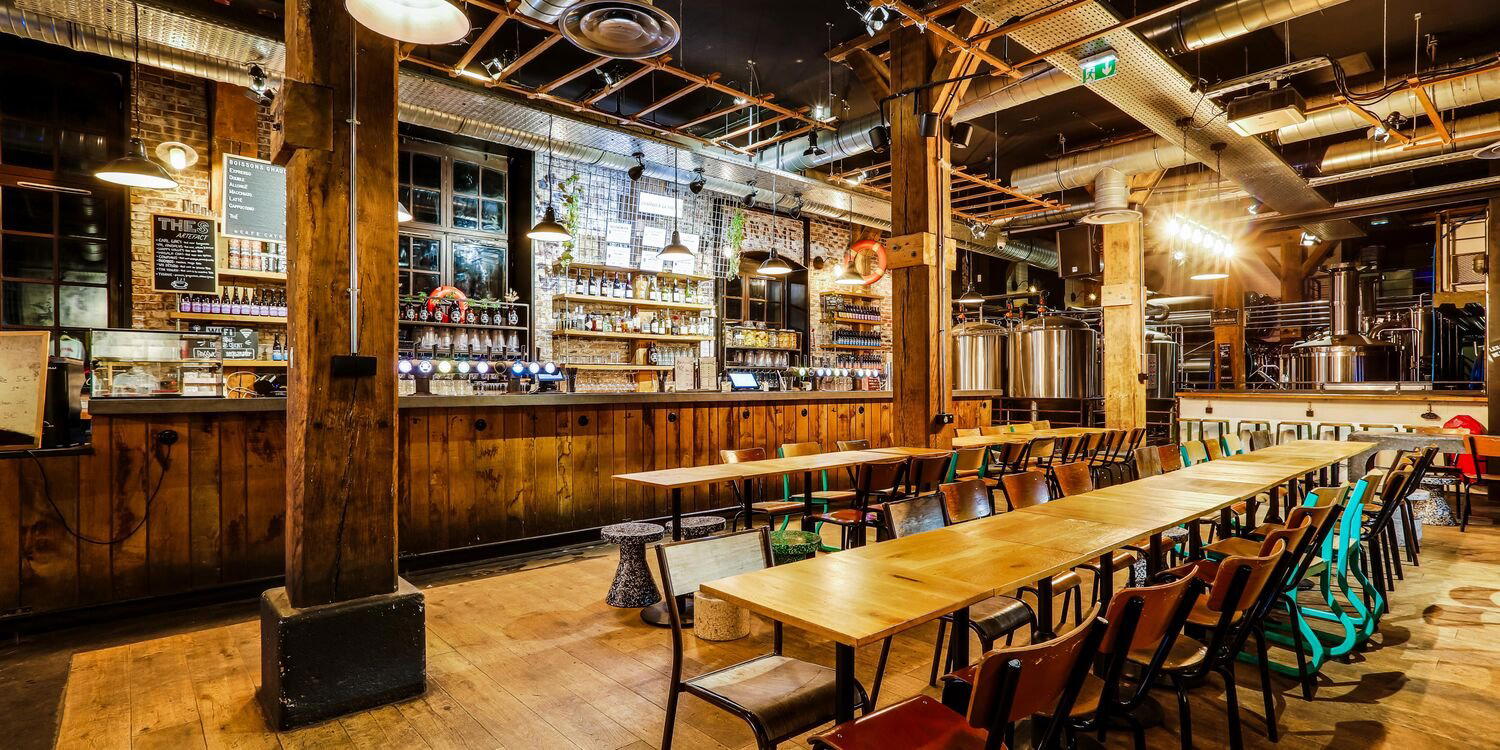
The Canal de l'Ourcq and the Rise of Paris Craft Beer
Approach the 19th arrondissement from the south and the character shift is immediate. The Haussmann geometry loosens, the tourist density drops, and the quays of the Canal de l'Ourcq open into something that feels more like a working city than a postcard. It is in this stretch, at 41 bis Quai de la Loire, that Paname Brewing Company has established itself as a canal-side bar and brewery.
Paris arrived at serious craft brewing later than London, Berlin, or Brussels, but the 19th and 10th arrondissements have compressed a decade of scene-building into a relatively short window. The canal neighbourhoods attracted the first wave of independent breweries partly because of available space, partly because of a younger residential base less attached to the wine-first hierarchy that governs most Parisian drinking culture. Paname sits at the intersection of those forces, on the water, with enough floor space to run both a production facility and a terrace large enough to absorb the crowds that gather on warm evenings.
A Terrace That Earns Its Reputation on Geography Alone
The outdoor terrace is the first thing most visitors register, and geography explains why. The Canal de l'Ourcq is not the Seine. There are no tour boats, no floodlit monuments, and no vendors working the crowd. What there is instead is a specific Parisian quietness: a working canal with barge traffic, the occasional cyclist on the opposite bank, and a waterfront that has been claimed by locals rather than packaged for visitors. The terrace at Paname occupies this setting without apologising for its scale. On a weekend afternoon in late spring, the space functions as one of the more credible outdoor drinking rooms in the city, which is a competitive category given that Paris does terraces at volume across every arrondissement.
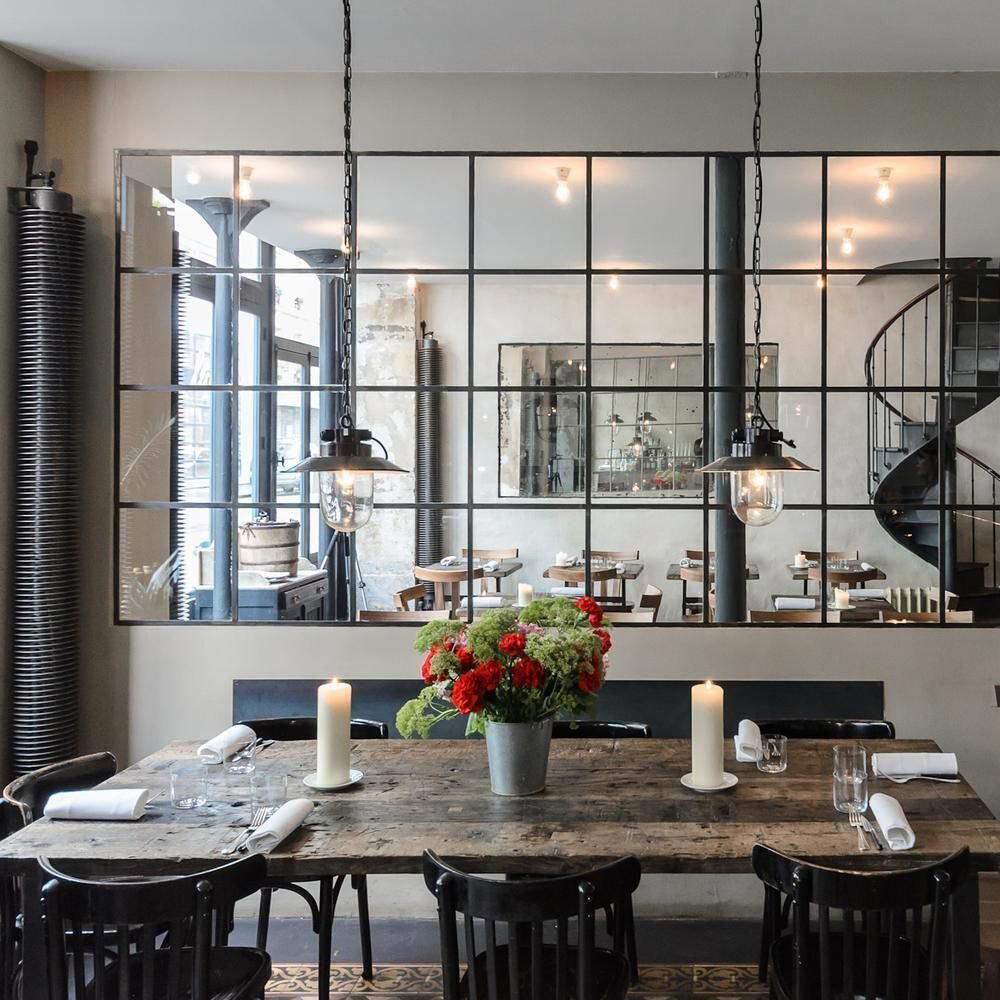
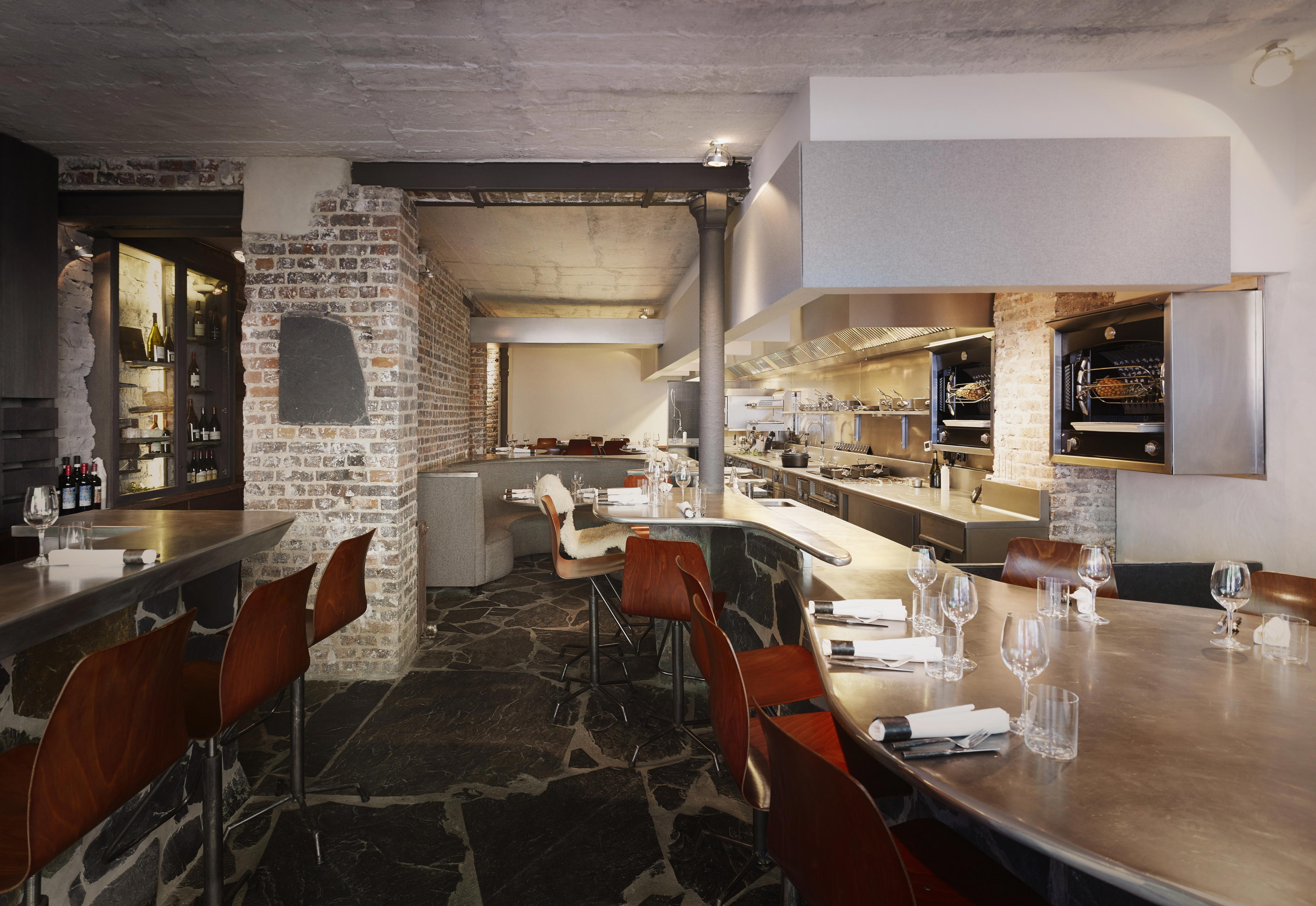
That said, the terrace is not the only argument for coming. The interior, built around the production equipment, gives the space an industrial legibility that many Paris bars achieve only through decoration. The tanks are present, the process is visible, and the beer in the glass is a direct product of what you can see from your seat. That transparency is rarer in a city where most craft beer bars are retail outlets for liquid made elsewhere.
The Drinking Progression: How to Move Through the Tap List
Paname's tap list rewards a structured approach more than a single order and a long table conversation. French craft brewing has developed a consistent set of styles over the past decade: pale ales and blonde bières as entry points, wheat beers and saisons for mid-session drinking, and IPAs or more assertive hop-forward formats for those who arrived with a specific preference. Paname's production covers this range, which means the tap list functions as a progression rather than a list of equivalent choices.
The sensible approach on a first visit is to start with a lighter lager or blonde, use that as a calibration point, then move toward the more characterful formats in the middle of the session. Finishing on something high in bitterness or alcohol risks losing the structural pleasure of drinking across multiple rounds in a single sitting. This is not a wine-tasting protocol, but the underlying logic is the same: sequence matters, and restraint at the beginning preserves options later.
Paris's craft beer scene has developed enough that comparison is now possible. The 10th arrondissement bars, including the cocktail-forward rooms like Candelaria and Danico, operate in a different register entirely, prioritising spirits programs over fermentation. Bars like Bar Nouveau and Buddha Bar represent the city's more theatrical end of the spectrum. Paname is a counterpoint to all of that: the focus here is the product in the glass, the setting is provided by the canal rather than interior design, and the crowd skews accordingly.
For those tracking the French craft beer scene across cities, the context is useful. Au Brasseur in Strasbourg operates in a city with a longer brewing tradition, where Alsatian lager culture sets the baseline. Papa Doble in Montpellier and Bar Casa Bordeaux in Bordeaux reflect how southern France drinks, with wine still dominating but independent bars carving out space. La Maison M. in Lyon and Côté Vin in Toulouse are more wine-centric still. Paname, by contrast, is one of the few places in France where the brewery itself is the destination, not a bar that happens to stock interesting beer.
The 19th Arrondissement as a Drinking Quarter
The neighbourhood context matters more here than it would at a venue in Saint-Germain or the Marais. The 19th is not a district that tourists arrive at by accident. The Parc des Buttes-Chaumont draws weekend visitors, and the canal attracts a local crowd that lives within cycling distance, but there is no gravitational restaurant row or major cultural institution pulling an evening crowd from other arrondissements on a Tuesday. That self-selection shapes who is in the room at Paname on any given visit: people who made a deliberate trip to the canal, rather than people who wandered in from a nearby hotel.
This is worth knowing before you go. Paname rewards a commitment. It is not a place you discover by walking past it; it is a place you put in the address. The journey from central Paris, manageable by Metro on line 5 to Jaurès or Ourcq, sets the tone for an evening in north-east Paris.
Planning a Visit
The terrace is busiest on weekend afternoons in spring and early autumn. Arriving mid-afternoon rather than at a peak evening hour gives better access to seating and a more measured pace for working through the tap list. For those whose travels extend beyond France, Bar Leather Apron in Honolulu and Le Café de la Fontaine in La Turbie represent the same principle in different geographies: a location with a specific sense of place and a drinks program that reflects the production rather than the trend cycle. Paname is the Paris version of that argument, on the water, in the 19th.
Cuisine Context
Comparable venues nearby, for context on price, style, and recognition.
| Venue | Cuisine | Price | Notes |
|---|---|---|---|
| Paname Brewing CompanyThis venue — the venue you are viewing | beer_bar | $$ | Not listed |
| Rosa Bonheur Buttes Chaumont | lounge | $$ | Buttes-Chaumont |
| Le Louxor | lounge | $$ | Barbès |
| Café Ventura | Bar | $$ | 9th Arr. - Opéra |
| Rencontres | wine_bar | $$ | Bastille |
| Aux Deux Amis | wine_bar | $$ | 11th arrondissement |
At a Glance
- Lively
- Trendy
- Industrial
- Bohemian
- Casual Hangout
- Group Outing
- After Work
- Waterfront
- Beer Garden
- Live Music
- Terrace
- Outdoor Terrace
- Seated Bar
- Standing Room
- Lounge Seating
- Craft Beer
- Craft Cocktails
- Waterfront
Current opening hours
- Monday
- 11 AM–1 AM
- Tuesday
- 11 AM–1 AM
- Wednesday
- 11 AM–1 AM
- Thursday
- 11 AM–1 AM
- Friday
- 11 AM–1 AM
- Saturday
- 11 AM–1 AM
- Sunday
- 11 AM–1 AM
Hours can change for holidays and private events. Last verified .
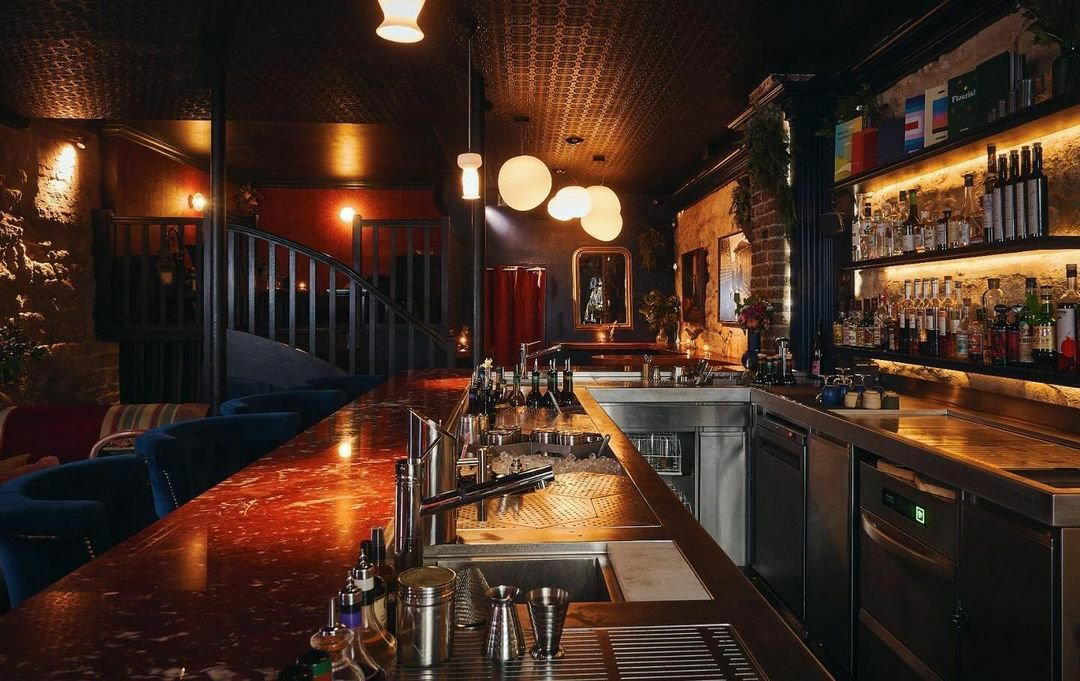
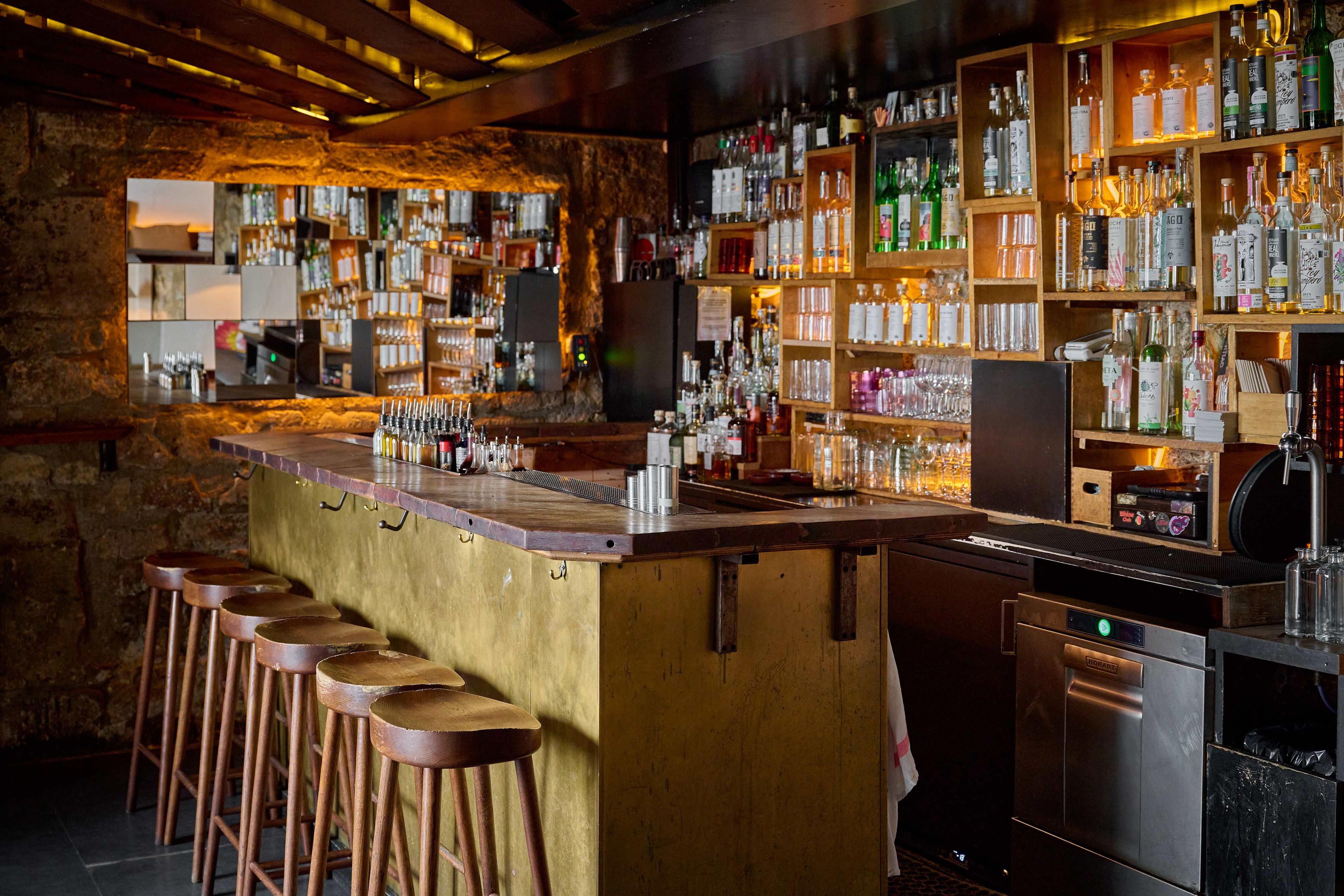
Industrial Brooklyn-inspired setting with lively, busy atmosphere; bright and energetic with canal views; friendly and welcoming vibe enhanced by knowledgeable staff.