Le Louxor sits on Boulevard de Magenta in Paris's 10th arrondissement, a neighbourhood where late-night drinking culture runs from canal-side wine bars to full cocktail programs. The address places it squarely in one of the city's more active bar corridors, where the crowd skews local and the atmosphere rewards those who show up without a reservation agenda.
Pearl is the En Primeur Club membership app — saves, bookings, and concierge access live there. Same editors, same standards.
- Address
- 170 Bd de Magenta, 75010 Paris, France
- Phone
- +33 1 44 63 96 96
- Website
- cinemalouxor.fr
- Directions
- Get directions
 Saves & bookings on Pearl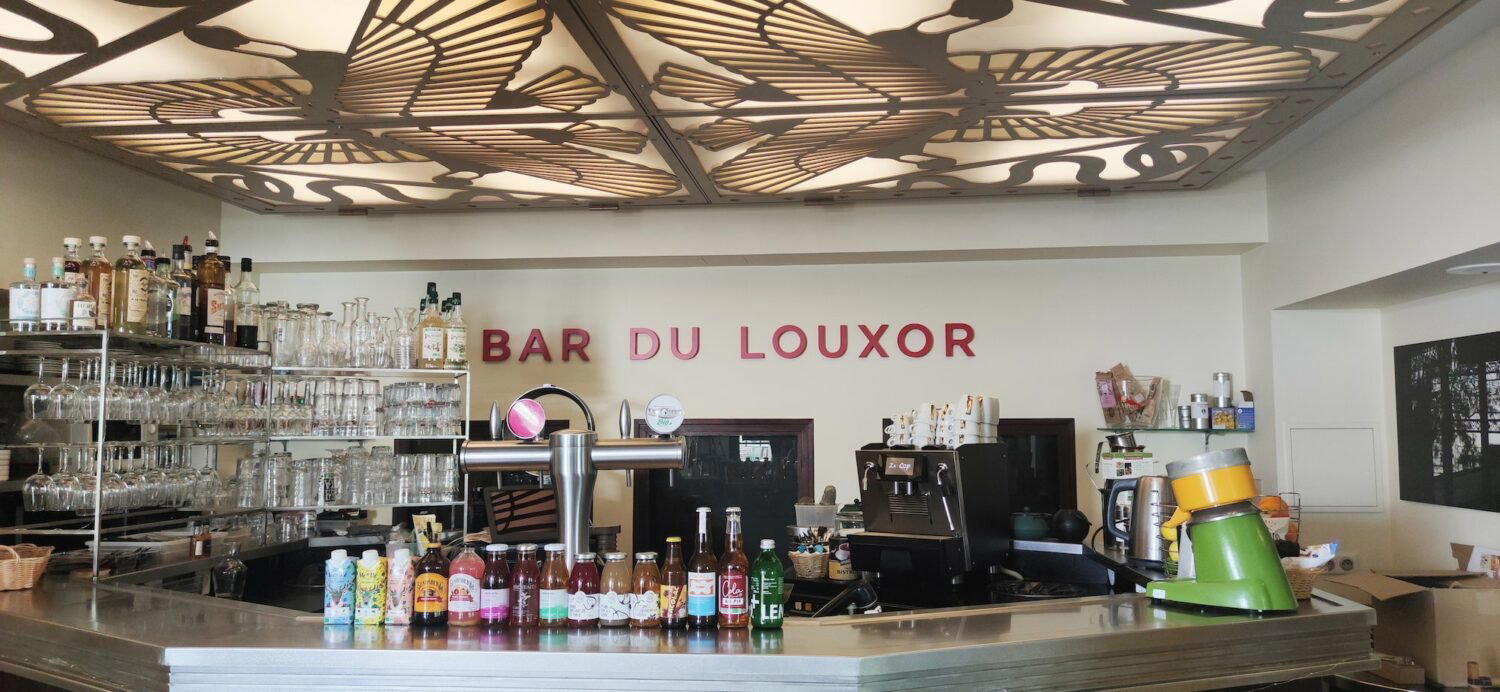
Boulevard de Magenta After Dark
The 10th arrondissement has become one of Paris's more interesting drinking neighbourhoods over the past decade, and Boulevard de Magenta sits at the centre of that shift. The canal end of the 10th, running from République toward the Gare du Nord axis, now holds a concentration of bars that operate somewhere between the polished cocktail programs of the Marais and the rougher, more spontaneous energy of Belleville. Le Louxor, at number 170, occupies that middle register: a destination that draws on the neighbourhood's density without the performative formality that defines the city's more decorated addresses.
This is not the Paris of hushed tasting menus and wine lists with annotations. The 10th rewards those willing to move through a neighbourhood rather than anchor to a single institution, and the bars along this corridor, including the broader comparable set that stretches toward Candelaria-style cocktail rooms and the more theatrical formats like Buddha Bar, represent different registers of the same city-wide appetite for bars that have a genuine point of view.
What the Room Communicates
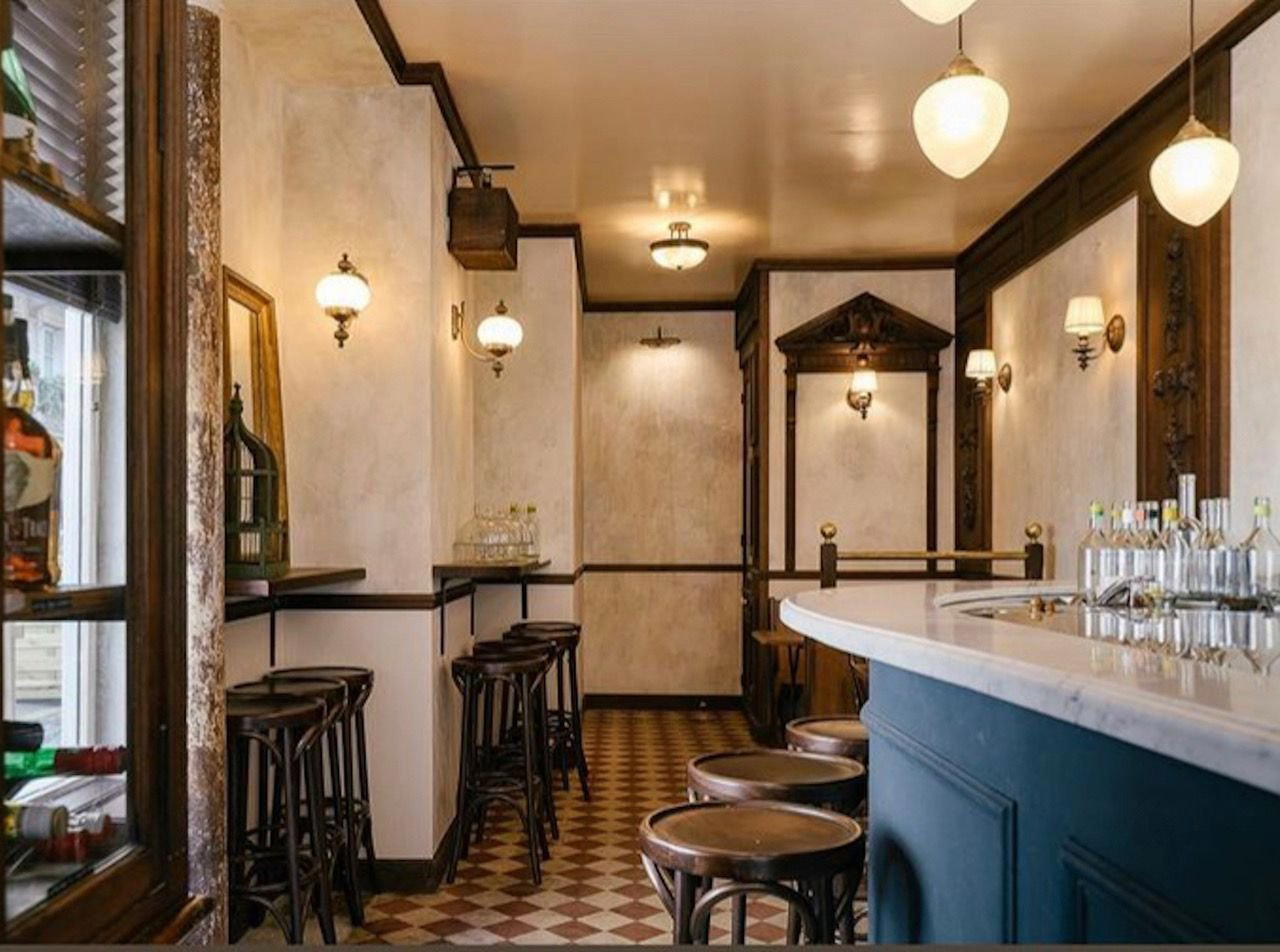
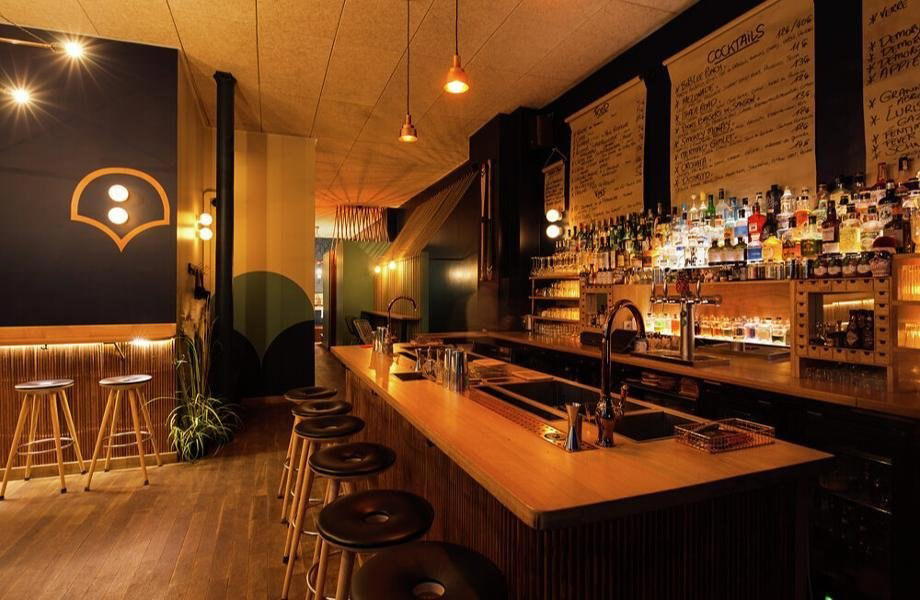
Atmospheric experience in Paris's mid-tier bar circuit tends to split between two formats: the compressed, standing-room wine bar model and the seated, lower-lit cocktail room. Le Louxor's address on a major boulevard suggests the latter tendency, where the external noise of the street and the interior quiet create a particular kind of threshold effect, stepping in from the Magenta traffic into a space that has deliberately insulated itself from it.
The 10th's bar architecture often works this way. The neighbourhood's Haussmann-era buildings give ground-floor venues deep floorplates that encourage a sense of removed intimacy even on busy nights. This physical structure, common across the boulevard's drinking establishments, is part of what separates the experience from, say, the compact canal-side formats further north or the deliberately minimal rooms that define places like Danico in the 1st arrondissement.
Drinking in the 10th: How Le Louxor Fits the Scene
Paris's bar scene has matured considerably since the cocktail revival of the early 2010s. The city now sustains several distinct tiers. At one end, technically precise programs with strong international recognition, Candelaria in the Marais being frequently cited reference point for that category. At the other, neighbourhood anchors that trade more on atmosphere and accessibility than on technique signals. The bar's location in the 10th places it in proximity to both impulses without necessarily belonging to either extreme.
The Boulevard de Magenta corridor attracts a crowd that has largely moved on from the speakeasy-format novelty that drove Paris bar culture earlier in the decade. What the neighbourhood now rewards is consistency and atmosphere over theatrical concealment. Venues here compete on how they feel across multiple visits, not on the surprise of a first encounter. That dynamic shapes what the 10th's better bars are optimising for: a room that holds up, a program that repays familiarity.
Across France, this shift in bar culture from novelty to depth is visible in markets far from Paris. La Maison M. in Lyon, Coté Vin in Toulouse, and Bar Casa Bordeaux in Bordeaux each reflect regional versions of the same maturation: bars that have stopped performing discovery and started delivering repeat experience. Au Brasseur in Strasbourg takes that further still, embedding the bar format inside a production tradition. The bar occupies a Parisian version of that same instinct, a neighbourhood-first address on a boulevard that has been drinking seriously for years.
Reading the Address
Boulevard de Magenta runs from the Place de la République in the south to the Gare du Nord and Gare de l'Est cluster in the north. That geography matters for understanding the venue's position. The southern end of the boulevard is busier with evening foot traffic from République, which functions as one of Paris's main after-work gathering nodes. The further north you move, the more the crowd shifts: more local, less tourist-facing, more accustomed to staying late without a program.
The bar at 170 sits in the upper section of that run, which signals something about its intended audience. This is not a venue positioned for the République overflow crowd or for the tourist axis. It is positioned for the 10th as a residential and cultural neighbourhood, one that has seen significant investment in food and drink over the past decade and now sustains a regular audience with developed expectations. That same dynamic applies to newer Paris bar entrants like Bar Nouveau, which draws on neighbourhood loyalty rather than destination traffic.
For international visitors, the 10th is worth understanding as a destination in its own right rather than a transit corridor. The Gare du Nord adjacency makes it accessible from London via Eurostar, and the neighbourhood's density means a well-planned evening can move across multiple venues within a short walk. Those arriving from further afield, the Bar Leather Apron in Honolulu crowd, for example, will find the 10th's bar culture a useful contrast to more formal, reservation-led formats elsewhere in Paris.
And for those curious how French bar culture develops outside the capital, Papa Doble in Montpellier offers an instructive comparison, a southern city building a cocktail identity on different terms. Le Café de la Fontaine in La Turbie represents yet another register entirely: the small-town bar that outperforms its geography through precision rather than scale.
Know Before You Go
- Address: 170 Boulevard de Magenta, 75010 Paris, France
- Neighbourhood: 10th arrondissement, between République and Gare du Nord
- Transit: Gare du Nord (Lines 2, 4, 5, D, E, B, K) and Louis Blanc (Lines 7, 7bis) within walking distance
- Price range: Mid-tier Paris bar pricing
- Dress code: Casual
- Reservations: Walk-in friendly
Cost Snapshot
Comparable venues nearby, for context on price, style, and recognition.
| Venue | Cuisine | Price | Notes |
|---|---|---|---|
| Le LouxorThis venue — the venue you are viewing | Barbès, lounge | $$ | Not listed |
| Point Éphémère | Not listed | $$ | Canal Saint-Martin, 10th arrondissement, lounge |
| Pochana | Not listed | $$ | Folie-Mericourt, wine_bar |
| Tango Paris | Le Marais, lounge | $$ | Not listed |
| Huitrerie Régis | Not listed | $$ | Saint-Germain-des-Prés, wine_bar |
| Lone Palm | Not listed | $$ | Roquette, cocktail_bar |
At a Glance
- Classic
- Elegant
- Well Known
- After Work
- Casual Hangout
- Historic Building
- Terrace
- Panoramic View
- Lounge Seating
- Outdoor Terrace
- Craft Beer
- Skyline
- Street Scene
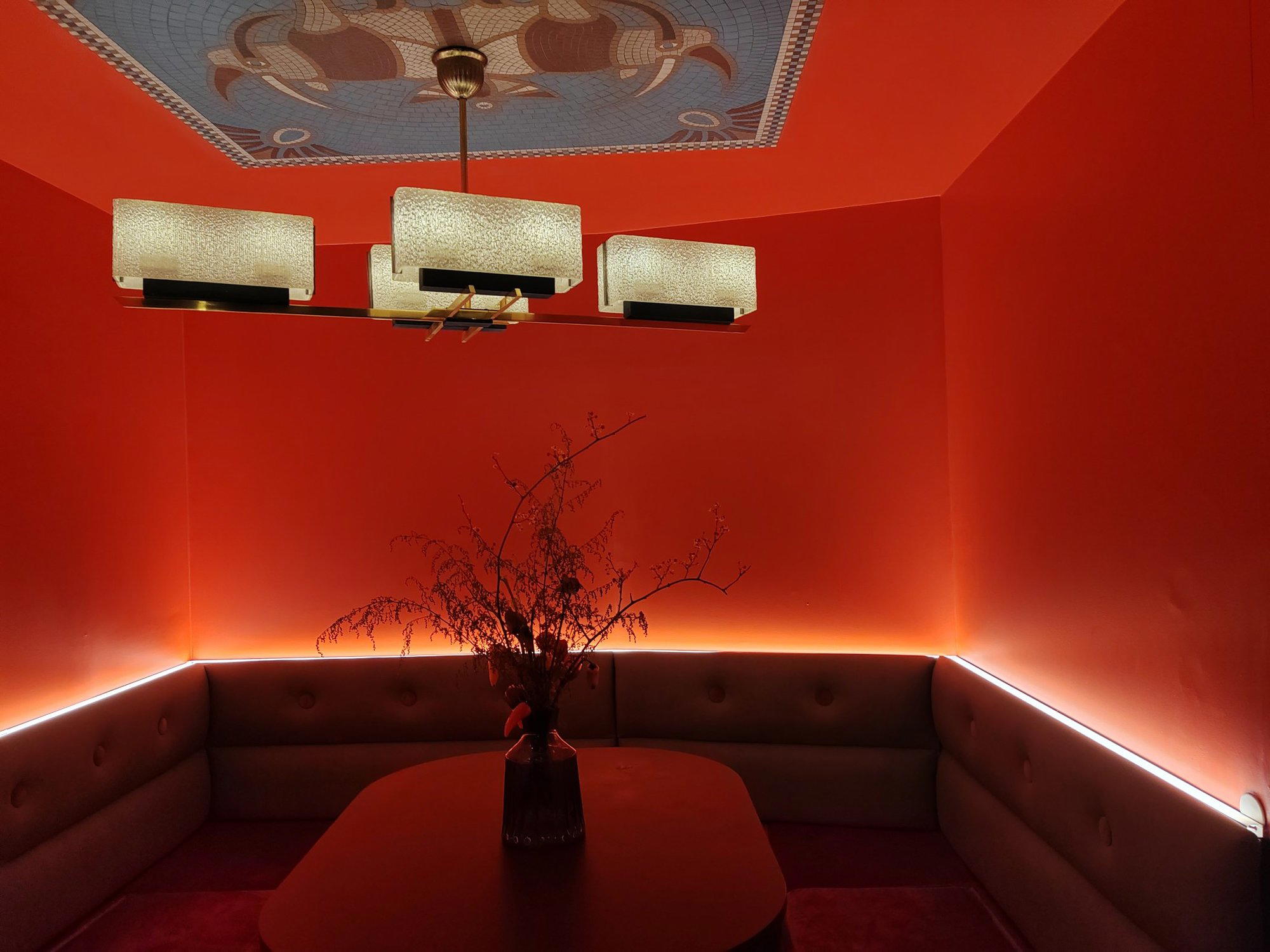
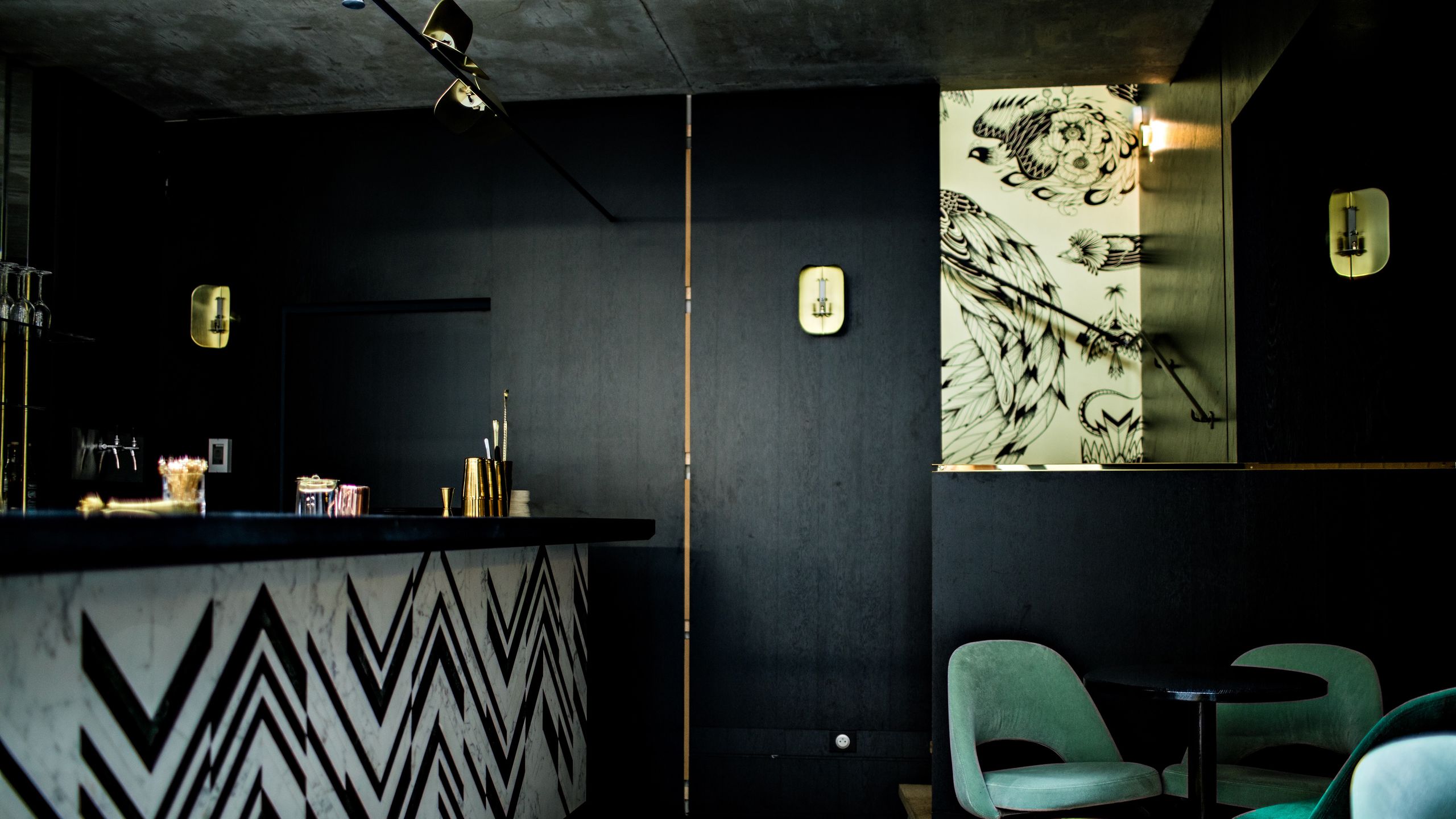
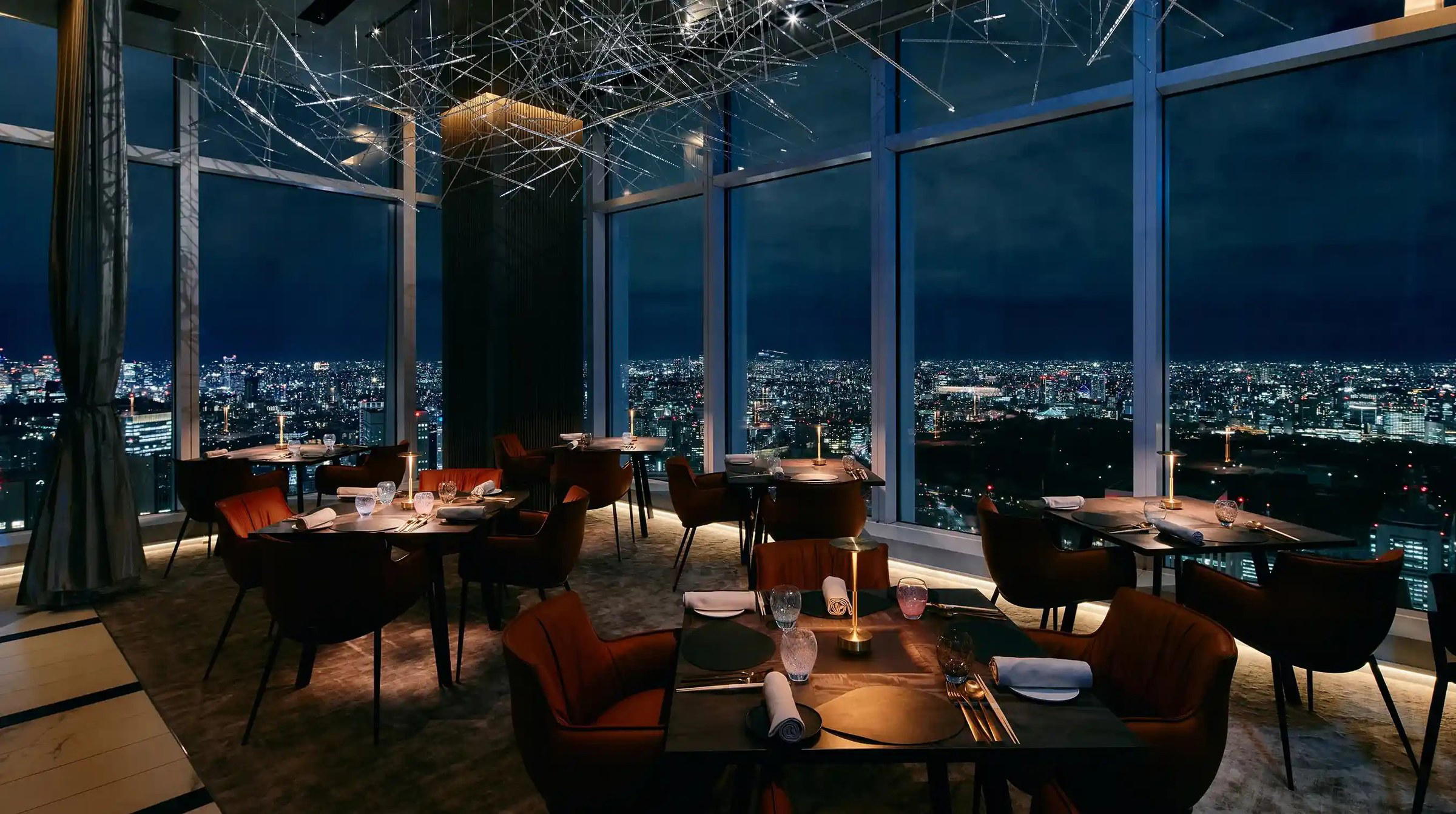
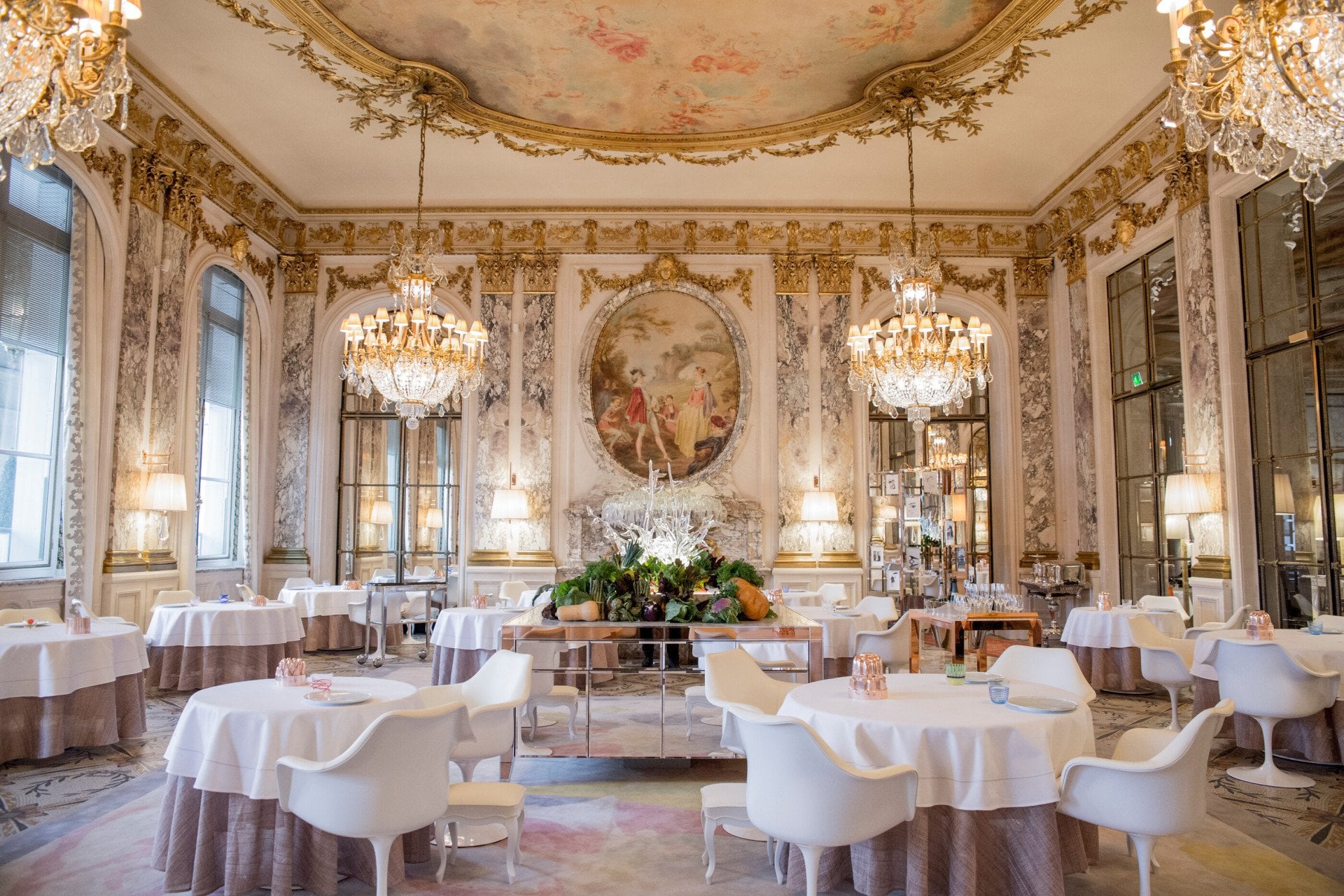
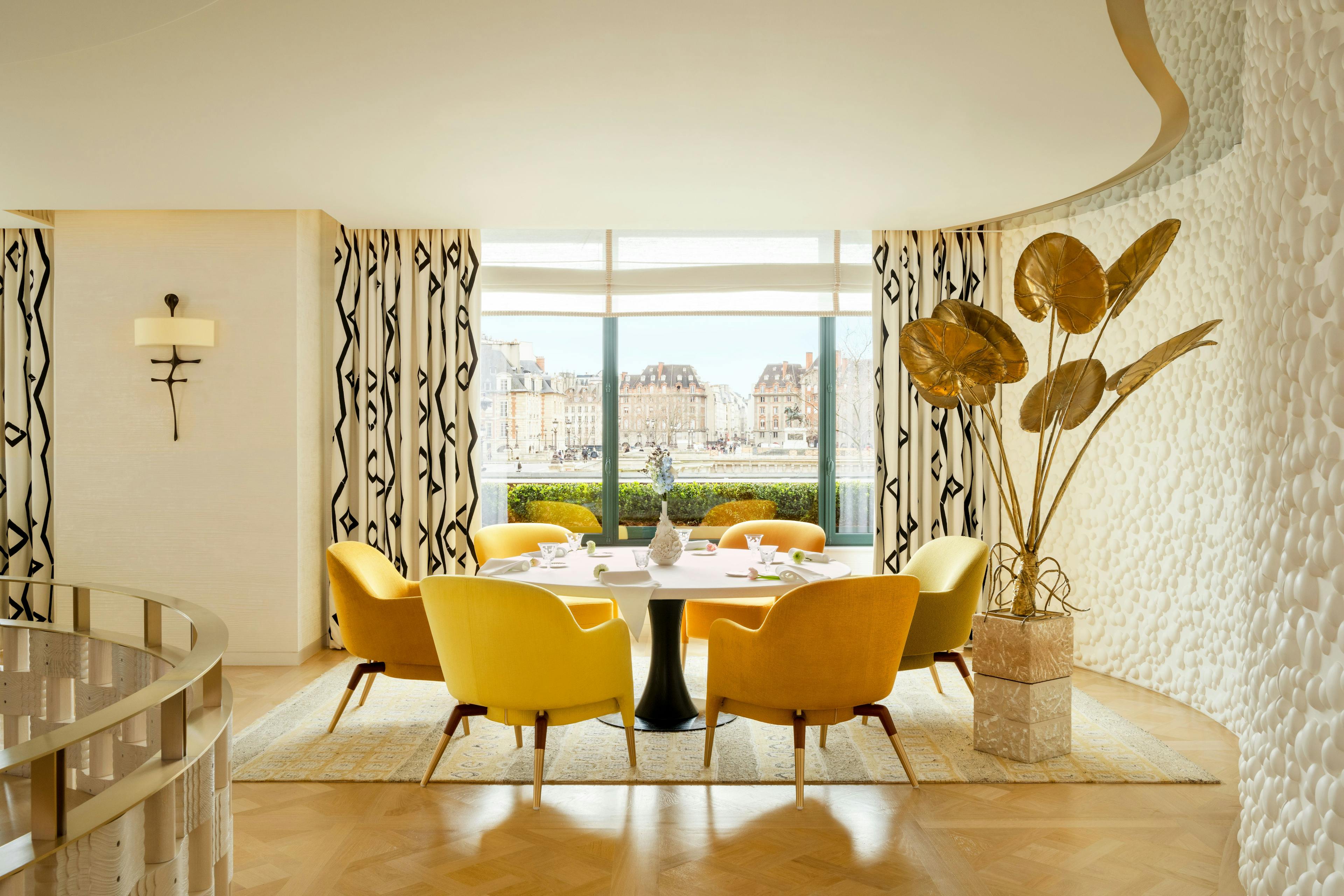
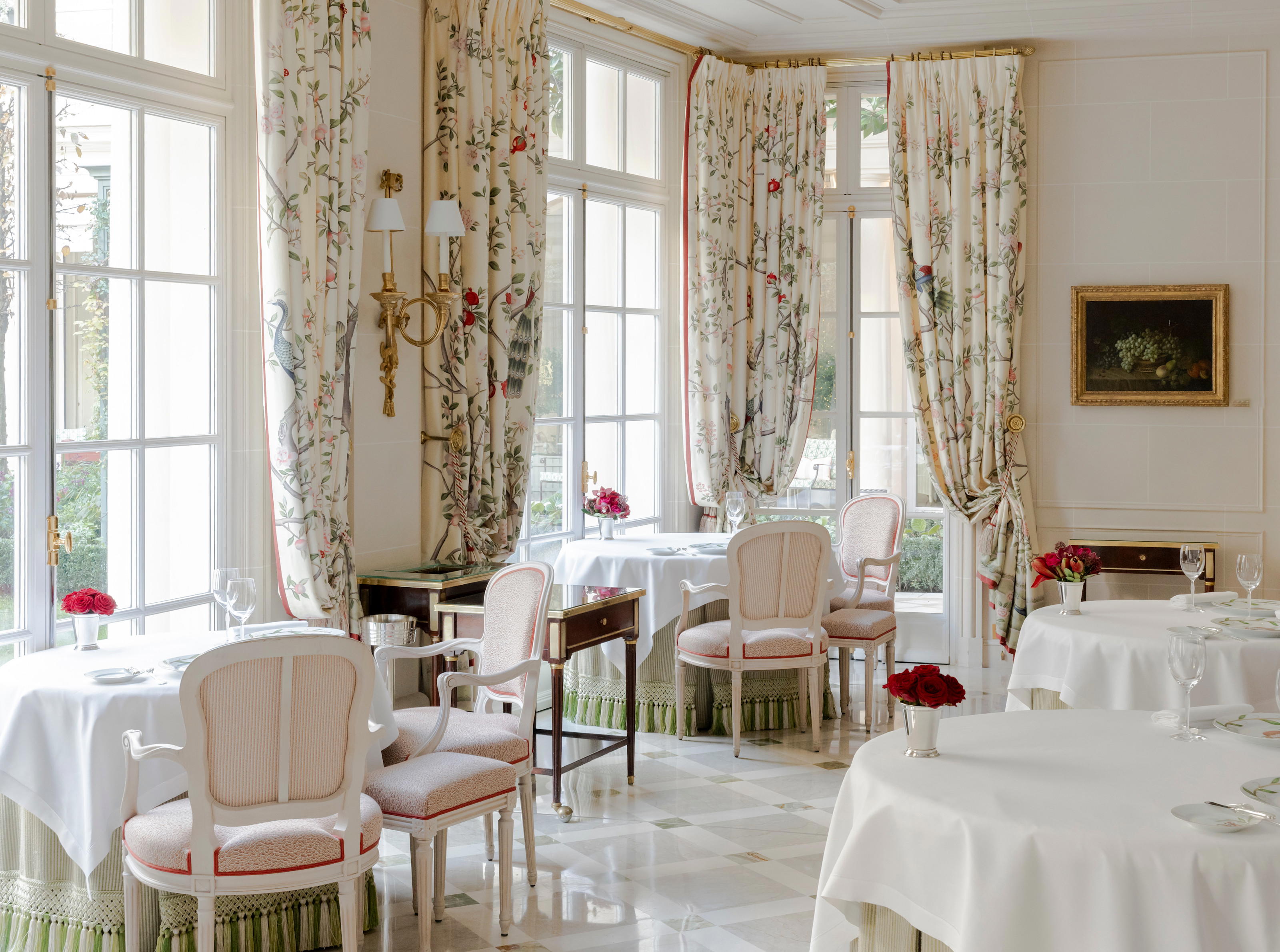
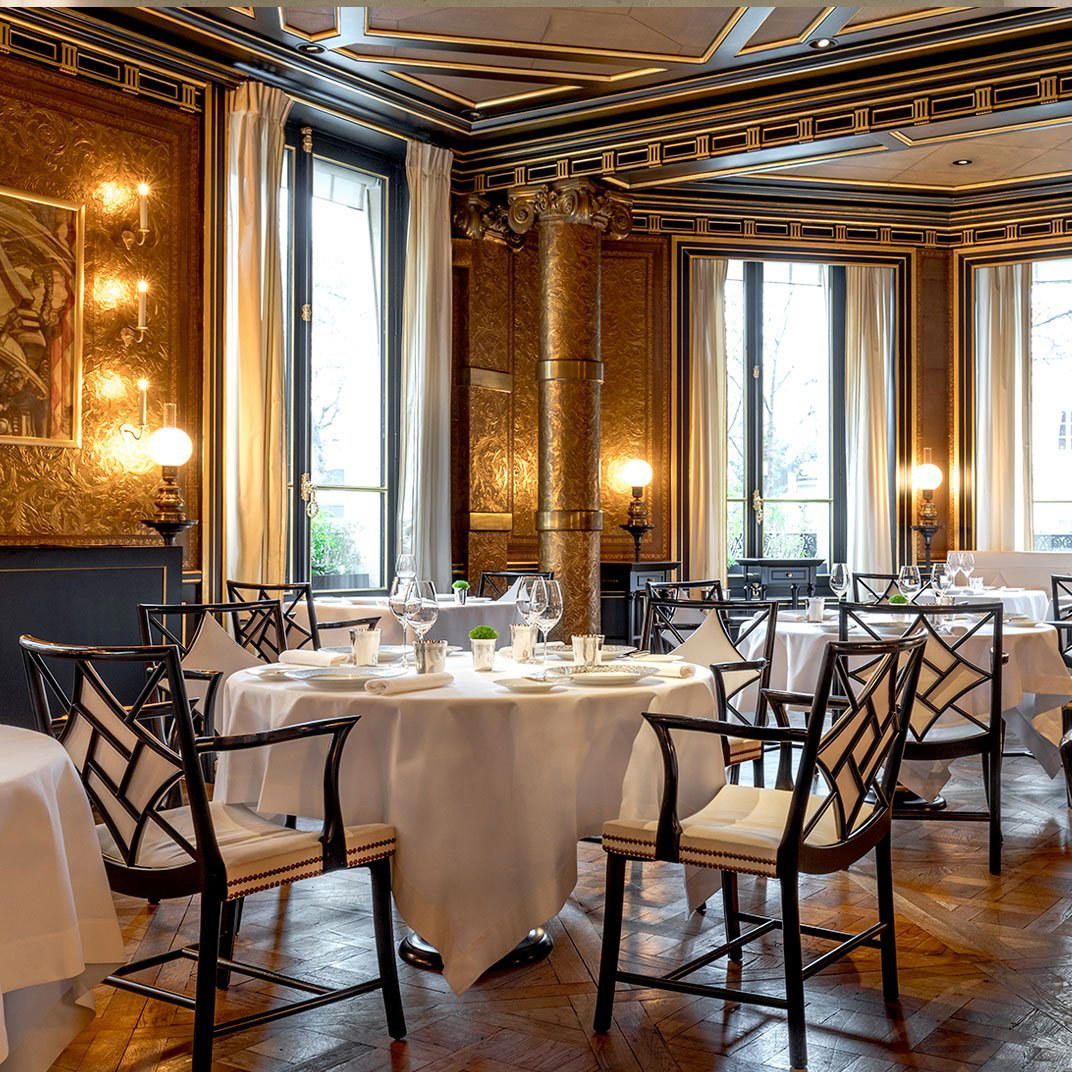
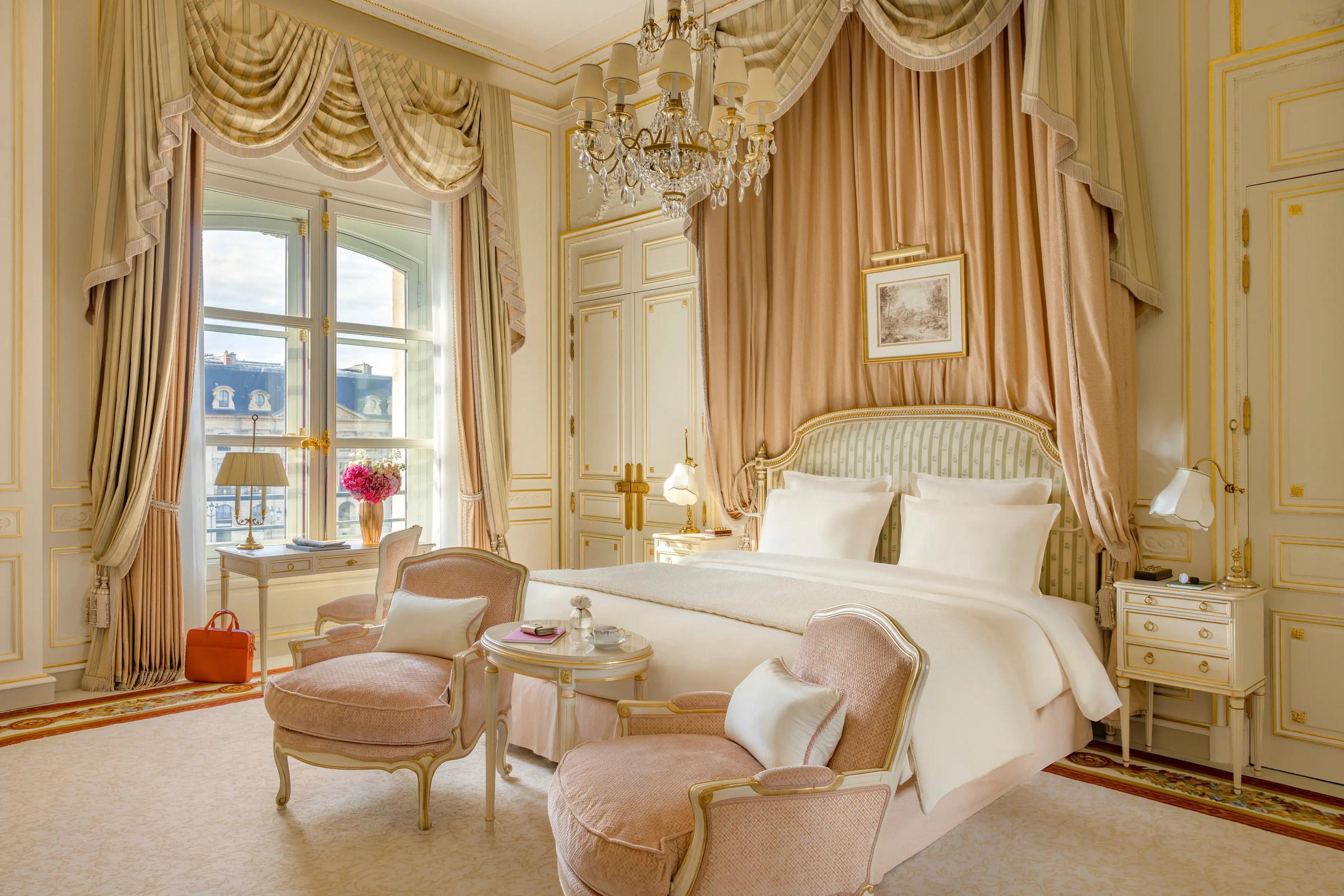
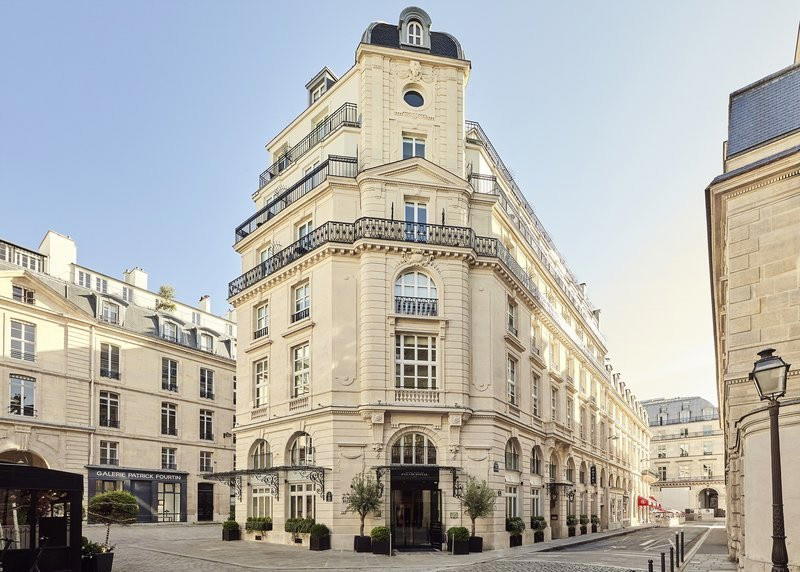
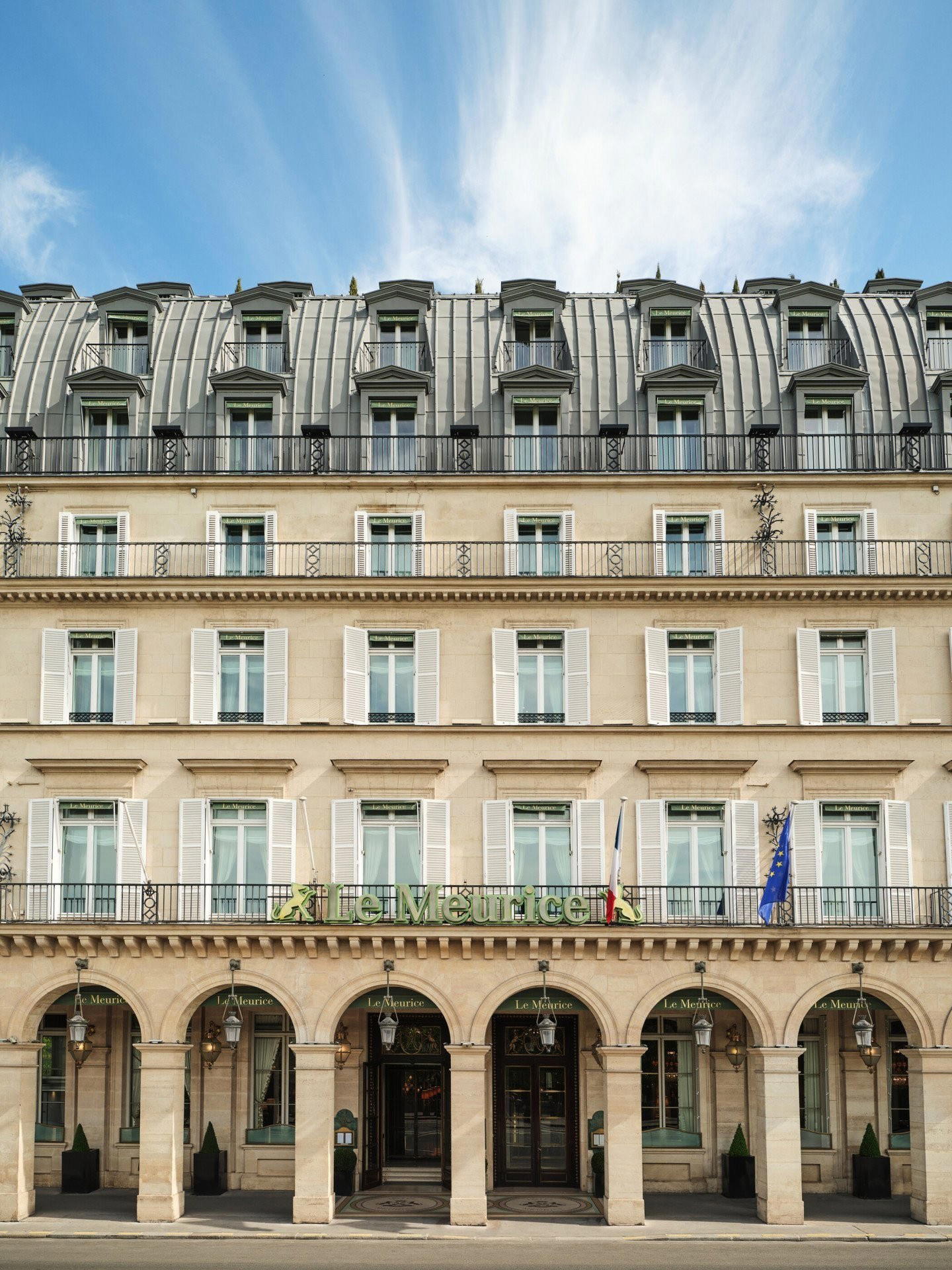
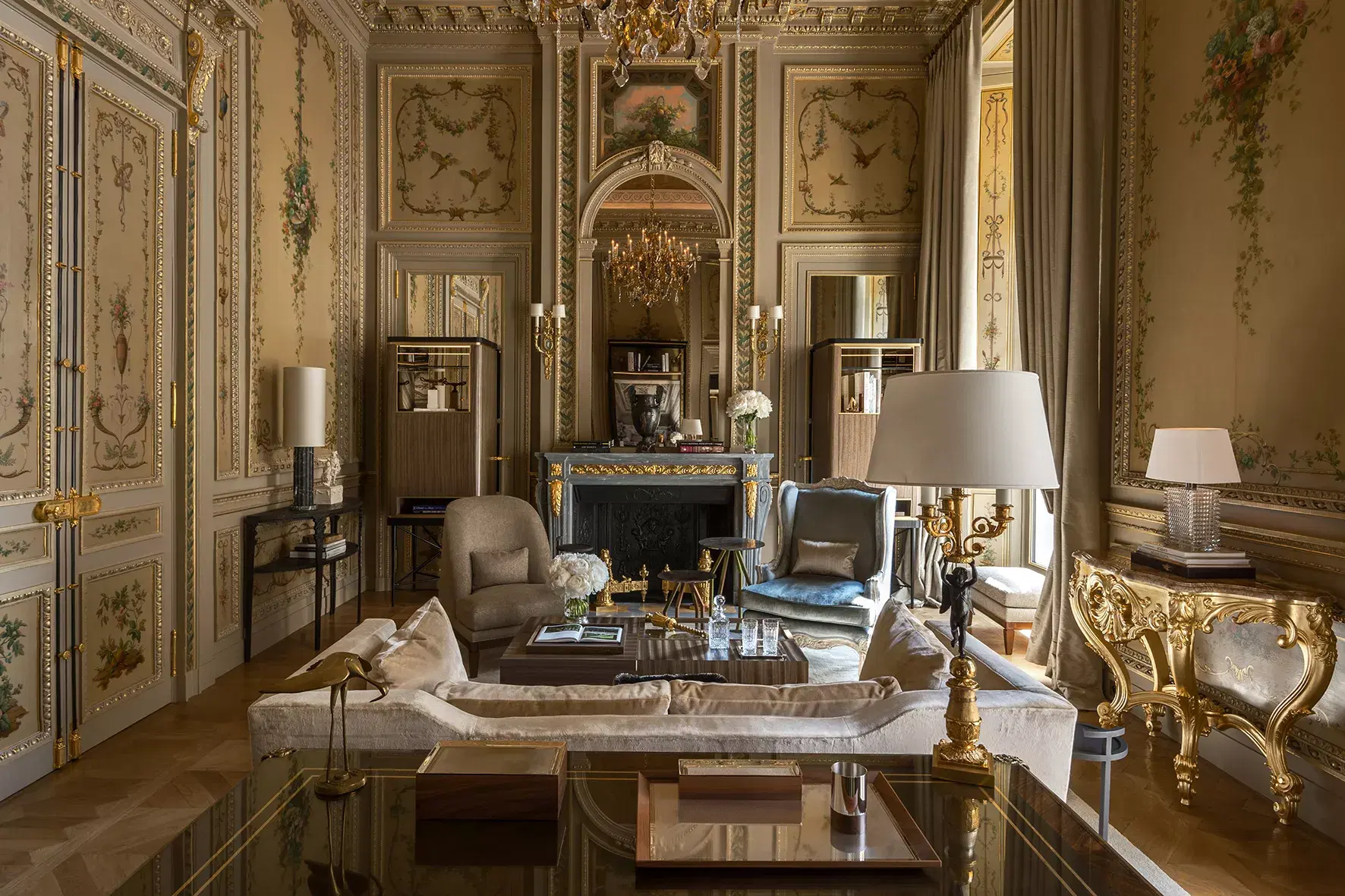
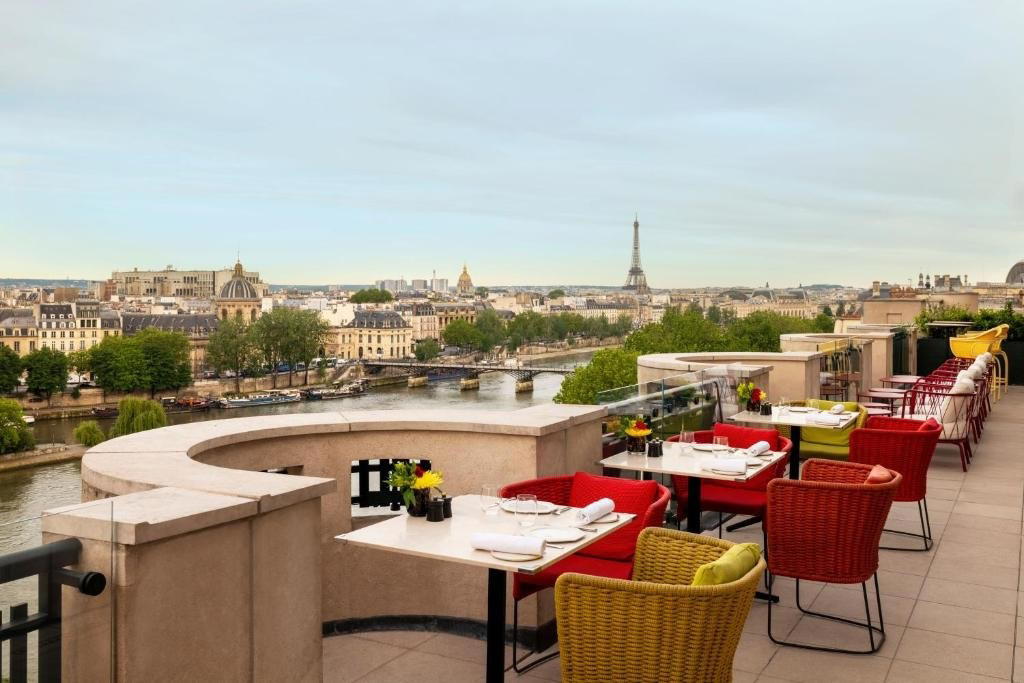
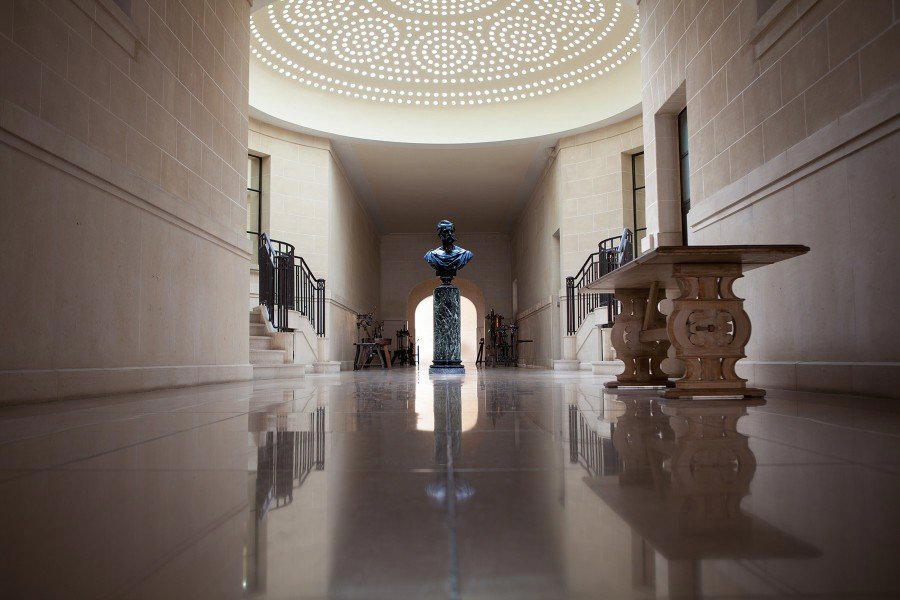
Ornate Art Deco with Egyptian revival motifs, offering a cinematic and elegant atmosphere on the terrace.