Pago occupies a specific niche in Salt Lake City's dining scene: a neighborhood restaurant on 900 East where the menu structure tells a clear story about local sourcing and seasonal discipline. It sits in a different tier from the city's hotel-dining rooms and steakhouses, drawing a regular crowd that books ahead and returns often. For visitors calibrating where to eat in SLC, Pago is a useful reference point for the city's independent restaurant culture.
Pearl is the En Primeur Club membership app — saves, bookings, and concierge access live there. Same editors, same standards.
- Address
- 878 S 900 E, Salt Lake City, UT 84102
- Phone
- +1 801 532 0777
- Website
- pagoslc.com
- Directions
- Get directions
 Saves & bookings on Pearl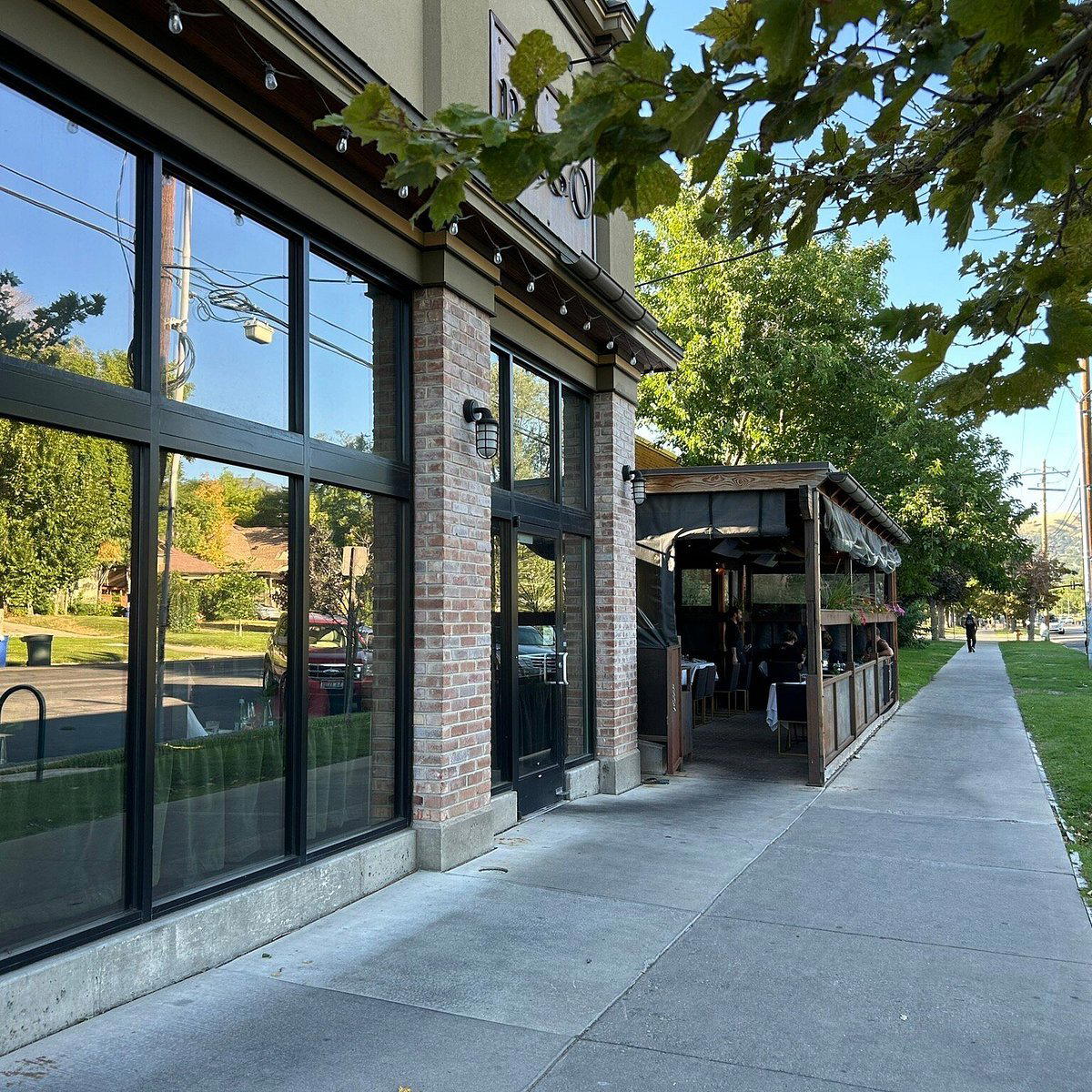
A Street-Level Anchor for Salt Lake City's Independent Dining Scene
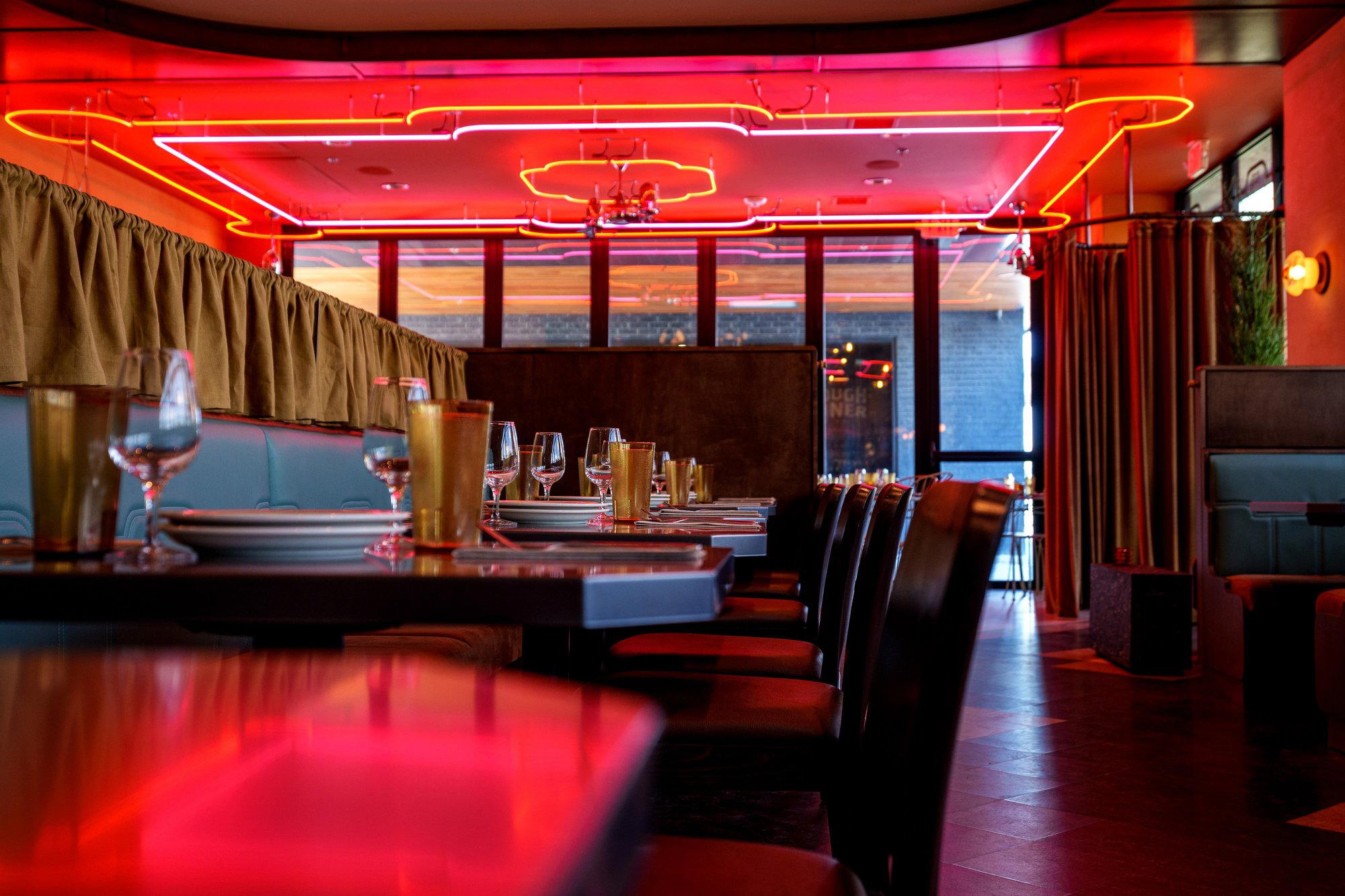
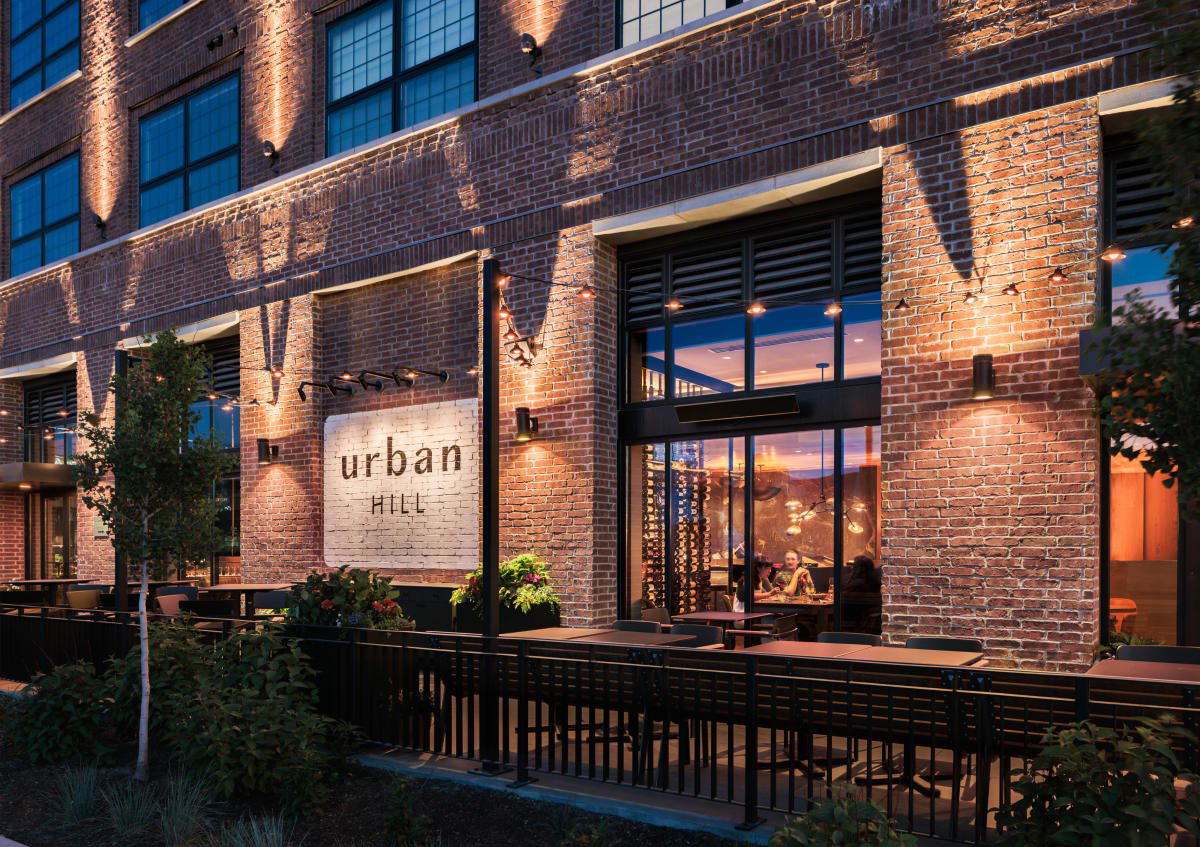
Salt Lake City's restaurant geography has shifted considerably over the past decade. The downtown core still draws the hotel-adjacent dining rooms and expense-account steakhouses, but a secondary tier of independently owned neighborhood restaurants has taken root in the residential streets east of the city center. The stretch of 900 East where Pago sits at 878 S 900 E is part of that eastward migration: a walkable, low-key strip where the dining is quieter in register but often more considered in execution. Approaching the building, the scale reads immediately as domestic rather than monumental, the kind of room that announces its intentions through restraint rather than spectacle.
That physical modesty is not accidental. Across American cities, the neighborhood restaurant format that came of age in the 2010s made a deliberate argument against the theatrical dining room: lower ceilings, closer tables, a bar that functions as a genuine gathering point rather than a staging area. Pago belongs to that tradition, and its address in a residential pocket of Salt Lake City places it in conversation with similar formats in other mid-sized American cities, from the kind of sourcing-focused bistros that define certain blocks in Portland and Denver to independently operated rooms in secondary markets that compete on regularity of quality rather than on occasion-dining spectacle.
What the Menu Structure Reveals
The editorial angle most useful for understanding Pago is how the menu is organized. Restaurants that anchor themselves to local sourcing and seasonal rotation typically structure their menus to foreground provenance over technique: producers named, ingredients listed before preparations, the dish built around what arrived rather than around a fixed house style. This is a different philosophy from the tasting-menu counter, where the chef's sequence is the point, or the brasserie, where the classics are the guarantee.
At restaurants operating in this mode, the menu functions less as a list of options and more as a document of relationships, translated into plates. The format rewards return visits precisely because it changes with supply rather than on a fixed seasonal schedule. A diner who visits in late summer and again in early spring is eating from a different set of relationships, not just a different set of vegetables. That structure also places specific demands on the kitchen: the cooking has to be technically sound enough to handle whatever the supply chain delivers, rather than executing the same preparations repeatedly.
In Salt Lake City's dining context, this kind of menu architecture occupies a specific niche. The city's dining scene has historically skewed toward formats with more fixed identities: the steakhouse, the Italian-American room, the brewpub. The emergence of sourcing-forward neighborhood restaurants like Pago represents a structural shift in what the local dining audience expects and what operators believe the market will support. For visitors accustomed to this format in larger coastal markets, Pago may read as familiar in approach; for regulars who have watched Salt Lake City's independent dining scene develop, it reads as evidence of a maturing market.
Where Pago Sits in the Salt Lake City comparable set
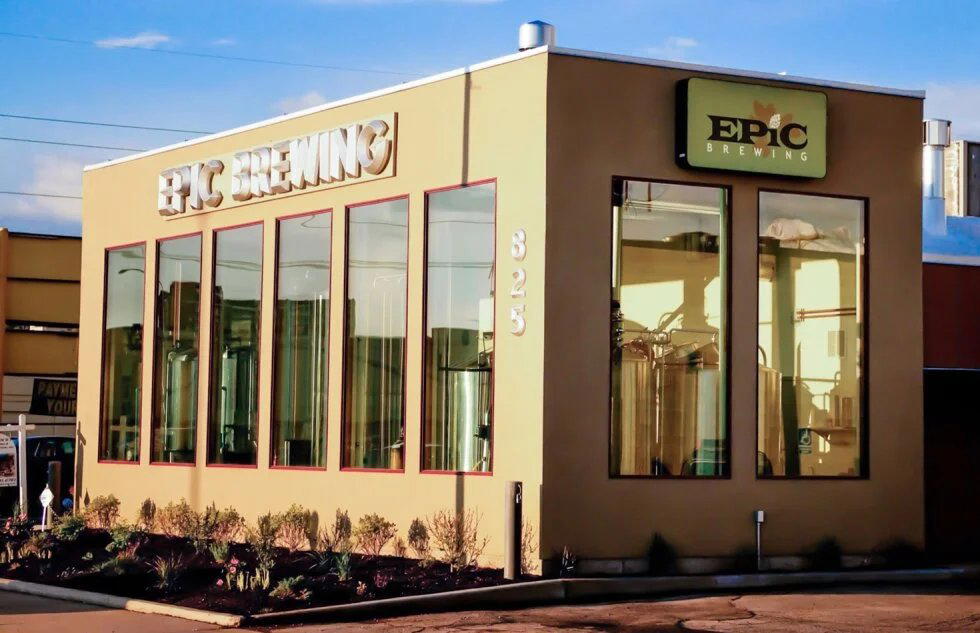
Calibrating where Pago fits among Salt Lake City's options requires some category discipline. It is not competing with the city's hotel dining rooms for occasion-dining traffic, nor is it positioned against the brewpub format that Beer Bar and Epic Brewing Company occupy. Its comparable set is closer to Avenues Proper, which operates in the same eastside residential register, and to Aker Restaurant & Lounge, where the bar program and kitchen operate in dialogue rather than in separate silos.
The distinction matters because it shapes expectations. Pago is a room built for the kind of dining that rewards attention: you notice what changed from your last visit, you recognize the sourcing callouts on the menu, you engage with the bar program as an extension of the food philosophy rather than as a separate department. That dynamic is more legible to a diner who has spent time with similar formats elsewhere. For comparison, the sourcing-forward neighborhood restaurant model has produced some of the more interesting programs in American cities: Kumiko in Chicago has shown how a thoughtful beverage program can anchor this kind of room; ABV in San Francisco demonstrates how the bar-forward version of the same philosophy operates on the West Coast; and further afield, Bar Leather Apron in Honolulu and Jewel of the South in New Orleans show how deeply a beverage program can embed itself in local ingredient culture.
Salt Lake City's cocktail scene has developed along a parallel track. Bar Nohm has pushed the city's bar culture toward more technically ambitious territory, and venues like Julep in Houston, Superbueno in New York City, and The Parlour in Frankfurt on the Main illustrate how deeply regional identity can embed itself in a drink program when the format is structured to allow it.
Planning a Visit
Pago's address at 878 S 900 E places it in a walkable pocket of the east side, accessible from downtown but with a distinctly neighborhood character that differentiates it from the restaurant clusters closer to Temple Square and the convention center. The format runs leading at the pace the room sets rather than against a fixed departure time: this is not a restaurant where rushing through courses is rewarded. Booking ahead is advisable, particularly on weekends, when the neighborhood dining crowd fills the room consistently.
At a Glance
Comparable venues nearby, for context on price, style, and recognition.
| Venue | Cuisine | Price | Notes |
|---|---|---|---|
| PagoThis venue — the venue you are viewing | Not listed | $$$ | Not listed |
| MONARCA | Clark Learning Office Center, mezcaleria | $$$ | Not listed |
| Post Office Place | Not listed | $$$ | Clark Learning Office Center, cocktail_bar |
| Corner Brew Pub Sugar House | Sugarhouse, pub | $$ | Not listed |
| Epic Brewing Company | Not listed | $$ | Central City, beer_bar |
| Tokyo Tower Japanese Sushi and Chinese Cuisine | Ballpark, Bar | $$ | Not listed |
Continue exploring
More in Salt Lake City
Bars in Salt Lake City
Browse all →
Restaurants in Salt Lake City
Browse all →
Hotels in Salt Lake City
Browse all →

Wineries in Salt Lake City
Browse all →
At a Glance
- Intimate
- Elegant
- Cozy
- Date Night
- Special Occasion
- Standalone
- Seated Bar
- Booth Seating
- Natural Wine
Current opening hours
- Monday
- 5–9 PM
- Tuesday
- 5–9 PM
- Wednesday
- 5–9 PM
- Thursday
- 5–9 PM
- Friday
- 5–9 PM
- Saturday
- 5–9 PM
- Sunday
- 5–9 PM
Hours can change for holidays and private events. Last verified .
Intimate casual fine dining atmosphere in a historic building with focus on local and sustainable ingredients.