Skip to Main Content
← Collection
Irvine, United States

Otoro Sushi

LocationIrvine, United States

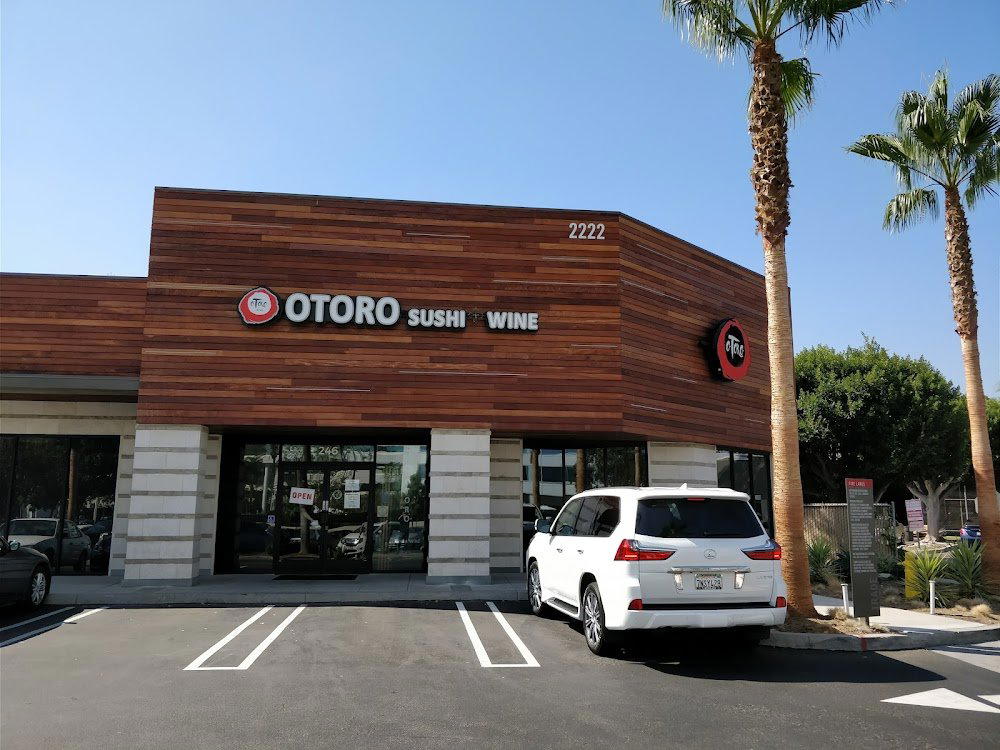
Otoro Sushi sits within the Michelson Drive commercial corridor of Irvine, California, a stretch that has quietly accumulated a serious dining density over the past decade. The name signals an aspiration toward premium Japanese seafood, placing it in a peer set defined by omakase counters and high-grade nigiri programs. For residents of the surrounding Irvine business district, it functions as both a destination and a local anchor.

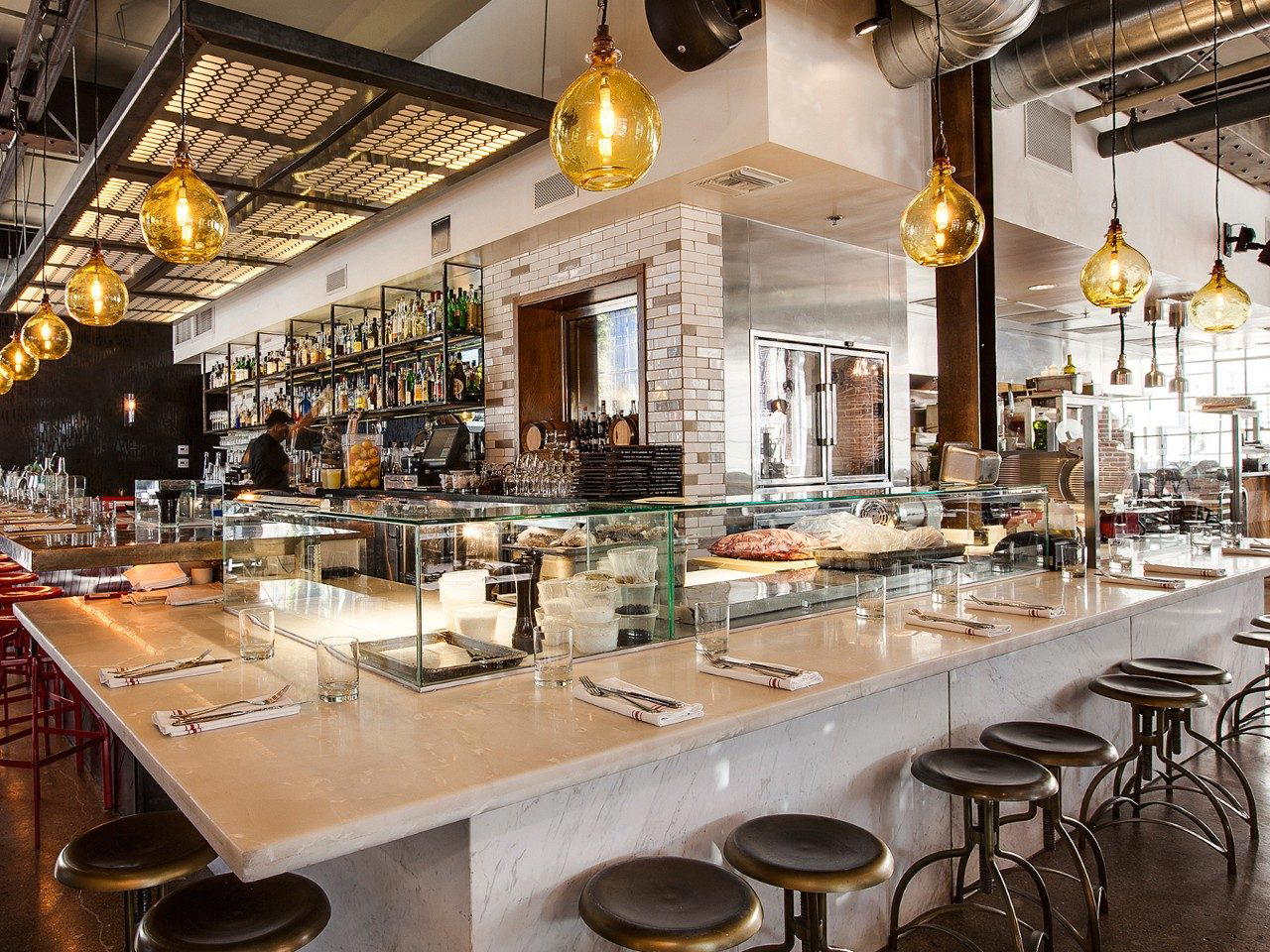
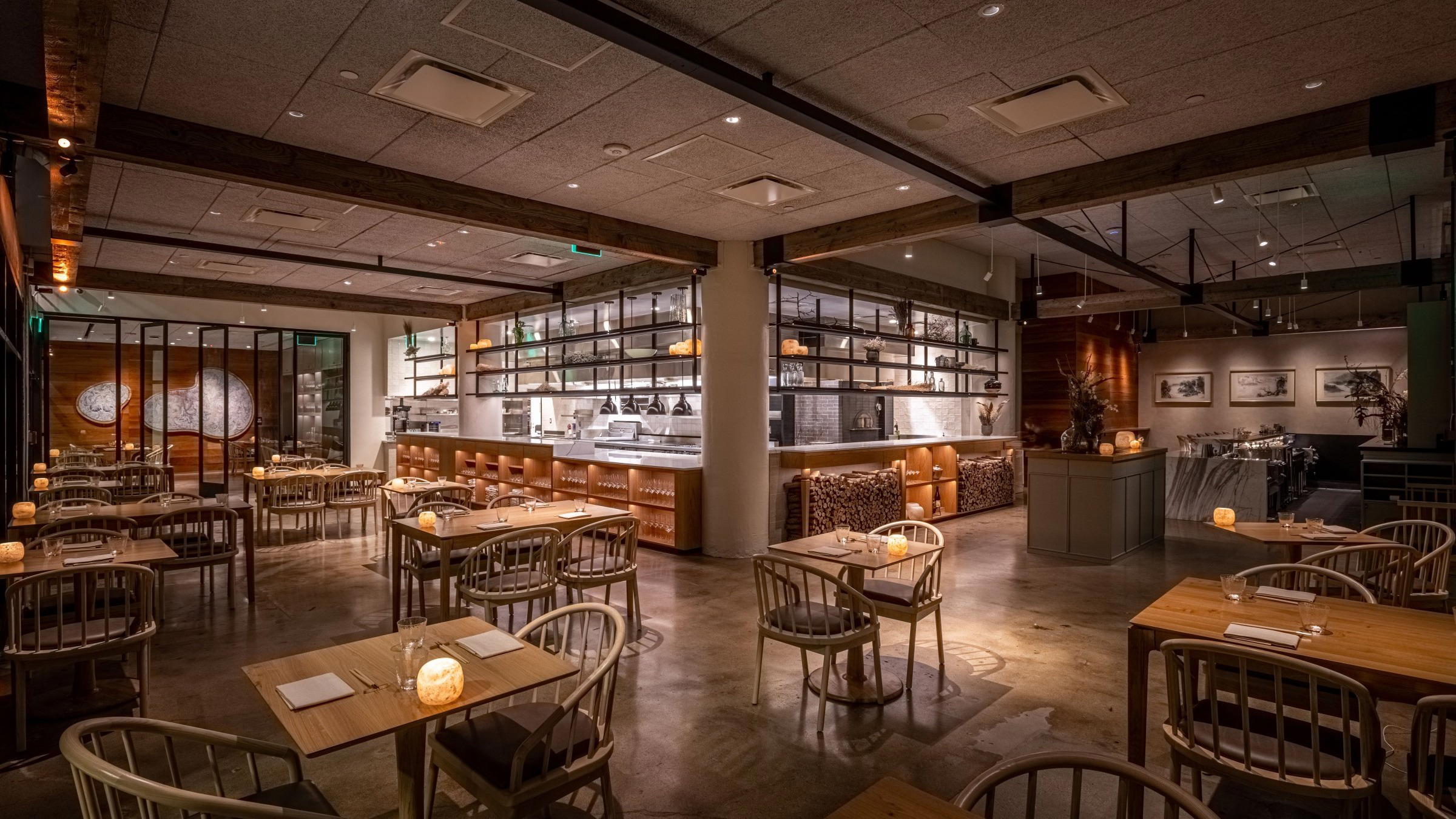
Otoro Sushi bar in Irvine, United States
About

The Michelson Corridor and What It Means for Serious Sushi

Irvine's dining geography is not random. The Michelson Drive corridor, running through the city's Financial District, has accumulated a concentration of mid-to-upper-range restaurants that serve a dual audience: business lunches during the week and destination dining on evenings and weekends. The address at 2222 Michelson Dr places Otoro Sushi inside this pattern, where the surrounding professional population sustains a higher average spend than most Orange County zip codes and rewards venues that deliver consistent quality rather than novelty. For a sushi counter operating in this zone, the bar is set by proximity to a customer base that travels to Los Angeles and beyond for Japanese dining and has the reference points to compare.

The name itself is a declaration of intent. Otoro, the fatty belly cut of bluefin tuna, sits at the upper register of a sushi menu in terms of both cost and expectation. Naming a restaurant after it signals something about positioning, even before the first plate arrives. In Southern California, the sushi category is fiercely stratified, from supermarket grab-and-go to multi-course omakase experiences priced above three hundred dollars per head. Where exactly Otoro Sushi lands in that stratification is part of what defines its community role on Michelson Drive.

Sushi in Southern California: The Competitive Frame

Southern California has one of the densest concentrations of Japanese restaurants outside Japan itself, shaped by decades of immigration, the influence of the Los Angeles Japanese-American community, and a produce and seafood supply chain that supports high-grade fish programs year-round. Orange County sits within this broader ecosystem. The county's sushi scene is less scrutinized than West Hollywood or the San Gabriel Valley in critical terms, but it has produced serious counters that operate at a level comparable to second-tier Los Angeles venues.

The category has split in a way that mirrors national trends. On one end, fast-casual Japanese concepts compete on price and throughput. On the other, omakase-format restaurants with fixed menus, trained chefs, and premium fish sourcing have expanded significantly since 2018, driven partly by the influence of reservation platforms like Tock and Resy that made the format more accessible to diners unfamiliar with it. Venues like Otoro Sushi occupy a position somewhere in that range, serving a neighborhood that wants a reliable, high-quality Japanese dining option without necessarily requiring the full ritual of a multi-hour counter experience.

For context on how craft beverage programs intersect with serious food venues, the model at play in Irvine is closer to what you see at destination bars in other American cities: a room that takes both its food and its drinks seriously, anchoring a block rather than merely filling a suite. ABV in San Francisco built a similar dual identity around a curated spirits list alongside serious bar food, and the approach has proven durable. Kumiko in Chicago takes the Japanese-inflected cocktail format in a different direction, pairing kaiseki-influenced small plates with a seasonal Japanese whisky program. These are reference points for what serious integration of Japanese culinary sensibility and beverage craft looks like at a high level.

The Local Role: Watering Hole, Business Lunch Counter, Neighborhood Anchor

What distinguishes a neighborhood anchor from a destination restaurant is less about quality and more about rhythm. An anchor is where the same faces appear on alternating Thursdays, where the staff recognizes a regular's preferred seating, and where the menu is known well enough that ordering becomes a comfortable ritual rather than an exercise in navigation. In a business district like the one surrounding Michelson Drive, that role matters. The office towers in this part of Irvine house technology, finance, and professional services firms whose employees need reliable, fast lunch options and more generous dinner tables for client meals.

Sushi, as a format, accommodates both. A well-run sushi counter can compress a lunch into forty minutes when the kitchen is organized, or extend a dinner across two hours without the pacing feeling forced. That flexibility is part of why Japanese restaurants have embedded so successfully in American business districts, from Midtown Manhattan to Century City to exactly this stretch of Irvine. The format is inherently modular: add a round of sake, slow the pacing, and it becomes an occasion. Keep it tight, and it's the most efficient quality lunch available.

Other Irvine venues have built their identities around similar dual-function roles. Angelina's Pizzeria Napoletana serves as a casual anchor for a different end of the local dining spectrum, while Bacchus Bar and Bistro occupies the wine-forward bistro position that every business district of this scale seems to sustain. Kalbi Social Club and Oliver's Trattoria round out a local peer set that collectively demonstrates how Irvine has moved toward a more layered, multi-cuisine dining identity over the past several years. See our full Irvine restaurants guide for a wider view of how these venues map across the city.

Cocktail Culture Alongside the Counter

Premium sushi venues in the United States have increasingly invested in beverage programs that go beyond sake and Japanese beer. The model in higher-end markets now typically includes a short but considered cocktail list, often drawing on Japanese whisky, yuzu, shiso, and other ingredients that echo the kitchen's flavor register. This mirrors a broader national move toward beverage-food coherence at serious restaurants, rather than treating the bar as a waiting-room function.

The venues that have done this most effectively nationally include Jewel of the South in New Orleans, which treats its cocktail program with the same archival seriousness as its kitchen, and Bar Leather Apron in Honolulu, which operates in a market shaped by Japanese culinary influence and has built a technically precise cocktail program accordingly. Julep in Houston and Superbueno in New York City represent different ends of the cocktail ambition spectrum but share the same fundamental premise: that the drink in a diner's hand shapes the meal as much as the food on the plate. The Parlour in Frankfurt on the Main demonstrates that this approach has spread well beyond American markets.

Planning Your Visit

Otoro Sushi operates at suite 246 within the 2222 Michelson Drive complex in Irvine, a building format common in this part of Orange County where restaurant tenants share a larger professional or retail structure. Parking in the Michelson corridor is generally available in shared lots, which is relevant for evening visits when the business district quiets and spaces become easier to find. For booking details, current hours, and menu information, checking directly with the restaurant is advisable, as the venue's contact and online presence details were not available at the time of publication. Irvine's Financial District is accessible from the 405 freeway at the Culver Drive or Jamboree Road exits, placing the restaurant within a direct drive from most of central Orange County and a reasonable transit distance from the Irvine Metrolink station for those arriving from Los Angeles.

Frequently Asked Questions

What's the standout thing about Otoro Sushi?
Otoro Sushi sits within a business-district dining corridor on Michelson Drive that has developed genuine depth over the past decade. Its positioning within the Irvine Financial District means it serves a customer base with high dining expectations, placing it in a peer set that competes on quality and consistency rather than price alone. For confirmed details on what distinguishes the current menu, visiting or contacting the restaurant directly is the most reliable approach, as specific details were not available at time of publication.
What's the leading way to book Otoro Sushi?
If you are in Irvine and planning ahead, checking for Otoro Sushi on major reservation platforms such as Resy, OpenTable, or Tock is a reasonable starting point, as most sushi venues in the mid-to-upper tier of the Southern California market use at least one of these systems. Contact details were not available in our current database, so the restaurant's website or a walk-in inquiry at the Michelson Drive address would be the next step. For high-demand slots, booking at least a week in advance is standard practice for Japanese counters in this price tier.
Who is Otoro Sushi leading for?
The Michelson Drive address and the register implied by the name suggest Otoro Sushi suits diners already comfortable with Japanese dining conventions, whether that means a working lunch with a client or a weekend dinner where the focus is on quality seafood. The surrounding business district means the room likely accommodates both professional and social dining without requiring either to adjust significantly. Families and larger groups should confirm table availability and format directly with the venue.
What's the must-try cocktail at Otoro Sushi?
Specific cocktail menu details were not available in our database at the time of publication. Premium sushi venues in Southern California increasingly carry sake lists alongside Japanese whisky-based drinks and yuzu-forward cocktails that complement raw fish preparations. Asking the staff on arrival what the current beverage program emphasizes is the most reliable way to find a pairing that works alongside the food.
How does Otoro Sushi fit into the broader Irvine Japanese dining scene?
Orange County has seen a meaningful expansion of serious Japanese dining over the past decade, with several omakase-format counters opening across Irvine, Newport Beach, and Costa Mesa. A venue named for otoro, the premium tuna belly cut, signals an intent to operate above the casual sushi tier, placing it in conversation with counters that source higher-grade fish and charge accordingly. Whether it operates on a fixed omakase format, an a la carte counter, or a hybrid model is leading confirmed directly with the restaurant, as that format distinction determines pacing, price, and the overall experience significantly.

Reputation Context

A compact peer snapshot based on similar venues we track.

Collector Access

Need a Table?

Our members enjoy priority alerts and concierge-led booking support for the world's most difficult bars and lounges.

Get Exclusive Access