Otomisan Restaurant
Otomisan Restaurant on 1st Street in Boyle Heights is one of Los Angeles's oldest Japanese restaurants, a counter-and-booth institution that has outlasted trends by staying anchored to a pre-fusion era of Japanese American cooking. The room is spare, the menu direct, and the experience tells you more about how Japanese food took root in California than most purpose-built heritage projects ever could.
Pearl is the En Primeur Club membership app — saves, bookings, and concierge access live there. Same editors, same standards.
- Address
- 1st St, Los Angeles, CA 90033
- Phone
- +1 323 526 1150
- Website
- otomisanrestaurant.com
- Directions
- Get directions
 Saves & bookings on Pearl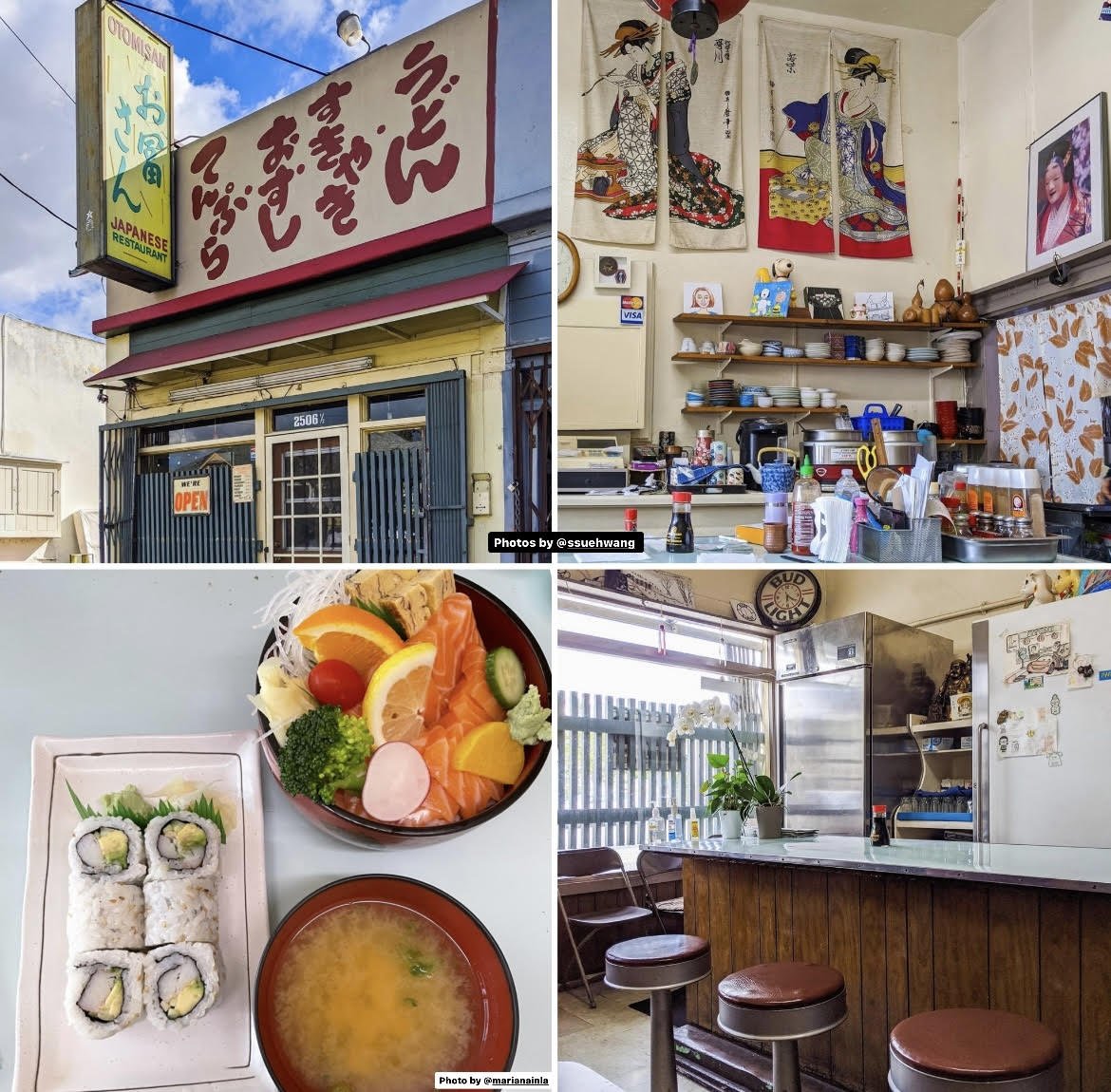
A Room That Predates the Conversation
Boyle Heights is not a neighbourhood most dining guides route people through on the way to a Japanese meal. That geographical friction is, in part, what makes Otomisan Restaurant worth understanding. The restaurant sits on 1st Street in a corridor that was once the heart of Los Angeles's Japanese American community before internment during World War II displaced the population and reshaped the neighbourhood's demographic character permanently.
The dining room itself reads as a working document of mid-century Japanese American restaurant culture: functional furniture, a counter format that prioritises efficiency over theatre, and a pace set by regulars rather than reservation waves. This is not the omakase tier that now defines LA's Japanese fine dining conversation, nor is it part of the Little Tokyo cluster that draws most visitors seeking Japanese food in the city. It occupies a separate category entirely, one that predates the segmentation of Japanese cuisine into the price brackets and style distinctions the market now takes for granted.
What the Setting Teaches You First
Japanese American restaurant culture in California developed along a specific arc. The earliest establishments, many dating to the late nineteenth and early twentieth centuries, served both Japanese immigrant communities and curious non-Japanese diners, often adapting dishes to available ingredients and local expectations. After internment dispersed communities and destroyed much of the infrastructure built over decades, the restaurants that re-opened or survived did so in changed neighbourhoods and changed economic conditions. Otomisan sits within that post-internment continuity, a physical remnant of what 1st Street in Boyle Heights represented before the demographic shift made Japanese American presence there a historical footnote rather than a living daily fact.
That context shapes how you should approach the meal: less as a tasting progression through a curated menu and more as an encounter with a culinary record. The dishes here are not designed to tell a contemporary story about Japanese food; they tell an older one, about adaptation, endurance, and the gap between how a cuisine travels and how it settles.
Reading the Menu as a Timeline
The food at Otomisan is most usefully understood through the lens of Japanese American home cooking codified into a short restaurant menu. The categories are not organised to guide a multi-course arc in the way that modern tasting menus are, but a considered order of eating still surfaces. Lighter preparations and broth-based dishes function as an entry point, allowing the palate to register the kitchen's register before heavier proteins arrive. Rice appears not as an afterthought but as a structural element of the meal, in the tradition of Japanese cooking where it anchors rather than accompanies.
The absence of those elements is not a limitation; it is a position. The restaurant predates those conventions and has not absorbed them, which means what you eat here is not filtered through the interpretive frameworks that now dominate how Japanese food is presented to non-Japanese diners at the premium end of the market.
Boyle Heights and the Wider LA Japanese Dining Map
Los Angeles's Japanese food scene is stratified enough that a single visit to any one part of it gives an incomplete picture. The high-end omakase counters in Beverly Hills and West Hollywood compete against each other on sourcing credentials and chef lineage. Little Tokyo's central corridor runs from casual ramen and sushi lunch formats up through mid-tier kaiseki. Otomisan on 1st Street in Boyle Heights operates outside that geography and outside those competitive categories, which is precisely why it functions as a useful orientation point for anyone trying to understand how Japanese food arrived in California, not just how it is currently being performed.
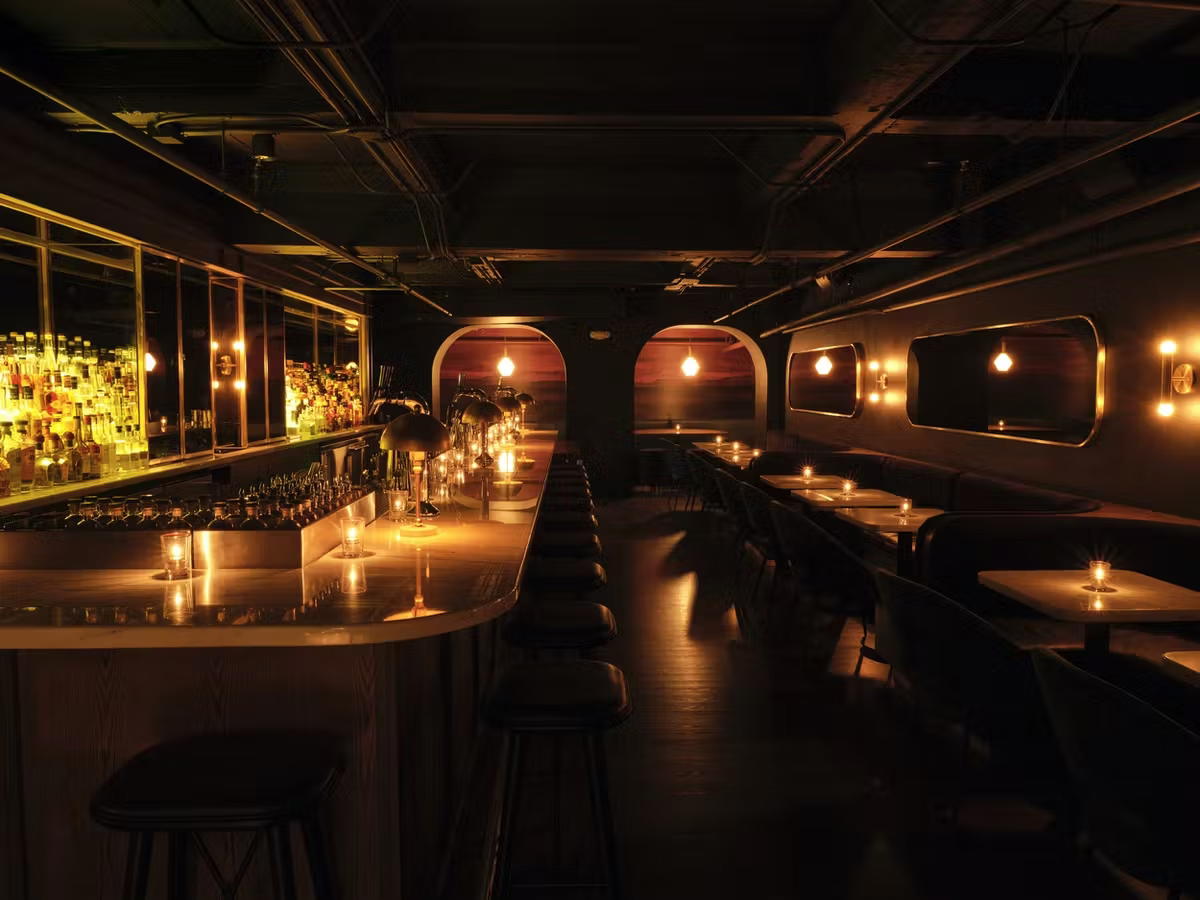
For drinking before or after, the broader LA bar scene offers a range of reference points. Bar Next Door and Death & Co (Los Angeles) represent the technically-led cocktail tier in the city, while Mirate and Standard Bar offer different registers of the LA bar experience. None of those venues are proximate to Boyle Heights, so Otomisan is more naturally a standalone destination than a stop on a curated evening circuit.
Kumiko in Chicago and Bar Leather Apron in Honolulu each represent serious programs that engage Japanese drinking traditions through different local lenses. Jewel of the South in New Orleans, Julep in Houston, Superbueno in New York City, ABV in San Francisco, and The Parlour in Frankfurt on the Main round out a comparable set of bars that reward the kind of deliberate, context-aware visit that Otomisan itself calls for.
Who Goes Here and Why It Matters
The regulars at a restaurant like Otomisan are doing something different from the diner who books a counter seat at a Michelin-starred omakase weeks in advance. They are eating in the oldest and most direct sense: food that is consistent, priced accessibly, and prepared without performance. For the out-of-town visitor, the value is not comfort food in the sentimental sense, but historical access, a chance to eat in a room that carries the memory of a community in its bones without framing that memory as a premium product.
That is a rarer thing in Los Angeles than it should be. The city tends to absorb its food histories into trend cycles, retrofitting older cuisines with contemporary credentials and higher price points. Otomisan has not followed that path, which makes it a genuinely distinct data point in any serious survey of what Japanese food in America has been and continues to be.
Know Before You Go
- Address: 1st St, Los Angeles, CA 90033 (Boyle Heights)
- Phone: not listed
- Website: Not available
- Hours: Confirm locally before visiting; hours are not verified
- Price range: Not confirmed; the format and neighbourhood context suggest accessible, everyday pricing
- Reservations: Walk-in format likely; confirm directly
- Parking: Street parking on 1st Street and surrounding blocks
- Note: This is a neighbourhood institution, not a drop-in tourist destination. Visit with appropriate expectations and the patience that older, community-anchored restaurants reward.
Comparable Options
Comparable venues nearby, for context on price, style, and recognition.
| Venue | Cuisine | Price | Notes |
|---|---|---|---|
| Otomisan RestaurantThis venue — the venue you are viewing | Bar | $ | Not listed |
| The Escondite | dive_bar | $ | Skid Row |
| Hinano Cafe | dive_bar | $ | Venice |
| Hama Sushi | sake_bar | $$ | Little Tokyo |
| Voodoo Vin | wine_bar | $$ | East Hollywood |
| Guelaguetza Restaurant | mezcaleria | $$ | Harvard Heights |
Continue exploring
More in Los Angeles
Bars in Los Angeles
Browse all →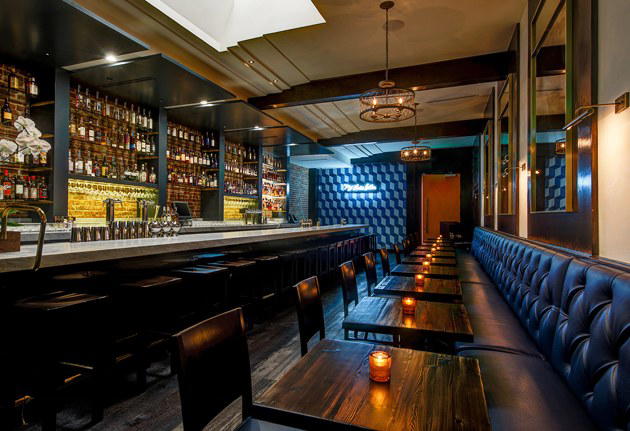
Restaurants in Los Angeles
Browse all →
Hotels in Los Angeles
Browse all →
Wineries in Los Angeles
Browse all →
At a Glance
- Cozy
- Classic
- Intimate
- Casual Hangout
- Historic Building
- Booth Seating
- Counter Only
- Sake
Current opening hours
- Monday
- 11:30 AM–2 PM, 4:30–7:30 PM
- Tuesday
- 11:30 AM–2 PM, 4:30–7:30 PM
- Wednesday
- 11:30 AM–2 PM, 4:30–7:30 PM
- Thursday
- 11:30 AM–2 PM, 4:30–7:30 PM
- Friday
- 11:30 AM–2 PM, 4:30–7:30 PM
- Saturday
- 11:30 AM–2 PM, 4:30–7:30 PM
- Sunday
- Closed
Hours can change for holidays and private events. Last verified .
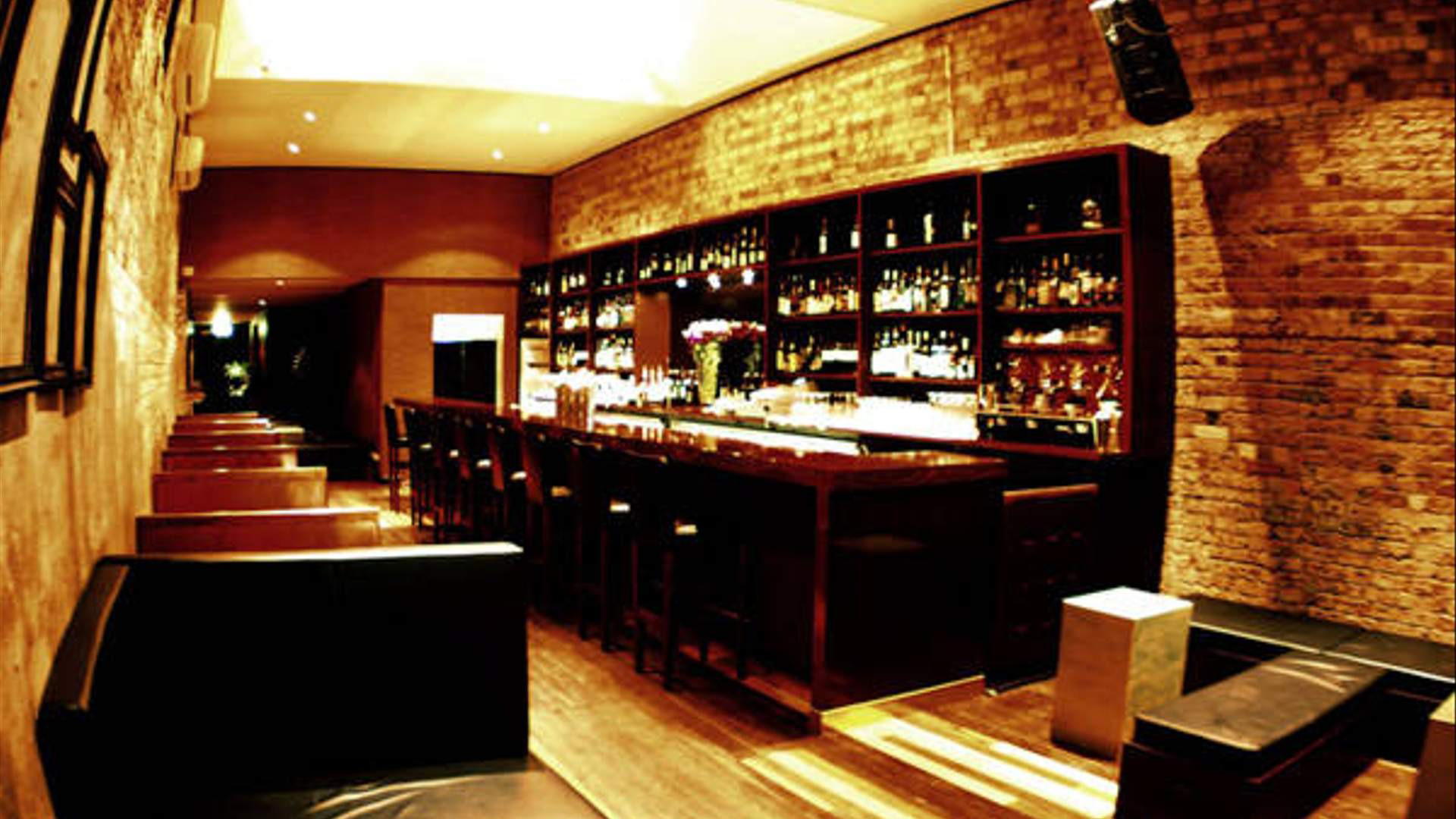
Cozy with four red booths and a Formica counter, evoking a nostalgic, welcoming neighborhood atmosphere.