Hama Sushi
Hama Sushi sits at 347 E 2nd Street in the heart of Los Angeles's Little Tokyo, a neighbourhood that has anchored Japanese dining culture in Southern California for over a century. The address places it within walking distance of the district's most established food institutions, making it a natural stop for anyone tracing the area's culinary lineage. Book ahead, particularly on weekends, when Little Tokyo draws both locals and visitors in significant numbers.
Pearl is the En Primeur Club membership app — saves, bookings, and concierge access live there. Same editors, same standards.
- Address
- 347 E 2nd St, Los Angeles, CA 90012
- Phone
- +1 213 680 3454
- Website
- instagram.com
- Directions
- Get directions
 Saves & bookings on Pearl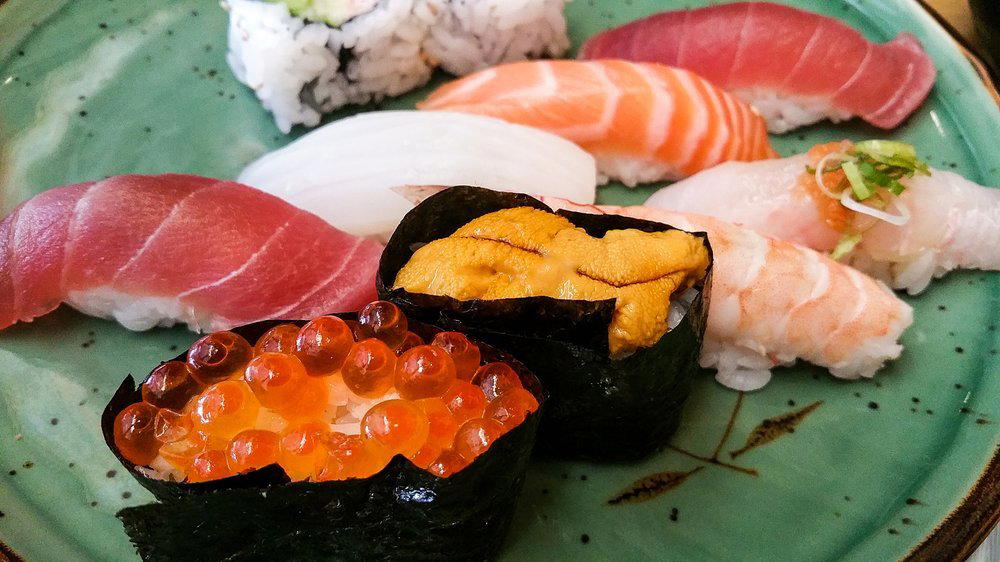
Little Tokyo and the Weight of Place
Los Angeles's Little Tokyo occupies a compact stretch of the Second Street corridor in downtown, but its influence on the city's Japanese food culture is disproportionate to its footprint. The neighbourhood has functioned as the institutional centre of Japanese-American life in Southern California since the late nineteenth century, and the dining establishments along these blocks carry that history in ways that newer, more dispersed Japanese restaurants across the city do not. Hama Sushi, at 347 E 2nd Street, sits inside that tradition rather than adjacent to it. The address is not incidental, it places the restaurant within a specific cultural geography that shapes what the experience means before a single dish arrives.
Little Tokyo's dining scene has never been monolithic. It ranges from quick counter service in the Mitsuwa-adjacent malls to sit-down restaurants that attract serious attention from across the metropolitan area. What the neighbourhood does consistently is ground Japanese food in a community context rather than a trend context. That distinction matters when assessing any restaurant operating here: the audience is not primarily tourists chasing a novelty, but a mix of Japanese-American regulars, downtown workers, and food-focused visitors who know the difference between authenticity rooted in community and authenticity performed for effect.
The Address in Context
Second Street in Little Tokyo functions as the neighbourhood's main commercial spine, with the Japanese American National Museum at one end and a dense cluster of restaurants, markets, and cultural institutions filling the blocks between. Dining in this corridor means eating in proximity to institutions that have shaped the neighbourhood's identity over decades. That context does not automatically confer quality on any individual restaurant, but it does create a baseline of expectation: places that survive here over time do so because the local community sustains them, not because a well-timed review brought a wave of one-time visitors.
For comparison, the broader Los Angeles Japanese dining scene has fragmented considerably in recent years, with strong concentrations in Sawtelle Japantown on the Westside, Gardena and Torrance in the South Bay, and scattered destination restaurants from Culver City to Beverly Hills. Little Tokyo remains distinct from all of these because its density of institutions gives it a neighbourhood coherence the others lack. Eating at Hama Sushi is, in that sense, an act of engaging with a specific place as much as a specific restaurant.
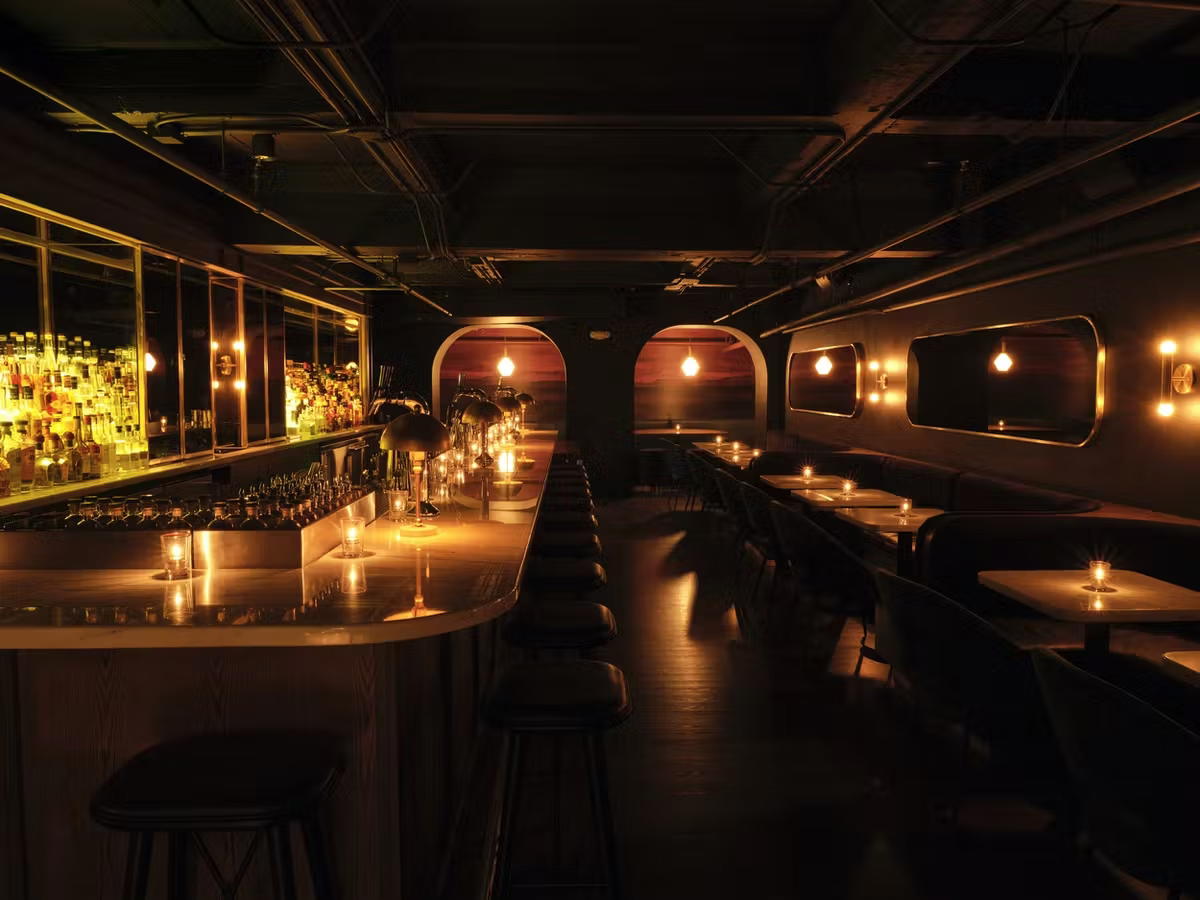
If you are mapping a broader evening in downtown Los Angeles, the neighbourhood pairs logically with a drink at nearby bars. Bar Next Door and Death & Co (Los Angeles) represent different ends of the downtown cocktail spectrum, while Mirate and Standard Bar extend the options depending on what you want from the post-dinner hour.
What the Location Demands from the Experience
Restaurants in Little Tokyo operate under a different kind of scrutiny than those in trendier Los Angeles neighbourhoods. The local Japanese-American community is a knowledgeable and consistent audience, and its continued patronage of any establishment is a more reliable quality signal than critical attention from food media. This is a neighbourhood where longevity and community endorsement carry more weight than a well-photographed menu or a celebrity sighting.
That dynamic shapes what to expect from a visit. The atmosphere in Little Tokyo restaurants tends toward the functional and the genuine rather than the designed and the curated. The rooms are often modest by Los Angeles standards, the service direct, and the focus on the food itself rather than the surrounding production. For diners accustomed to the ambient theatrics of, say, a Culver City opening or a West Hollywood destination, that can read as understated. For those who have spent time in the Japanese districts of cities like San Francisco, Honolulu, or Chicago, it will feel immediately familiar.
Planning a Visit
Little Tokyo is accessible from multiple points in downtown Los Angeles. The Gold Line Metro stop at Little Tokyo/Arts District places you within a short walk of the Second Street corridor, which is a practical consideration given downtown parking costs and availability on busy evenings. Weekend afternoons and evenings draw the largest crowds to the neighbourhood, with the Friday and Saturday dinner window being the period of highest demand across the district's restaurants generally.
Jewel of the South in New Orleans, Julep in Houston, Superbueno in New York City, ABV in San Francisco, and The Parlour in Frankfurt on the Main each represent the kind of programme-driven bar culture that has developed in parallel with the restaurant scene over the past decade.
Peers You’d Cross-Shop
Comparable venues nearby, for context on price, style, and recognition.
| Venue | Cuisine | Price | Notes |
|---|---|---|---|
| Hama SushiThis venue — the venue you are viewing | sake_bar | $$ | Not listed |
| Tiki-Ti | tiki_bar | $$ | Los Feliz |
| ikigai | Bar | $$ | Eagle Rock |
| Mandrake | cocktail_bar | $$ | Mid-City |
| Broken Shaker at Freehand Los Angeles | rooftop_bar | $$ | Downtown |
| CAFÉ TRISTE | wine_bar | $$ | Chinatown |
Continue exploring
More in Los Angeles
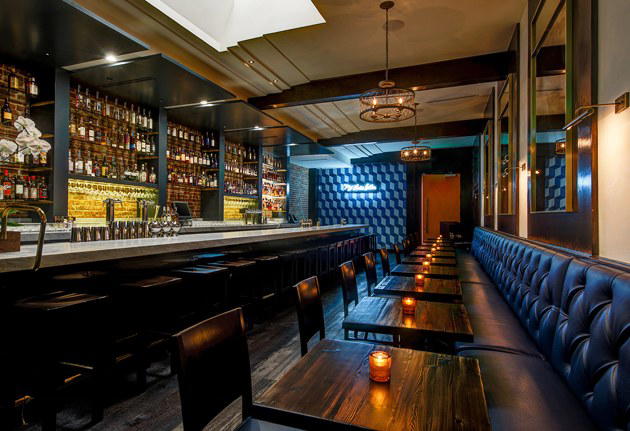
Bars in Los Angeles
Browse all →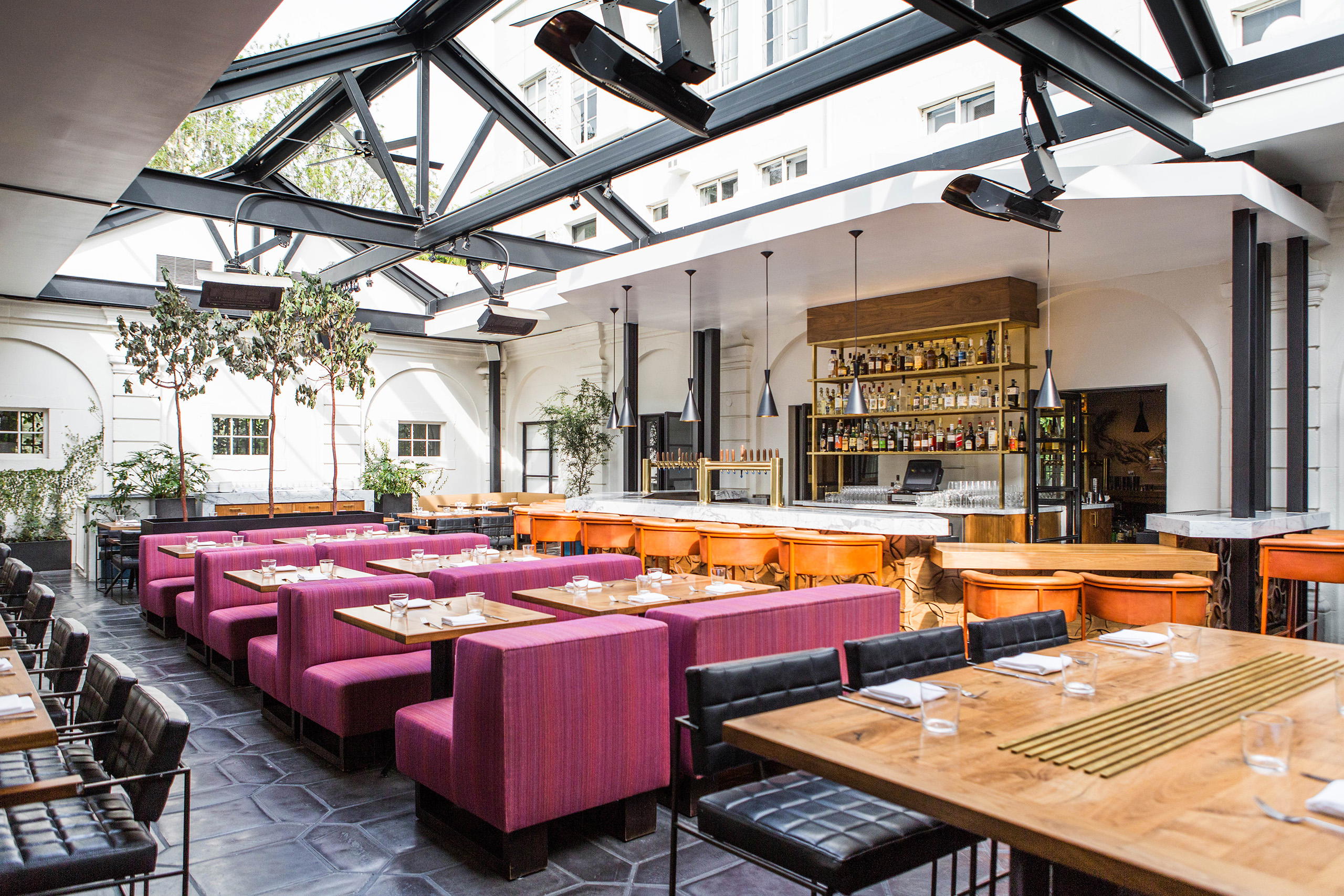
Restaurants in Los Angeles
Browse all →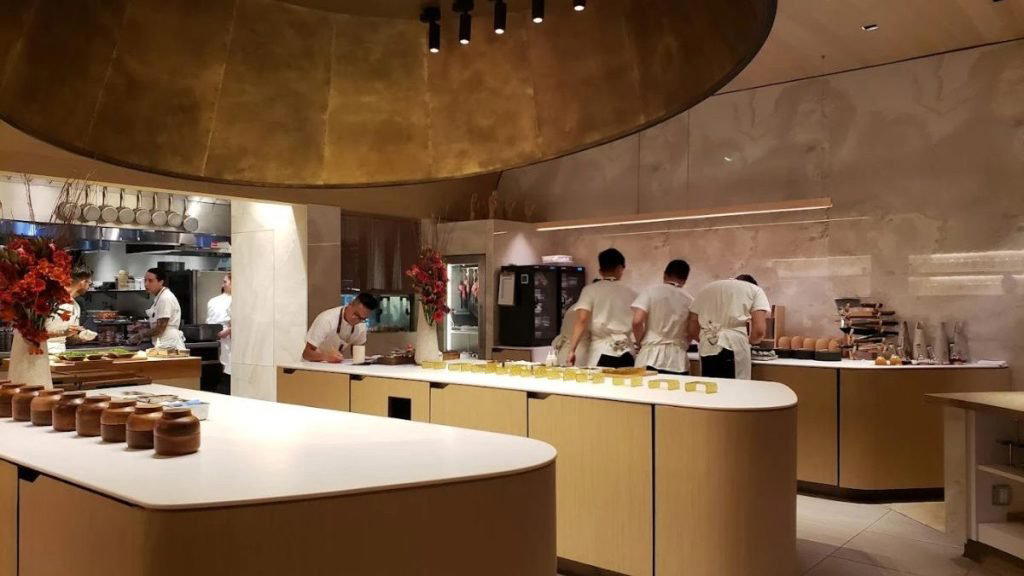
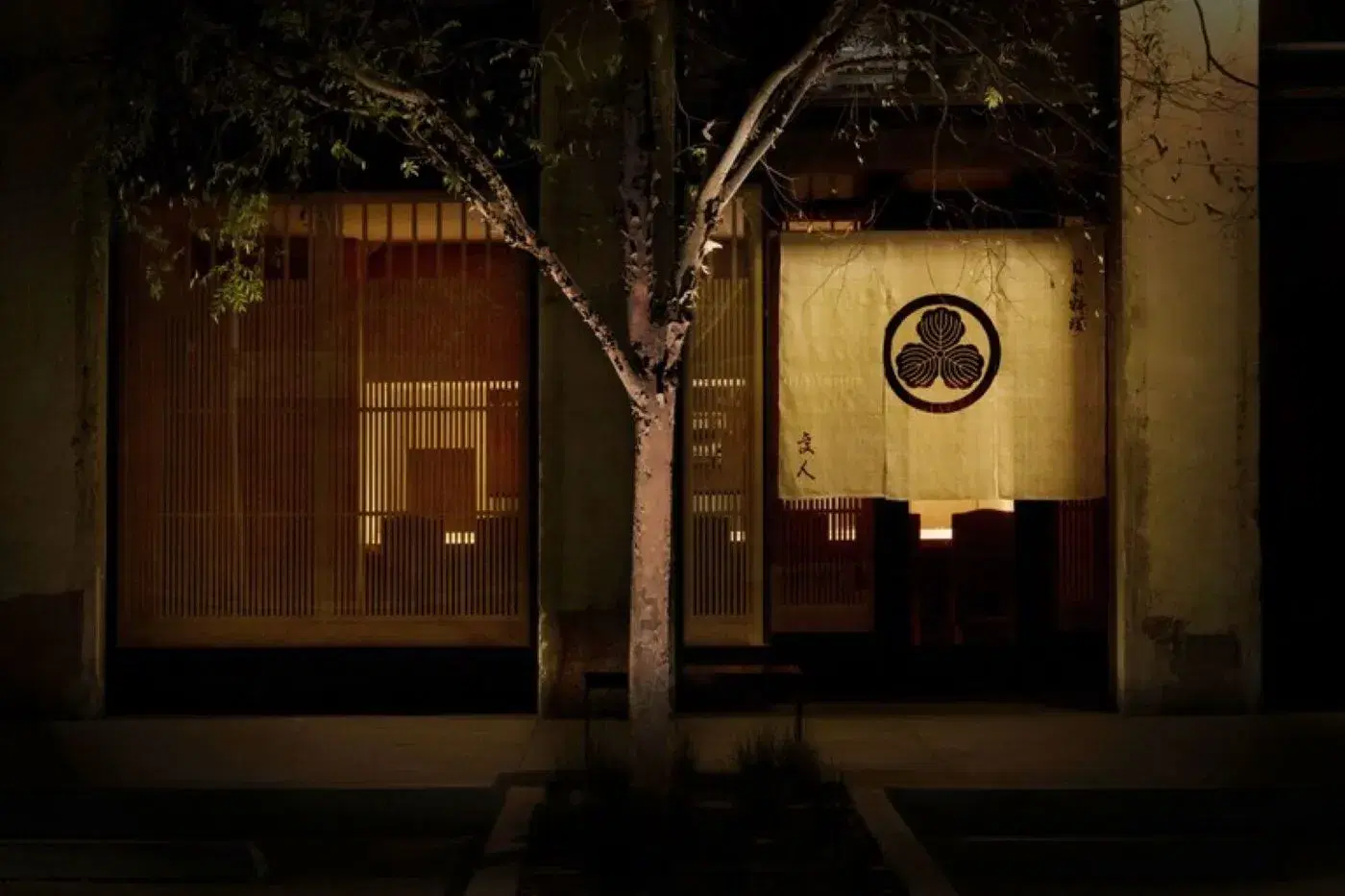
Hotels in Los Angeles
Browse all →
Wineries in Los Angeles
Browse all →
At a Glance
- Casual
- Lively
- Classic
- Casual Hangout
- Standalone
- Counter Only
- Seated Bar
- Sake
Current opening hours
- Monday
- 12–2 PM, 5–9:30 PM
- Tuesday
- 12–2 PM, 5–9:30 PM
- Wednesday
- 12–2 PM, 5–9:30 PM
- Thursday
- 12–2 PM, 5–9:30 PM
- Friday
- 12–2 PM, 5–9:30 PM
- Saturday
- 12–2 PM, 5–9:30 PM
- Sunday
- Closed
Hours can change for holidays and private events. Last verified .
Lively and casual atmosphere with friendly service at a tiny sushi bar counter.