Okayama Sushi #1
Okayama Sushi #1 is a casual, seated bar in San Jose with a sake-focused drink program and conversational pacing.

Pearl is the En Primeur Club membership app, where members save venues, book tables and use the concierge.
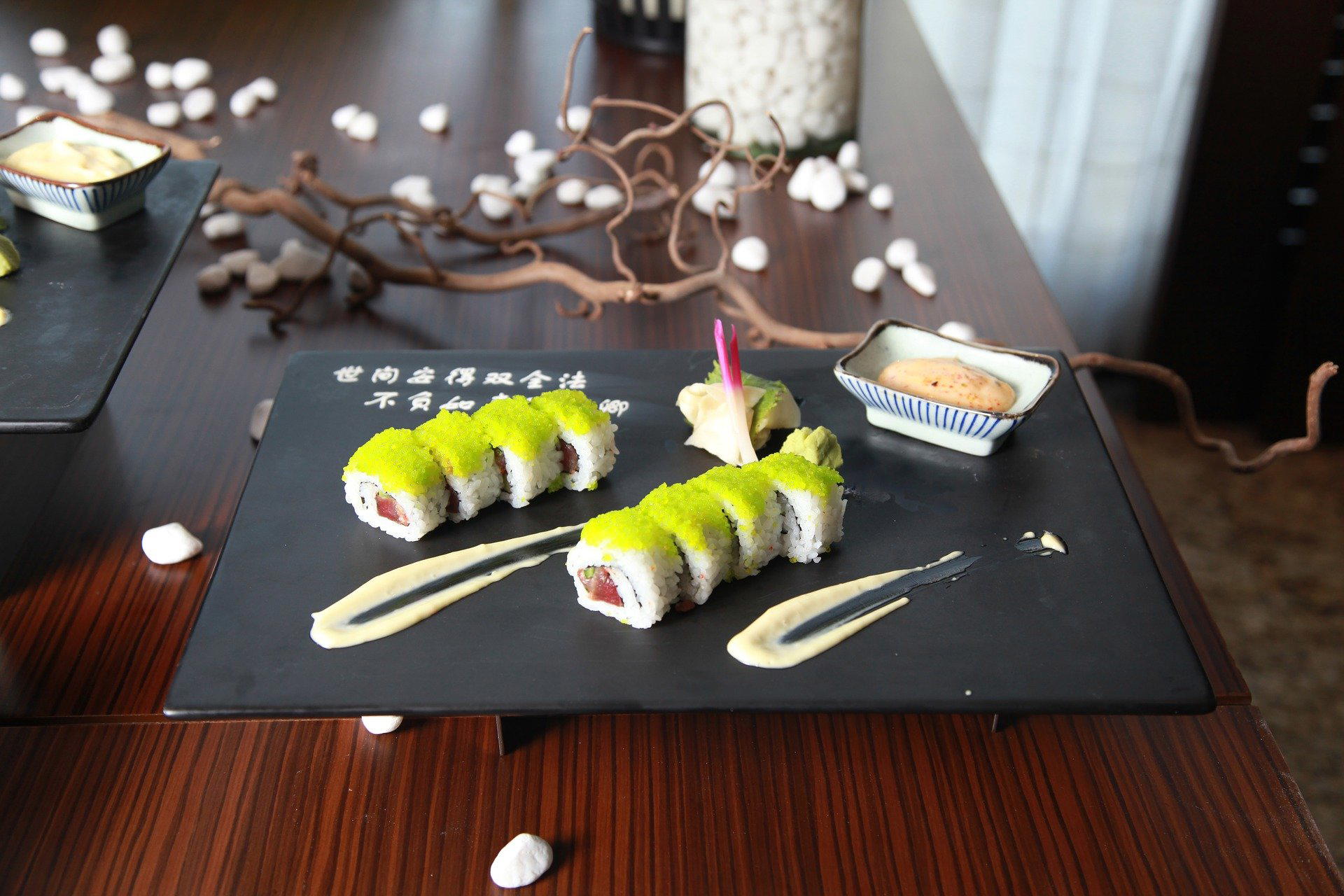
Sushi in San Jose's Northern Grid
The stretch of North 6th Street that runs through San Jose's northern grid sits at some remove from the downtown restaurant corridor, where newer openings tend to cluster. This part of the city runs quieter, with a more settled commercial character, and the sushi bars that operate here generally do so for a neighborhood audience rather than a destination-dining crowd. Okayama Sushi #1, at 565 N 6th Street, sits within that context: a spot defined less by spectacle than by proximity and consistency, the kind of address that earns regulars through repetition rather than press cycles.
San Jose's Japanese food scene is broader than it often gets credit for outside the Bay Area. The South Bay has supported Japanese restaurants since the mid-twentieth century, with communities in Japantown, a few blocks west of the N 6th Street corridor, anchoring a dining culture that predates the current wave of omakase counters and imported kaiseki formats. The sushi bars that sit outside the destination tier occupy a different position in how the city eats: they absorb the weeknight demand, the families, the solo diners who want nigiri without a reservation window or a prix-fixe commitment.
Reading the Menu Structure
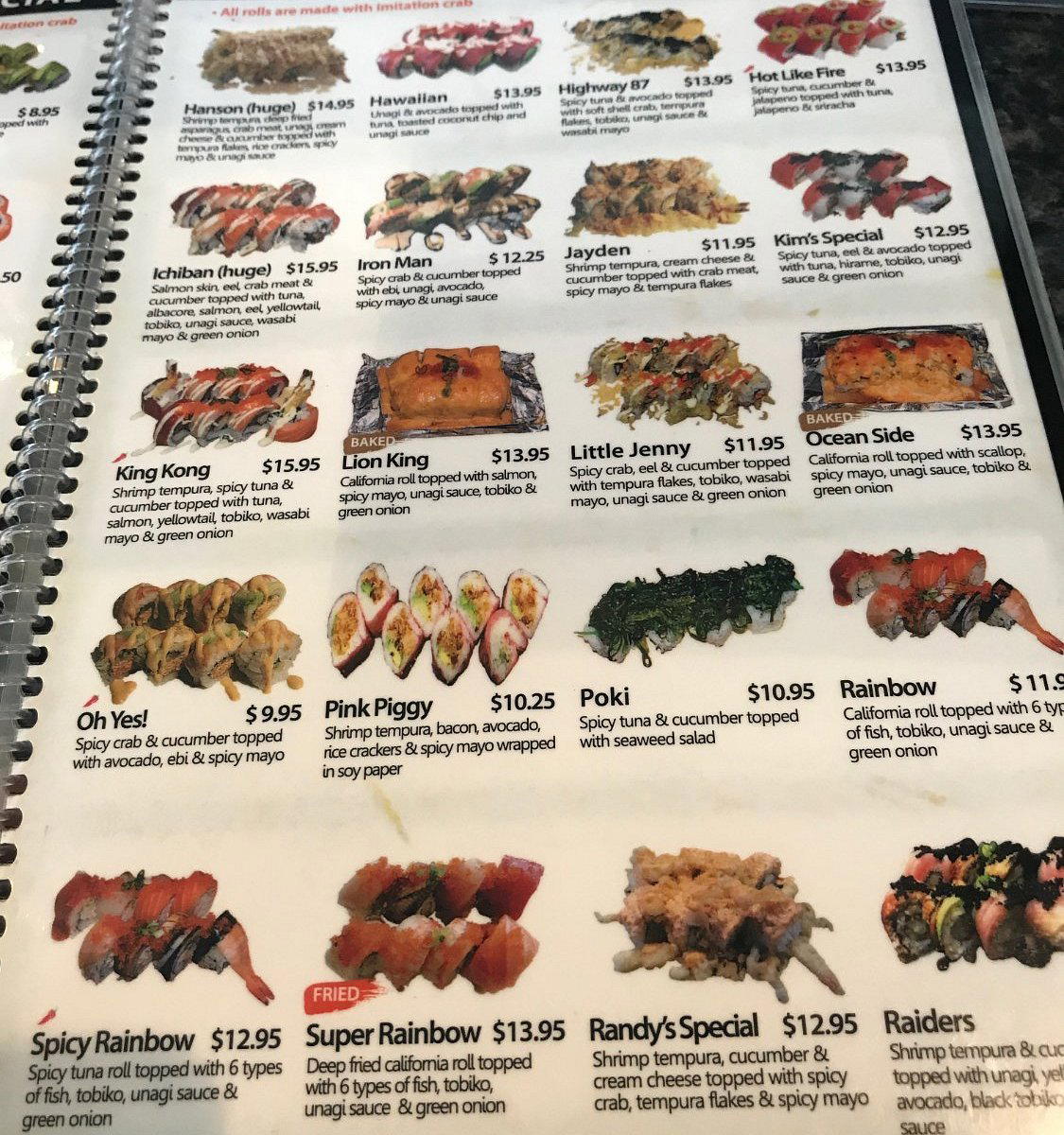
At neighborhood sushi bars operating in this tier across California, menu architecture tends to follow a recognizable logic. The format typically spans a la carte nigiri and maki alongside combination plates and cooked Japanese-American standards, teriyaki, tempura, gyoza, that extend the reach to diners who are not committed sushi eaters. This structure is a deliberate hedge: it keeps the kitchen operational across a wider band of orders and keeps tables turning across a mixed dining room.
What that menu structure reveals, when you look at it editorially, is a particular philosophy about access. The high-end omakase model asks the diner to surrender control and price tolerance to the chef's sequence. The combination-plate model at places like Okayama Sushi #1 returns that control to the diner, you order what you want, in the quantity you want, at a price point that doesn't require forward planning. The trade-off is a different kind of dining experience, one measured in convenience and familiarity rather than in the technical precision of a curated sequence.
For context, the San Jose sushi market at the neighborhood level is served by a range of operators. Cha Cha Sushi operates in the same general category, as does Fuji. Kazoo Japanese Sushi Boat Restaurant brings a conveyor-belt format that shifts the dining experience further toward novelty. Each of these addresses a slightly different version of the same demand: accessible Japanese food for diners not seeking the formality or cost of destination sushi.
Where This Fits in the Bay Area Sushi Spectrum
The Bay Area's sushi tier runs wide. At one end, San Francisco has a handful of omakase counters that price into the $200-and-above range per person and require booking weeks out. Further down the spectrum, the South Bay has sustained a denser concentration of neighborhood Japanese restaurants than most comparably sized American cities, a function of the area's Japanese-American population history and the ongoing demand from a tech workforce with significant Japanese expatriate representation.
Neighborhood sushi bars in this environment are not a lesser version of destination sushi; they are a different format serving a different function. The comparison is less useful than acknowledging that both tiers exist and that a city needs both. Okayama Sushi #1's address in the northern part of San Jose places it in a zone where it is likely the most convenient option for a significant residential catchment, which is its own kind of competitive advantage.
For readers comparing across the EP Club coverage area, the contrast is instructive. A program like Kumiko in Chicago operates at the intersection of Japanese technique and cocktail craft in a way that makes it destination-specific. The neighborhood sushi bar in San Jose is not competing with either of those; it is competing with cooking at home and the thirty-minute delivery radius, which shapes everything about how it operates.
The Dining Room and What to Expect
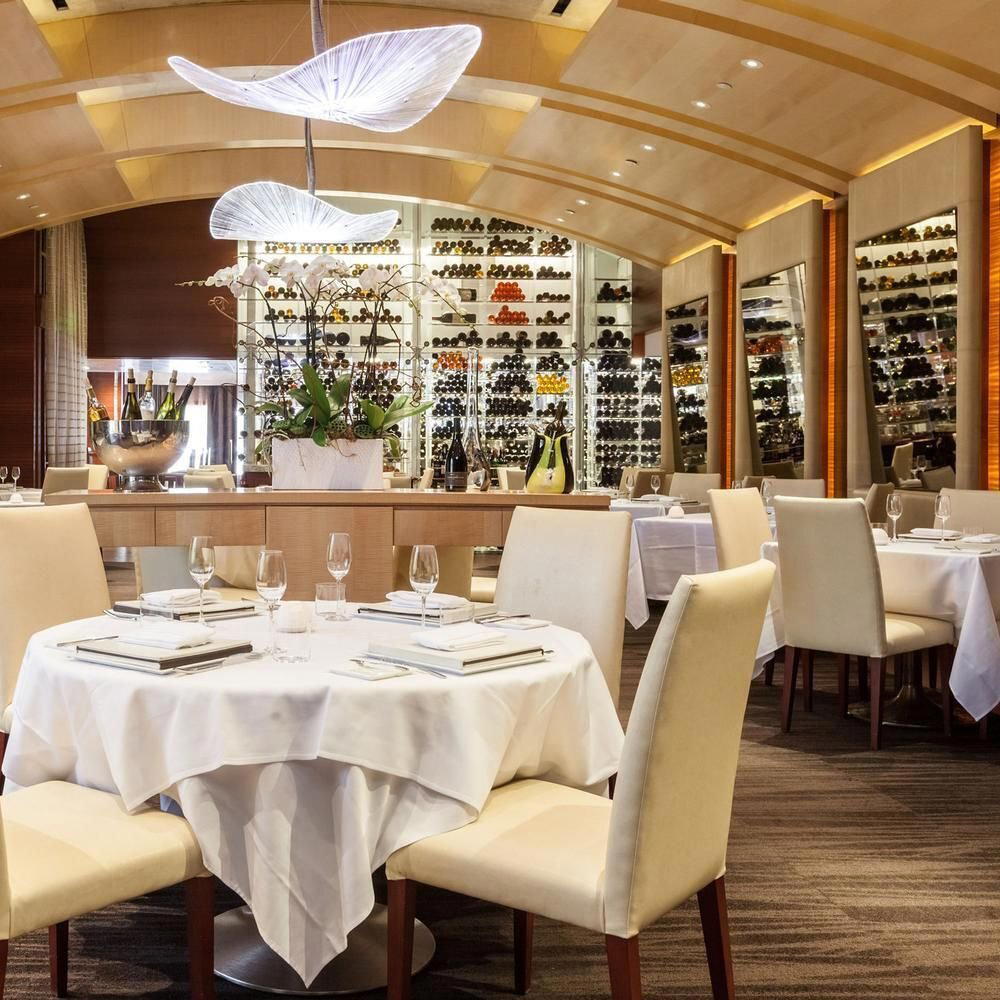
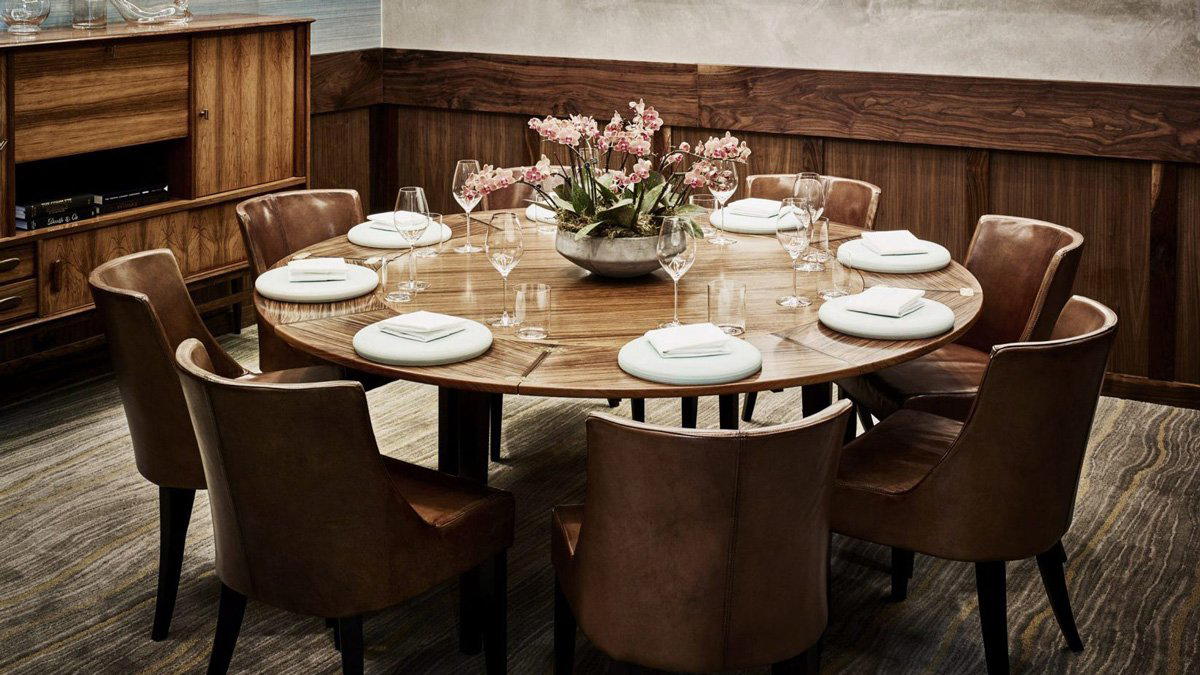
Sushi bars of this type in California typically run compact dining rooms, a small counter, a few tables, lighting calibrated for efficiency rather than atmosphere. The experience is transactional in the leading sense: the kitchen has a defined repertoire, the staff know what moves quickly, and the meal does not require narration. You sit, you order, the food arrives at a pace that reflects the kitchen's workflow rather than a choreographed sequence. This is a format that rewards knowing what you want.
Practical notes for visiting: the address at 565 N 6th Street places the restaurant in a commercial strip with on-street and lot parking typical of this part of San Jose. Checking directly before a weekend visit is advisable.
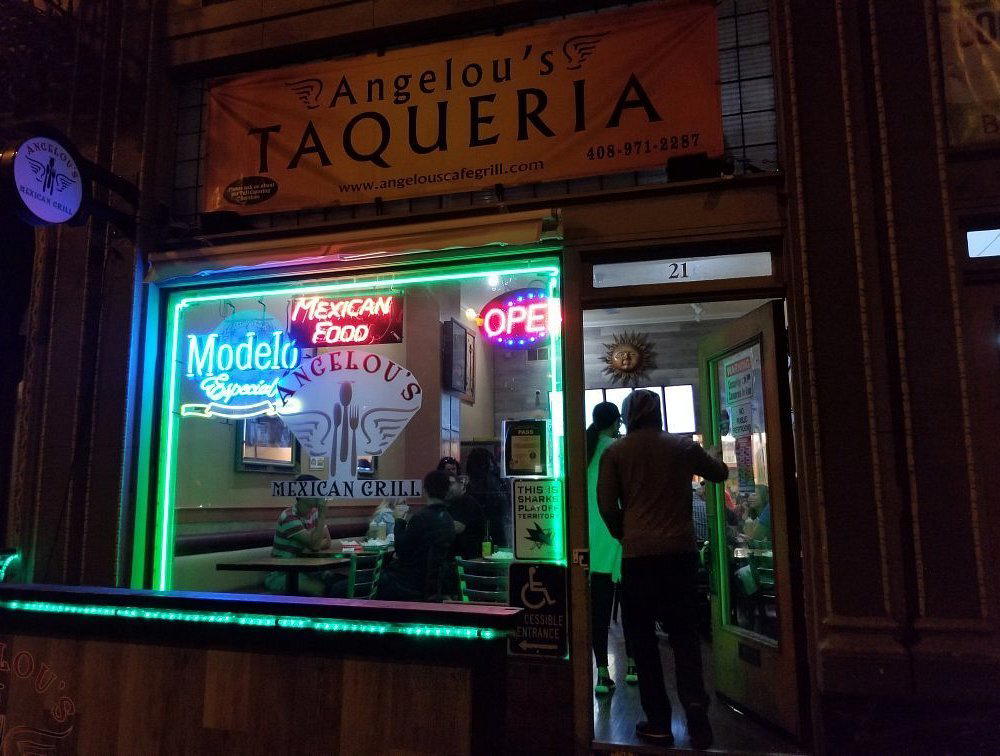
For a broader orientation to what San Jose's restaurant scene offers across price tiers and cuisines, see our full San Jose restaurants guide. For contrast elsewhere in the EP Club network, Angelou's Mexican Grill and Eos and Nyx represent different sides of San Jose's neighborhood dining range. Outside the city, ABV in San Francisco, Jewel of the South in New Orleans, Julep in Houston, Superbueno in New York City, and The Parlour in Frankfurt on the Main illustrate how neighborhood-anchored hospitality operates across very different city contexts.
Accolades, Compared
A compact comparison to help you place this venue among nearby peers.
| Venue | Price |
|---|---|
| Okayama Sushi #1This venue (the venue you are viewing) | Not listed |
| Angelou's Mexican Grill | $10–20 |
| Kazoo Japanese Sushi Boat Restaurant | $20–30 |
Continue exploring
More in San Jose
Bars in San Jose
All bars in San Jose →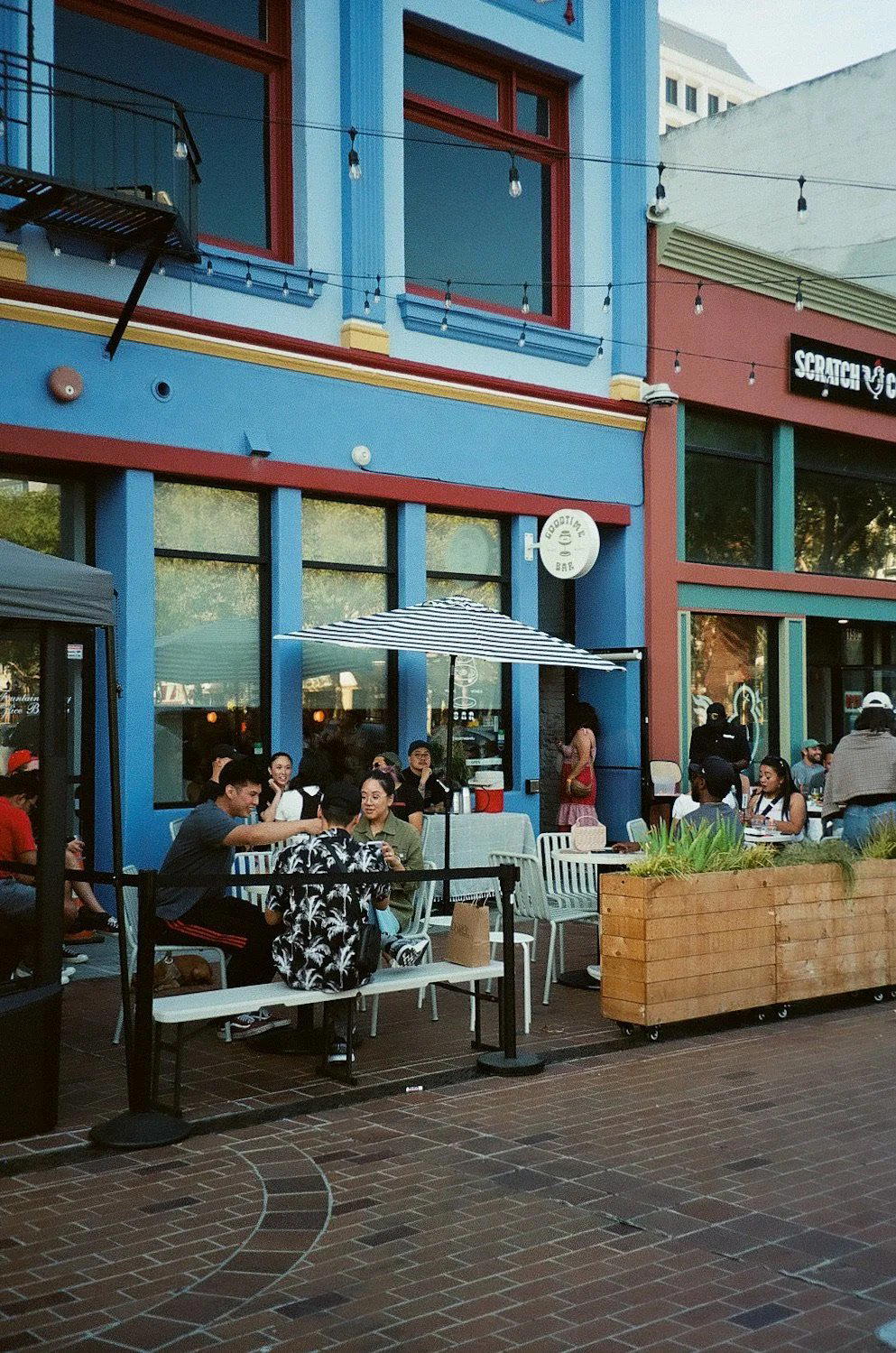
Restaurants in San Jose
All restaurants in San Jose →
Details
- Cozy
- Casual Hangout
- Group Outing
- Standalone
- Seated Bar
- Sake
Current opening hours
- Monday
- 10:30 AM–10 PM
- Tuesday
- 10:30 AM–10 PM
- Wednesday
- 10:30 AM–10 PM
- Thursday
- 10:30 AM–10 PM
- Friday
- 10:30 AM–10:30 PM
- Saturday
- 10:30 AM–10:30 PM
- Sunday
- 10:30 AM–9 PM
Hours can change for holidays and private events. Hours as of .
Cozy family-oriented environment with relaxed atmosphere.