Zeni
Zeni sits on Saratoga Avenue in San Jose's west side, where the city's Ethiopian and Eritrean dining corridor has quietly deepened over the past decade. The wine program at a well-run East African restaurant in this corridor tends to reward patience, and Zeni is the kind of address that earns its place in the conversation about where the Bay Area's independent dining scene holds its ground.

Pearl is the En Primeur Club membership app, where members save venues, book tables and use the concierge.
The West Side Corridor and What It Tells You About San Jose Dining
San Jose's restaurant identity has long been shaped by its immigrant communities rather than by hospitality investment cycles. The stretch of Saratoga Avenue where Zeni operates at 1320 is part of a west-side dining pattern that rewards visitors who look past the downtown core. In a city that regularly gets overshadowed by San Francisco's culinary press coverage, the neighborhoods closest to the Santa Clara border tend to carry the most consistent independent operators, partly because real estate economics allow for longer tenure and less pressure to perform to tourist volume.
East African dining in the South Bay occupies a specific cultural position: it is communal by design, built around shared platters and injera that functions simultaneously as plate, utensil, and bread. That format creates a dining rhythm very different from the individual-plate service that dominates most American restaurant categories. For a traveler accustomed to tasting-menu pacing or a la carte control, a well-run Ethiopian or Eritrean table recalibrates expectations in useful ways.
The Wine Angle: What to Expect from Independent Operators in This Category
The editorial question worth asking about any independent restaurant in this category is how seriously the beverage program is taken. East African cuisine presents an interesting wine-pairing challenge: the fermented tang of injera, the warmth of berbere, and the depth of slow-cooked wots create a flavor profile that doesn't map neatly onto the European wine traditions that dominate most restaurant lists.
Operators who approach this honestly tend to lean toward aromatic whites, lighter reds with moderate tannin, and occasionally orange wines whose skin-contact texture holds up against the acidity and spice of the food. The better independent houses in the Bay Area's Ethiopian corridor have developed lists that reflect this logic, even if they don't signal it with somm credentials or printed tasting notes. Across the broader Bay Area independent scene, the contrast with heavily programs like ABV in San Francisco is instructive: ABV built its reputation on explicit beverage-first curation, while places like Zeni occupy a different but legitimate tier where the food drives the room and the wine plays a supporting, well-considered role.
For context on how beverage programs function differently across formats, it's worth noting that cocktail-forward venues in other American cities, from Kumiko in Chicago to Jewel of the South in New Orleans to Bar Leather Apron in Honolulu, have built their identity around the drink rather than the plate. The logic at a place like Zeni runs in the opposite direction. The injera and the wot are non-negotiable anchors; the wine list, however it is composed, serves those anchors rather than competing with them.
Within San Jose's independent dining scene, Zeni occupies a category that has relatively few direct competitors at the same address type and tenure. The city's bar and restaurant scene includes venues like Angelou's Mexican Grill and Cha Cha Sushi, which serve different cuisine traditions but share the west-side independent operator profile.
San Jose's independent operators generally aren't competing for Michelin plates or James Beard nominations. They're competing for regulars, for community trust, and for the kind of sustained local reputation that keeps a dining room full on a Tuesday. That dynamic produces restaurants with a different kind of reliability than you find in cities where press attention drives bookings.
The comparison set extends geographically as well. Cities like Houston and New York have developed specific corridors for independent operators serving underrepresented cuisines. Julep in Houston and Superbueno in New York City both operate in scenes where independent operators with strong culinary identities hold their own against much larger, better-funded competitors. The underlying logic at Zeni is similar: a specific cuisine done with conviction in a neighborhood that supports it. The Parlour in Frankfurt offers a useful international reference point for how specialist operators in non-dominant formats build durable local reputations without requiring destination-dining infrastructure.
What the Format Demands of a Visitor
Communal dining formats work leading when the table is committed to sharing, which means solo diners and couples ordering minimally will see less of what makes the format work. Larger groups, ideally four or more, can cover the range of a menu properly and experience the intended pacing. Injera-based meals also tend to be more filling than they appear on paper; the bread expands, the stews are calorie-dense, and the tendency to over-order is real.
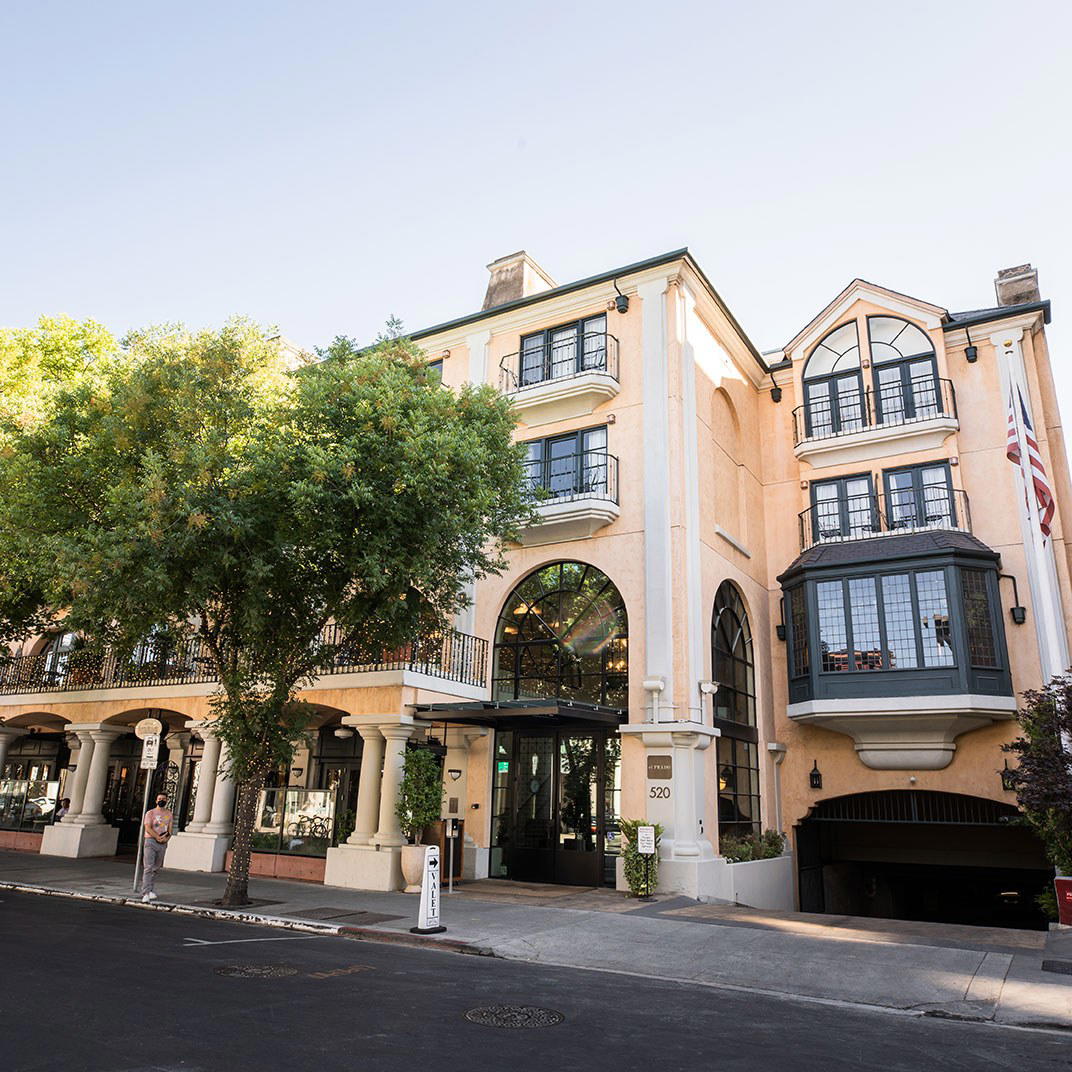
The physical setup at 1320 Saratoga Ave is consistent with the west-side independent profile: accessible by car, with the kind of parking availability that the downtown core rarely offers. That logistical reality is part of the west-side dining value proposition. For visitors staying in the downtown corridor or near San Jose International Airport, Saratoga Avenue represents a short drive with meaningfully different dining character from the options immediately surrounding the convention center district.
Planning a Visit
Weekend evenings at well-regarded independent operators in the Bay Area's ethnic dining corridors fill faster than comparable weeknight slots. Arriving early in a service period is generally the lower-friction option at venues without an online reservation system. For a fuller picture of where Zeni sits within the city's dining options, the EP Club San Jose restaurants guide maps the broader scene across neighborhoods and cuisine categories.
Comparable Spots, Quickly
Comparable options at a glance, pulled from our tracked venues.
| Venue | Price |
|---|---|
| ZeniThis venue (the venue you are viewing) | $20–30 |
| Angelou's Mexican Grill | $10–20 |
| Kazoo Japanese Sushi Boat Restaurant | $20–30 |
Continue exploring
More in San Jose
Bars in San Jose
All bars in San Jose →
Restaurants in San Jose
All restaurants in San Jose →
Zeni
The drinks
- Zero-proof drinks
- Craft beer
Signature drinks: Tej (Ethiopian honey wine), Ethiopian Spiced Tea.
Details
- Cozy
- Bohemian
- Intimate
- Classic
- Group Outing
- Casual Hangout
- Celebration
- Date Night
- Live Music
- Standalone
- Historic Building
- Communal Tables
- Seated Bar
- Lounge Seating
- Conventional Wine
- Craft Beer
- Zero Proof
Current opening hours
- Monday
- Closed
- Tuesday
- 12–8:30 PM
- Wednesday
- 12–8:30 PM
- Thursday
- 12–8:30 PM
- Friday
- 12–8:30 PM
- Saturday
- 12–8:30 PM
- Sunday
- 12–8:30 PM
Hours can change for holidays and private events. Hours as of .
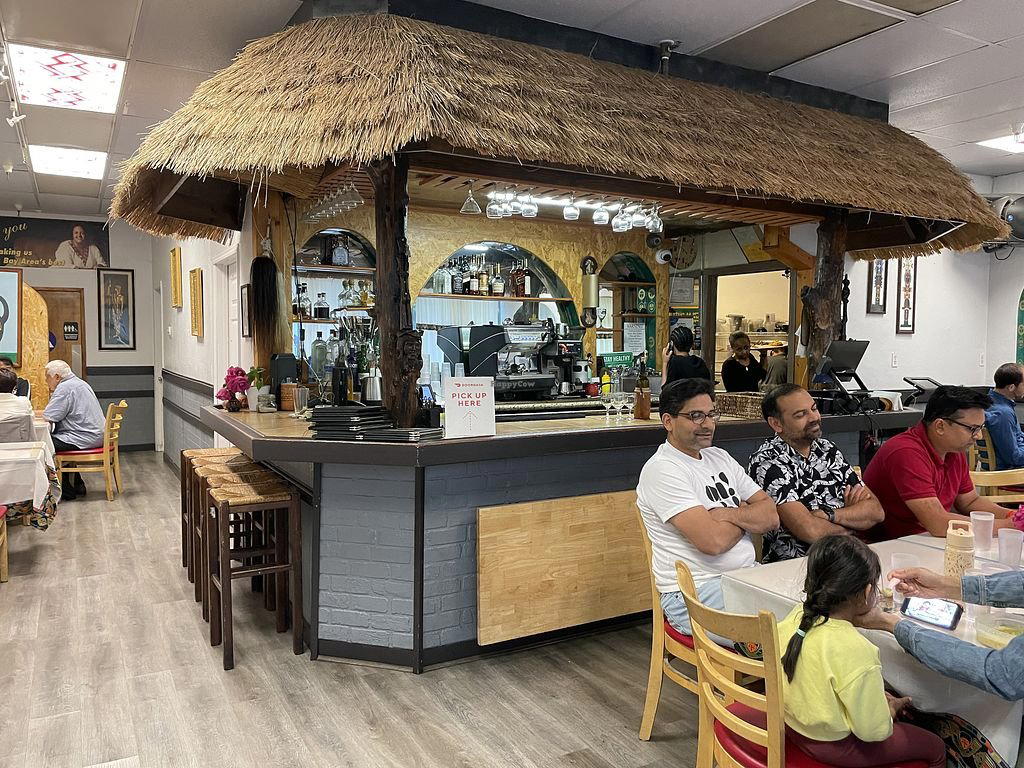
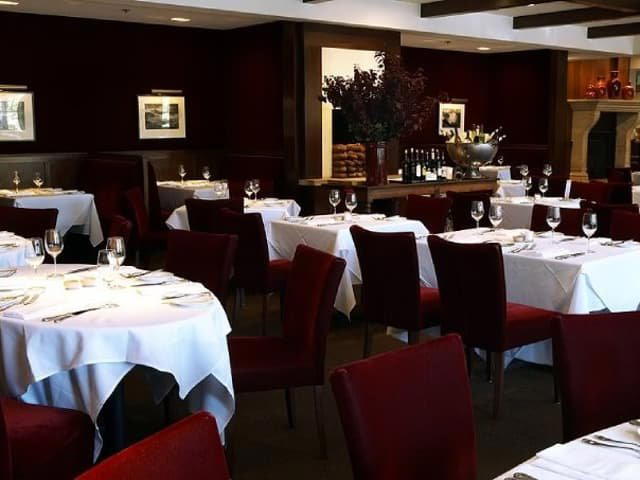
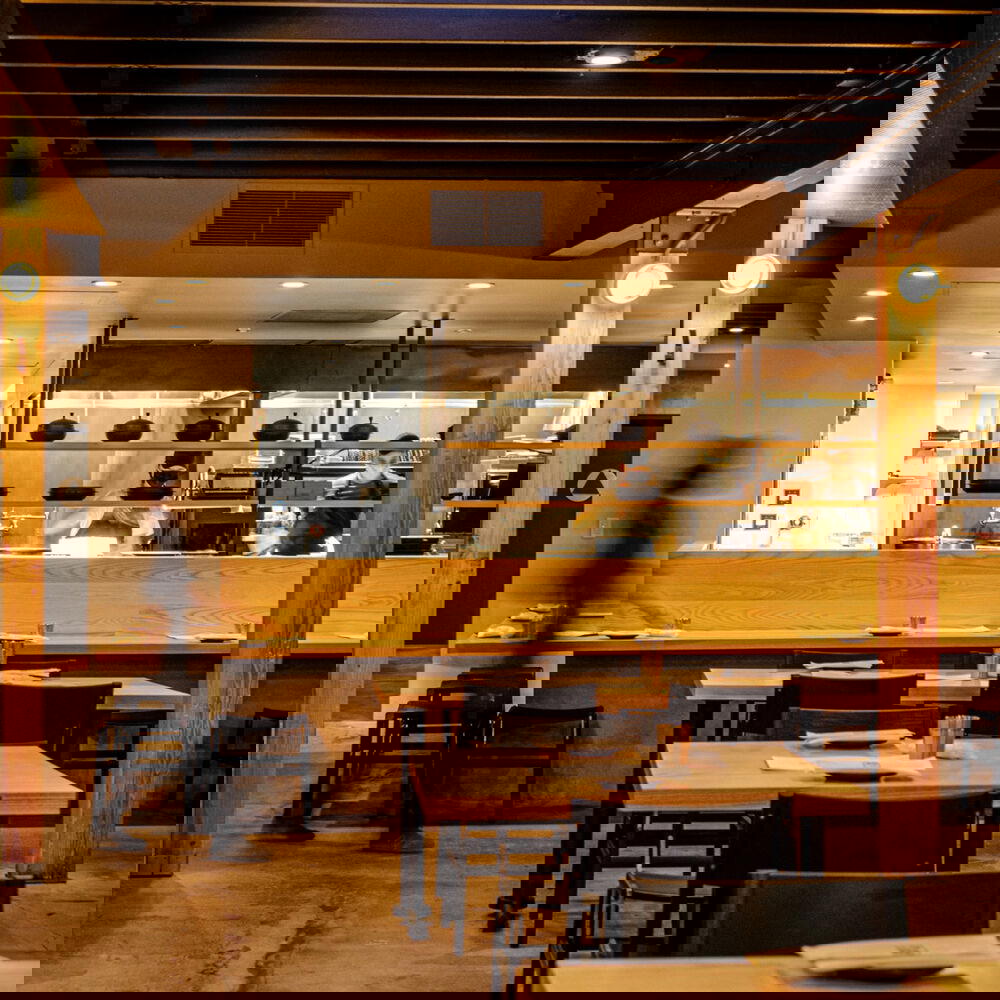
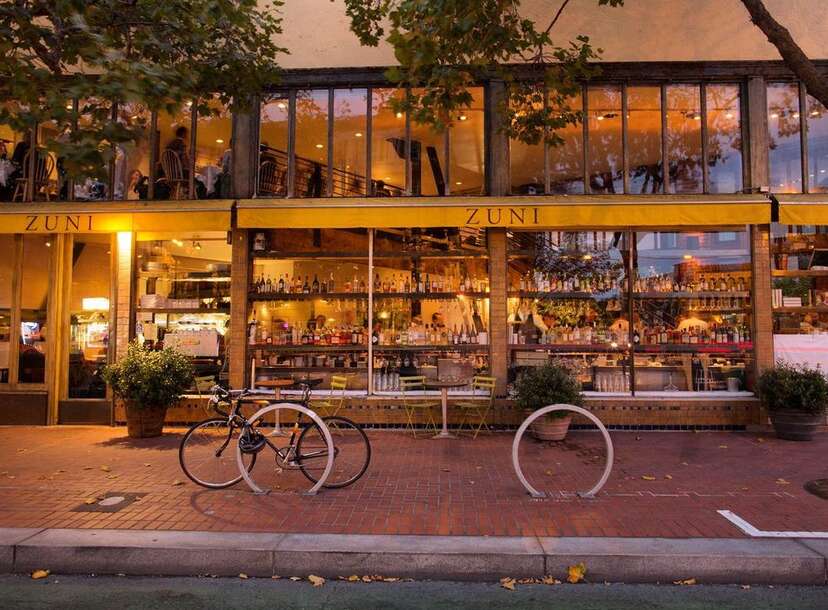
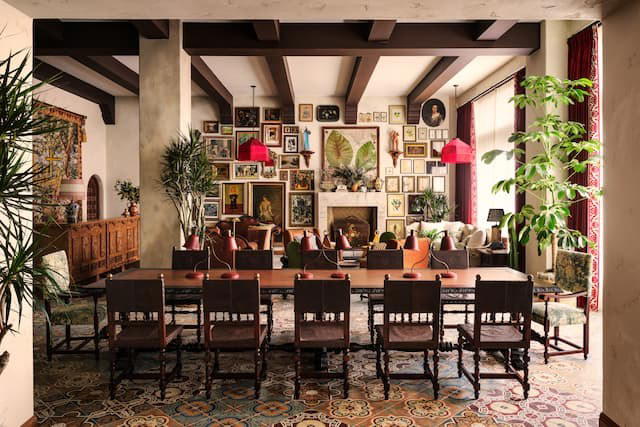
Warm and welcoming with Ethiopian art on walls, thatched straw mesobs and stools in one room, palm-thatched bar at front, soft lighting creating intimate gathering space.