Ocotillo
On Danforth Street in Portland's West End, Ocotillo takes the city's appetite for ingredient-led, consciously sourced cooking and frames it through a Southwestern lens. The address sits within a neighbourhood that rewards deliberate dining choices, and the kitchen's approach connects to Portland's broader shift toward programs where provenance and waste reduction are built into the menu, not bolted on as afterthoughts.
Pearl is the En Primeur Club membership app — saves, bookings, and concierge access live there. Same editors, same standards.
- Address
- 211 Danforth St, Portland, ME 04102
- Phone
- +1 207 203 4611
- Website
- ocotillo.me
- Directions
- Get directions
 Saves & bookings on Pearl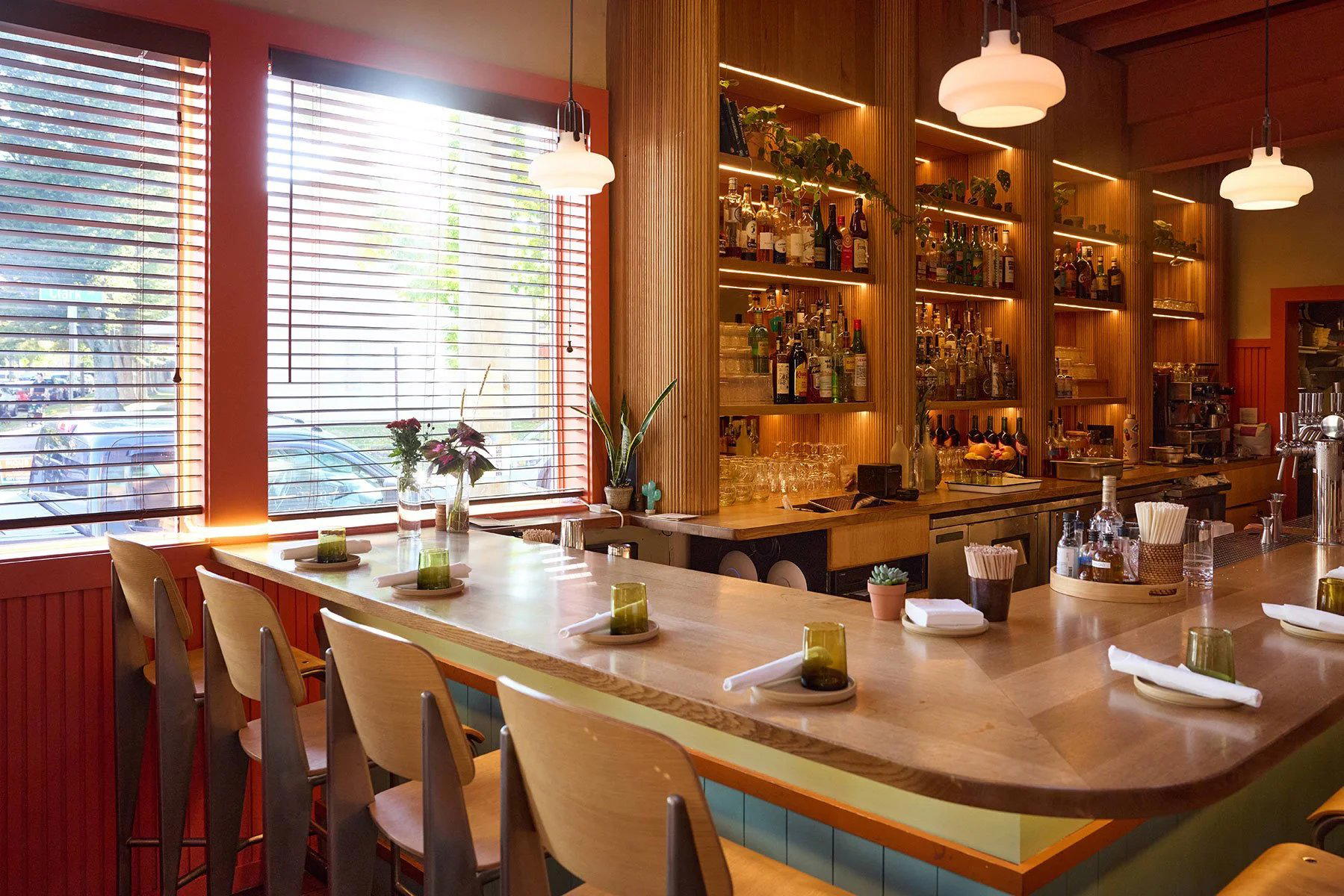
Danforth Street and the Ethics of the Plate
Portland, Maine has spent the better part of a decade building a dining identity around the question of where food comes from. That conversation started, as it does in most coastal New England cities, with fish: the docks are close, the fishing families are known by name, and proximity made traceability easy. What happened next was more interesting. The same sourcing rigour migrated inland, into kitchens that cook with grain, desert herbs, and fire-forward techniques that have little to do with the Atlantic. Ocotillo, at 211 Danforth St in the West End, sits at that intersection: a Southwestern-inflected kitchen operating inside a city whose dining culture now expects ethical sourcing as a baseline rather than a selling point.
The West End is quieter than the Old Port's more trafficked restaurant corridor, and that matters. Neighbourhoods shape the kind of cooking that survives in them. The Old Port rewards volume and visibility; Danforth Street rewards the kind of place that depends on repeat custom from residents who walk rather than drive. Ocotillo's address places it in a residential zone where the audience is less tourist-dependent and more invested in what the kitchen stands for week after week, season after season.
Sourcing as Structure, Not Statement
The sustainability conversation in American dining has fractured into two distinct camps. In the first, provenance language fills the menu like a press release: farm names, coordinates, heritage breed certifications stacked like credentials. In the second, the sourcing decisions are structural, meaning they determine what gets cooked rather than how it gets described. Ocotillo operates in that second mode. The Southwestern framework, with its reliance on drought-adapted ingredients, preserved foods, and fire as a primary cooking tool, is by nature a low-waste tradition. Chiles dry rather than spoil. Beans and grains store. Mezcal production, with its centuries-old relationship to the agave plant's full cycle, models a resource relationship that industrial spirits cannot replicate.
Programmes like those at Julep in Houston or Superbueno in New York City have demonstrated that a culinary tradition rooted in Latin American and Southwestern heritage carries its own sustainability logic, one that predates the current industry conversation by generations. Portland's version of that argument is quieter but consistent with the city's broader commitment to programs that can articulate their sourcing decisions clearly.
The Drinks Program and Its Place in Portland's Bar Scene
Portland's cocktail culture has matured past novelty. The city now has enough serious bars that the question is no longer whether a programme is competent, but what tradition or technique it works within. Teardrop Lounge established a precision-driven, classics-rooted standard. 10 Barrel Brewing Portland anchors the beer-led end of the spectrum. Smaller addresses like 3808 N Williams Ave and 7316 N Lombard St fill neighbourhood-specific niches. Ocotillo enters that ecosystem with a drinks identity that draws from agave spirits, a category that has grown faster than any other premium spirit segment over the past five years and that carries the kind of regional and ecological specificity that Portland drinkers have been trained to ask about.
Programmes built around tequila and mezcal require a different kind of literacy from the bartender. The terroir argument for agave is legitimate in a way that few spirits can claim: the same species grown at different altitudes and processed by different producers yields flavours that diverge significantly. That depth of variation gives a well-constructed agave programme the kind of intellectual texture that beer and whiskey programmes have long traded on. Nationally, bars like Kumiko in Chicago and Bar Leather Apron in Honolulu have shown how a tightly defined spirits focus, executed with serious selection criteria, translates into a durable reputation. ABV in San Francisco and Jewel of the South in New Orleans demonstrate how that commitment to a specific tradition sustains a programme across changing trends. The Parlour in Frankfurt provides an international comparison point: a focused, high-knowledge programme earns credibility precisely because it resists breadth for its own sake.
Seasonality and the Desert Calendar
One of the structural advantages of Southwestern cooking in a northern climate is that it imports a different seasonal logic. New England's growing season is compressed; the months between October and April present real constraints for kitchens committed to local produce. A programme with roots in desert and arid-land traditions can hold through those months more coherently than a kitchen that pivots awkwardly from summer abundance to winter limitation. Preserved chiles, dried beans, fermented sauces, and smoked proteins all belong to a culinary calendar that was designed for scarcity and heat rather than abundance and cold. In Portland's winter, that logic becomes an asset rather than a compromise.
Spring and early summer are worth timing a visit around in any case. The West End comes to life as temperatures rise, foot traffic increases on Danforth Street, and the kitchen can draw on New England produce while maintaining the Southwestern spine. The convergence of local spring ingredients with a framework built for heat and dryness tends to produce the most interesting menu work of the year at kitchens operating in this register.
What the Address Signals
211 Danforth St is not in a foot-traffic corridor. Getting there requires intent. That self-selection shapes the room: the audience at Ocotillo skews toward people who looked the address up before they came, which is a different dynamic from a restaurant that fills on walk-in traffic from a busy street. In Portland's dining culture, that distinction carries weight. The city has enough destination restaurants now that the decision to travel to a quieter neighbourhood for a meal is a conscious one, and kitchens in those positions tend to hold themselves to a higher standard of consistency because repeat visitors notice the gaps.
For a fuller map of Portland's current restaurant and bar positions, the EP Club Portland guide places Ocotillo alongside the city's other serious addresses and provides the competitive context that a single venue page cannot.
Know Before You Go
Know Before You Go
- Address: 211 Danforth St, Portland, ME 04102
- Neighbourhood: West End, Portland, Maine
- Phone: Not available — check the website or walk in
- Hours: Confirm directly before visiting; West End independents observe seasonal hours
- Booking: Reservation method not confirmed; direct contact recommended for groups
- Price range: Not confirmed; comparable West End independent restaurants run from mid-range to upper-mid
- Getting there: The West End is walkable from downtown Portland; street parking is available on Danforth and adjacent streets
- Leading season: Spring through early autumn for peak West End foot traffic; winter visits suit the kitchen's preserved-ingredient depth
Peers Worth Knowing
| Venue | Cuisine |
|---|---|
| OcotilloThis venue — the venue you are viewing | This venue |
At a Glance
- Lively
- Cozy
- Trendy
- Brunch
- Group Outing
- Casual Hangout
- Standalone
- Booth Seating
- Outdoor Terrace
- Craft Cocktails
- Mezcal
- Tequila
Current opening hours
- Monday
- 9 AM–9 PM
- Tuesday
- 9 AM–9 PM
- Wednesday
- 9 AM–9 PM
- Thursday
- 9 AM–9 PM
- Friday
- 9 AM–9 PM
- Saturday
- 8 AM–9 PM
- Sunday
- 8 AM–9 PM
Hours can change for holidays and private events. Last verified .
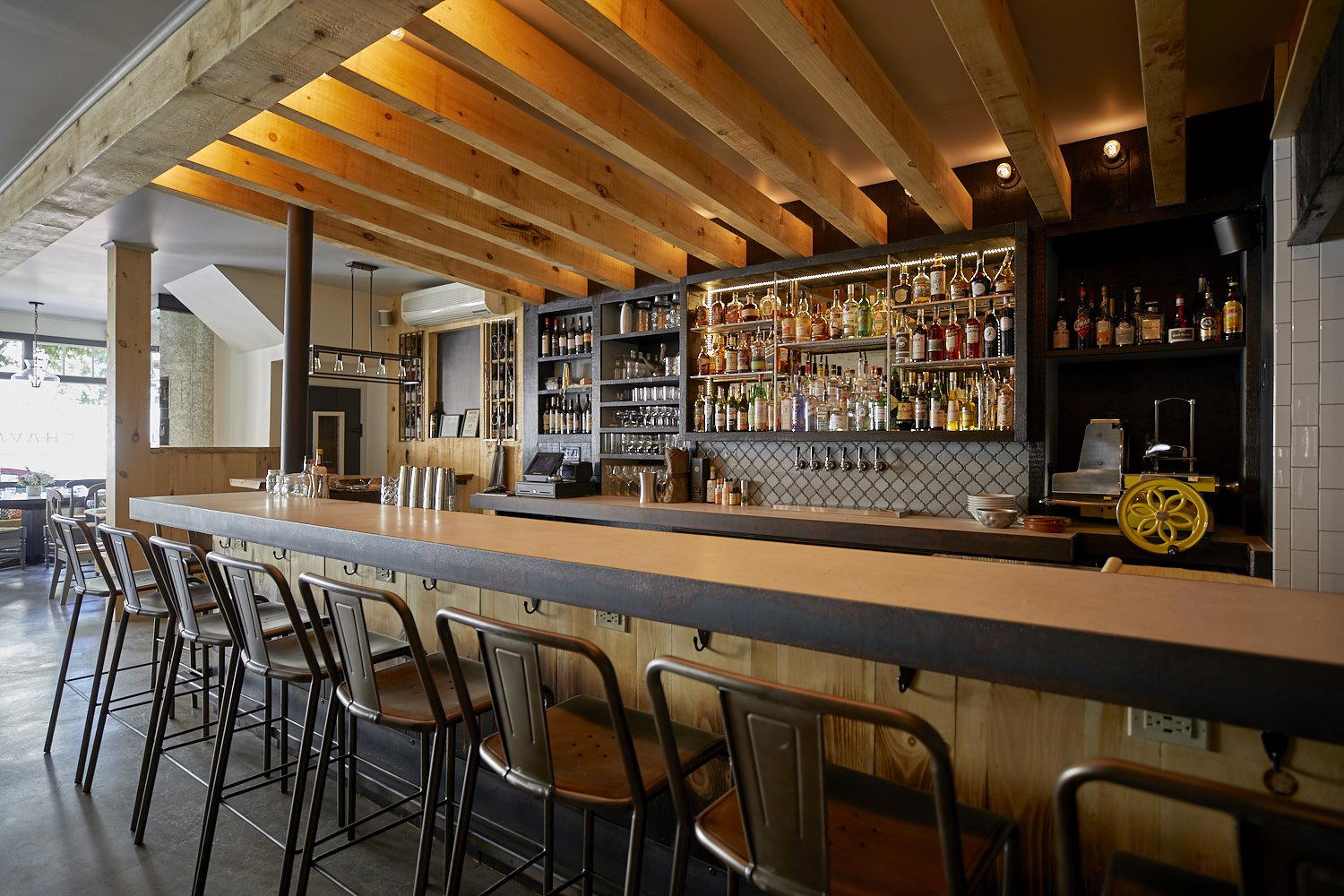
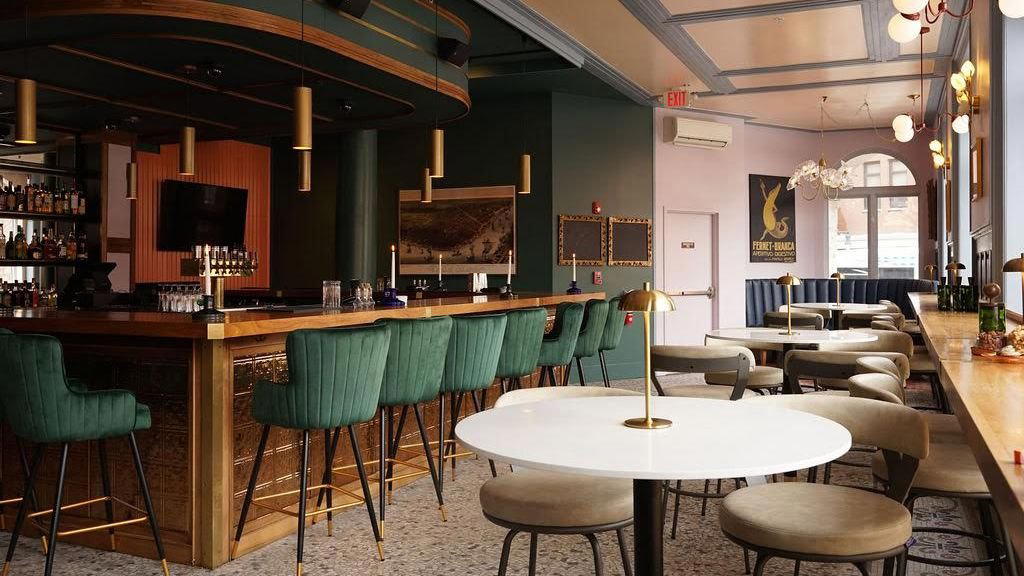
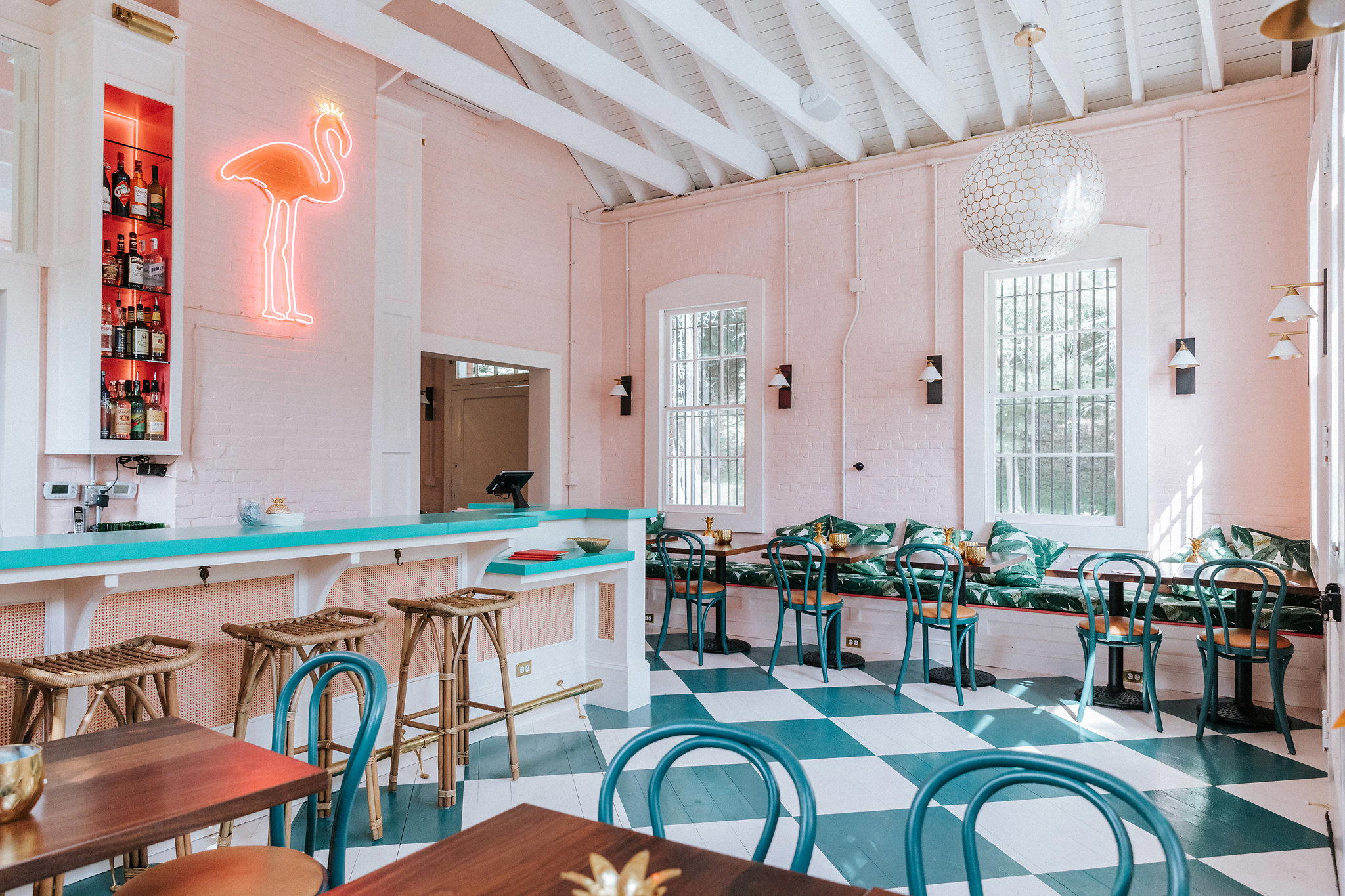
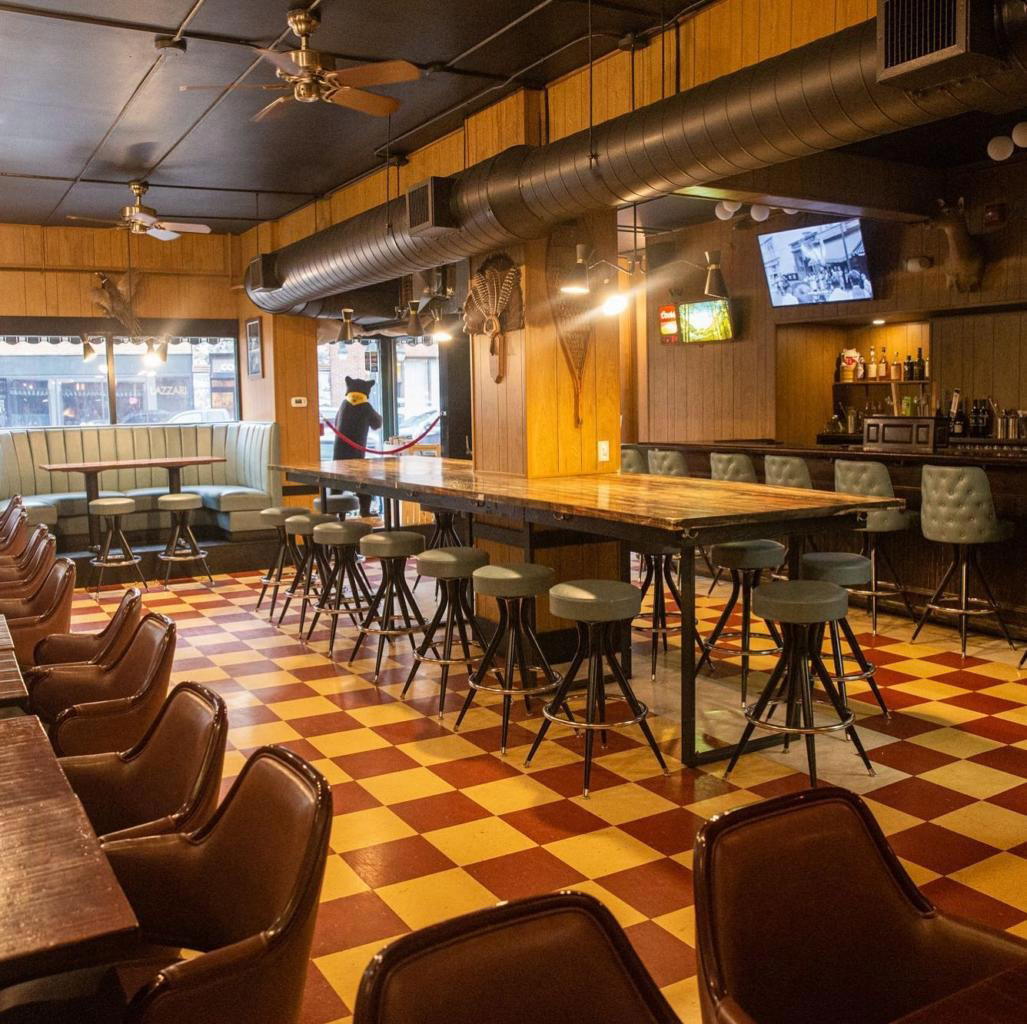
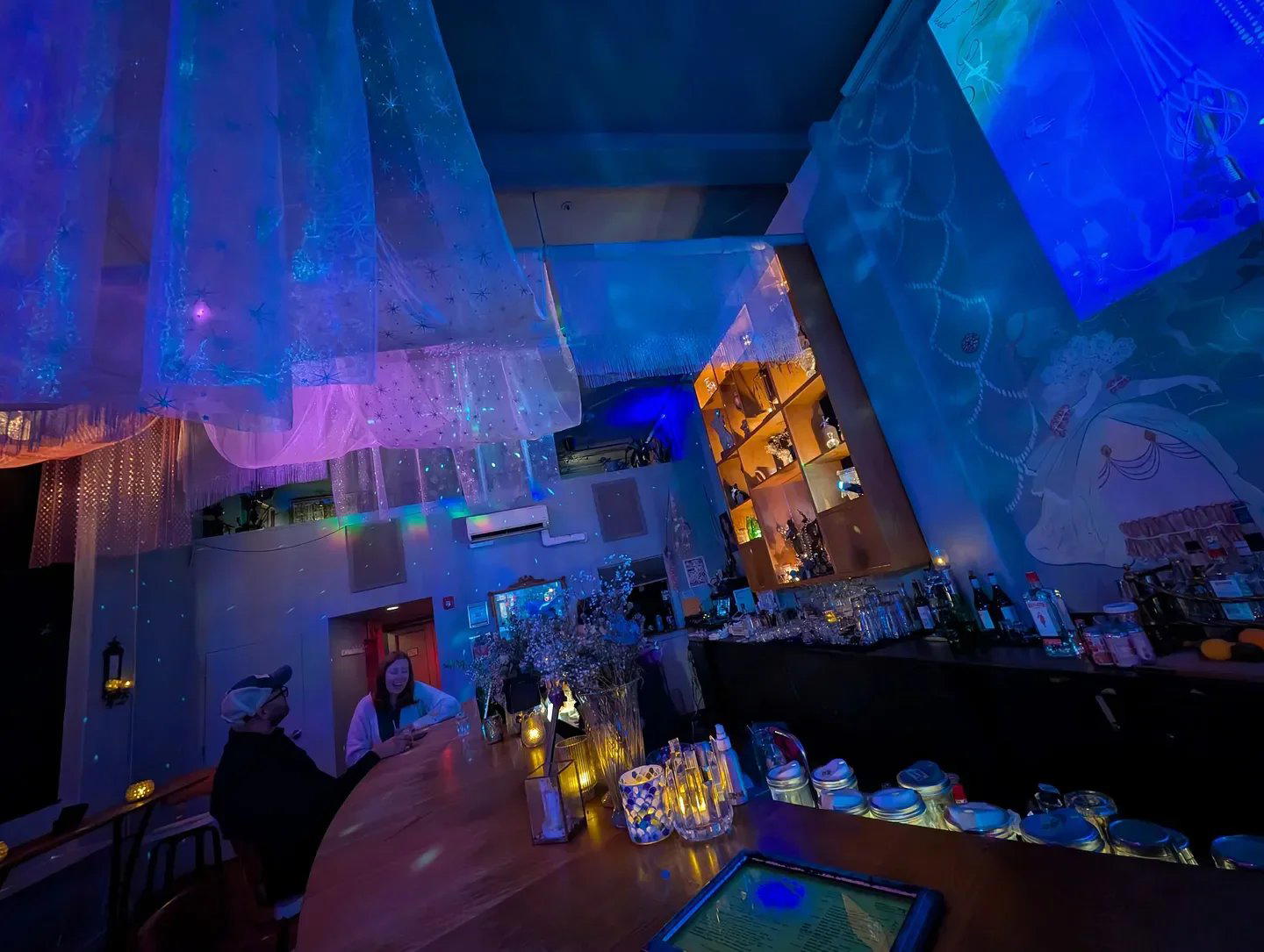
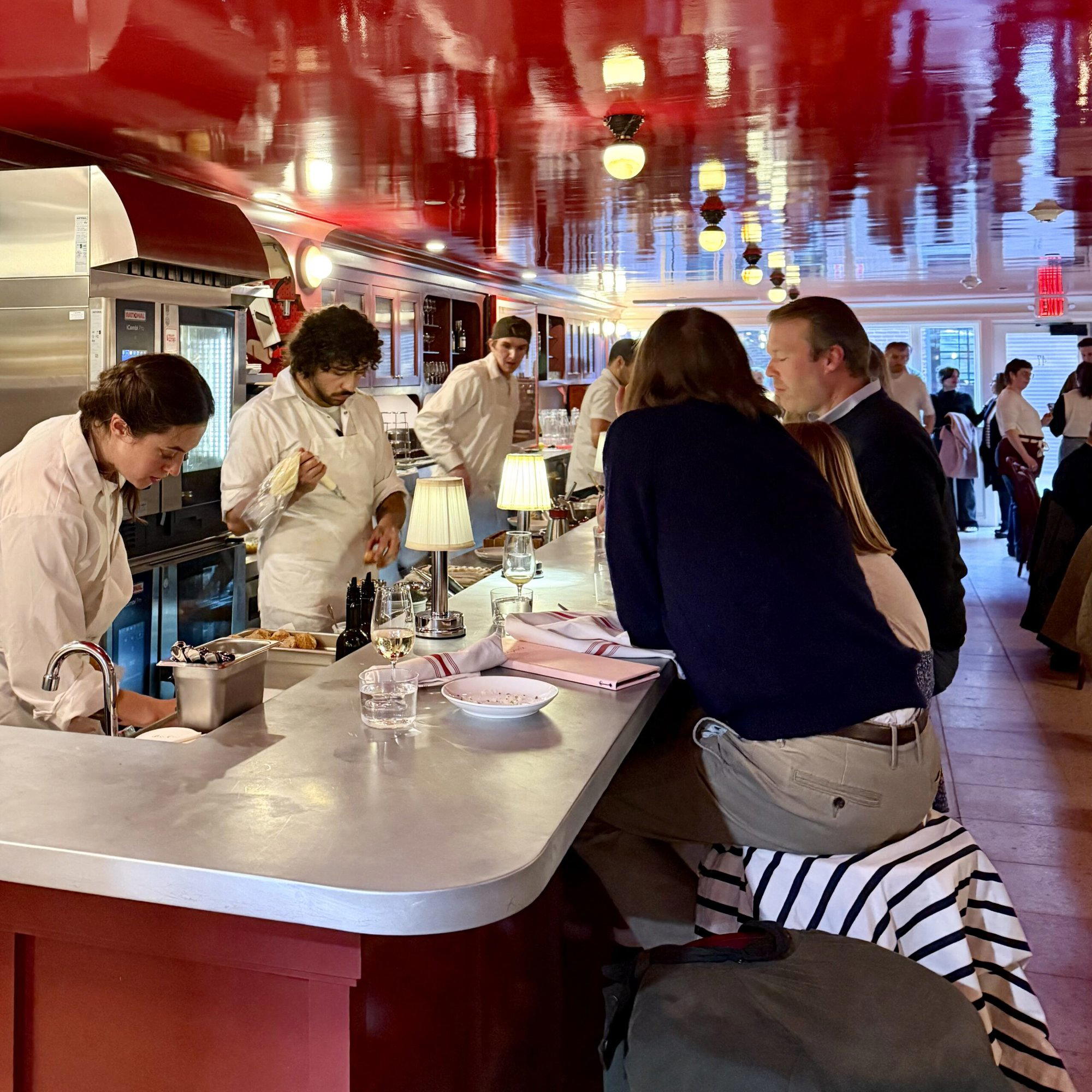
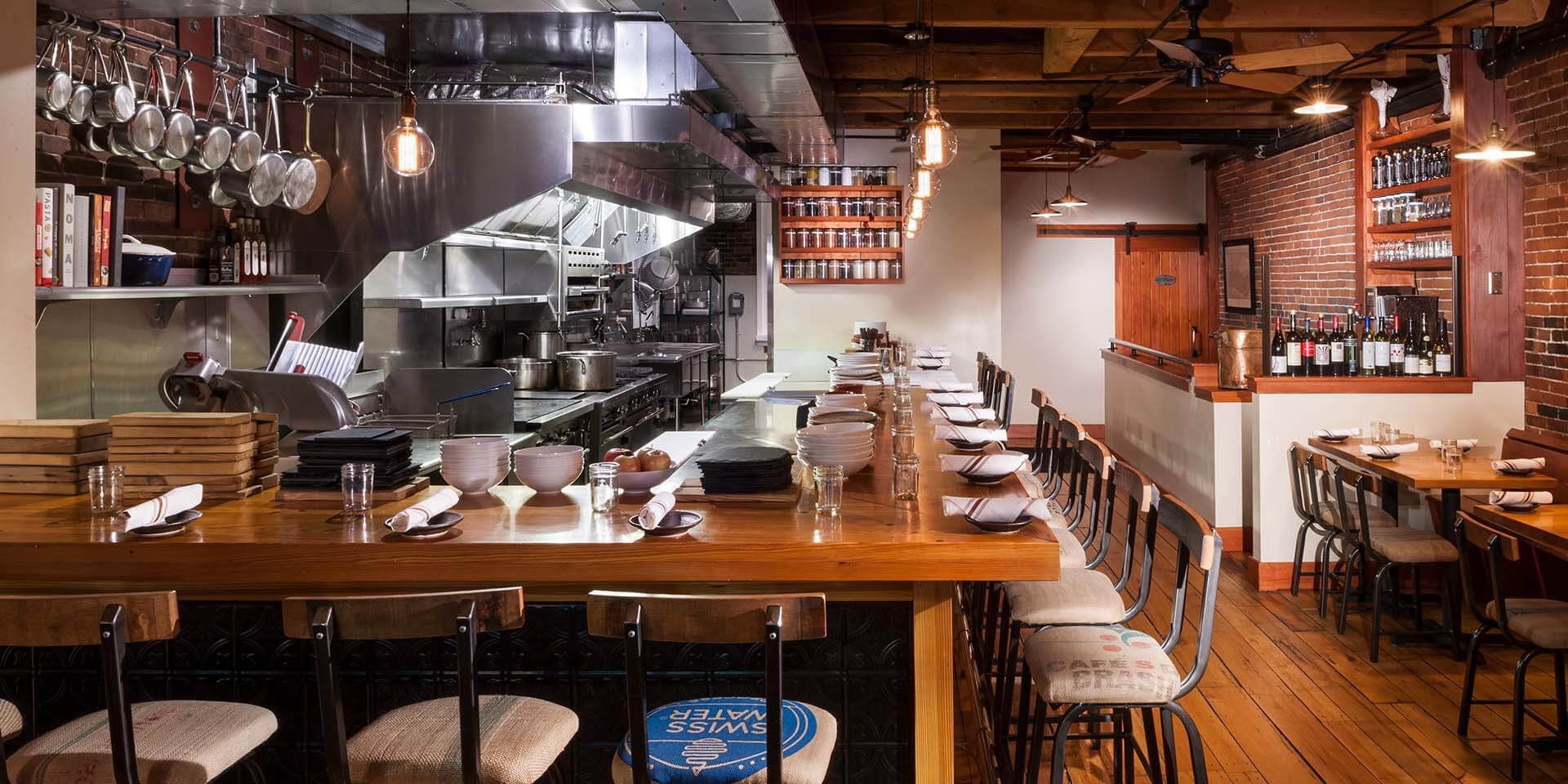
Bright colors, custom-built booths, and welcoming home-style hospitality create a lively yet cozy atmosphere.
Know Before You Go
- Getting there
- 211 Danforth St, Portland, ME 04102