Oak & Ivy
Oak & Ivy occupies a corner of the Fremont East Entertainment District at 707 E Fremont St, placing it squarely in the bar corridor that has defined Downtown Las Vegas's shift away from Strip spectacle. The room draws a crowd that returns for what a neighborhood whiskey bar does when it takes its format seriously: a focused spirits list, unhurried service, and the kind of atmosphere that rewards sitting still for a second round.

Pearl is the En Primeur Club membership app — saves, bookings, and concierge access live there. Same editors, same standards.
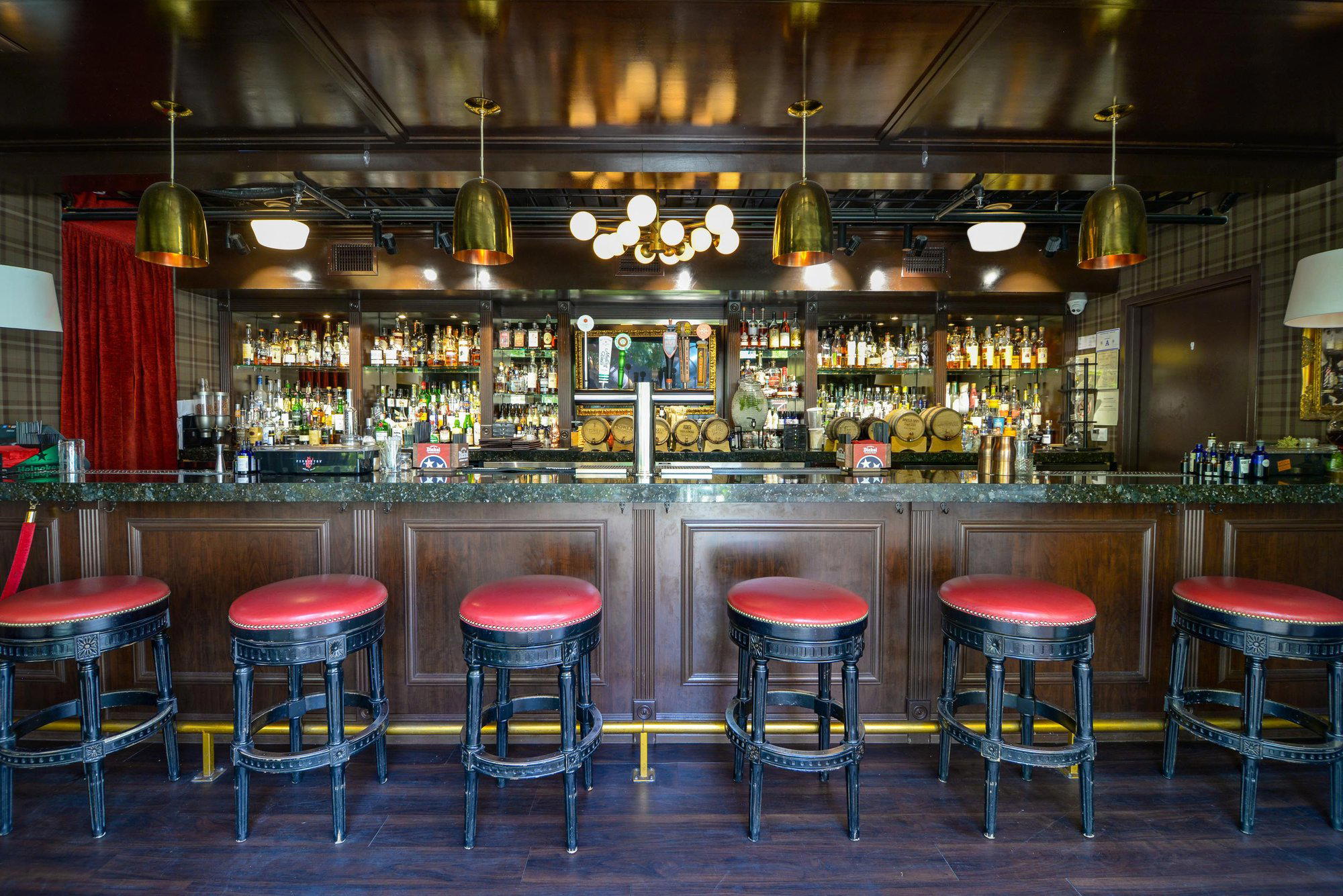
What Fremont East Built, and Where Oak & Ivy Sits Inside It
Downtown Las Vegas spent most of the 2010s developing a counternarrative to the Strip. Fremont East, the stretch of East Fremont Street east of Las Vegas Boulevard, became the corridor where that counternarrative took physical form: smaller rooms, locally operated concepts, and a drinking culture that measured itself by product depth rather than bottle-service revenue. Oak & Ivy arrived on that corridor at 707 E Fremont St and positioned itself within the whiskey-bar tier of that scene — a format that, in American cities from Chicago to Houston, has consolidated around focused spirits lists, wood-heavy interiors, and a clientele that returns because the bar remembers what they drink.
That format has a clear logic in a city where the dominant hospitality model runs on novelty and throughput. A bar that asks you to slow down, study a spirits menu, and sit with a pour runs against the grain of Las Vegas convention — which is precisely what makes it legible to a specific kind of regular. Across the broader craft-bar circuit, from Kumiko in Chicago to ABV in San Francisco, the bars that build genuine repeat clientele tend to share a common characteristic: they are easier to understand on the second visit than the first. Oak & Ivy operates in that tradition.
The Room and What It Communicates
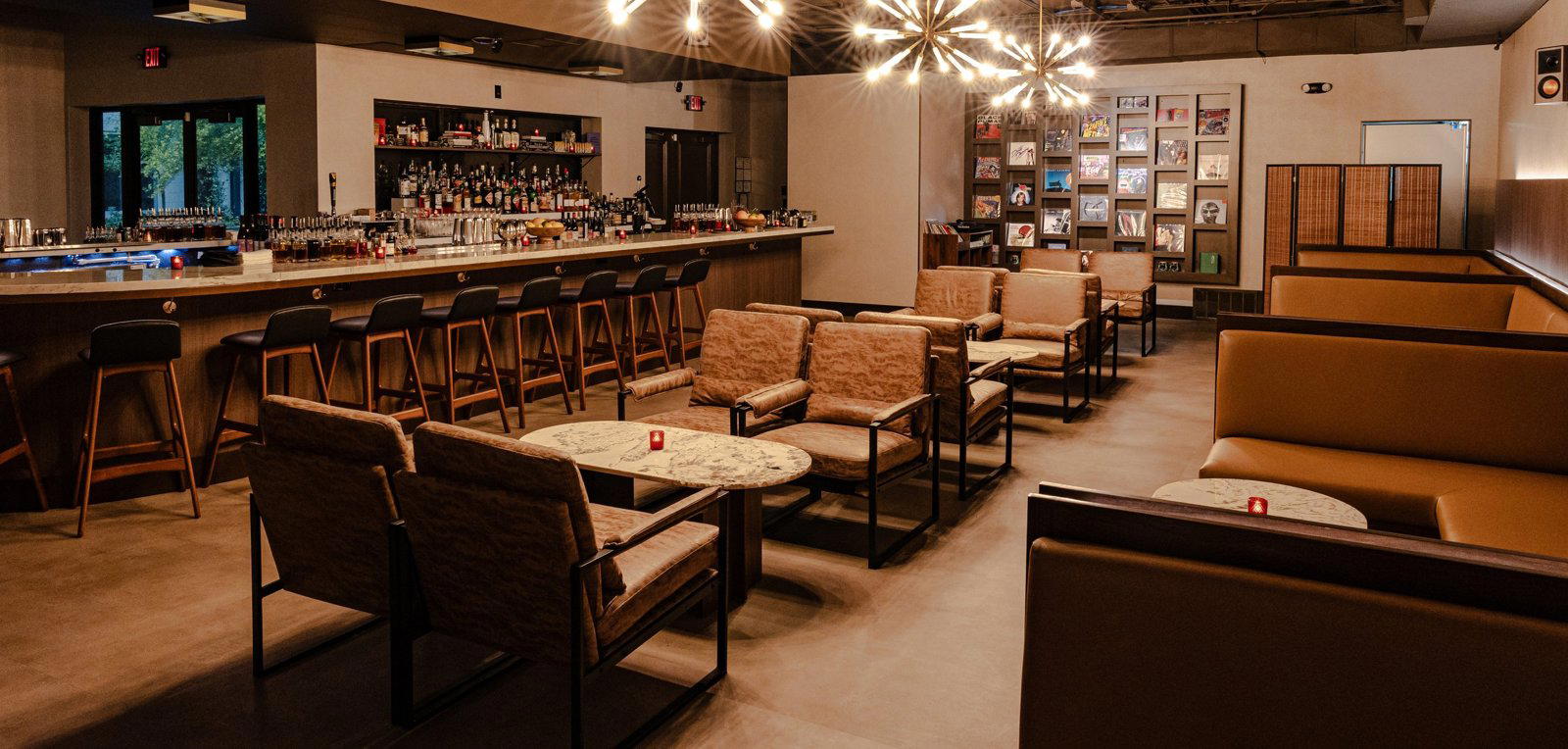
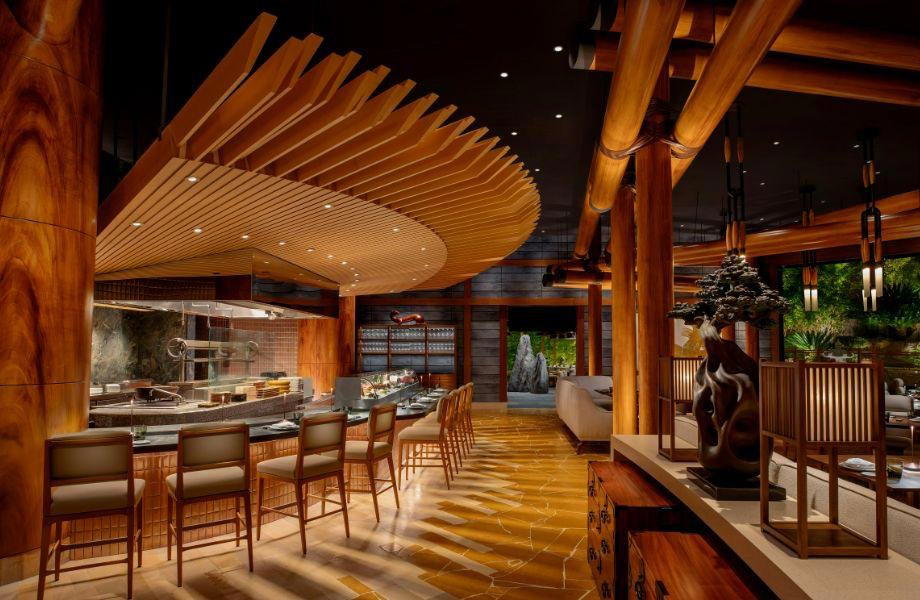
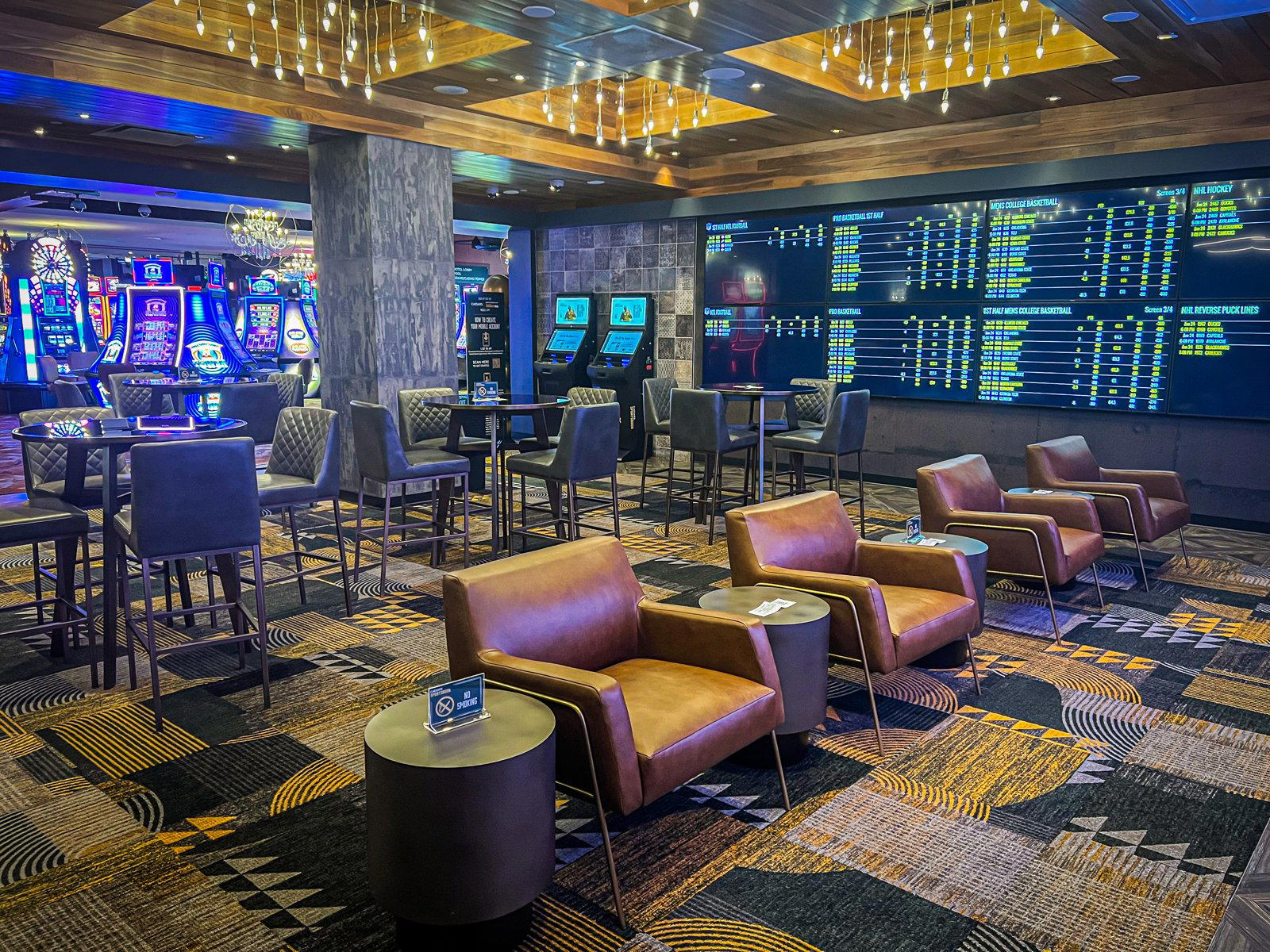
The physical environment at Oak & Ivy does most of the positioning work before anyone orders. Wood surfaces, low light, and a spirits-forward back bar communicate the format immediately: this is a whiskey bar, not a cocktail laboratory or a spectacle venue. That clarity of identity is more useful to regulars than to first-timers. A first-timer reads atmosphere; a regular reads the room as confirmation that the bar has not changed since their last visit. In a neighborhood where concepts cycle with some frequency, consistency of environment is itself a trust signal.
Fremont East's physical character, older buildings, street-level activation, independent operators, creates a different energy than the engineered environments of the Strip. Oak & Ivy benefits from that context. The bar sits within walking distance of several other independent concepts, which means regulars often build an evening across multiple stops rather than committing to a single venue. That pattern, common in bar neighborhoods from the French Quarter in New Orleans to the cocktail corridors of New York, favors bars with a clear identity: you know what you are getting, so you know when to include it in a route.
The Spirits List as the Point of Return
In the whiskey-bar format, the list is the argument. Oak & Ivy's position on Fremont East places it in a competitive set that includes bars operating across different format logics: Herbs & Rye, one of the more established craft cocktail addresses in Las Vegas, operates a different model built around a broad cocktail program; Ada's Food & Wine and Ada's pull toward the wine-bar register; 1228 Main and 108 Drinks represent other points on the Downtown cocktail spectrum. Within that set, a focused whiskey bar occupies a distinct niche: the customer who arrives knowing what category they want, and expects the bar to have done the selection work on their behalf.
That selection logic, the bar as curator rather than as menu, is what regulars rely on. Across bars that have built strong return-visit cultures, from Jewel of the South in New Orleans to Bar Leather Apron in Honolulu, the pattern is consistent: regulars defer to the bar's judgment on what is worth trying within a category they already trust. A whiskey list that has been genuinely edited, rather than assembled for breadth, becomes the reason someone returns rather than exploring the next room on the street.
The Regulars' Logic in a Tourist City
Las Vegas presents an unusual hospitality problem: the city's visitor numbers are enormous, but the proportion of repeat visitors who return to the same specific bar or restaurant is lower than in cities where tourism is more locally embedded. Fremont East has worked against that pattern by cultivating a resident and local-adjacent crowd alongside its tourist traffic. Oak & Ivy sits in a part of the city where that local layer is more present than on the Strip, which changes how the bar operates. A regular at a Strip property is almost a contradiction in terms; a regular at a Fremont East bar is a realistic and recurring customer type.
That distinction matters for how to read the bar. The unwritten menu at any regulars' bar, the pours that don't need to be explained, the seats that are understood to belong to certain people on certain nights, the bartender who knows that you want your whiskey with a small water back, is only available to people who have put in the time. For a city whose hospitality infrastructure is almost entirely optimized for first impressions, a bar with a regulars' culture is a specific thing, worth seeking out for that reason alone. Bars operating in a similar mode elsewhere, including Julep in Houston and Superbueno in New York City, demonstrate that this culture translates across very different city contexts, and that Las Vegas is not as inhospitable to it as its reputation suggests.
For a broader orientation to what Downtown Las Vegas is doing across its bar and restaurant scene, the EP Club Las Vegas guide maps the full picture, including how Fremont East fits relative to the Arts District and the Strip corridors. And for a reference point on what the format looks like at high ambition in a European context, The Parlour in Frankfurt on the Main offers a useful comparison on how whiskey-focused bars build authority in a market equally dominated by competing hospitality formats.
Planning a Visit
What It’s Closest To
Comparable options at a glance, pulled from our tracked venues.
| Venue | Cuisine | Price | Awards |
|---|---|---|---|
| Oak & IvyThis venue — the venue you are viewing | Not listed | $20–30 | Not listed |
| Herbs & Rye | Not listed | $50–100 | World's 50 Best #86 |
| Ada’s | Wine bar with small plates (Italian-influenced) | Not listed | Not listed |
| F1 Arcade Las Vegas | Full-service bar with sharing plates (arcade/entertainment) | $50–100 | Star Wine List |
| Viking Mike’s Alpine Yurt Bar | Scandinavian-inspired bar food (meads, German wines, sausage platters, schnitzel) | $20–30 | Star Wine List |
Oak & Ivy
Featured Guides


Continue exploring
More in Las Vegas
Bars in Las Vegas
All bars in Las Vegas →
Restaurants in Las Vegas
All restaurants in Las Vegas →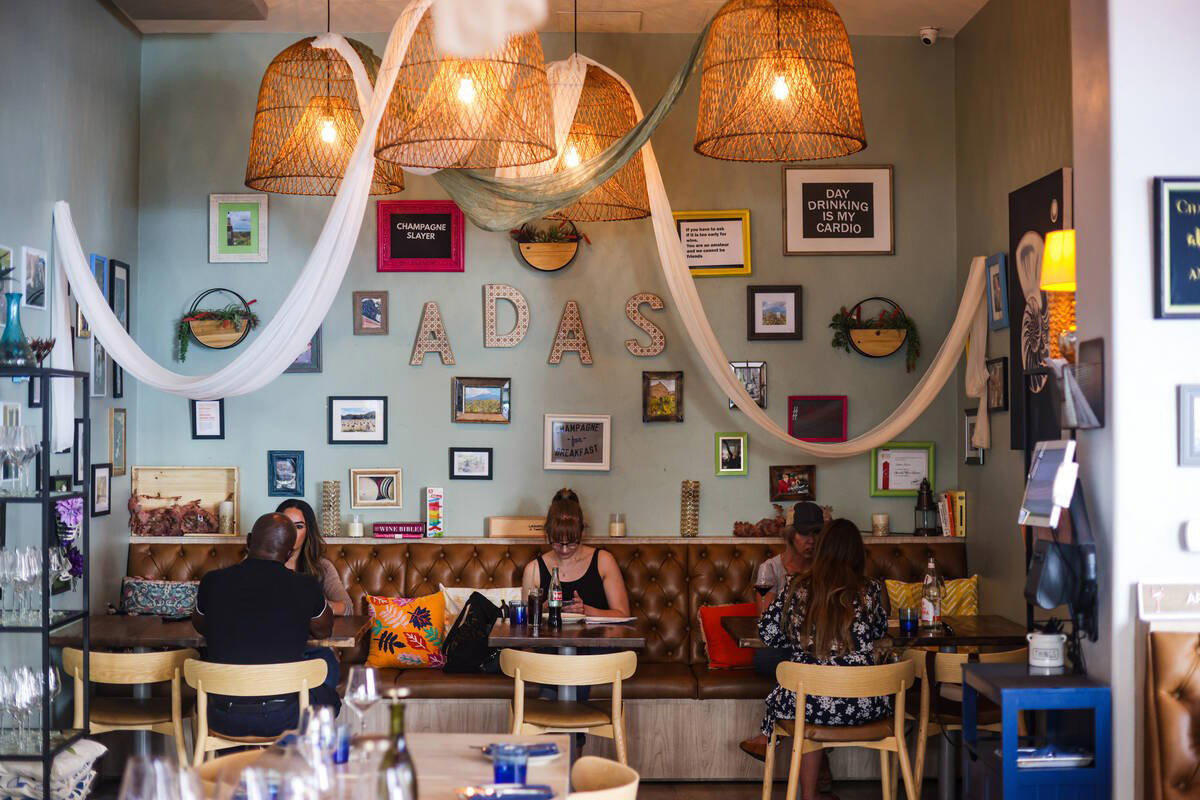
Oak & Ivy
The drinks
- Craft cocktails
- Craft beer
- Mezcal
- Tequila
Signature drinks: Smoked Old Fashioned, Barrel-Aged Boulevardier.
Details
- Elegant
- Intimate
- Sophisticated
- Cozy
- After Work
- Casual Hangout
- Date Night
- Rooftop
- Standalone
- Design Destination
- Seated Bar
- Outdoor Terrace
- Lounge Seating
- Craft Cocktails
- Whiskey
- Craft Beer
- Tequila
- Mezcal
- Street Scene
Current opening hours
- Monday
- 3–11 PM
- Tuesday
- 3–11 PM
- Wednesday
- 3–11 PM
- Thursday
- 3–11 PM
- Friday
- 12 PM–1 AM
- Saturday
- 12 PM–1 AM
- Sunday
- 12–11 PM
Hours can change for holidays and private events. Last verified .
Stylish and elegant interior with small chandelier, plaid-patterned wallpaper, and wood wainscoting; warm and friendly atmosphere with open-air rooftop seating.