Downtown Terrace
Positioned on Fremont Street's increasingly serious cocktail corridor, Downtown Terrace occupies a suite address at 707 E Fremont that places it squarely in Las Vegas's growing off-Strip bar scene. The terrace format and downtown location put it in a distinct tier from casino lounges, drawing a crowd that tracks cocktail programmes rather than floor shows. For context on the neighbourhood's drinking culture, see our full Las Vegas bar coverage.
Pearl is the En Primeur Club membership app — saves, bookings, and concierge access live there. Same editors, same standards.
- Address
- 707 E Fremont St Suite 1170, Las Vegas, NV 89101
- Phone
- +1 702 553 2542
- Website
- downtownterracelv.com
- Directions
- Get directions
 Saves & bookings on Pearl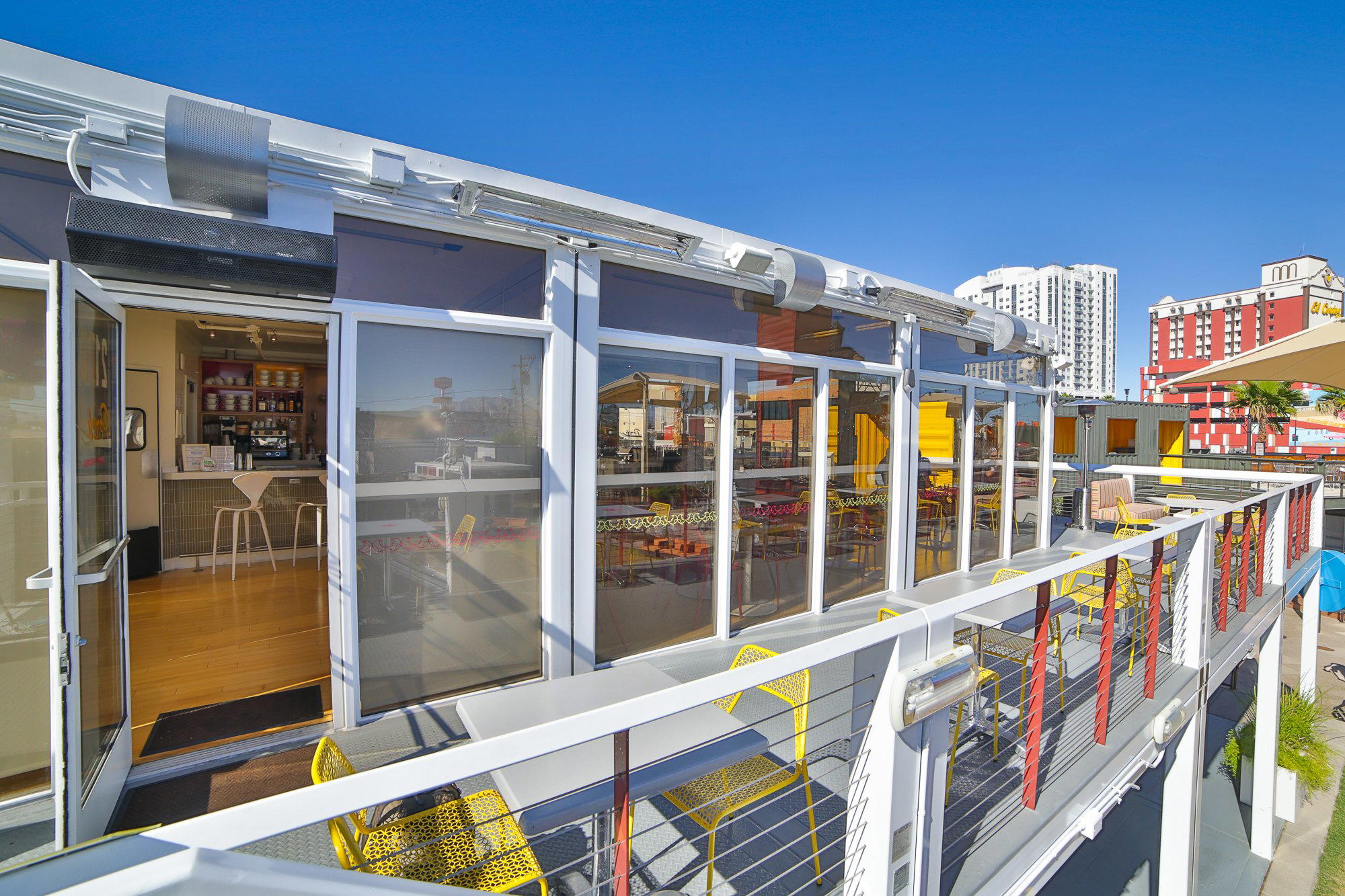
Fremont Street's Cocktail Scene and Where Downtown Terrace Sits Within It
The stretch of East Fremont Street running through downtown Las Vegas has quietly accumulated a concentration of independent bars that now rivals, in terms of programme seriousness, anything operating in the shadow of the Strip's casino floors. This shift took roughly a decade to consolidate. What began as a handful of neighbourhood spots serving locals priced out of resort dining has evolved into a corridor where cocktail technique, sourcing, and format genuinely matter. Downtown Terrace, addressed at 707 E Fremont Street, Suite 1170, sits inside this corridor at a moment when the area's identity as a drinking destination is no longer in question.
The broader pattern across American cities is that outdoor or semi-outdoor drinking formats have earned credibility they were rarely afforded before 2020. In markets like San Francisco, ABV demonstrated that a bar focused on serious spirits and technical cocktails could anchor a neighbourhood drinking culture without a casino or hotel to drive traffic. In Honolulu, Bar Leather Apron built its reputation on precision and restraint in a hospitality market dominated by resort volume. Downtown Terrace's terrace positioning places it in that broader category of venues where the physical environment is part of the editorial argument for visiting, not merely a backdrop.
The Cocktail Programme as the Primary Reason to Show Up
Las Vegas has historically been a market where cocktails function as throughput rather than craft. The Strip's volume economics push bartenders toward speed and standardisation. The downtown countermovement, concentrated along Fremont and its adjacent blocks, runs in the opposite direction. Herbs & Rye helped establish that a Las Vegas bar could operate with the programme discipline of a New York or Chicago counterpart. 108 Drinks and 1228 Main have since added further weight to a downtown scene that now has genuine depth across multiple venues.
The editorial angle on any terrace-format bar in this neighbourhood is inevitably its cocktail programme, because that is what separates an outdoor drinking space from a patio attached to a casino. Across American cities where the outdoor bar format has been taken seriously, the defining characteristic is almost always the same: a programme that doesn't simplify its offerings because the setting is casual. Kumiko in Chicago is the clearest national example of a bar where Japanese technique and ingredient specificity have been applied without compromise regardless of format or setting. Jewel of the South in New Orleans demonstrates how a historically rooted cocktail culture can be expressed through a contemporary programme without losing its sense of place. These are the competitive references against which a serious cocktail bar in any American city is now measured, at least among the audience that tracks drinking destinations across markets.
Downtown Las Vegas benefits from a year-round climate that makes terrace drinking viable for a longer season than most North American cities. The practical implication is that a bar operating an outdoor or semi-outdoor format here isn't making a seasonal concession; it's operating a format that functions as a permanent fixture rather than a warm-weather supplement. This matters for cocktail programme development because it means the menu can be designed with year-round intent rather than adjusted seasonally to account for a shortened outdoor window.
Downtown Fremont Against the Wider Las Vegas Drinking Map
The comparison with Strip-adjacent drinking is worth making explicitly. Casino bars operate under constraints that shape their programmes in predictable ways: high volume, brand partnerships, and the logistical demands of serving tens of thousands of guests per day. Independent bars in downtown Las Vegas operate under a different set of pressures and incentives. Their guests are, on average, more intentional about where they drink, more likely to have sought out the venue specifically, and less likely to have arrived because the bar happened to be adjacent to a slot floor.
Ada's Food & Wine on the downtown scene illustrates how an Italian-influenced wine bar format can carve a specific niche within this same neighbourhood, attracting a guest profile that overlaps with but doesn't fully replicate the cocktail-focused crowd. The diversity of formats across downtown's independent bar scene is itself a sign of a maturing drinking destination: when a neighbourhood can sustain a serious cocktail bar, a wine bar with small plates, and a Scandinavian-inflected mead and spirits programme simultaneously, the area has moved beyond novelty into genuine hospitality density.
For context on how similar dynamics have played out in other American cities, Julep in Houston built a following through programme specificity in a market not historically associated with craft cocktail culture. Superbueno in New York City demonstrates how a bar can establish a clear identity through a focused spirits selection within one of the world's most competitive cocktail markets. The Parlour in Frankfurt shows that the programme-first approach to bar culture has become a genuinely international pattern, not a feature of specific cities. These references point to a broader shift: the bars that build lasting reputations in any market are those that treat the cocktail programme as the primary product, regardless of the physical format they occupy.
Planning a Visit: What to Know Before You Go
Downtown Terrace operates at 707 E Fremont Street, Suite 1170, in a part of the Fremont corridor that is walkable from the majority of downtown Las Vegas's independent hospitality venues. The suite address suggests an refined or interior-facing position within a larger building, which in this part of Fremont typically means some degree of separation from the street-level noise and foot traffic of the entertainment district immediately to the west. Arriving on foot from other East Fremont venues is the most practical approach; the area's parking situation during peak evening hours rewards those who plan to walk between stops rather than drive between them. For a broader picture of where Downtown Terrace fits within Las Vegas's full dining and drinking map, our full Las Vegas restaurants and bars guide provides neighbourhood-level coverage across the city's independent and resort hospitality scenes.
Comparable Options
A quick peer reference to anchor this venue in its category.
| Venue | Cuisine |
|---|---|
| Downtown TerraceThis venue — the venue you are viewing | Not listed |
| Ada’s | Wine bar with small plates (Italian-influenced) |
| F1 Arcade Las Vegas | Full-service bar with sharing plates (arcade/entertainment) |
| Viking Mike’s Alpine Yurt Bar | Scandinavian-inspired bar food (meads, German wines, sausage platters, schnitzel) |
Continue exploring
More in Las Vegas
Bars in Las Vegas
Browse all →
Restaurants in Las Vegas
Browse all →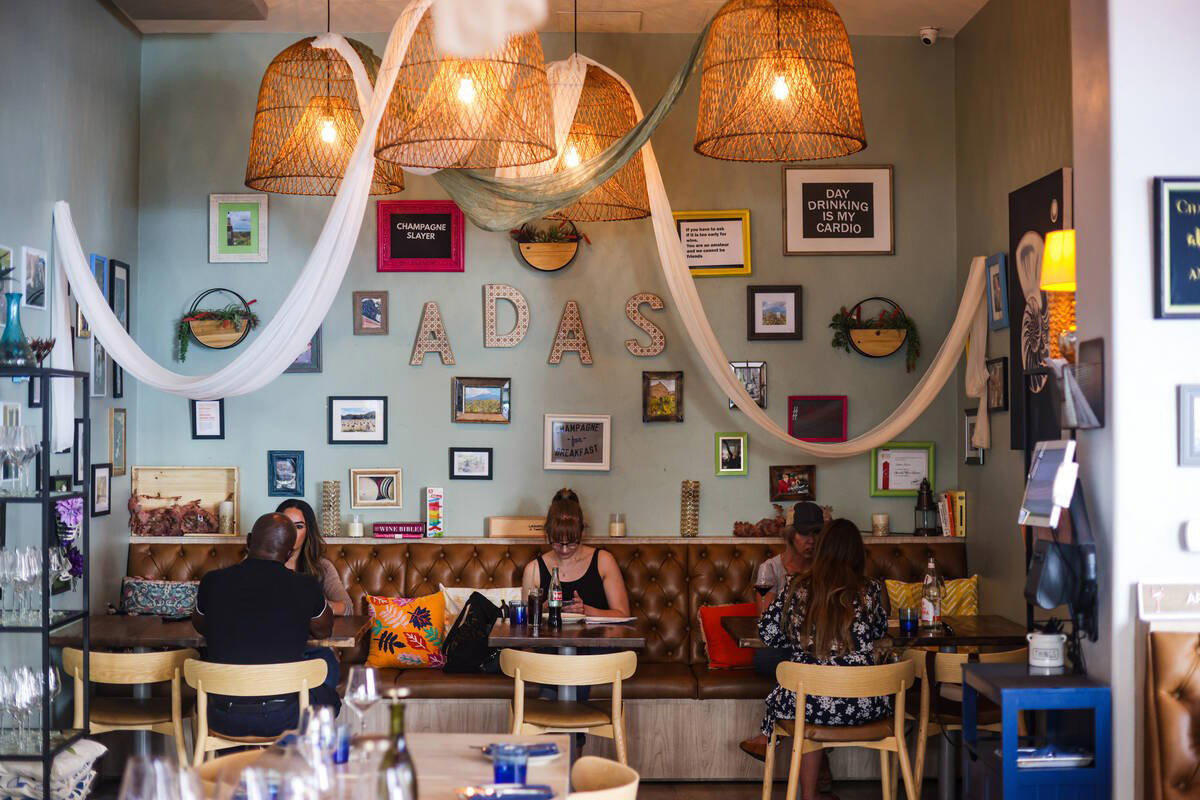
At a Glance
- Whimsical
- Trendy
- Lively
- Elegant
- Brunch
- Group Outing
- Casual Hangout
- Rooftop
- Terrace
- Live Music
- Outdoor Terrace
- Lounge Seating
- Classic Cocktails
- Street Scene
Current opening hours
- Monday
- 11 AM–7 PM
- Tuesday
- 11 AM–7 PM
- Wednesday
- 11 AM–7 PM
- Thursday
- 11 AM–7 PM
- Friday
- 9 AM–7 PM
- Saturday
- 9 AM–7 PM
- Sunday
- 9 AM–7 PM
Hours can change for holidays and private events. Last verified .
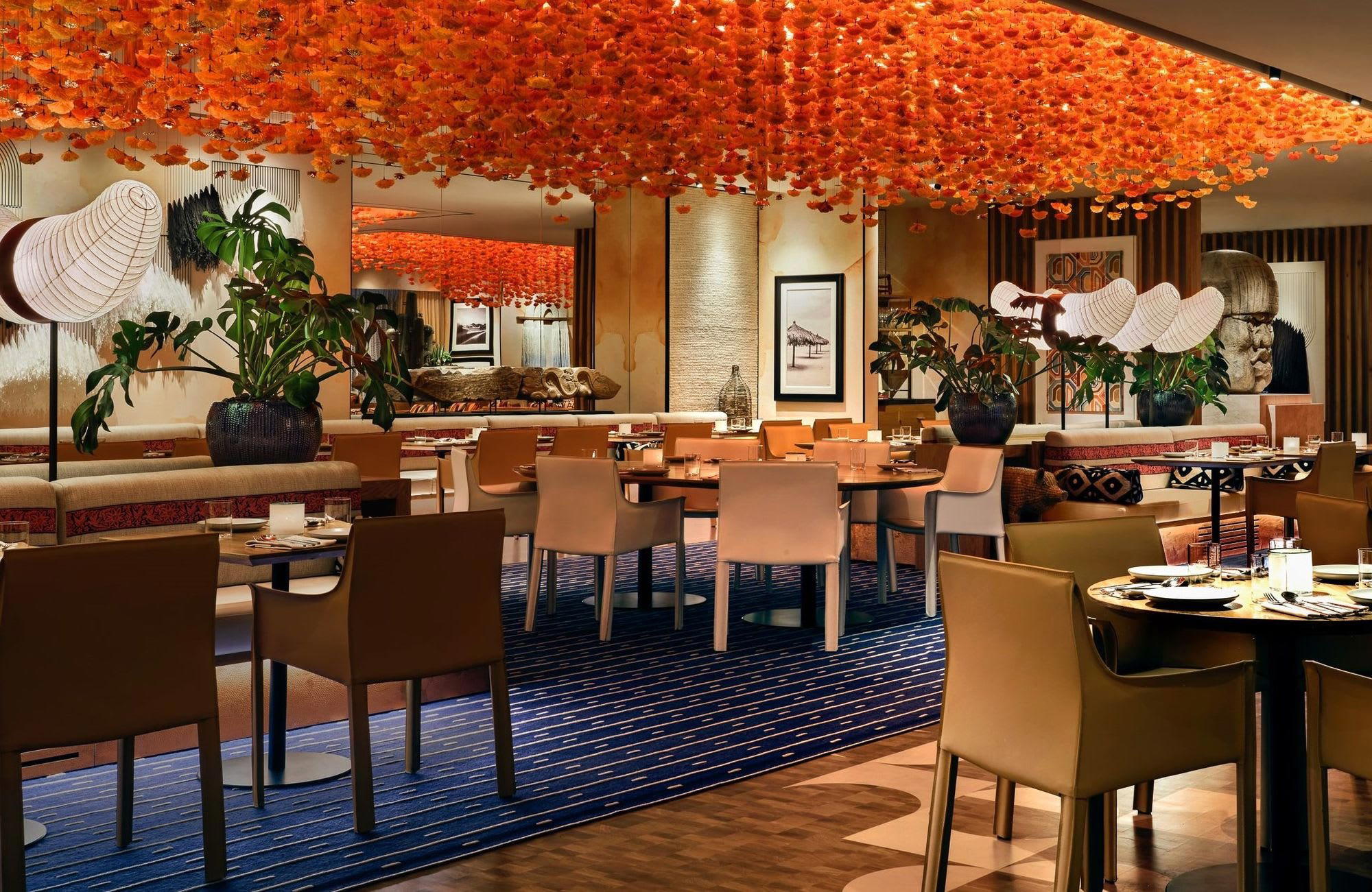
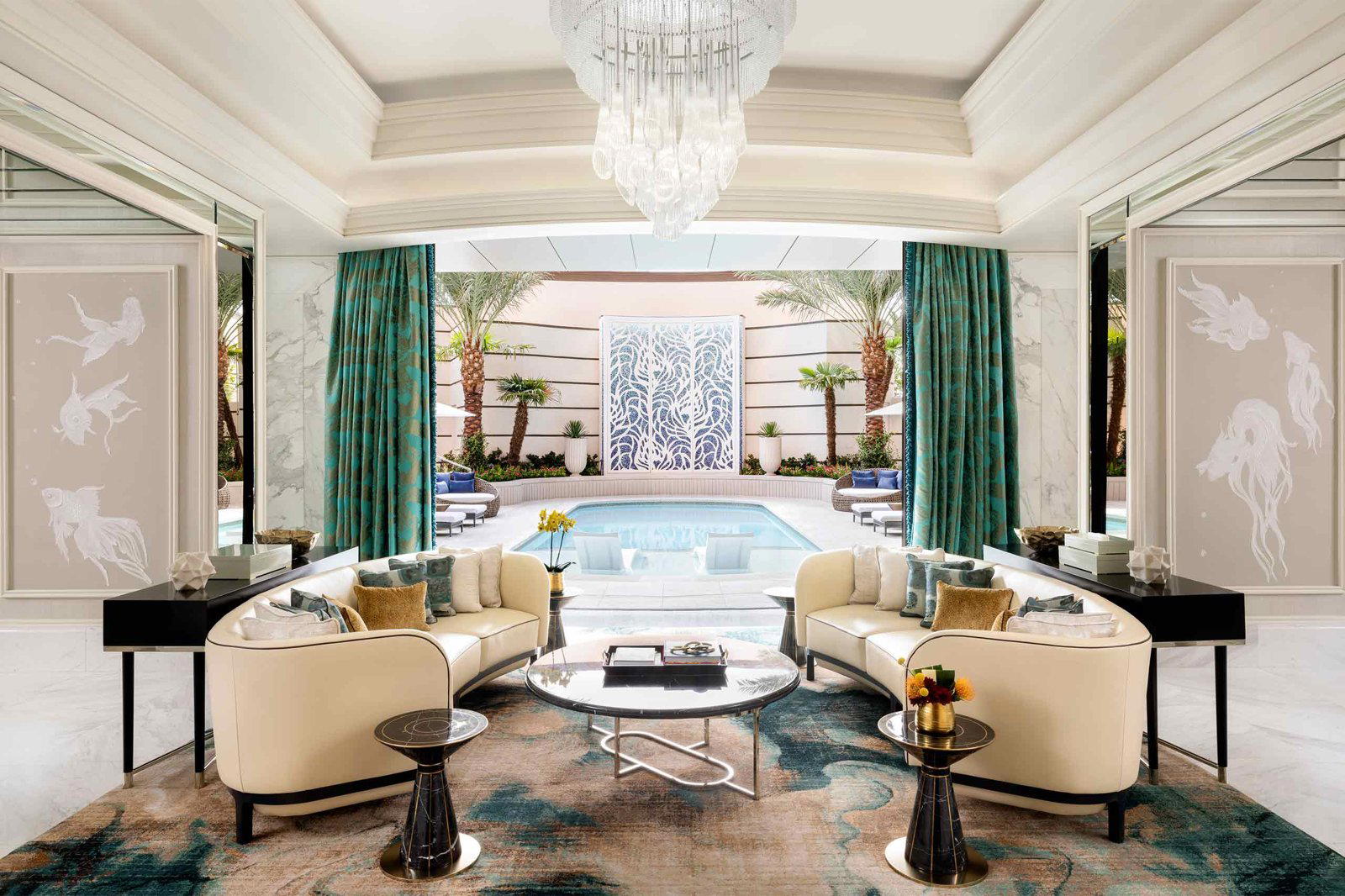
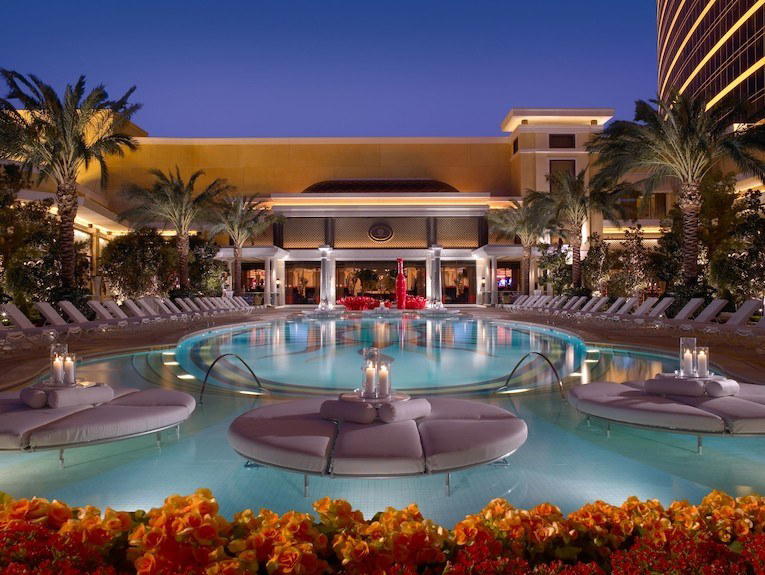
Lush, bright, and colorful with pomegranate and canary palette, blending old world elegance and urban whimsy.
Know Before You Go
- Getting there
- 707 E Fremont St Suite 1170, Las Vegas, NV 89101