Nozomi
On Tejon Street in Denver's LoHi neighborhood, Nozomi occupies a space where Japanese sensibility meets a drinks program that rewards deliberate attention. Relative to the cocktail-forward competition along that corridor, Nozomi's approach to curation — across glass and plate — places it in a more considered tier than the neighborhood's louder options.
Pearl is the En Primeur Club membership app — saves, bookings, and concierge access live there. Same editors, same standards.
- Address
- 4100 Tejon St, Denver, CO 80211
- Phone
- +1 303 954 9166
- Website
- nozomisushidenver.com
- Directions
- Get directions
 Saves & bookings on Pearl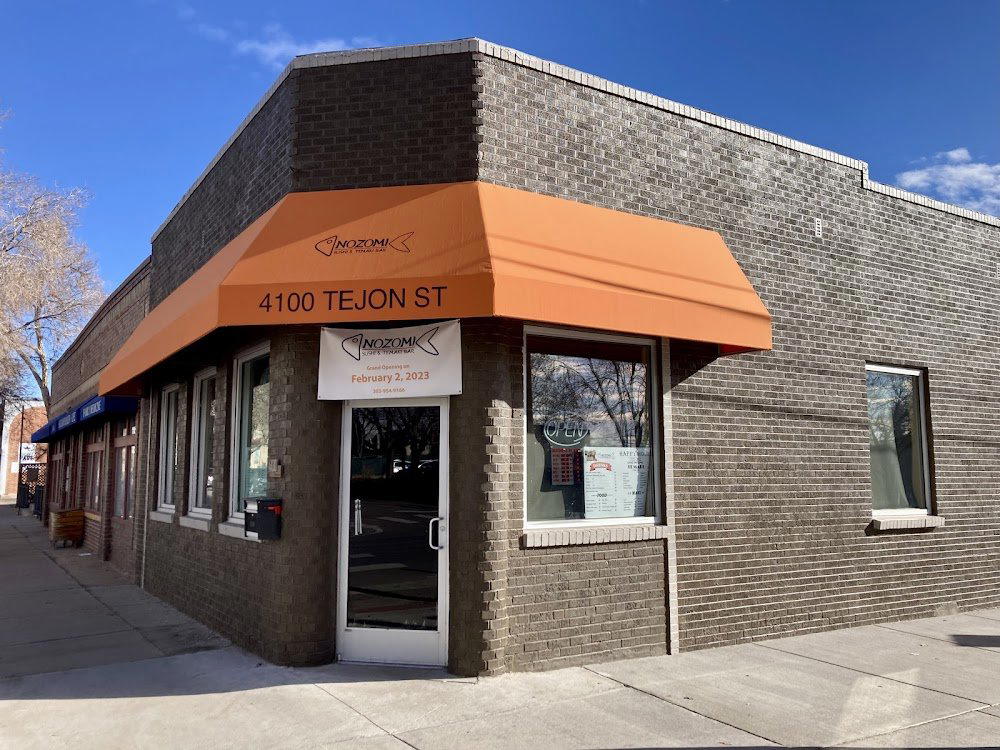
Tejon Street and the Case for Restraint
LoHi, Denver's Lower Highlands district, has developed one of the more concentrated pockets of serious drinking in the Mountain West. The stretch of Tejon Street running through it carries a mix of high-energy cocktail bars and neighborhood anchors, a range wide enough that the quieter end of the spectrum can slip past visitors scanning for the obvious. Nozomi, at 4100 Tejon St, sits toward that quieter end — a positioning that, in a corridor where volume often signals ambition, requires some explanation.
Japanese-influenced dining and drinking in American cities has undergone a genuine transformation over the past decade. What began as a category defined almost entirely by sushi formats has branched into izakaya-style drinking, dedicated whisky programs, Japanese-inflected cocktail bars, and omakase-adjacent experiences at varying price points. Denver has not been immune to that shift. The question worth asking of any venue operating in this space is where, precisely, it locates itself in that evolving tier structure — and what its beverage program signals about its ambitions.
The Drinks Program as Organizing Principle
The editorial angle that matters most when thinking about Nozomi is the curation logic behind what's in the glass. Japanese drinking culture has always maintained a parallel track to its food tradition: sake grades, shochu regionality, Japanese whisky distillery lineage, and the discipline imported into cocktail technique by figures like Kazuo Ueda all constitute a genuine body of knowledge that serious bars either engage with or ignore. The bars that engage tend to build programs with internal coherence, a house position on dilution, temperature, ingredient sourcing, or spirit category, rather than simply offering range.
In Denver's cocktail tier, the venues that have earned sustained recognition tend to share that quality of coherence. Williams & Graham built its reputation on a prohibition-era format matched to serious spirits depth. Death & Co (Denver), the outpost of the New York institution, imports a documented cocktail philosophy with national credibility behind it.
The Japanese bar tradition offers a ready framework. Across American cities, the venues that have most successfully translated that tradition share certain features: measured service pacing, high-precision technique applied to relatively simple forms, spirit categories that include Japanese whisky and sake alongside Western standards, and a food program that reinforces rather than competes with the drinks. Kumiko in Chicago operates in this register with considerable recognition. Bar Leather Apron in Honolulu applies similar discipline in a Pacific context. These bars have demonstrated that the format sustains serious critical attention when executed with consistency.
What Beverage Curation Signals in This Context
Any bar drawing on Japanese drinking tradition faces a specific curation challenge with sake. The category's complexity, junmai, ginjo, daiginjo, nigori, nama, and the geographic distinctions that separate Niigata's dry, clean profiles from Kyoto's more aromatic productions, means that a shallow list reveals itself quickly to anyone paying attention. A list that commits to regional breadth, producer specificity, and appropriate serving temperature signals a different level of institutional knowledge than one that offers three or four generic selections as category coverage.
The same logic applies to Japanese whisky, where the expansion of distillery output since the early 2010s has created a wider range of available expressions while simultaneously making allocation-level bottles increasingly scarce. Bars that built relationships with importers and distributors before the category's international surge tend to carry older expressions and smaller-production releases that newer programs simply cannot access. That kind of depth is not visible in a menu photograph, it shows in the back bar and in the knowledge a bartender deploys when a guest asks what's worth drinking.
Denver's broader bar scene has shown increasing sophistication on this front. Yacht Club and Ace Eat Serve represent different approaches to bar programming in the city, one leaning into a looser, playful format, the other anchoring drinks to a sporting and social context, neither of which competes directly with a Japanese-inflected program that prioritizes technique and curation over atmosphere as the primary draw.
Placing Nozomi in the Wider Conversation
The bars doing the most interesting work in the Japanese-influenced American tier are scattered across city markets rather than concentrated in any single hub. Beyond Kumiko and Bar Leather Apron, Jewel of the South in New Orleans demonstrates how a historically specific cocktail tradition can coexist with Japanese technique influences. ABV in San Francisco has carved its own position through an ingredient-forward program. Superbueno in New York City shows how borrowing from one culinary tradition while operating in another can generate something genuinely distinct. Julep in Houston operates in the spirit-specificity register, building a program around bourbon and whiskey depth.
What these bars share is a willingness to commit. The venues that try to appeal simultaneously to guests seeking quick cocktails and guests seeking deep beverage education tend to do neither well. The ones with staying power build a program and hold to it, adjusting execution rather than concept in response to guest feedback. The Parlour in Frankfurt illustrates that this discipline translates across markets, the Japanese-influenced bar format has demonstrated international portability precisely because its organizing principles are consistent regardless of geography.
For Denver specifically, a venue at Nozomi's address on Tejon Street benefits from foot traffic generated by the surrounding neighborhood while facing the risk of being categorized alongside louder options that attract casual drinkers rather than the deliberate, return-visit guest that a serious program depends on for sustainability. That tension between location and positioning is one every serious bar in a mixed-use neighborhood manages, and how a program resolves it, through format, service pace, pricing, or menu depth, determines its long-term trajectory. For a full view of where Nozomi sits within Denver's current drinking and dining options, the full Denver restaurants and bars guide provides broader context across neighborhoods and price tiers.
Know Before You Go
- Address: 4100 Tejon St, Denver, CO 80211
- Neighborhood: LoHi (Lower Highlands)
- Booking: Contact details not confirmed at time of publication, check current listings for hours and reservation options
Continue exploring
More in Denver
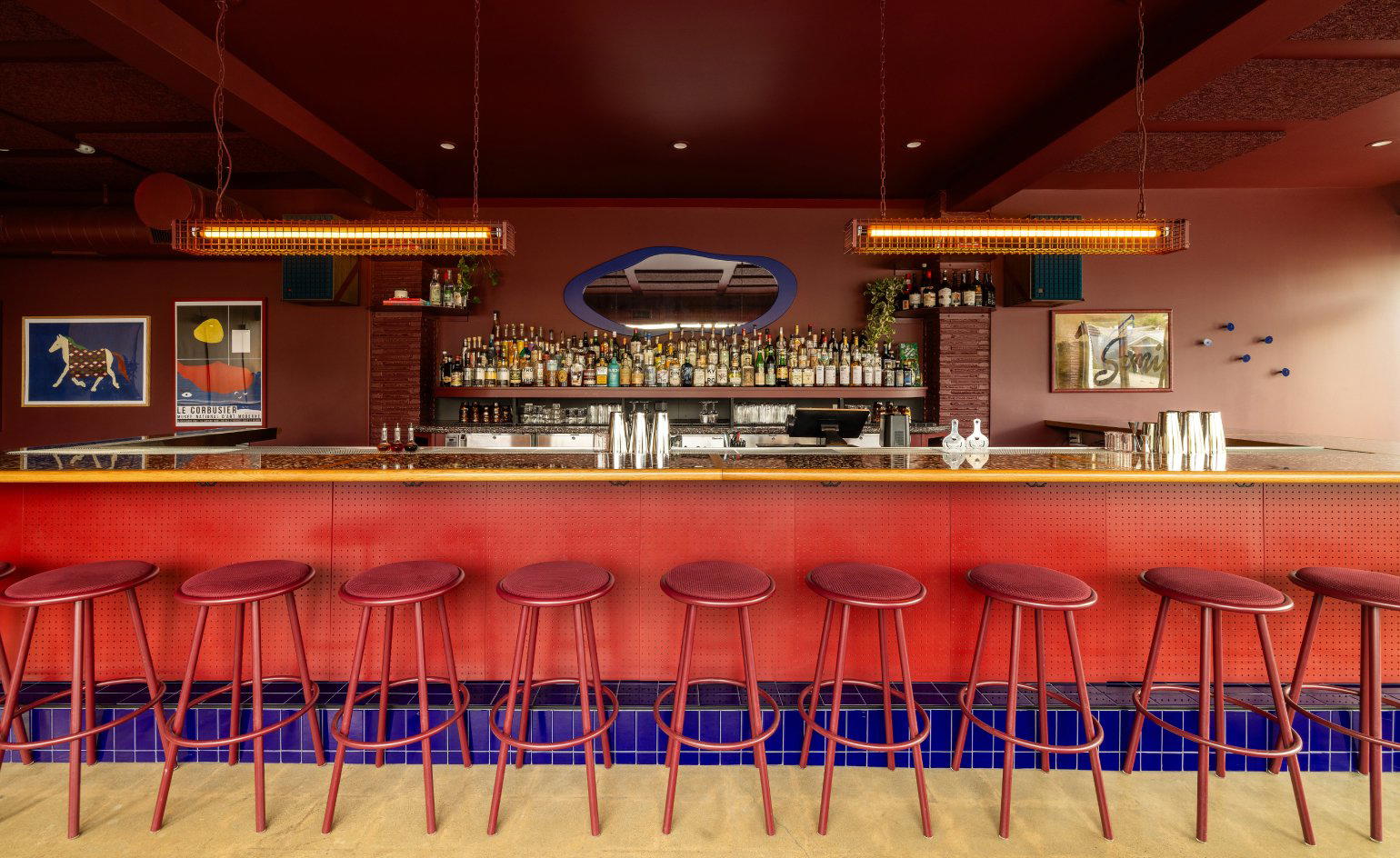
Bars in Denver
Browse all →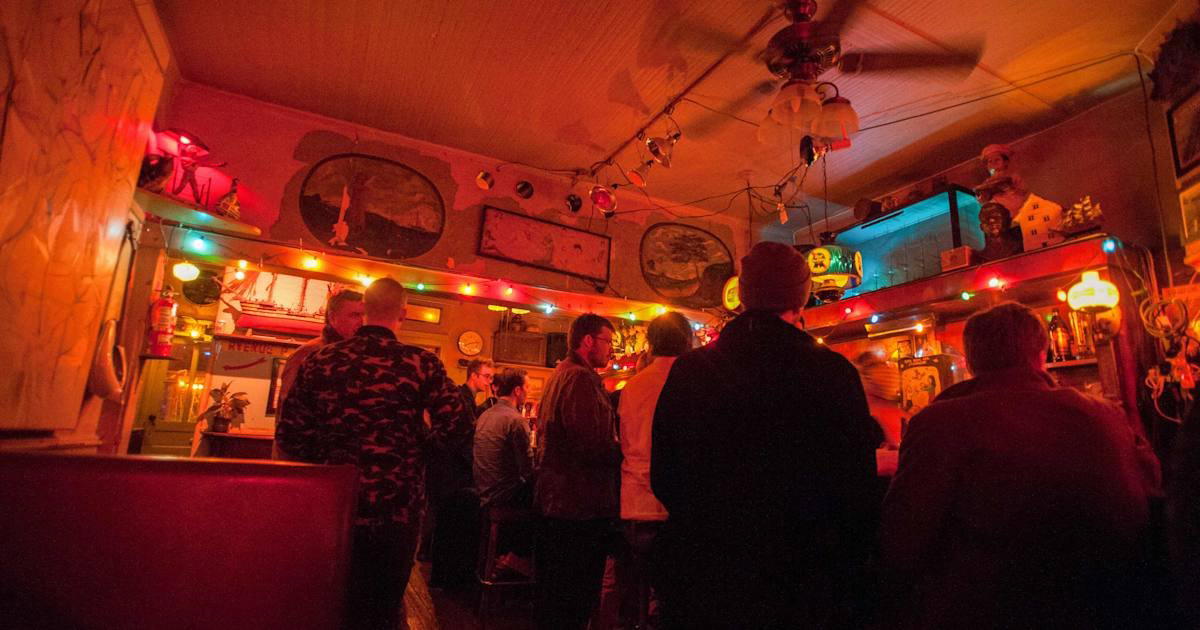
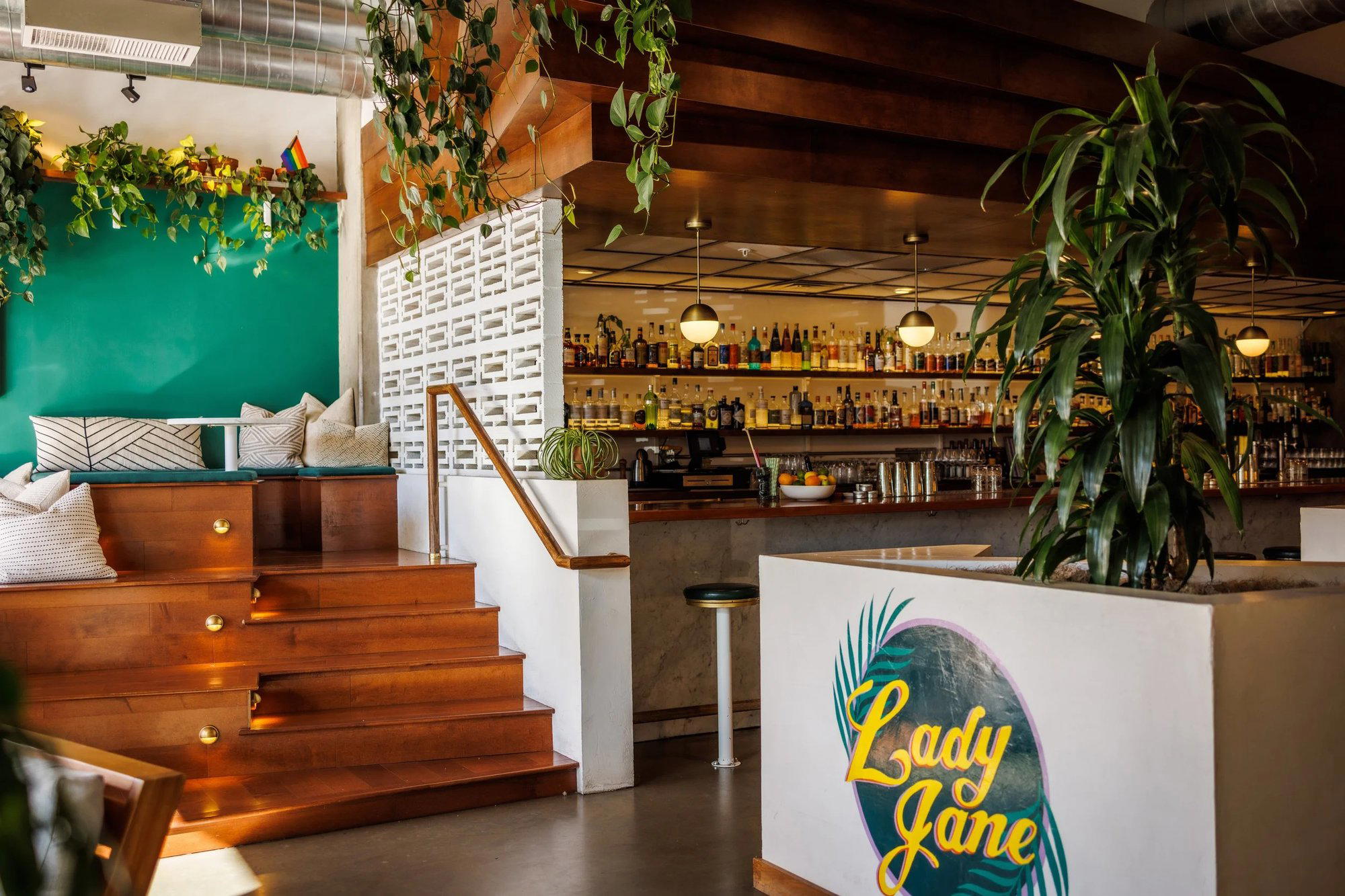
Restaurants in Denver
Browse all →
Hotels in Denver
Browse all →



At a Glance
- Cozy
- Intimate
- Date Night
- Casual Hangout
- Standalone
- Seated Bar
- Classic Cocktails
Current opening hours
- Monday
- 4:30–9:30 PM
- Tuesday
- 4:30–9:30 PM
- Wednesday
- 4:30–9:30 PM
- Thursday
- 4:30–9:30 PM
- Friday
- 12–9:30 PM
- Saturday
- 12–9:30 PM
- Sunday
- 12–9:30 PM
Hours can change for holidays and private events. Last verified .
Laid-back environment with friendly staff.
Know Before You Go
- Getting there
- 4100 Tejon St, Denver, CO 80211