Cruise Room
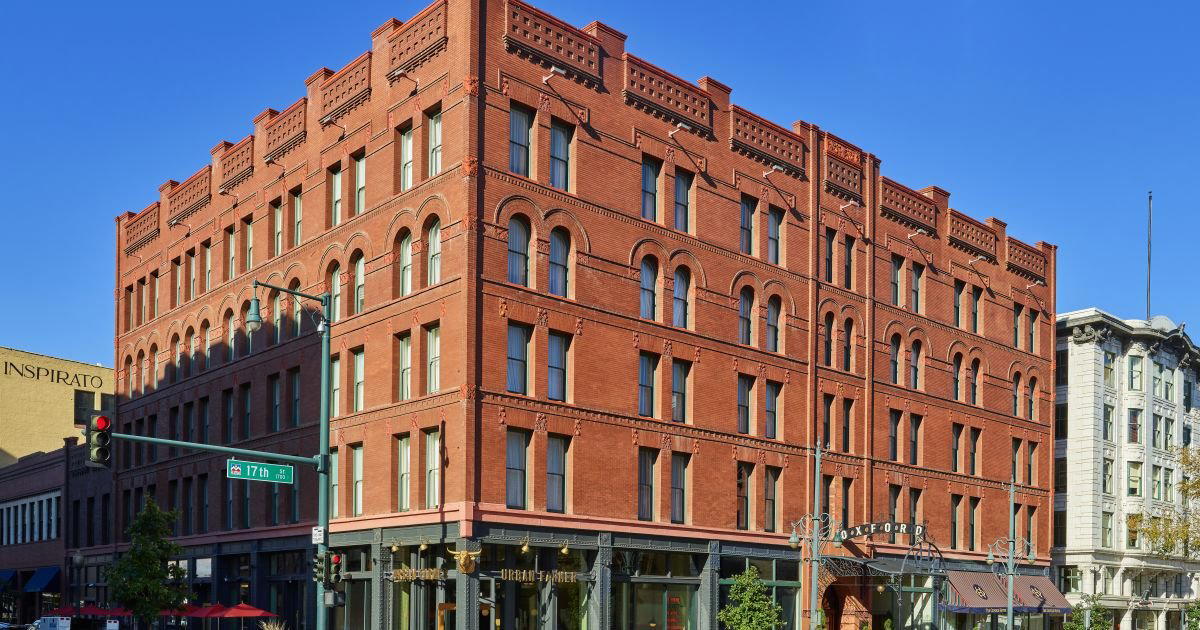
Few bars in Denver carry the physical weight of history that the Cruise Room does. Occupying the Oxford Hotel's ground floor at 1600 17th Street since Prohibition's repeal in 1933, this Art Deco lounge is among the oldest cocktail bars in the city, where the room itself sets the terms of the visit before a drink arrives.

Pearl is the En Primeur Club membership app, where members save venues, book tables and use the concierge.
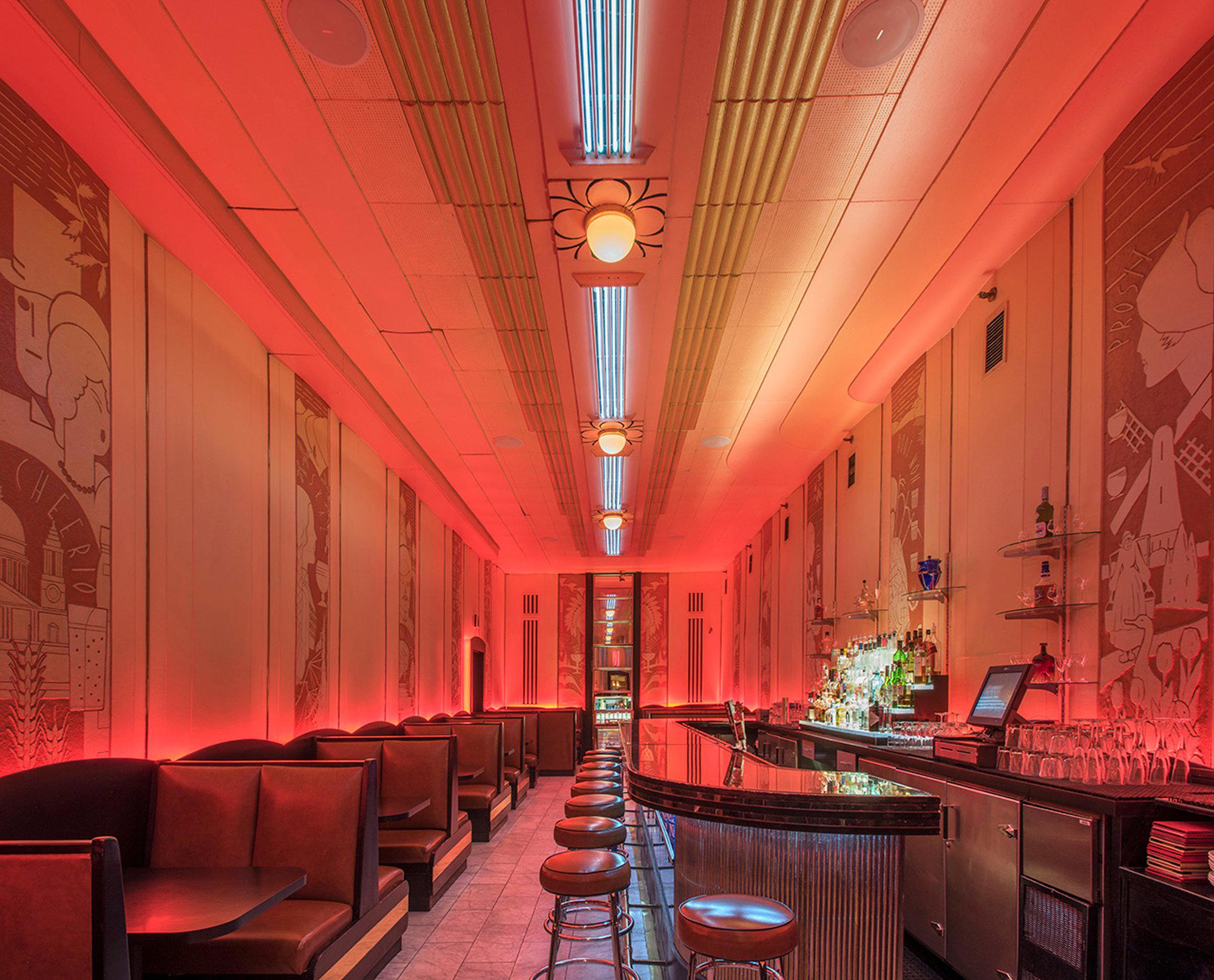
A Room That Earns Its Reputation Before the First Round
Denver's bar scene has evolved considerably over the past two decades, splitting between technically driven cocktail programs and neighbourhood-anchor spots with deeper roots. The Cruise Room occupies a category that few bars in the city can claim: a room with genuine pre-war architecture that still functions as a working bar. Located inside the Oxford Hotel at 1600 17th Street, the lounge dates to 1933, opened the day Prohibition was repealed, and has been serving drinks in largely the same physical space ever since. That continuity is rarer than it sounds. Most American cities have lost the equivalent through demolition, renovation cycles, or simple neglect.
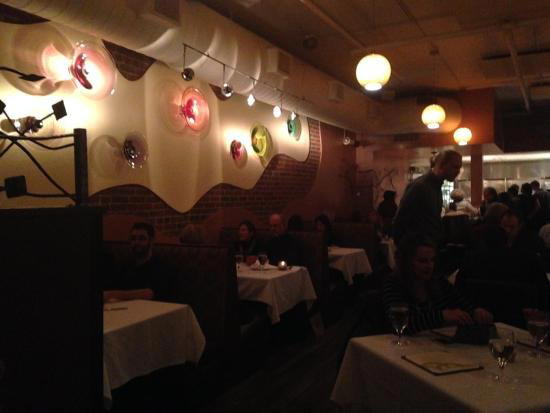
Walking into the Cruise Room, the first thing that registers is the proportion of the room. It is narrow and long, panelled in deep red lacquer with relief decorations that reference the ocean liner interiors fashionable in the 1930s. The design borrows from the SS Normandie's passenger lounges, a detail that explains both the name and the specific geometry of the space: booths running along one wall, a bar counter along the other, lighting kept low enough to flatten the time of day entirely. Whether it is 5pm or midnight is genuinely difficult to tell once you are inside, which is either a flaw or the point, depending on your relationship to afternoons.
How the Drinks Fit the Room
The editorial angle on Art Deco bars often defaults to nostalgia, but the Cruise Room functions more interestingly as a case study in how a drinks program adapts to physical identity. The room sets constraints: it demands classic cocktail formats, measured pours, and a menu that does not require theatrical presentation. A clarified-fat-washed Negroni with a custom ice stamp would feel wrong here in the way a leather wingback chair would feel wrong in a Brutalist loft. The space and the drink list have to agree with each other, and at the Cruise Room they broadly do.
Classic formats anchor the menu, with martinis, Manhattans, and Old Fashioneds appearing in variants that lean on spirit quality rather than ingredient novelty. That approach places the Cruise Room in a different register than Denver's more technically ambitious programs. Williams & Graham, for example, operates a sophisticated rotating cocktail menu with bibliophile-themed depth. Death & Co (Denver) brings a New York lineage of technical precision to the city's LoDo neighbourhood. The Cruise Room does not compete on those terms. It competes on atmosphere and continuity, which is a legitimate competitive strategy when the room is this good.
The Food Programme as a Supporting Act (and Why That Works)
The bar food question at a heritage lounge like this one is genuinely interesting. The editorial temptation is to dismiss it, but the smarter read is that a focused, complementary food programme is harder to execute than an ambitious one. When the drinks are the main event, the kitchen's job is to extend the session without overwhelming it. That means avoiding dishes with heavy, competing aromatics, managing portion sizes so that ordering does not feel like committing to a meal, and keeping the salt-fat balance calibrated to the specific drinks on the menu.
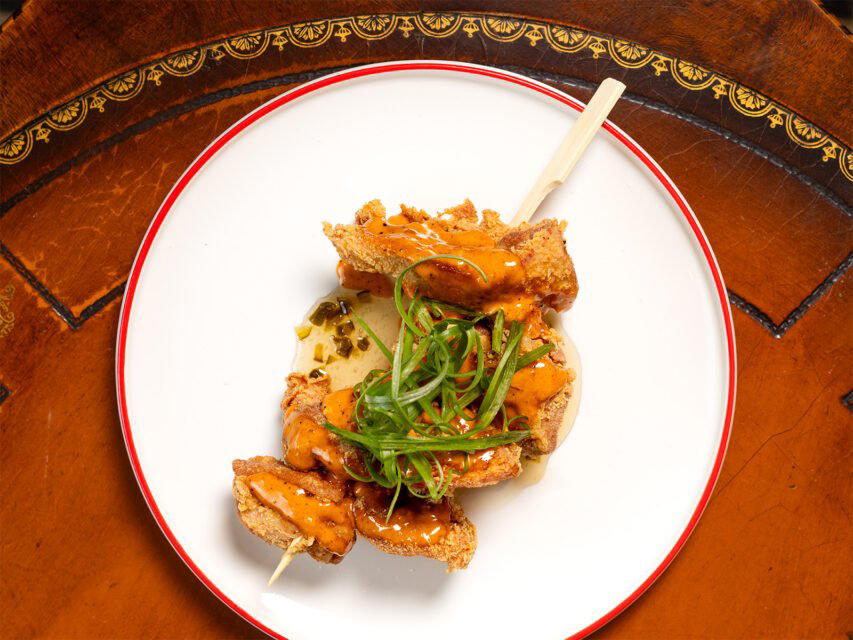
The Cruise Room's food programme operates on that logic. Small plates and bar-appropriate bites provide enough substance to pace an evening without repositioning the room as a restaurant. This is the approach taken by several heritage cocktail bars operating in similar physical contexts, from Jewel of the South in New Orleans to Bar Leather Apron in Honolulu, where the kitchen exists in service of the bar program rather than alongside it. In each case, the discipline of that supporting role is what makes the experience cohere. When bars try to split the identity between serious cocktails and serious food, the result is often a room that feels uncertain about what it is.
Where the Cruise Room Sits in Denver's Bar Order
Denver's cocktail bar offerings now cover enough range that placing any individual venue requires some specificity. The city has technically ambitious craft programs, late-night options with broader music and social formats, and a growing mid-tier of neighbourhood bars with rotating seasonal menus. Yacht Club and Ace Eat Serve represent the more playful, high-energy end of that spectrum. The Cruise Room sits at the other end: quieter, more contained, with a demographic that skews toward guests who have made a deliberate choice to be somewhere specific rather than somewhere happening.
That positioning makes the Cruise Room a logical first or last stop rather than a middle-of-the-evening venue. Pre-theatre or pre-dinner, it functions as a reset from the street without demanding much time or commitment. Post-dinner, it delivers the kind of room that makes closing a night feel earned rather than merely extended. The Oxford Hotel's location in Denver's lower downtown district places it within walking distance of Union Station and several of the city's main dining corridors, which makes the logistics of building it into an evening relatively direct.
For visitors approaching Denver's cocktail scene comparatively, the Cruise Room occupies a category closer to Kumiko in Chicago or The Parlour in Frankfurt in terms of atmosphere density, where the room itself carries significant editorial weight. It differs from the more programmatic modern bar formats represented by ABV in San Francisco, Julep in Houston, or Superbueno in New York City, each of which leads with a specific drinks identity rather than a physical inheritance.
Planning a Visit
The Cruise Room is located inside the Oxford Hotel at 1600 17th Street in Denver's LoDo neighbourhood, accessible on foot from Union Station in a short walk. As a hotel bar, it operates with the kind of regular hours that most standalone cocktail bars cannot sustain, though verifying current opening times directly with the Oxford Hotel before visiting is advisable. Walk-ins are generally accommodated given the bar's format, though the narrow room fills quickly on weekends and on evenings when the hotel is at capacity. For a broader orientation to what Denver's hospitality scene offers across price points and formats, our full Denver guide covers the city's main neighbourhoods and drinking corridors in detail.
A Tight Comparison
| Venue | Cuisine | Price | Awards |
|---|---|---|---|
| Cruise RoomThis venue (the venue you are viewing) | Not listed | $30–50 | Not listed |
| Death & Co (Denver) | Not listed | $50–100 | World's 50 Best #36 |
| Williams & Graham | Not listed | $30–50 | World's 50 Best #50 · Top 500 Bars Best Bars #352 |
| Yacht Club | Not listed | $20–30 | World's 50 Best #67 · James Beard Award Semi Finalist |
| Vaultaire | French-inspired small plates | $30–50 | Star Wine List |
| Keepers Cocktail Lounge | Cocktail lounge, small plates | Not listed | Not listed |
Continue exploring
More in Denver
Bars in Denver
All bars in Denver →
Restaurants in Denver
All restaurants in Denver →

Cruise Room
The drinks
- Classic cocktails
Signature drinks: Gin Martini, Negroni, Champagne Cobbler.
Details
- Classic
- Well Known
- Elegant
- Intimate
- Cozy
- Date Night
- Special Occasion
- Historic Building
- Hotel Bar
- Booth Seating
- Seated Bar
- Classic Cocktails
Current opening hours
- Monday
- 5–10 PM
- Tuesday
- 5–10 PM
- Wednesday
- 5–10 PM
- Thursday
- 5–10 PM
- Friday
- 5 PM–12 AM
- Saturday
- 5 PM–12 AM
- Sunday
- 5–10 PM
Hours can change for holidays and private events. Hours as of .
Red or pink-hued lighting creating a glamorous, cinematic, Prohibition-era atmosphere with cushy cruise ship-style booths.