Google: 4.5 · 1,627 reviews
Motor Supply Company Bistro
On Gervais Street in Columbia's arts district, Motor Supply Company Bistro occupies a converted industrial space that has anchored the city's serious dining conversation for decades. The menu rotates frequently, tracking seasonal availability rather than trend cycles, and the bar program holds its own against the cuisine. It is one of the few rooms in Columbia where the architecture and the cooking carry equal weight.
 Discover on Pearl
Pearl is the En Primeur Club membership app — saves, bookings, and concierge access live there. Same editors, same standards.
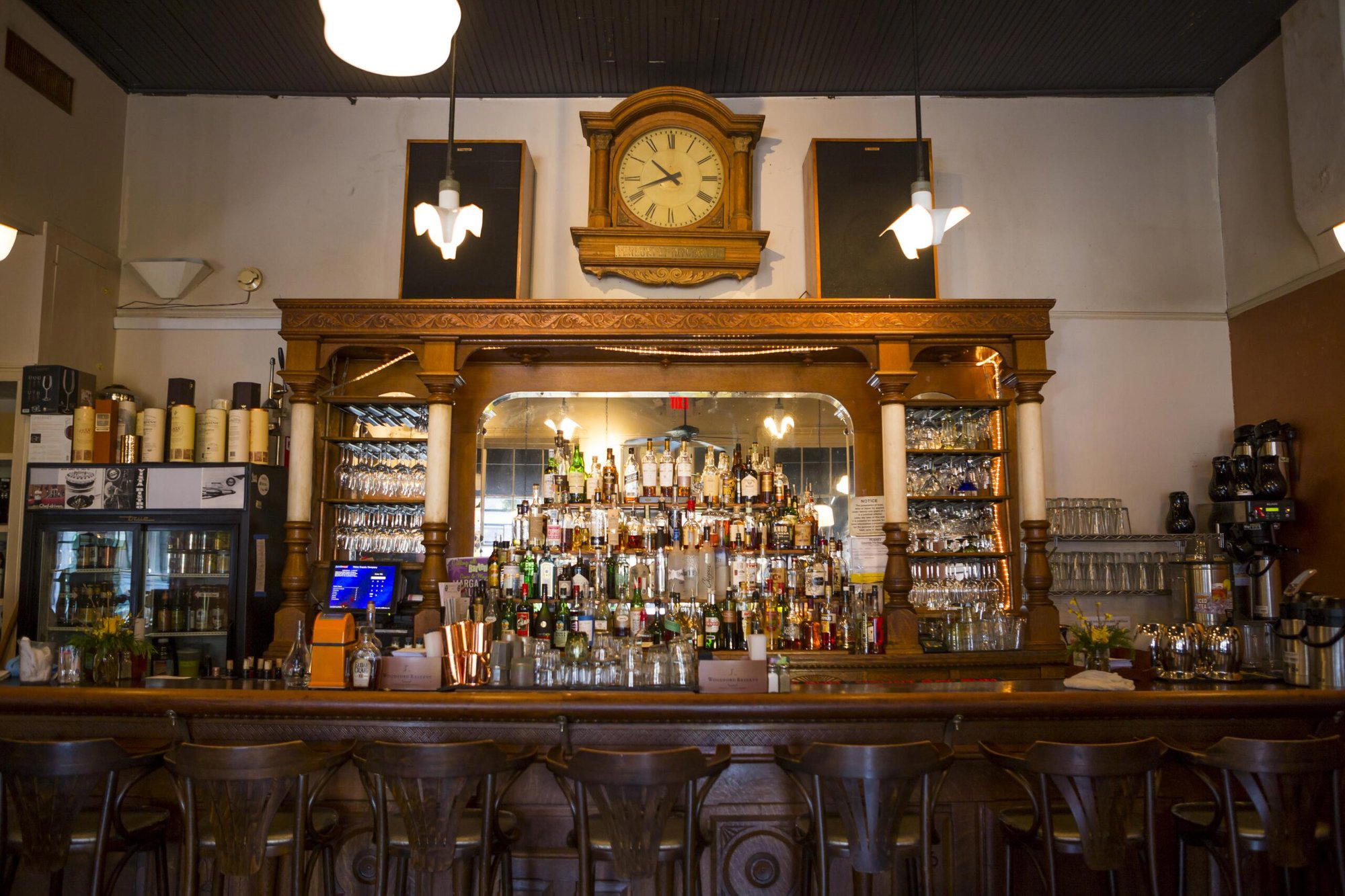
A Room That Earns Its Address
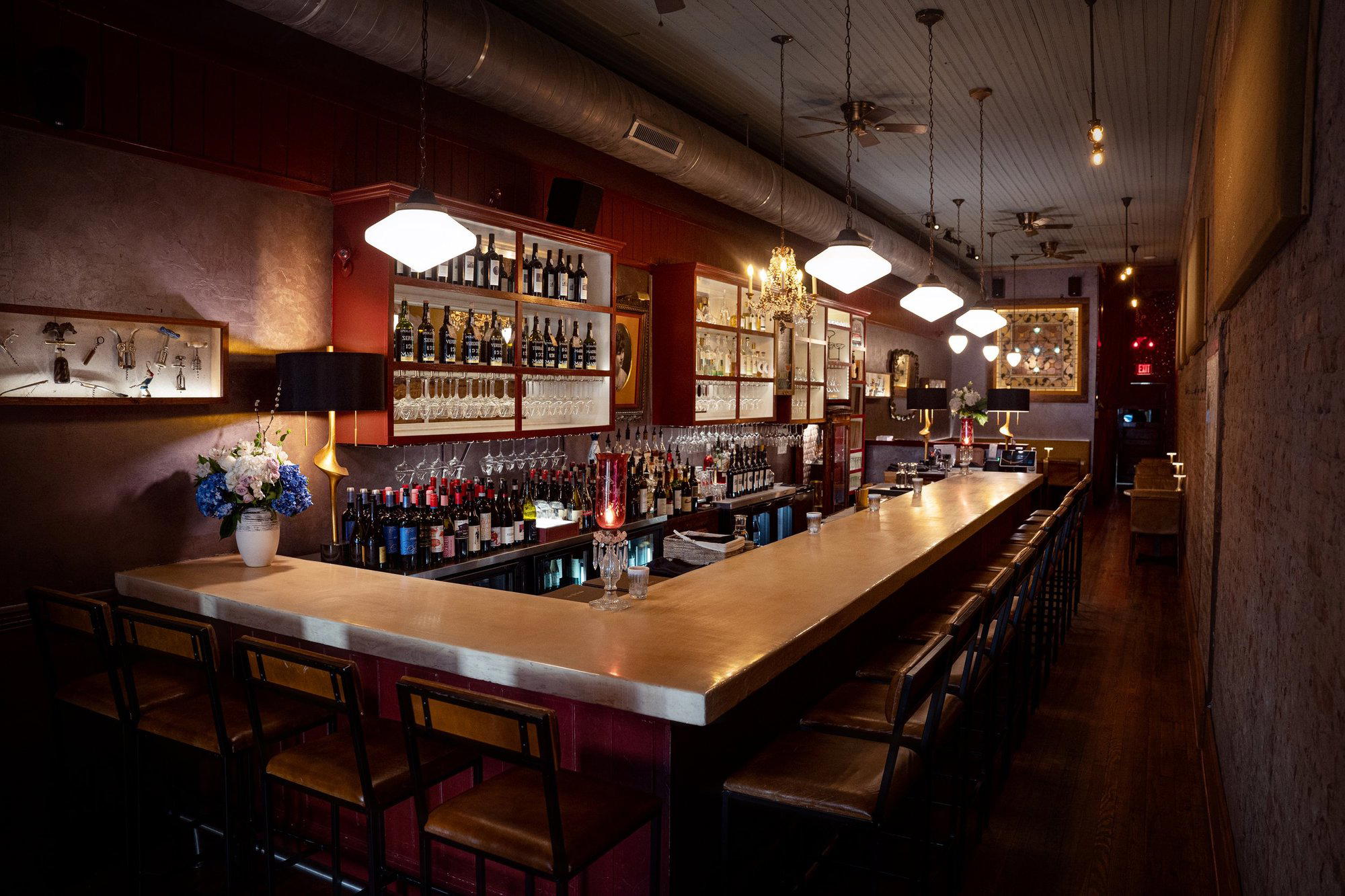
Gervais Street has functioned as Columbia's cultural spine for long enough that the addresses along it carry meaning beyond their numbers. The block running through the city's arts district has accumulated galleries, performance spaces, and the kind of restaurants that outlast administrations. Motor Supply Company Bistro sits at 920 Gervais St, occupying a building whose industrial past is visible in its bones: exposed brick, high ceilings, structural elements that a renovation could have erased but didn't. That restraint is a design decision, and it shapes the character of the room more than any decorator's intervention could.
In American cities of Columbia's scale, the dining room that commits to an honest industrial conversion occupies a distinct position. It is not the sleek hotel restaurant chasing a national aesthetic, and it is not the white-tablecloth room performing formality for its own sake. It sits in a middle register that requires more confidence to hold, because the room itself must do real work. At Motor Supply, the architecture carries enough presence that the space reads as a destination rather than a backdrop.
The Physical Container
What an industrial conversion does well, when it is done with discipline, is create layered visual depth without manufactured warmth. The exposed structural elements at Motor Supply provide that depth. Brick absorbs light differently at lunch and dinner, and a room with genuine texture changes character across a service rather than remaining inert. This is the argument for preservation over renovation, and it is an argument Motor Supply's space makes quietly but persistently.
Seating arrangements in rooms of this type tend to follow the geometry of the original structure: longer runs of tables along walls, open central space, bar positioned to anchor one end. That configuration creates distinct zones with different energy levels, which matters for a room that serves a mixed audience across different occasions. A table against the brick wall reads differently from a seat at the bar, and both read differently from a table in open floor space. This kind of spatial variety is harder to engineer in a purpose-built dining room and is one of the structural advantages a converted space carries.
For dining in Columbia more broadly, the Gervais Street corridor represents the most concentrated version of the city's serious restaurant culture. Venues like Barred Owl Butcher & Table and Baan Sawan Thai Bistro contribute to a district where the density of options rewards a full evening rather than a single stop. Motor Supply operates within that context, and its longevity on the street is its own form of credential.
Cooking Against a Fixed Room
The menu at Motor Supply rotates with enough frequency that returning guests encounter a different card across visits. In a market like Columbia, where many restaurants hold their menus static across seasons, that rotation signals a kitchen tracking availability rather than convenience. The practical consequence is that the cooking engages with what is actually good at a given moment rather than what is easiest to source consistently.
South Carolina's agricultural calendar is generous: the growing season runs long, the coast is close, and the state's culinary traditions give a kitchen permission to work with both. A rotating menu in this context is not a stylistic affectation but a practical response to a supplier network that changes across the year. It also means the bar program carries more weight on any given visit than it might at a venue where the food menu is the fixed anchor, because both sides of the menu are in motion.
Compared to other cities in the American South, Columbia's restaurant scene has historically punched below its weight relative to its university population and state capital status. The past decade has changed that gradually, with venues across a wider range of formats building the kind of programming that warrants attention from outside the state. Motor Supply is one of the longer-standing participants in that shift, which gives it a different position in the local conversation than newer arrivals.
The Bar Program in Context
Across American cities that have developed serious cocktail cultures, the most durable programs tend to be those attached to restaurants rather than standalone bars. The cross-subsidy of a full kitchen allows for ingredient investment and staffing depth that a bar operating alone cannot always sustain. This structural advantage is visible in the bar programs at places like Jewel of the South in New Orleans, Kumiko in Chicago, and Bar Leather Apron in Honolulu, all of which benefit from restaurant infrastructure even as their bar programs function as independent draws.
Motor Supply's bar operates within the same logic. The room positions the bar as a destination within the destination, which means guests arriving for drinks before a meal or staying after are not treated as an afterthought. In a city where standalone cocktail bars of serious ambition are limited, venues like Bierkeller Brewing Company and Booches serve different parts of the drinking audience, while Motor Supply occupies the tier where the cocktail list is expected to match the food menu in seriousness.
For comparison across other American markets, the restaurant bar format has produced some of the most technically accomplished programs in the country. Julep in Houston, ABV in San Francisco, and Superbueno in New York City each represent different approaches to the serious bar program within a restaurant context, and The Parlour in Frankfurt on the Main shows how the format translates internationally. Motor Supply belongs to this broader pattern of restaurants where the bar merits independent consideration.
Planning a Visit
Motor Supply Company Bistro is located at 920 Gervais St in Columbia's arts district, walkable from the Vista neighborhood and close to the State House. Given the rotating menu format and the room's reputation within Columbia's dining circuit, reservations are advisable for dinner service, particularly on weekend evenings when the Gervais corridor draws visitors from across the metro area. Guests using our full Columbia restaurants guide will find Motor Supply positioned as one of the anchor venues in any serious itinerary for the city.
The room works across multiple occasions: a full dinner in the main dining space, drinks at the bar before or after an event at one of the nearby galleries, or a longer meal that moves through multiple courses as the menu allows. The industrial space reads comfortably in both casual and more formal contexts, which extends its practical range beyond what a more rigidly styled room would permit.
Compact Comparison
Comparable options at a glance, pulled from our tracked venues.
Continue exploring
More in Columbia
Bars in Columbia
Browse all →
Restaurants in Columbia
Browse all →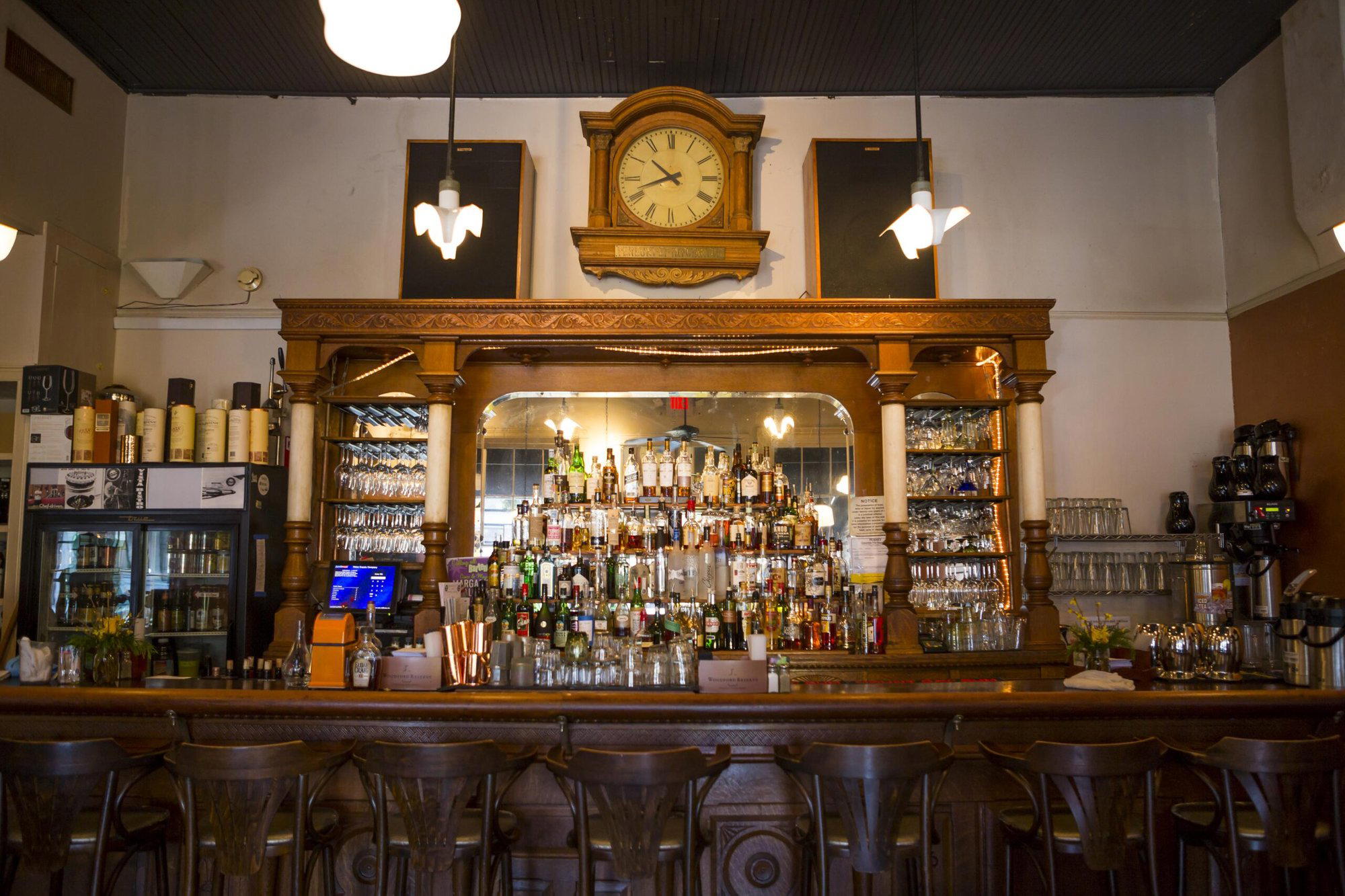
Hotels in Columbia
Browse all →
At a Glance
- Elegant
- Cozy
- Sophisticated
- Date Night
- Special Occasion
- Historic Building
- Seated Bar
- Booth Seating
- Craft Cocktails
Cozy historic building with warm lighting and classic bistro atmosphere.