City Limits Barbeque

City Limits Barbeque on Methodist Park Road in West Columbia occupies the kind of address that rewards the locals who know it. South Carolina barbecue carries a tradition rooted in whole-hog cooking and vinegar-mustard sauces that sets it apart from the rest of the American South, and this spot sits squarely within that regional lineage. It is a straightforward proposition: smoke, meat, and the sourcing decisions that quietly determine quality.
Pearl is the En Primeur Club membership app — saves, bookings, and concierge access live there. Same editors, same standards.
- Address
- 1119 Methodist Park Rd, West Columbia, SC 29170
- Phone
- +18032607469
- Website
- citylimitsq.com
- Directions
- Get directions
 Saves & bookings on Pearl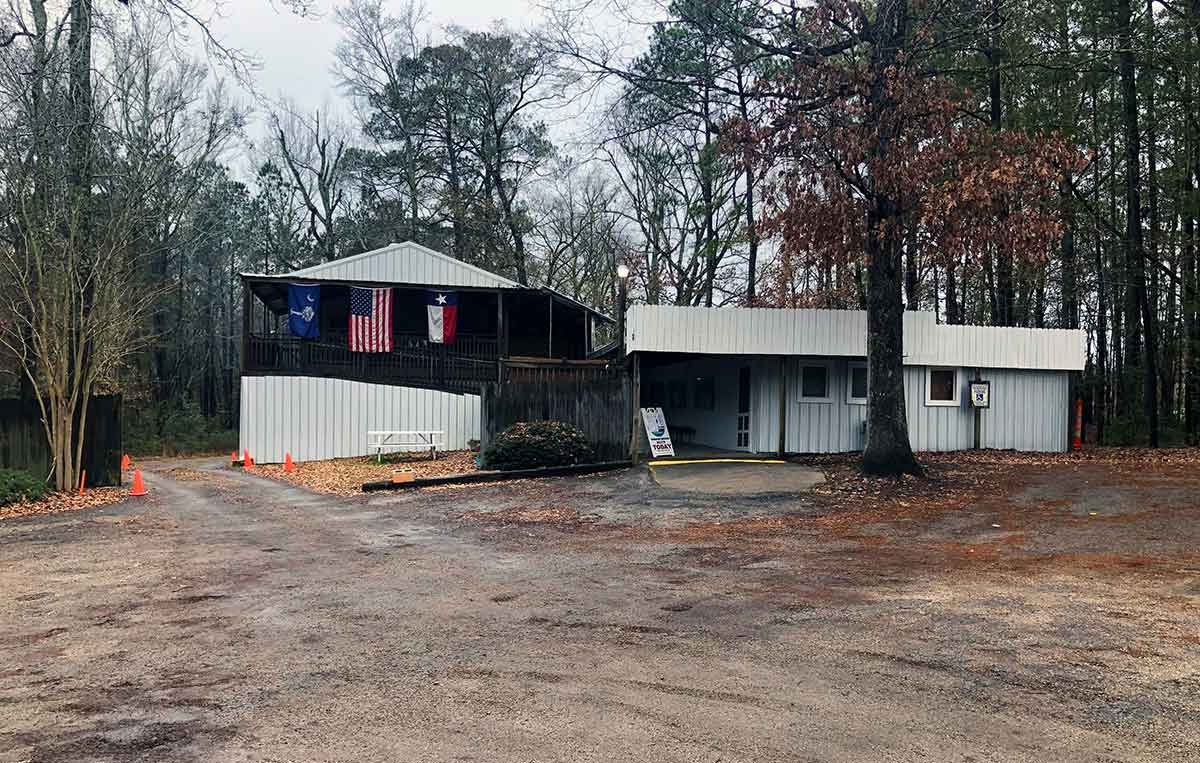
Smoke and Sourcing on the Midlands Margin
West Columbia sits across the Congaree River from the state capital, and its dining character has always been shaped more by working regularity than destination ambition. The strip along Methodist Park Road is not the kind of address that attracts food-media attention, which means City Limits Barbeque operates on the terms that define the better tier of American regional barbecue: consistency, sourcing, and the accumulated trust of a local crowd who returns because the product holds up. In South Carolina, that is a meaningful position to occupy.
South Carolina barbecue is its own regional dialect within a tradition that the rest of the country tends to flatten into a single genre. The Midlands — the belt of territory running through Columbia and its satellite cities — is the heartland of mustard-based sauce, a preparation that traces back to German immigrant settlement patterns in the eighteenth century and produces a result that reads tangier and sharper than the tomato-forward sauces that dominate national barbecue shorthand. Whole-hog cooking, low and slow over wood coals, remains the benchmark by which serious practitioners in this region are measured. That broader context matters when assessing any barbecue operation in West Columbia: the baseline expectation from a knowledgeable local audience is already high, and the competitive set is defined by tradition rather than trend.
The Sourcing Logic Behind Regional Smoke
In American barbecue at the serious end of the spectrum, sourcing is the editorial through-line that separates the production-line operations from the places worth seeking out. The choice of wood species determines smoke character: hickory reads differently from oak, pecan sits in another register entirely, and the distinction matters to anyone who has eaten their way across more than one barbecue state. Pork quality, breed, feed, raising conditions, shapes the fat-to-lean ratio that makes the difference between pulled pork that dries out under a heat lamp and shoulder meat that holds moisture for hours. These are not abstract concerns. They are the decisions that define a barbecue kitchen's quality ceiling, and they are made upstream, before any fire is lit.
South Carolina's position in the American pork economy is not incidental. The state has long-standing commercial hog farming infrastructure, and the Midlands in particular has access to regional supply chains that higher-volume national barbecue chains largely bypass. A locally operating pit house has practical advantages here that a franchise concept does not, including the ability to source from regional processors and adjust based on seasonal availability rather than a national purchasing contract. That structural advantage shows up on the plate when it is being used well. Venues at the premium sourcing end of the American dining spectrum, from Blue Hill at Stone Barns in Tarrytown to Single Thread Farm in Healdsburg, have built entire editorial identities around supply chain transparency. In barbecue, the same logic applies, even if the vocabulary is different.
Where City Limits Sits in the West Columbia Picture
West Columbia's restaurant scene is anchored by everyday reliability rather than tasting-menu ambition, which means the bars being cleared here are different from those at, say, Smyth in Chicago or Addison in San Diego. That is not a limitation, it is the correct frame. Regional barbecue operations are not competing with Le Bernardin in New York City or The French Laundry in Napa. They are competing with every other pit in the county, and the evaluation criteria are proportionally more granular: smoke ring depth, sauce acidity, the texture of the bark, whether the sides are made in-house or sourced from a commercial supplier. City Limits Barbeque at 1119 Methodist Park Road occupies a local-facing position in that competitive set, which is where South Carolina's barbecue tradition has always lived and where its credibility is built.
The address itself signals the audience. Methodist Park Road is not a tourist corridor. Visitors to Columbia's Main Street dining district would need to cross the river to reach it, which means the customer base skews toward West Columbia residents and the working lunch and early-dinner crowds that define the rhythm of Midlands barbecue culture. That demographic pressure tends to enforce quality discipline: a local crowd with options and strong regional taste memory does not forgive inconsistency for long. For context on how other Southern-rooted operations have translated regional credibility into broader recognition, Bacchanalia in Atlanta and Emeril's in New Orleans both built sustained reputations by staying anchored to regional identity rather than chasing national format trends. The principle applies at every price tier.
Planning a Visit
West Columbia is accessible from downtown Columbia via the Gervais Street Bridge or the Blossom Street Bridge, putting Methodist Park Road within a short drive of the state capital's hotel and business district. Barbecue operations in the Midlands traditionally run limited hours tied to the pit schedule rather than a conventional restaurant service window, and it is worth verifying current hours before making a specific trip, as availability depends on when the day's cook is complete. City Limits Barbeque does not publish a website or phone number in current directories, which places it in the informal-access tier common to smaller regional pit houses. Local knowledge and community platforms tend to be the most reliable source for current operating details. For a broader picture of what West Columbia's dining scene currently offers across categories, our full West Columbia restaurants guide maps the relevant options by neighborhood and type. Those looking to extend a South Carolina visit across the wider American barbecue and sourcing-focused dining circuit will find useful context in our coverage of The Wolf's Tailor in Denver, Frasca Food and Wine in Boulder, Lazy Bear in San Francisco, Providence in Los Angeles, ITAMAE in Miami, Oyster Oyster in Washington, D.C., The Inn at Little Washington, Atomix in New York City, and Atelier Moessmer Norbert Niederkofler in Brunico, all of which illustrate, in different registers, how sourcing decisions shape a dining proposition from the ground up.
How City Limits Barbeque West Columbia compares with similar nearby venues.
| Venue | Cuisine | Price | Awards |
|---|---|---|---|
| City Limits Barbeque | Not listed | Not listed | James Beard Award Semi Finalist (2025) |
| Di Vino Rosso | Italian | $$$ | Not listed |
| Motor Supply Company | American Contemporary | $$$ | Not listed |
Recognition history
Dated appearances from independent guides and award organizations, with the underlying list record or original source where available.
James Beard Award Semi Finalist
James Beard Award
Continue exploring
More in West Columbia
Restaurants in West Columbia
Browse all →
Bars in West Columbia
Browse all →
Hotels in West Columbia
Browse all →
At a Glance
- Rustic
- Cozy
- Family
- Casual Hangout
- Group Dining
- Open Kitchen
- Local Sourcing
Current opening hours
- Monday
- Closed
- Tuesday
- Closed
- Wednesday
- Closed
- Thursday
- Closed
- Friday
- Closed
- Saturday
- 11 AM–5 PM
- Sunday
- 12–3 PM
Hours can change for holidays and private events. Last verified .
Casual welcoming atmosphere in a rustic tin building with friendly service and focus on notable barbecue.
Know Before You Go
- Getting there
- 1119 Methodist Park Rd, West Columbia, SC 29170