Montezuma Café occupies a quiet address on Rue Notre Dame des Victoires in Paris's 2nd arrondissement, a street that sits between the Bourse district's formal commerce and the more relaxed café culture creeping up from the Grands Boulevards. The address places it inside one of Paris's more underexamined pockets for daytime drinking and eating, where the room and the hour matter as much as what's on the menu.
Pearl is the En Primeur Club membership app — saves, bookings, and concierge access live there. Same editors, same standards.
- Address
- 15 Rue Notre Dame des Victoires, 75002 Paris, France
- Phone
- +33 1 75 57 39 16
- Website
- montezumacafe.com
- Directions
- Get directions
 Saves & bookings on Pearl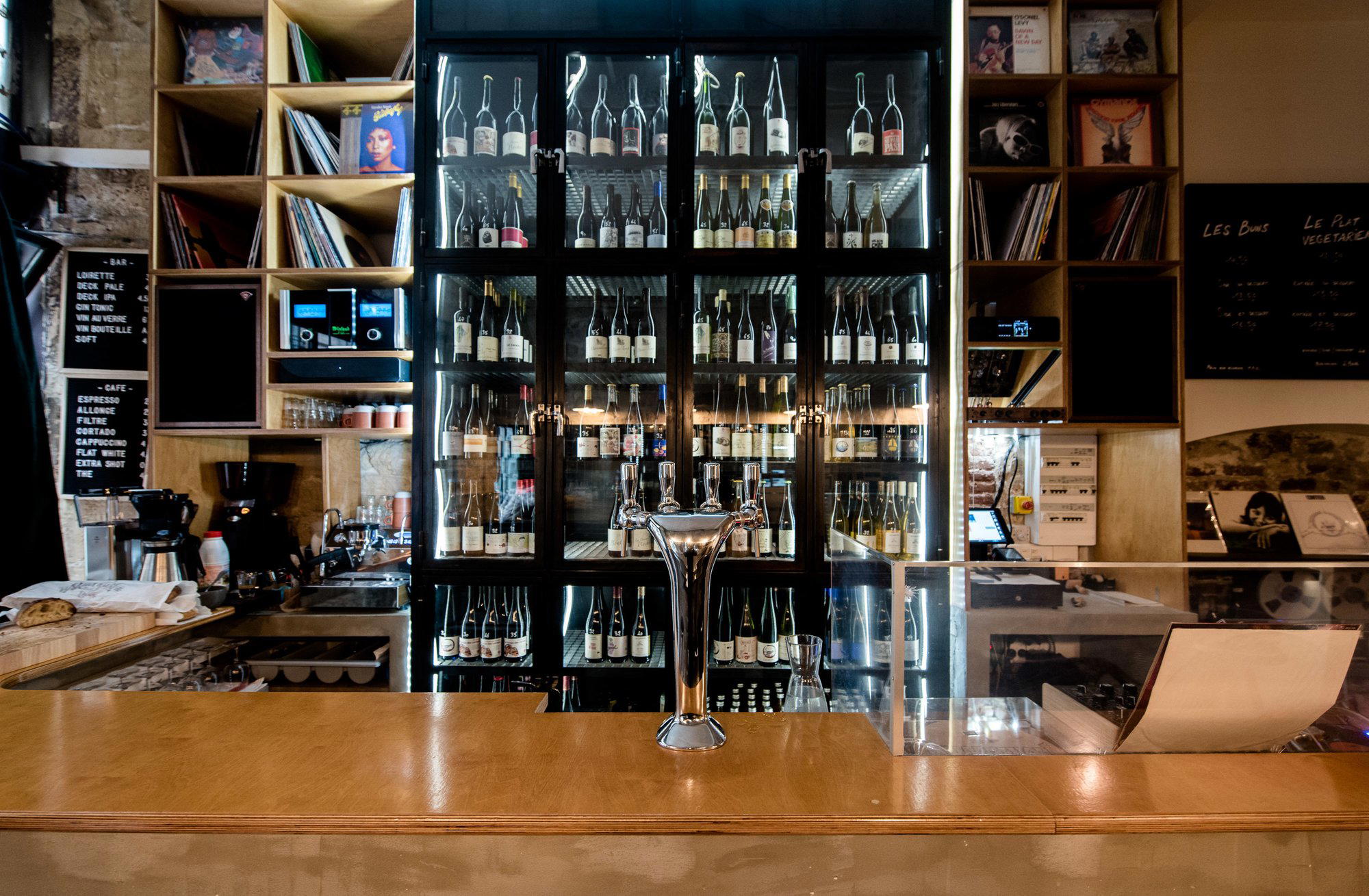
A Corner of the 2nd That Doesn't Announce Itself
Rue Notre Dame des Victoires is not a street that appears in many Paris dining itineraries, which is precisely what makes it worth understanding. The 2nd arrondissement has long operated in two registers: the formal, finance-adjacent world around the Bourse, and a quieter, more residential undercurrent that runs through streets like this one. Montezuma Café sits at that intersection, on an address that rewards those who move through the neighbourhood without a reservation algorithm telling them where to go.
In Paris, the café-bar category has undergone considerable pressure over the past decade. Rising rents in the Marais and Saint-Germain have pushed interesting new operators into less obvious postal codes. The 2nd has absorbed some of that displacement, and Rue Notre Dame des Victoires, with its combination of low foot traffic and genuine neighbourhood character, has become a plausible landing spot for exactly this kind of place. Montezuma Café is part of that broader migration, even if it doesn't frame itself in those terms.
The Room as the Argument
In a city where café interiors are often either aggressively renovated into Instagram surfaces or left entirely unreconstructed since 1987, the physical container of a café carries real editorial weight. The address at number 15 places Montezuma Café on a stretch where the building stock tends toward mid-century Haussmannian fabric, with ground-floor commercial units that retain some architectural integrity even when their tenants change. What a café does with that shell, how it layers seating, light, and material, determines whether it reads as a destination or simply a stop.
Paris's most successful smaller café-bar spaces tend to share a design logic: limited square footage used with enough discipline that the room feels considered rather than crammed. Counters positioned to allow both quick-service interaction and longer dwell time, natural light managed rather than avoided, and a seating arrangement that separates the standing-coffee crowd from those settling in for an hour or two. Whether Montezuma Café achieves that balance is something confirmed by spending time in the room, but the address and neighbourhood profile suggest a space built around the latter kind of visitor rather than the commuter trade.
For comparison, some of Paris's more cited bar and café spaces, including Danico in the 1st and Candelaria in the Marais, have demonstrated that the 2nd-tier-by-geography addresses can anchor a consistent audience when the room and the offer are well-matched. The 2nd arrondissement is still building that kind of inventory.
Drinking in the 2nd: What the Neighbourhood Asks For
The bar programme at any café on this kind of street faces a specific set of expectations. The Bourse crowd, when it does stop, tends toward the direct: a glass of wine, a Negroni, nothing requiring explanation. The more curious visitor, who has arrived on purpose rather than by proximity, is open to something with a point of view. Getting that balance right is the operating challenge for any café-bar in a transitional neighbourhood.
Paris's cocktail scene has moved considerably from the theatrical presentation formats that defined the early 2010s. Places like Bar Nouveau and Buddha Bar occupy a more spectacle-oriented register, while the directional shift across the city has been toward shorter menus, better sourcing, and less performance. A café-bar at a street address like Rue Notre Dame des Victoires fits more naturally into the latter mode: drinks that hold up without theatre, in a room that earns extended stays on its own terms.
French café drinking culture still anchors on wine more than cocktails, and in the 2nd, the wine list of any serious café should reflect at least some engagement with the Loire, Burgundy, and the natural wine producers whose bottles have become increasingly standard in Paris's neighbourhood bar scene over the past five years. That context is what the neighbourhood asks for, regardless of what any individual operator brings to the equation.
Situating Montezuma Café in a Wider French Picture
France's café-bar scene is more varied than Paris alone suggests. In the south, venues like Papa Doble in Montpellier anchor a different, more sun-oriented drinking rhythm. In Bordeaux, Bar Casa Bordeaux operates within a city where wine proximity shapes every drinks list. Coté vin in Toulouse and La Maison M. in Lyon both demonstrate how regional cities have developed their own distinct café-bar formats, less beholden to the Parisian template. Further afield, Au Brasseur in Strasbourg reflects the Alsatian habit of anchoring a drinks programme around beer rather than wine, while Le Café de la Fontaine in La Turbie shows what a café can become when it leans fully into its setting rather than its city context.
Montezuma Café, by virtue of its Paris address, is measured against a different and more crowded set of peers. That competition is also what gives a well-run café in this location its credibility: surviving and building an audience in the 2nd means something.
For those moving beyond France entirely, Bar Leather Apron in Honolulu represents a different end of the craft bar spectrum, useful context for understanding how far the format has travelled from its European origins.
Planning a Visit
Montezuma Café is at 15 Rue Notre Dame des Victoires in the 2nd arrondissement. The nearest Metro connections are Bourse on line 3 and Grands Boulevards on lines 8 and 9, both a short walk. The street itself is quiet relative to the surrounding area, which makes arriving on foot from the Palais Royal or the Sentier neighbourhood a reasonable approach. Our full Paris restaurants and bars guide covers the broader 2nd arrondissement context alongside the rest of the city.
Questions About Montezuma Café
- What should I drink at Montezuma Café?
- The café sits in a neighbourhood where wine-led programming is the baseline expectation, and the city's current trajectory toward natural wine and shorter, technically grounded cocktail menus sets the frame. The address in the 2nd puts it closer to the Bourse trade's more conservative palate than to the more experimental end of the Paris bar scene represented by places like Candelaria.
- What's the defining thing about Montezuma Café?
- The address is the primary fact: Rue Notre Dame des Victoires is not a street where cafés accumulate by accident. In a Paris bar market where the obvious arrondissements (the 11th, the Marais, Saint-Germain) absorb most of the attention, a café at this address in the 2nd represents a more deliberate choice of location, one that implies a specific audience in mind rather than footfall dependence.
- Is Montezuma Café a good option for a mid-afternoon stop between the Palais Royal and the Grands Boulevards?
- Geographically, yes: 15 Rue Notre Dame des Victoires sits in the corridor between those two points, making it a natural pause on a route that takes in the 1st and 2nd arrondissements. Mid-afternoon is also when this type of café-bar, away from the tourist density of the Marais or the commuter pressure of Saint-Lazare, tends to operate at its most accessible.
Budget Reality Check
| Venue | Price |
|---|---|
| Montezuma CaféThis venue — the venue you are viewing | This venue |
| Bar Nouveau | World's 50 Best |
| Buddha Bar | World's 50 Best |
| Candelaria | World's 50 Best |
| Danico | World's 50 Best |
| Harry's Bar | World's 50 Best |
Continue exploring
More in Paris
Bars in Paris
Browse all →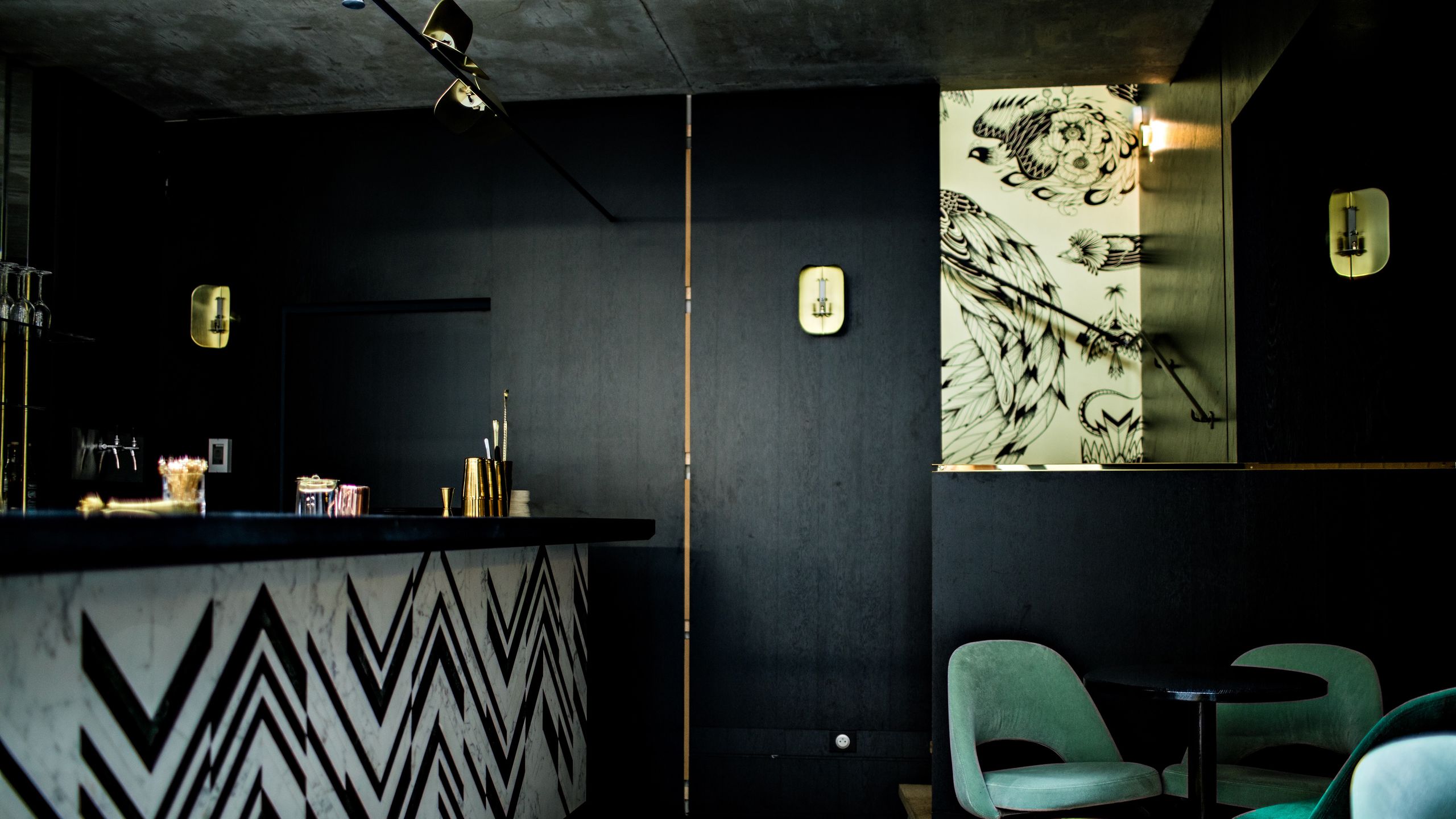
Restaurants in Paris
Browse all →
Hotels in Paris
Browse all →



At a Glance
- Intimate
- Cozy
- Trendy
- Date Night
- Casual Hangout
- Live Music
- Seated Bar
- Natural Wine
Current opening hours
- Monday
- Closed
- Tuesday
- 6 PM–12 AM
- Wednesday
- 6 PM–12 AM
- Thursday
- 6 PM–12 AM
- Friday
- 6 PM–12 AM
- Saturday
- 6 PM–12 AM
- Sunday
- Closed
Hours can change for holidays and private events. Last verified .
Cozy and charming with high-fidelity audio, great music, and a warm atmosphere.
Know Before You Go
- Getting there
- 15 Rue Notre Dame des Victoires, 75002 Paris, France