Mister Jiu's

Mister Jiu's sits on Waverly Place in the heart of San Francisco's Chinatown, earning a Pearl Recommended Bar distinction in 2025 and holding a 4.3 Google rating across more than 1,100 reviews. The bar program operates as a considered extension of the restaurant's broader proposition: Chinese-American culinary tradition interpreted through a precise, contemporary lens. It is one of the neighbourhood's more deliberately constructed drinking destinations.
 Discover on Pearl
Pearl is the En Primeur Club membership app — saves, bookings, and concierge access live there. Same editors, same standards.
Waverly Place and What It Asks of a Bar Program
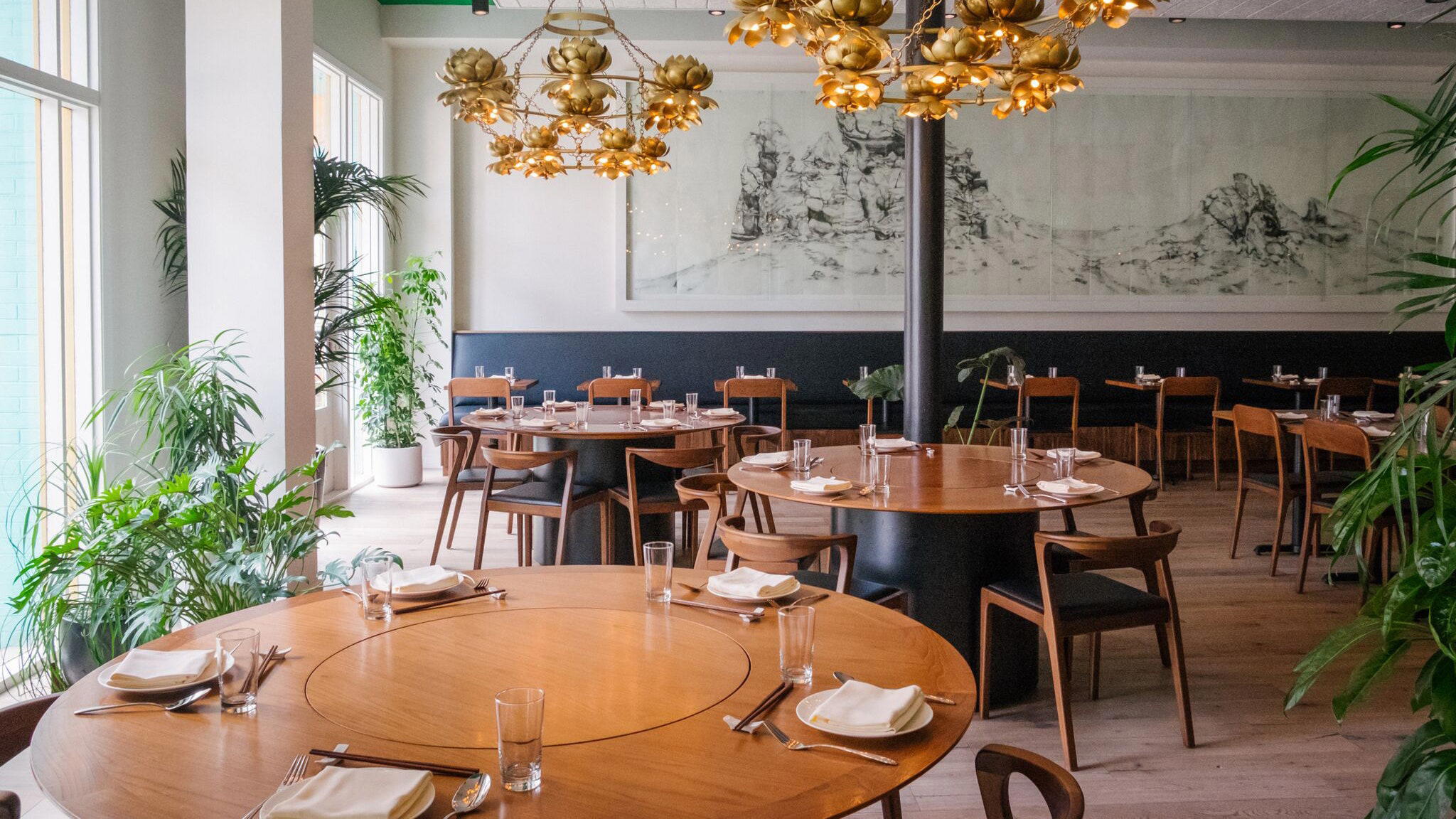
Waverly Place is one of Chinatown's quieter interior alleys, removed from the Grant Avenue tourist corridor and its souvenir shops. The street has a density of association — temples, painted balconies, a district history that runs deeper than most of the city's neighbourhoods — and any serious hospitality address on it is implicitly in conversation with that context. Mister Jiu's occupies a historic banquet hall space on that alley, and the bar program inherits the same obligation the kitchen does: to be legible as a response to place, not merely a presence in it.
San Francisco's cocktail scene has moved steadily away from the maximalist, rum-vault theatrics that defined an earlier wave of ambition , venues like Smuggler's Cove built serious reputations on depth of category and showmanship , toward programs that prioritise ingredient sourcing, technical restraint, and food integration. Mister Jiu's bar sits closer to the latter tendency. It earns its 2025 Pearl Recommended Bar distinction not through volume of offering but through coherence of concept.
How the Menu Is Built , and What It Signals
The editorial angle that matters most at Mister Jiu's is architectural: how a menu is structured tells you what a program believes about its guests and itself. Bars that lead with ingredient provenance, that build drinks around preserved citrus or aged spirits or fermented aromatics, are making an argument about complexity and patience. Bars that organise around flavour profiles or by spirit category are optimising for accessibility and turnover. The distinction is not moral , both approaches have produced excellent bars , but it is diagnostic.
Mister Jiu's bar program is structured to function as an extension of the kitchen rather than a parallel attraction. That integration is the defining architectural choice. In practice, it means the drinks programme draws on Chinese-American pantry references , fermented black bean, Sichuan peppercorn, preserved plum, aged rice wine , as building blocks rather than garnish. The result is a menu that rewards lateral reading: the person who has eaten through the kitchen's approach will find the drinks legible in a way that a visitor who simply sat at the bar might not.
This kind of tight kitchen-to-bar integration is relatively rare in San Francisco's current scene. ABV and Pacific Cocktail Haven both run programmes with genuine technical ambition, but they operate as standalone bar destinations rather than as complements to a specific culinary identity. Friends and Family pushes into ingredient-led territory from a different angle. Mister Jiu's occupies a narrower, more specific position: the bar exists in service of a cuisine argument, which is both its strength and its frame.
The 2025 Pearl Recognition , What the Award Category Implies
The Pearl Recommended Bar distinction for 2025 places Mister Jiu's inside a tier of programmes that are recognised for overall quality and coherence rather than for a single spectacular achievement. The Pearl framework, as applied to bar programmes, tends to reward consistency, integration with the wider venue, and a point of view that holds up across the full menu rather than peaking at one or two signature drinks. A 4.3 Google rating across 1,107 reviews reinforces that this is not a venue coasting on a single visit demographic , that volume of rating, at that average, suggests a broadly positive response across different types of guests and expectations.
For context, this kind of dual signal , trade recognition alongside sustained popular approval , is relatively uncommon. Many highly regarded cocktail programmes carry strong critical credentials but polarising public responses, because technical ambition and accessibility are not always aligned. Mister Jiu's appears to manage that tension more successfully than most.
The same tension plays out across American cities where bar programmes have positioned themselves at the intersection of a specific culinary heritage and cocktail craft. Kumiko in Chicago has built a similar case around Japanese influence and liqueur-forward structure. Jewel of the South in New Orleans situates its programme inside a historical culinary tradition. Superbueno in New York City operates through a Latin-American lens. Julep in Houston and Bar Leather Apron in Honolulu each anchor their programmes in specific regional or cultural references. Mister Jiu's belongs to this cohort: bars where the culinary context is not background colour but structural premise.
Chinatown Placement as Competitive Differentiation
San Francisco's Chinatown is the oldest in North America, and its hospitality scene has historically skewed toward affordable, high-volume, family-style formats. The neighbourhood has not produced many serious cocktail destinations, which means Mister Jiu's operates with limited direct local competition in its specific category. The nearest peer bars , ABV in the Mission, Pacific Cocktail Haven in SoMa, Friends and Family in the Tenderloin , are each a meaningful transit ride away, which shapes how the bar is used: it functions primarily as a full-evening destination attached to the restaurant rather than as a casual neighbourhood stop.
That placement also gives the programme a degree of freedom. It does not need to win a walk-in crowd or compete for the after-work drink market. It can price and programme for guests who have already committed to an evening in the space, which tends to allow more ambitious drink architecture than a bar that needs to convert the casually curious.
Internationally, bars that operate within similarly specific cultural positioning , Allegory in Washington, D.C. with its conceptual framework, The Parlour in Frankfurt on the Main with its European precision , demonstrate that this model can sustain serious recognition over time when the programme holds its editorial discipline.
What Mister Jiu's Is Famous For Drinking
Mister Jiu's bar is known for cocktails that apply Chinese-American pantry ingredients to classic cocktail structures: drinks that use preserved plum, Shaoxing wine, or Sichuan-inflected bitters as their organising principle rather than as novelty additions. The programme has received the most consistent attention for drinks that bridge the aperitif and digestif registers , low-ABV, ingredient-forward serves that function as genuine companions to a multi-course meal rather than standalone showpieces. That approach aligns with how the Pearl Recommended Bar distinction is typically awarded: for programmes where integration with a dining experience is the primary measure of success, not solo technical fireworks.
Know Before You Go
- Address: 28 Waverly Place, San Francisco, CA 94108
- Hours: Open from 17:03 (5:03 PM) until 22:00 , confirm current hours before visiting as restaurant hours can shift seasonally
- Awards: Pearl Recommended Bar (2025)
- Google Rating: 4.3 from 1,107 reviews
- Neighbourhood: Chinatown , Waverly Place alley, off Sacramento Street
- Booking: Booking method not confirmed in available data; check the venue's website or reservation platforms for current availability
- More SF bars and restaurants: Our full San Francisco restaurants guide
Accolades, Compared
A short peer set to help you calibrate price, style, and recognition.
| Venue | Awards | Cuisine | Notes |
|---|---|---|---|
| Mister Jiu's | This venue | ||
| ABV | World's 50 Best | ||
| Smuggler's Cove | World's 50 Best | ||
| Trick Dog | World's 50 Best | ||
| Bar at Hotel Kabuki | |||
| Evil Eye |
Continue exploring
More in San Francisco
Bars in San Francisco
Browse all →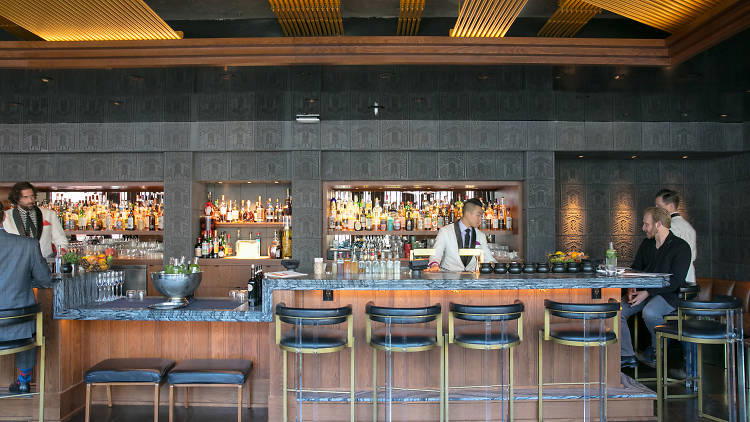
Restaurants in San Francisco
Browse all →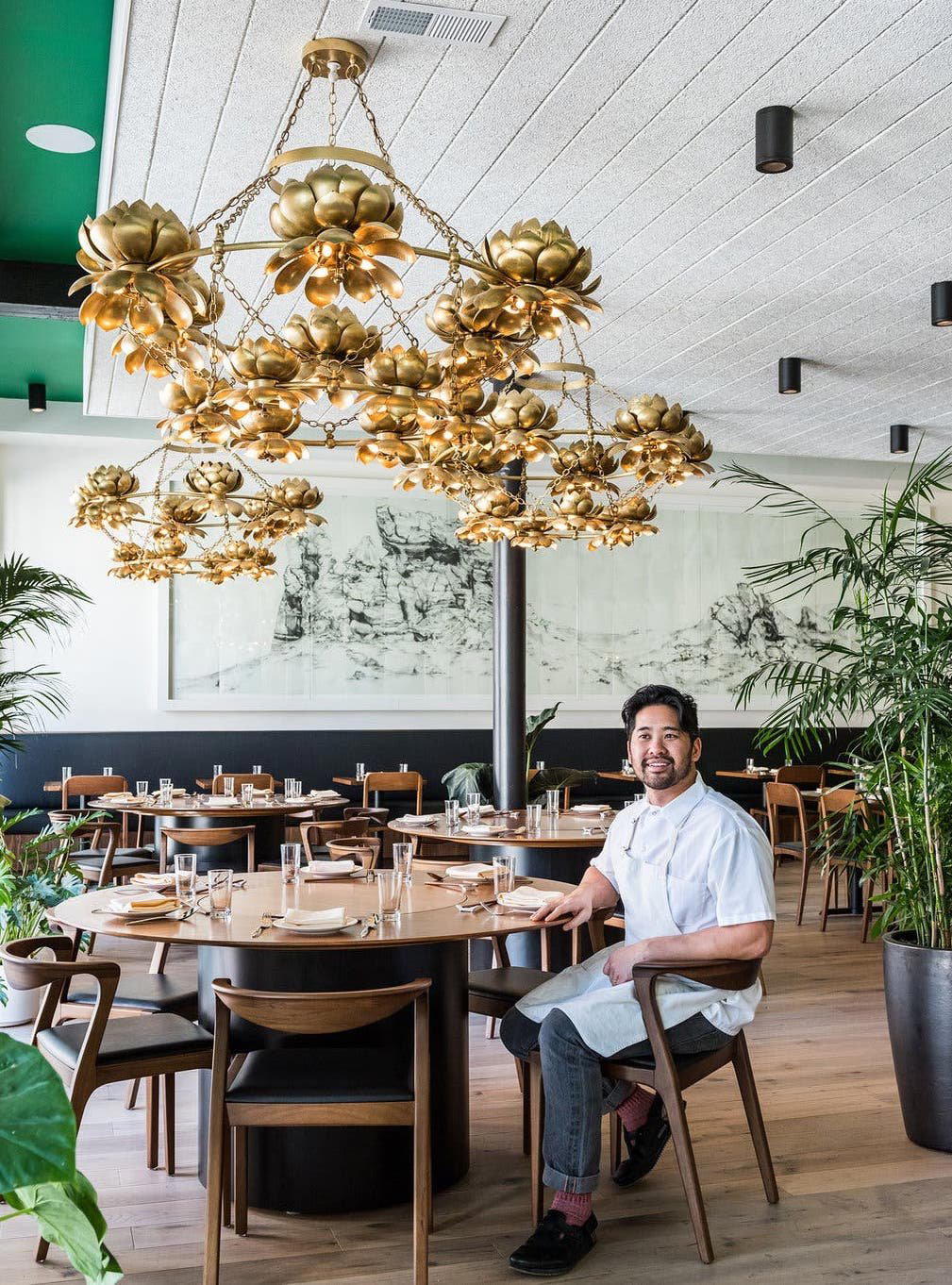
Hotels in San Francisco
Browse all →

At a Glance
- Elegant
- Sophisticated
- Modern
- Special Occasion
- Date Night
- Design Destination
- Seated Bar
- Craft Cocktails
- Street Scene
Sexy lighting with gold lotus chandeliers, open kitchen views, and high-up overlooks of glowing Chinatown lanterns creating an elegant and atmospheric setting.