Mercado Roma
Mercado Roma sits at the intersection of Mexico City's food-market tradition and its contemporary street-food ambition, drawing locals and visitors alike to Colonia Roma Norte. The multi-level market on Calle Querétaro functions as a curated cross-section of the capital's eating culture, from craft mezcal stalls to regional antojitos, making it one of the neighbourhood's most consistent reference points for the city's evolving food scene.
Pearl is the En Primeur Club membership app — saves, bookings, and concierge access live there. Same editors, same standards.
- Address
- C. Querétaro 225, Roma Nte., Cuauhtémoc, 06700 Ciudad de México, CDMX, Mexico
- Phone
- +52 55 5564 1396
- Website
- mercadoroma.com
- Directions
- Get directions
 Saves & bookings on Pearl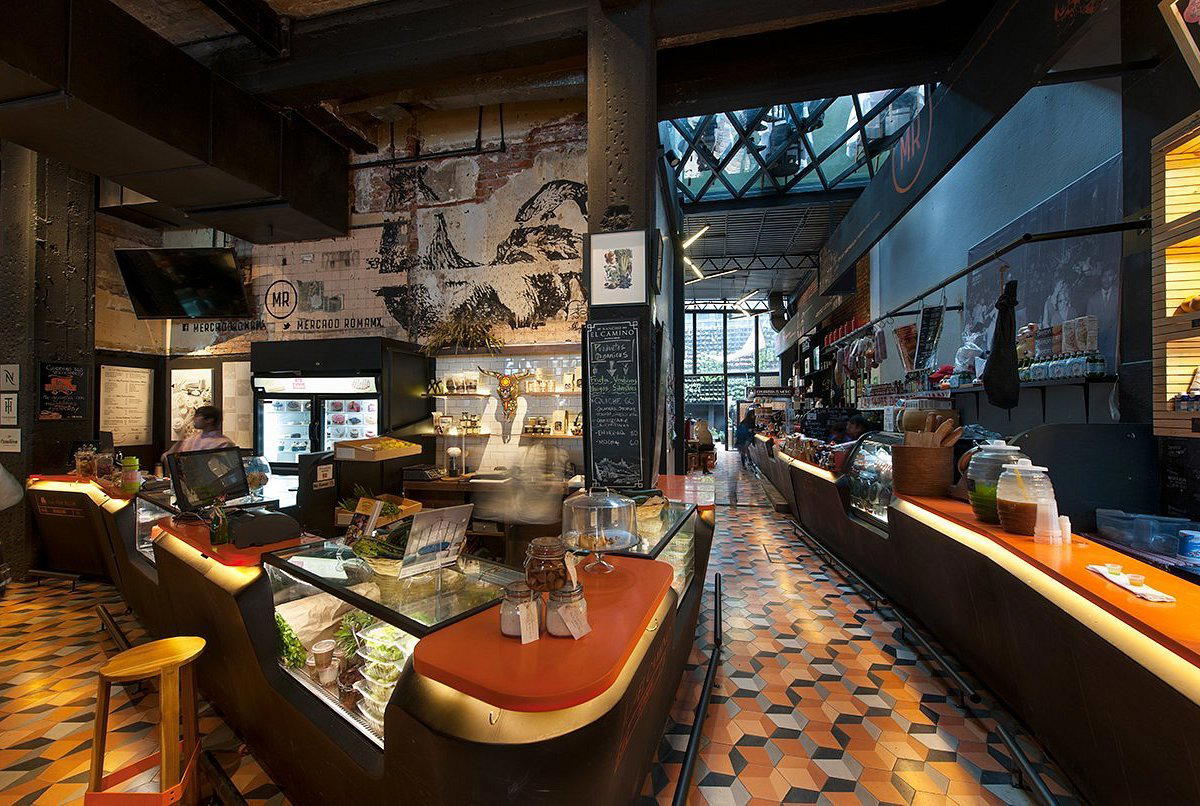
Where the Street Meets the Stall: Roma Norte's Market Culture
Colonia Roma Norte has spent the last decade consolidating its position as Mexico City's most food-forward residential neighbourhood. The streets around Álvaro Obregón and Querétaro host a concentration of independent restaurants, serious cocktail bars, and specialty coffee shops that collectively represent the capital's current dining ambition. Within that context, the food-market format occupies a specific niche: a space where the logic of the mercado — communal, vendor-led, eclectic — is repackaged for a demographic that also frequents places like Baltra Bar and Bar Mauro.
Mercado Roma, at Calle Querétaro 225, occupies that role in the neighbourhood. It is not a traditional tianguis or a government-managed mercado municipal. It is a privately curated food hall operating on the logic that quality control and vendor curation can coexist with the open, walk-around energy of a market. The building across multiple levels creates a physical rhythm: you move through it, you double back, you settle somewhere. That movement is part of the point.
The Atmosphere Before the Food
Approaching the building from Querétaro, the first signal is sonic. The open facade pulls street noise inward and mixes it with the sounds of a working kitchen at scale: the hiss of a plancha, orders called across narrow vendor counters, the ambient hum of a few hundred people eating simultaneously. Natural light from the upper levels filters down through the central atrium, giving the ground floor a warmth that closed malls and hotel food halls consistently fail to replicate.
The visual register shifts as you go higher. The rooftop functions as a bar and gathering space, with the open-air quality that makes late afternoon in Roma Norte feel different from the rest of the city. Mexico City's light at that hour, diffuse, warm, at an altitude of 2,240 metres, does specific things to a terrace. Vendors are arranged to encourage circulation rather than a single fixed seating position, which keeps the space feeling active across different hours and crowd densities.
For visitors building a day around the neighbourhood, the market functions as a useful anchor point. The Bijou Drinkery Room and Brujas are within the same neighbourhood radius, and the market's format means you can arrive without a fixed plan and still eat and drink well across a few hours.
What the Vendor Mix Reflects About the Capital
Mexico City's food culture is defined by its scale and its internal diversity. The capital draws from thirty-one states' worth of regional tradition, and the leading markets and food halls in the city attempt, in varying ways, to represent that breadth. The vendor selection at Mercado Roma leans toward the contemporary end of that spectrum: craft producers, small-batch mezcal and spirits, regional specialties reframed for an urban audience that is aware of provenance but not necessarily academic about it.
The mezcal presence is worth noting as a category signal. Across Mexico's serious bar scene, from El Gallo Altanero in Guadalajara to La Capilla in Tequila, the shift from tequila-default to agave-literate drinking has been one of the defining movements of the last decade. Markets like Mercado Roma have tracked that shift: mezcal stalls operate at a higher knowledge level than they did five years ago, and the customers arriving to buy are more likely to ask about region and producer than they once were. The same pattern is visible in coastal markets and food halls, from Arca in Tulum to craft-leaning venues in other cities.
Antojitos and regional snacks anchor the food offering. Tostadas, tlayudas, tacos in regional styles, and preparations that require a brief conversation with the vendor to understand: this is the format. The vendor-counter model means portion sizes are calibrated for grazing rather than a single seated meal, which suits the space's circulation logic.
Craft Drinks in a Market Context
One of the more interesting things Mercado Roma does is hold a credible drinks program within a market format. This is not a universal feature of food halls globally, where the bar component is often an afterthought. Here, the rooftop bar and dedicated drink vendors mean the space competes, at least partially, with the neighbourhood's standalone cocktail culture rather than simply coexisting alongside it.
For context on what that neighbourhood bar scene looks like at its most developed, Baltra Bar represents the more technically formal end of Roma Norte's cocktail offering. Mercado Roma's drink culture is less precise and more communal, which is appropriate for its format. The comparison is useful not to rank one above the other but to map how drink culture in a single neighbourhood can operate across very different formats and price points without cannibalising itself.
Mexico's craft drink movement has grown broad enough that it now operates in market stalls, beach clubs (Aruba Day Drink in Tijuana), destination bars in smaller cities (Bekeb in San Miguel de Allende), and resort contexts (Coco Bongo in Cancun represents a very different register of the same broad leisure-drinking category). Mercado Roma sits somewhere in the middle of that range: accessible and convivial rather than specialist.
Planning a Visit
Mercado Roma operates in Colonia Roma Norte, a neighbourhood that rewards arriving on foot or by metro. The Insurgentes metro station puts the market within a short walk, and the surrounding streets are dense enough with other stops, coffee shops, bookshops, the Parque México area, that a half-day in the neighbourhood makes sense. Weekends draw larger crowds, particularly through midday and early afternoon; weekday mornings are noticeably quieter and better for taking time at individual stalls. No reservation is required for market entry. Individual vendors operate on a walk-up basis. The rooftop can fill quickly on weekend afternoons, so arriving before 13:00 generally means easier access to terrace space. For the broader context of where Mercado Roma sits within Mexico City's eating culture, see our full Mexico City restaurants guide. The EP Club guide also maps the neighbourhood's cocktail bars, which pair logically with a market visit as part of a longer afternoon in Roma Norte.
Visitors coming from outside Mexico might use Mercado Roma as an orientation point: the vendor-counter format compresses a wide range of Mexico City's current food preoccupations into a single building, which is useful before committing to longer, more formal meals elsewhere in the city. Comparable internationally curated food-hall experiences, such as Bar Leather Apron in Honolulu's broader dining neighbourhood, tend to reward visitors who treat them as scene-setting rather than destination dining.
Questions About Mercado Roma
- What drink is Mercado Roma famous for?
- The market has become associated with mezcal and agave-based spirits more broadly, reflecting the shift in Mexico City's drinking culture away from generic tequila-bar formats toward producer-aware, regional agave consumption. Multiple stalls carry mezcals organised by region and producer, and the rooftop bar extends that agave focus in a more social setting.
- What makes Mercado Roma worth visiting?
- The market's value is primarily as a format: it compresses a wide cross-section of contemporary Mexico City food and drink culture into a single building in one of the capital's most food-active neighbourhoods. There is no entry charge, no required reservation, and the vendor-counter structure means a visit can last forty minutes or four hours depending on appetite and curiosity.
- Do I need a reservation for Mercado Roma?
- No reservation is required. The market operates on a walk-in basis, with individual vendors working from open counters. The rooftop can reach capacity on weekend afternoons, so earlier arrival gives you more choice of position and vendor access. Specific stall hours may vary, but the market as a whole is accessible without advance booking.
- How does Mercado Roma compare to Mexico City's traditional markets?
- Mercado Roma occupies a different position from the capital's historic mercados municipales like Mercado de San Juan or Mercado Jamaica. Where those markets developed organically over decades around wholesale and everyday community trade, Mercado Roma was conceived as a curated food hall for a contemporary urban audience, with vendor selection weighted toward craft producers and regional specialties repackaged for the Roma Norte demographic. The experience is less chaotic and more edited, which some visitors find helpful as an introduction to the city's food culture and others find less atmospheric than the older markets.
Reputation Context
A short peer table to compare basics side-by-side.
| Venue | Awards |
|---|---|
| Mercado RomaThis venue — the venue you are viewing | Not listed |
| Fifty Mils | World's 50 Best |
| Hanky Panky | World's 50 Best |
| Baltra Bar | World's 50 Best |
| Bar Mauro | World's 50 Best |
| Bijou Drinkery Room | World's 50 Best |
Continue exploring
More in Mexico City
Bars in Mexico City
Browse all →
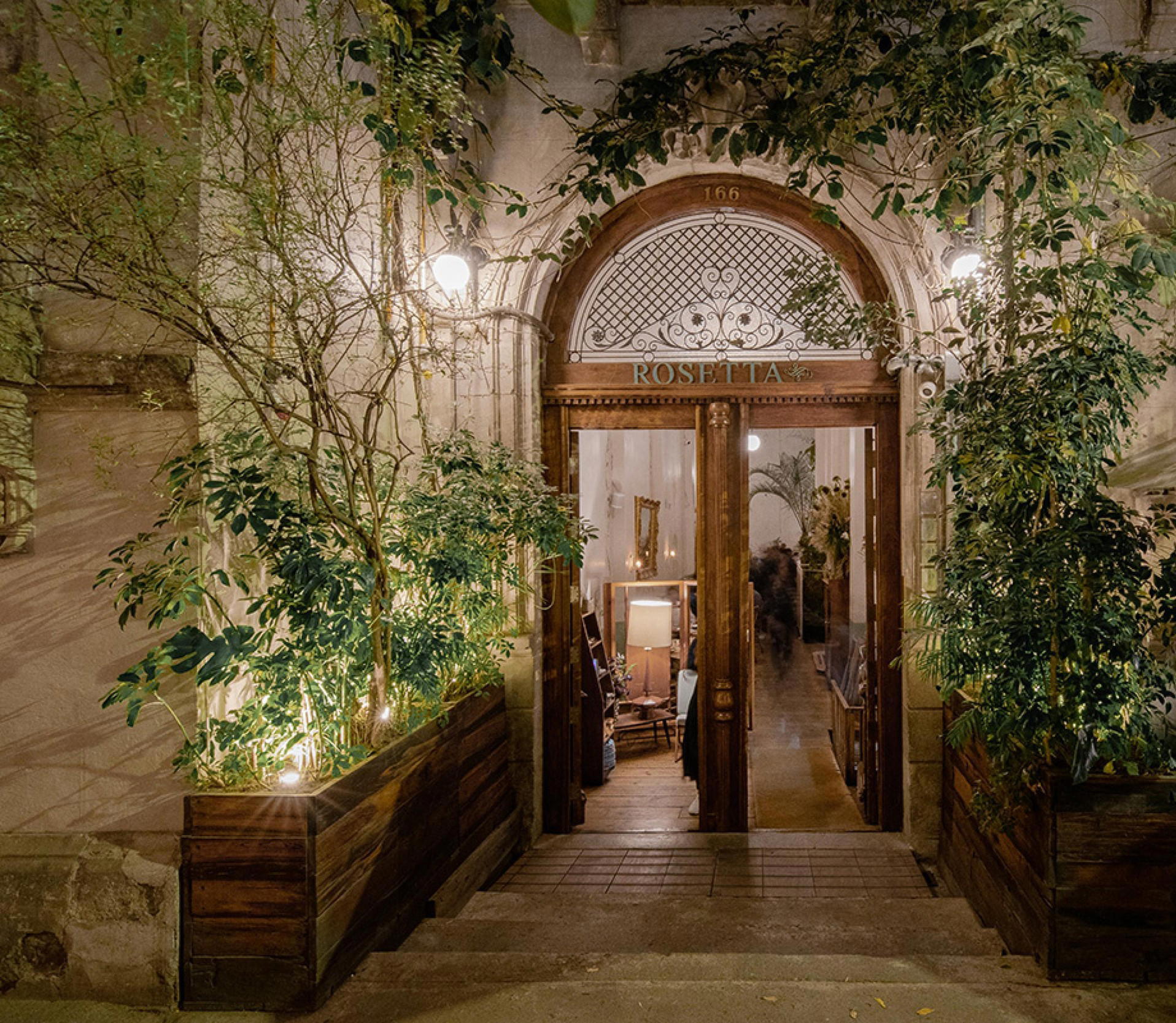
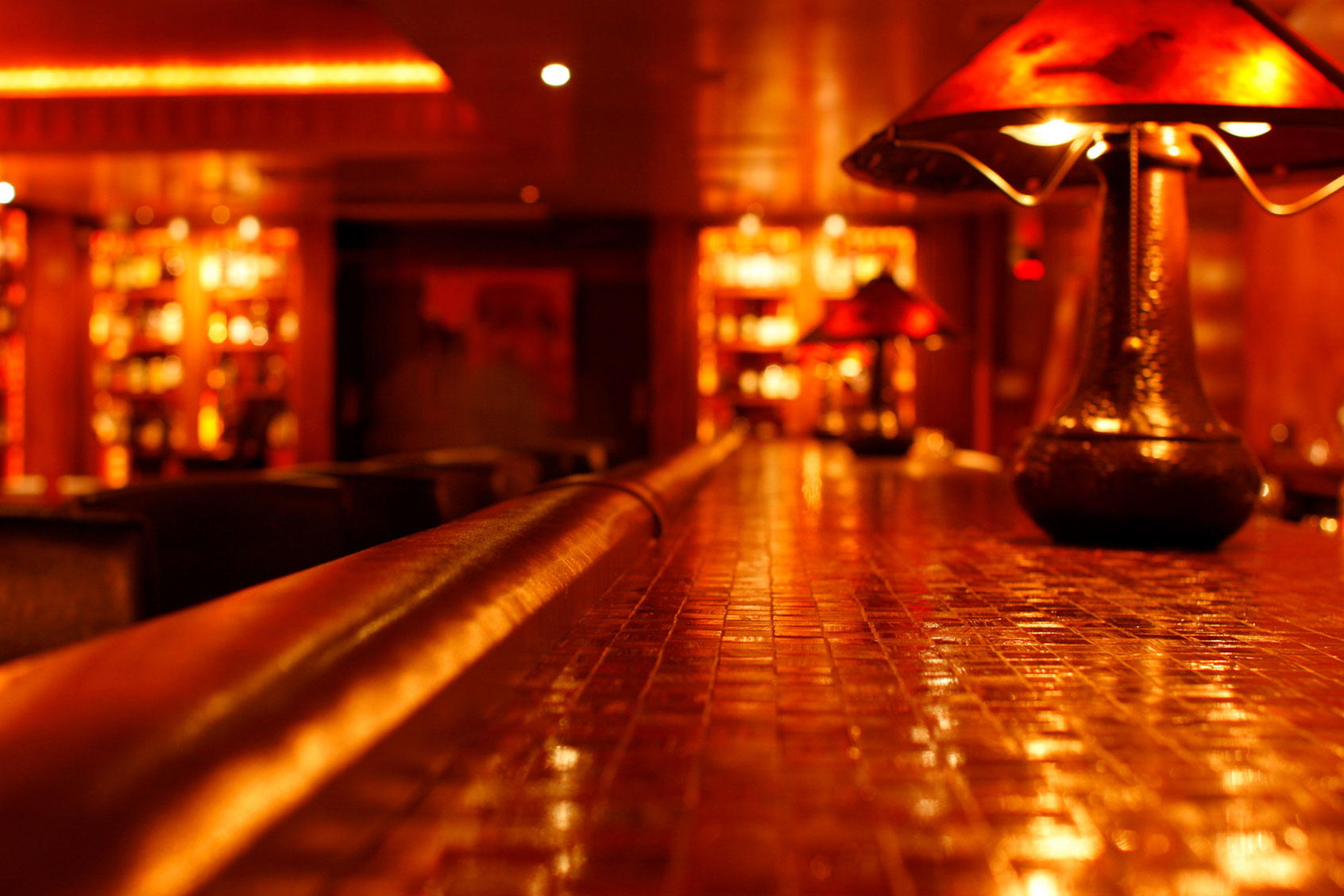
Restaurants in Mexico City
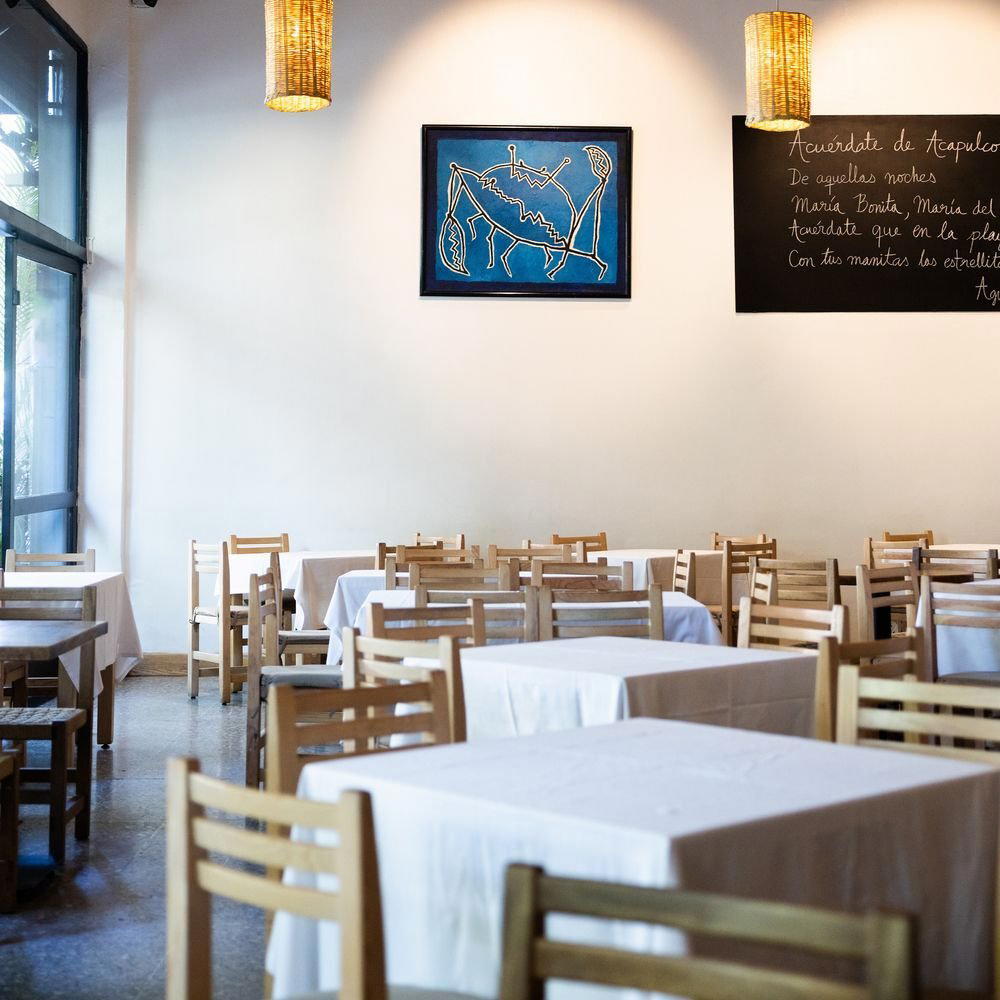
Browse all →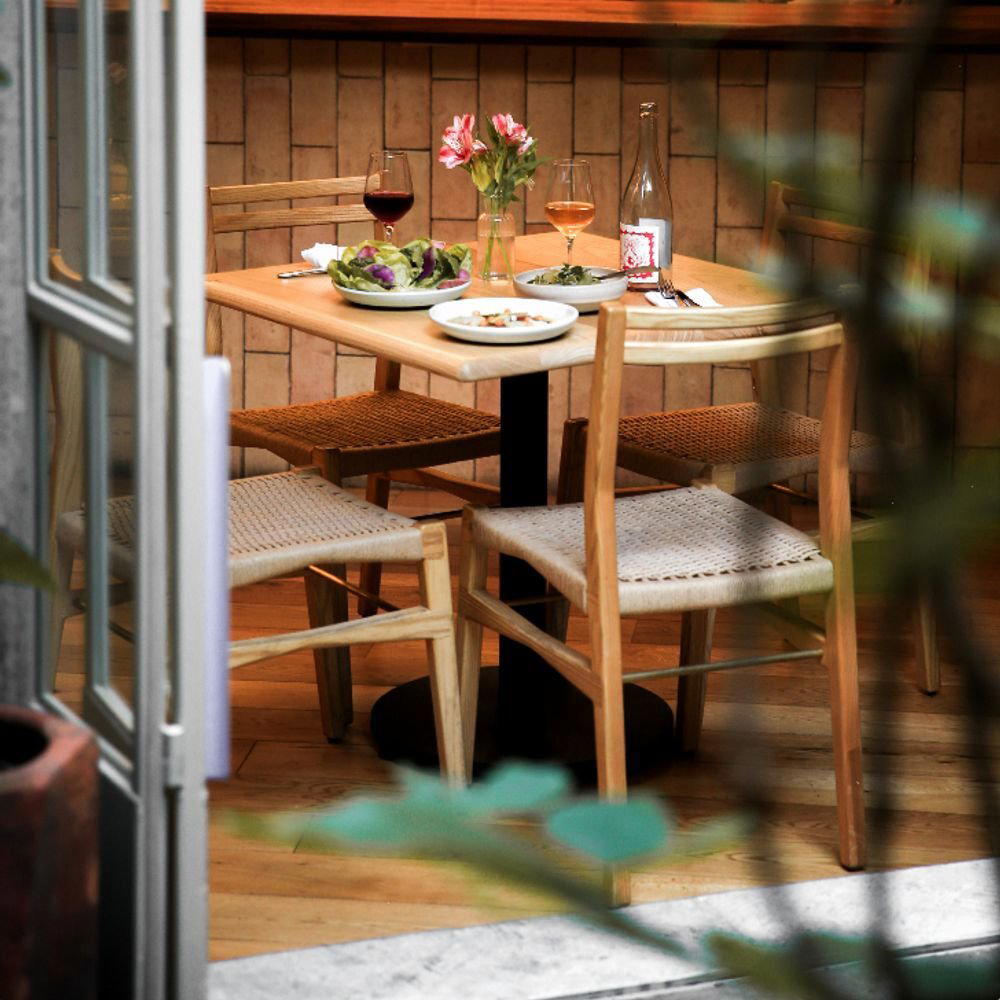
At a Glance
- Trendy
- Lively
- Modern
- Group Outing
- Casual Hangout
- Beer Garden
- Courtyard
- Communal Tables
- Outdoor Terrace
- Craft Beer
Current opening hours
- Monday
- 12–10:30 PM
- Tuesday
- 12–10:30 PM
- Wednesday
- 10 AM–10:30 PM
- Thursday
- 10 AM–12 AM
- Friday
- 10 AM–1:30 AM
- Saturday
- 10 AM–1:30 AM
- Sunday
- 10 AM–7:30 PM
Hours can change for holidays and private events. Last verified .
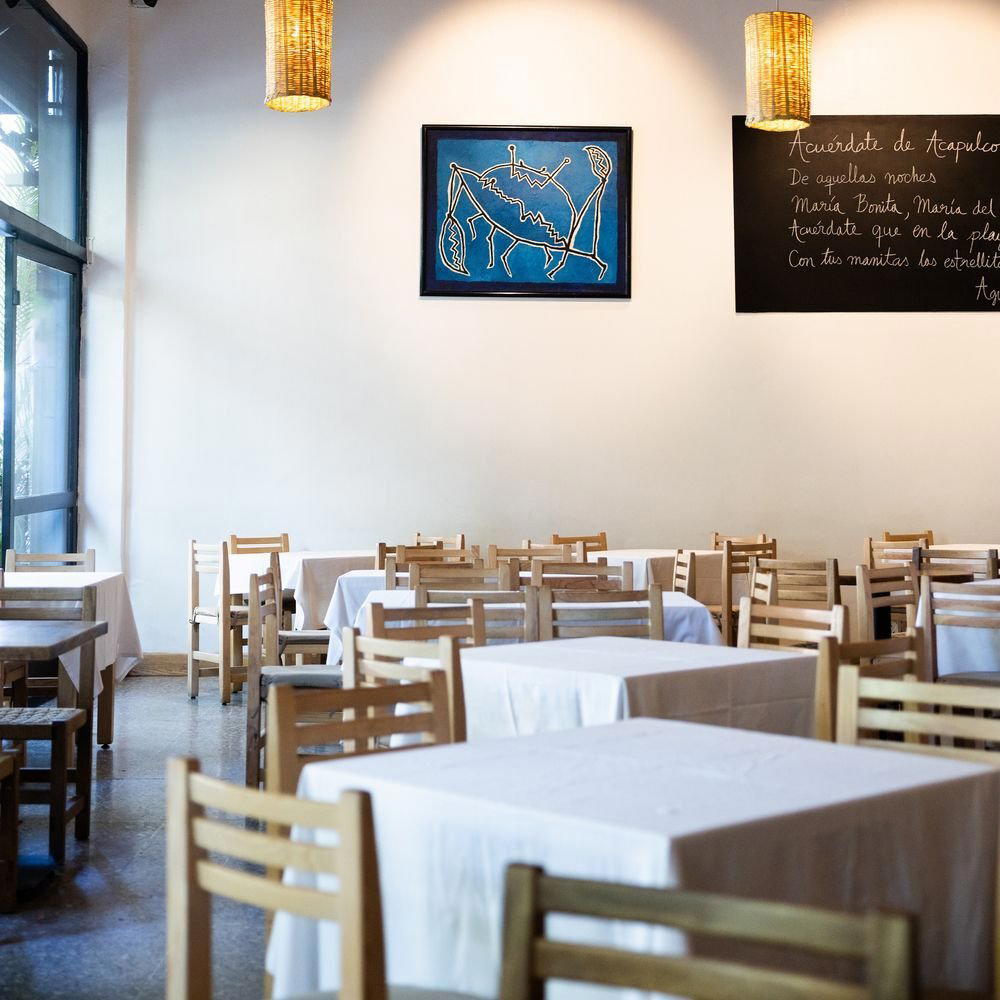
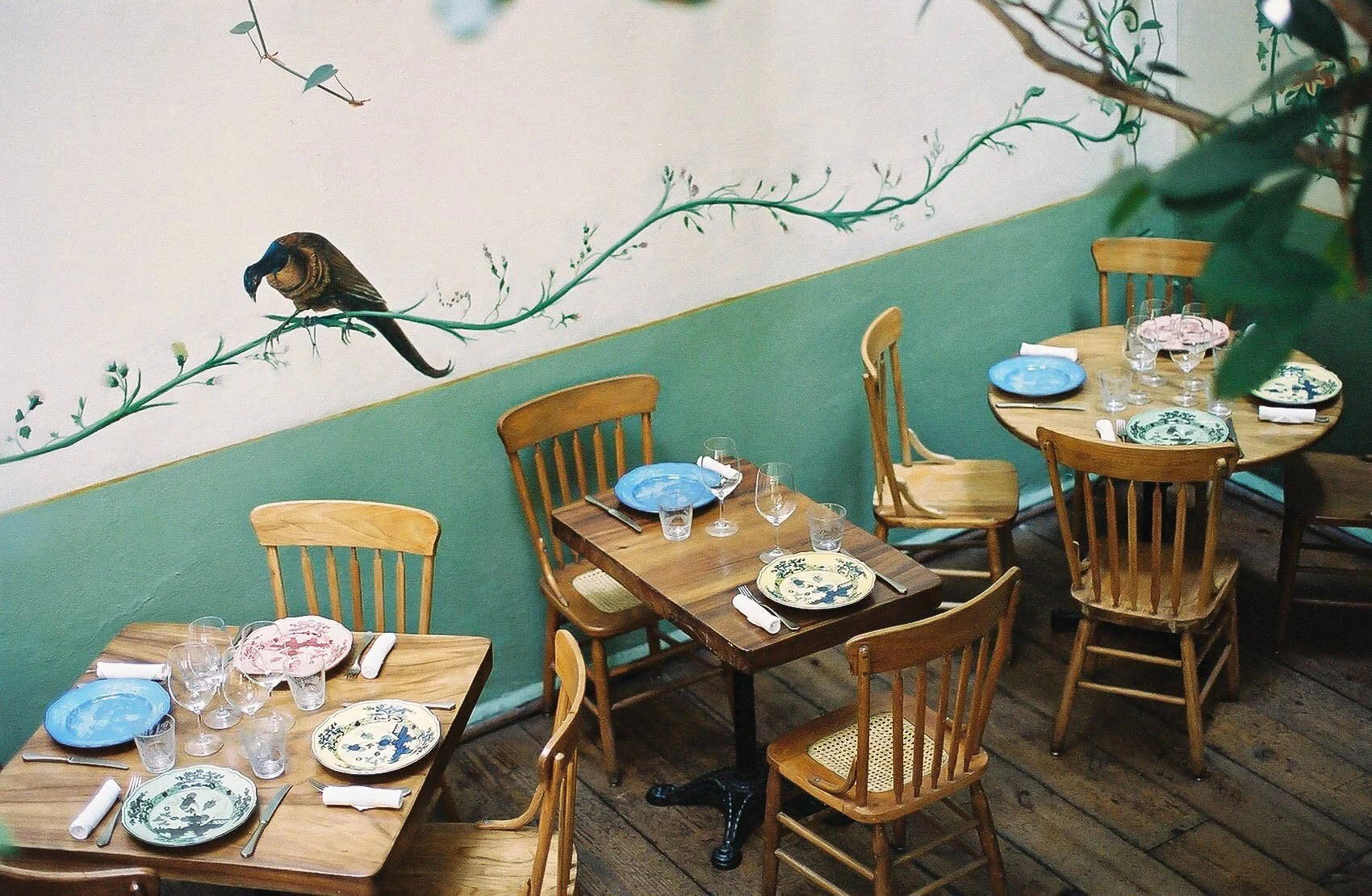
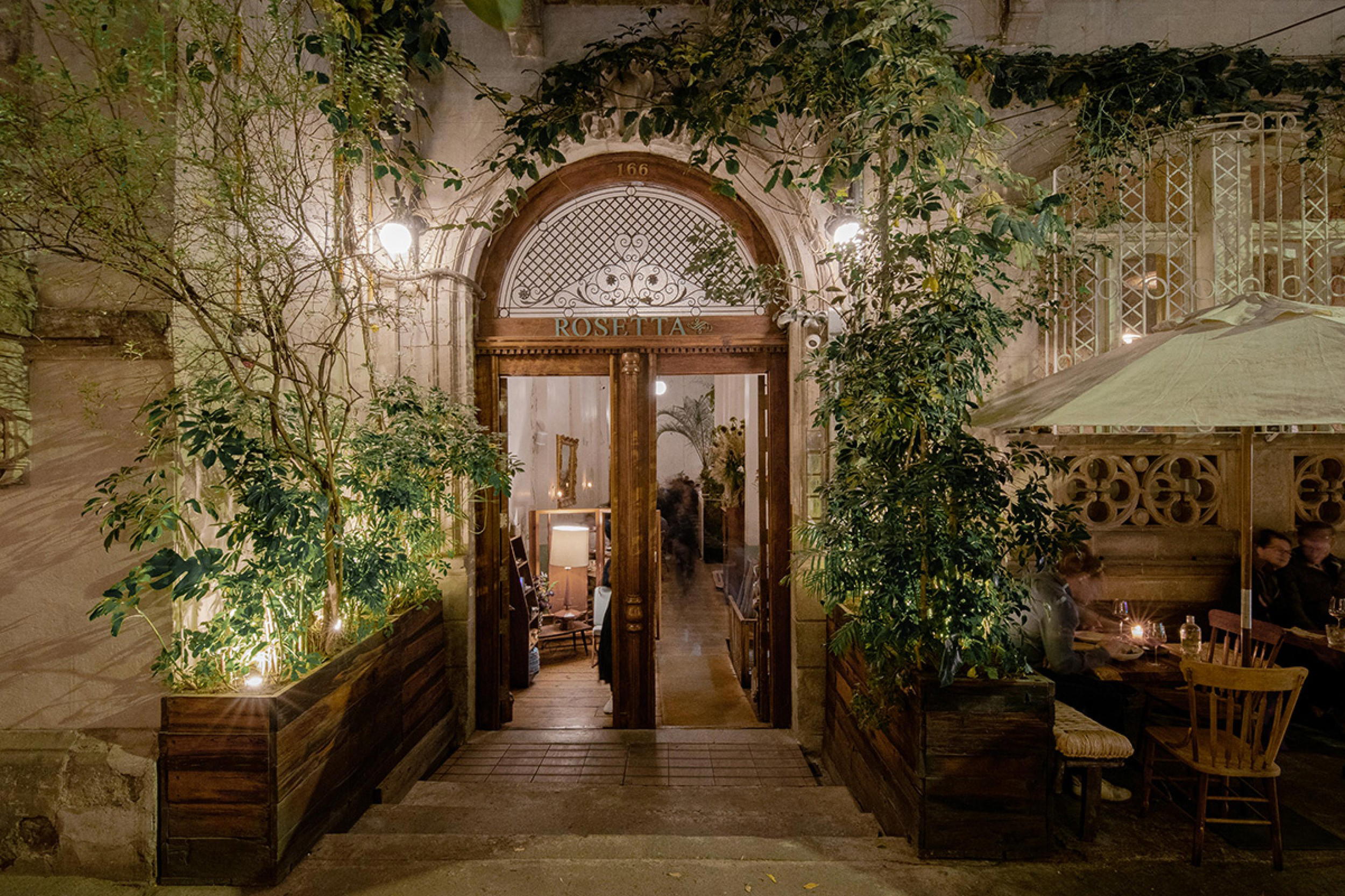
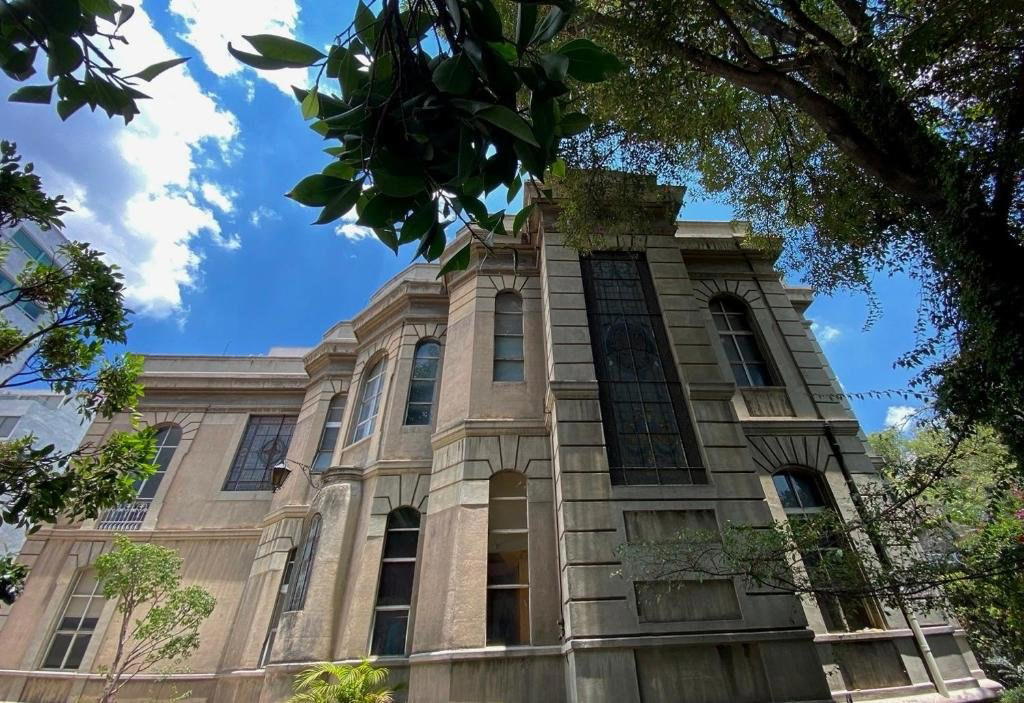
Trendy and lively atmosphere with communal picnic tables, rooftop garden seating, and lively energy from food stalls and occasional DJs or salsa nights.
Know Before You Go
- Getting there
- C. Querétaro 225, Roma Nte., Cuauhtémoc, 06700 Ciudad de México, CDMX, Mexico