Menya Goku
A Ravenswood ramen counter on West Montrose Avenue, Menya Goku draws a loyal neighborhood crowd to Chicago's North Side. The bowl-focused format fits the local rhythm of an area that treats its restaurant regulars well, and the address places it firmly in the community-first tier of Chicago's ramen scene rather than the downtown spotlight.
Pearl is the En Primeur Club membership app — saves, bookings, and concierge access live there. Same editors, same standards.
- Address
- 2207 W Montrose Ave, Chicago, IL 60618, USA
- Phone
- +1 773 942 6701
- Website
- menyagoku.com
- Directions
- Get directions
 Saves & bookings on Pearl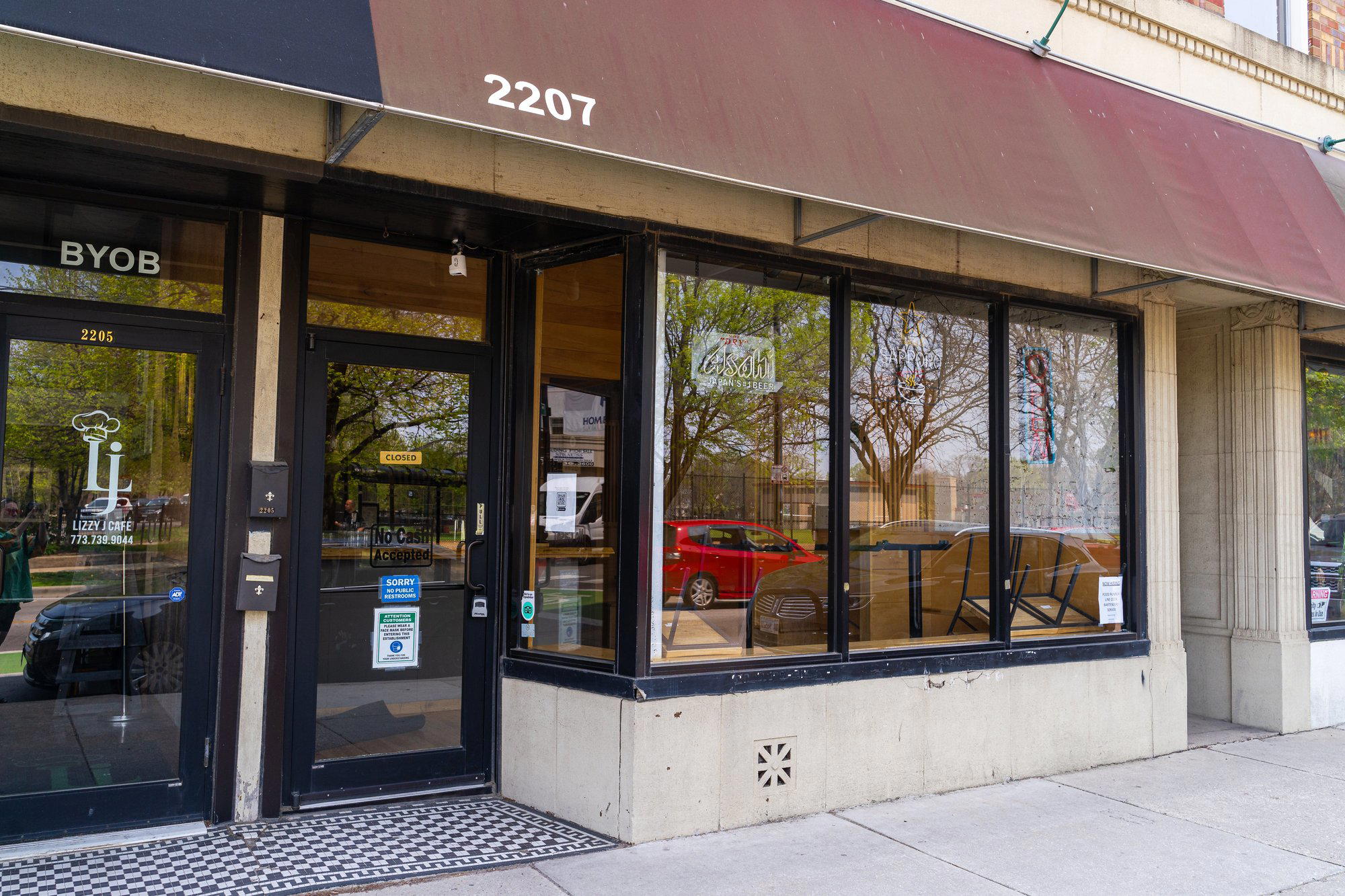
Ramen on Montrose: How a North Side Counter Became a Neighbourhood Fixture
West Montrose Avenue in Ravenswood doesn't carry the name recognition of Fulton Market or the West Loop's restaurant row, but it has something that corridor has largely traded away: regulars. The stretch running through the 60618 zip code is the kind of Chicago street where restaurant staff know your order by the third visit, where weekend lunch crowds are more likely to include families from the next block than visitors from out of town, and where a ramen counter can build a following entirely on word-of-mouth rather than press cycles. Menya Goku, at 2207 W Montrose Ave, sits squarely inside that dynamic.
Chicago's ramen scene has expanded considerably over the past decade, splitting broadly into two tiers. The first is the downtown-adjacent, press-facing tier, drawing on the same diners who track cocktail bars like Kumiko or Leading Intentions. The second is the neighbourhood-embedded tier, where proximity and consistency matter more than column inches. Menya Goku operates in the second tier, and that positioning is a feature rather than a limitation. It answers to a different, arguably more demanding, audience: locals who return weekly and have zero patience for a drop in quality.
The Ravenswood Setting
Ravenswood is a residential corridor on Chicago's North Side that has absorbed a steady influx of independent food and drink over the past several years without losing the low-key character that makes it livable. Unlike Logan Square, which absorbed so much national attention that its restaurant scene now mirrors downtown ambitions, Ravenswood has remained functionally a neighbourhood. The commercial strips along Montrose and Lawrence serve the people who actually live within walking distance, and that shapes everything from portion sizes to price points to how staff interact with the room.
The result is a specific kind of dining energy that's harder to manufacture than it looks. Bars like Bisous and Lemon have carved out similar community-anchored positions elsewhere on the North Side, and they share something with Menya Goku: they are not primarily trying to attract people from other neighbourhoods. That selectivity, even when unintentional, tends to produce a more consistent experience for the people who do make the trip.
What the Bowl Format Signals
Ramen, as a dining category in the United States, has undergone a significant format evolution since the early 2010s. The first wave was largely about introducing the form itself: broth styles, noodle textures, tare construction. The second wave, which Chicago participated in as much as any American city, was about refinement and competition, with tonkotsu and shoyu counters benchmarking themselves against each other on richness, clarity, and sourcing. The current phase is quieter and, in many ways, more interesting: counters that have absorbed the format's technical requirements and now focus on serving a specific local audience rather than making a category statement.
A neighbourhood ramen counter operating in this phase is doing something specific. It's not trying to be the reference point for the form in its city. It's trying to be the bowl that the person three streets away chooses without overthinking it. That's a different kind of reputation to build, and it requires consistent execution over time rather than a splashy opening. The comparison here isn't to the grand-format cocktail programs at Bar Leather Apron in Honolulu or Allegory in Washington, D.C., but to the community-anchored model that places like Jewel of the South in New Orleans and Julep in Houston have demonstrated in their own categories: building loyalty through repetition and reliability rather than spectacle.
Chicago's North Side Ramen Ecosystem
Within Chicago's broader ramen geography, the North Side has historically been underserved relative to the concentration of venues in River North, the West Loop, and Wicker Park. That gap has been closing, and counters like Menya Goku are part of the reason why. The logic mirrors what happened in San Francisco's outer neighbourhoods, where spots like ABV helped establish that serious hospitality doesn't require a central-district address, and what's playing out in cities like Frankfurt, where The Parlour demonstrates a similar off-centre positioning. In Chicago, the pattern holds: some of the most consistent food experiences are in residential corridors where the pressure to perform for tourists or critics is lower and the pressure to satisfy the same faces week after week is considerably higher.
For visitors exploring the city's food culture beyond the standard circuit, the North Side residential strips offer a more accurate picture of how Chicagoans actually eat. The full Chicago restaurants guide maps that broader landscape, but the short version is that the city's food identity extends well past the downtown-adjacent clusters, and Ravenswood is one of the cleaner examples of where independent, neighbourhood-first dining operates without the fanfare. Platforms like Superbueno in New York City show how neighbourhood-embedded venues can carry real depth alongside their accessibility, and that model translates directly to what Montrose Avenue's leading counters are doing.
Know Before You Go
| Address | 2207 W Montrose Ave, Chicago, IL 60618 |
|---|---|
| Neighbourhood | Ravenswood, North Side |
| Reservations | |
| Hours | Not listed — verify before visiting |
| Price range | Not listed, consistent with neighbourhood ramen tier |
| Getting there | Accessible via the Brown Line; Montrose station is the closest CTA stop |
At a Glance
- Intimate
- Casual
- Casual Hangout
- Standalone
- Counter Only
- Booth Seating
- Sake
Current opening hours
- Monday
- Closed
- Tuesday
- 5–9 PM
- Wednesday
- 5–9 PM
- Thursday
- 5–9 PM
- Friday
- 5–10 PM
- Saturday
- 5–10 PM
- Sunday
- Closed
Hours can change for holidays and private events. Last verified .
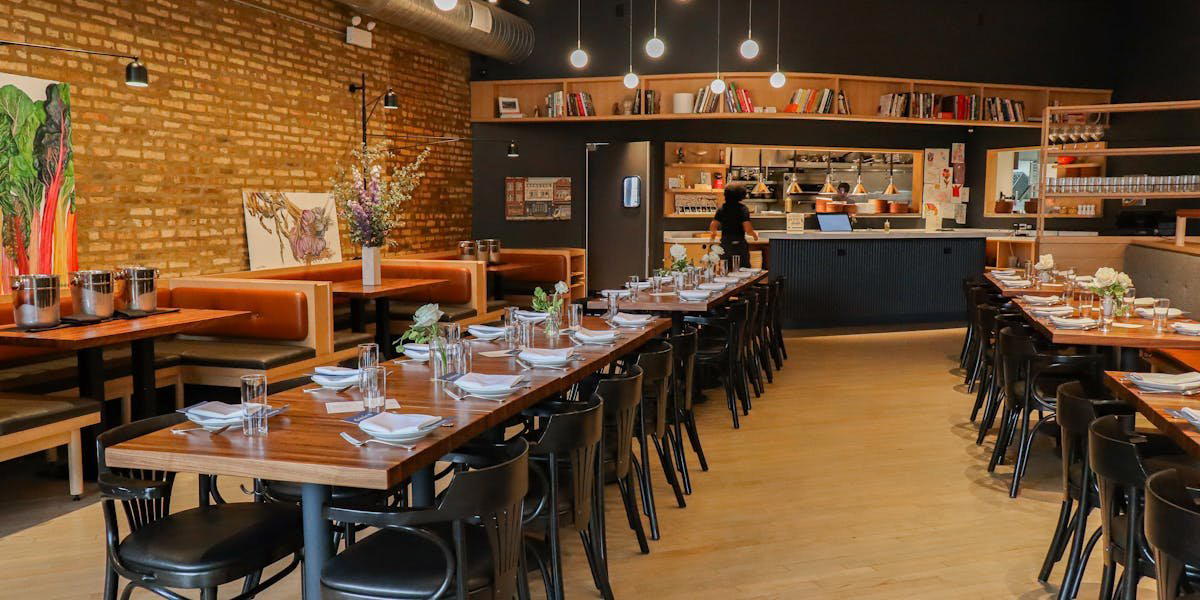
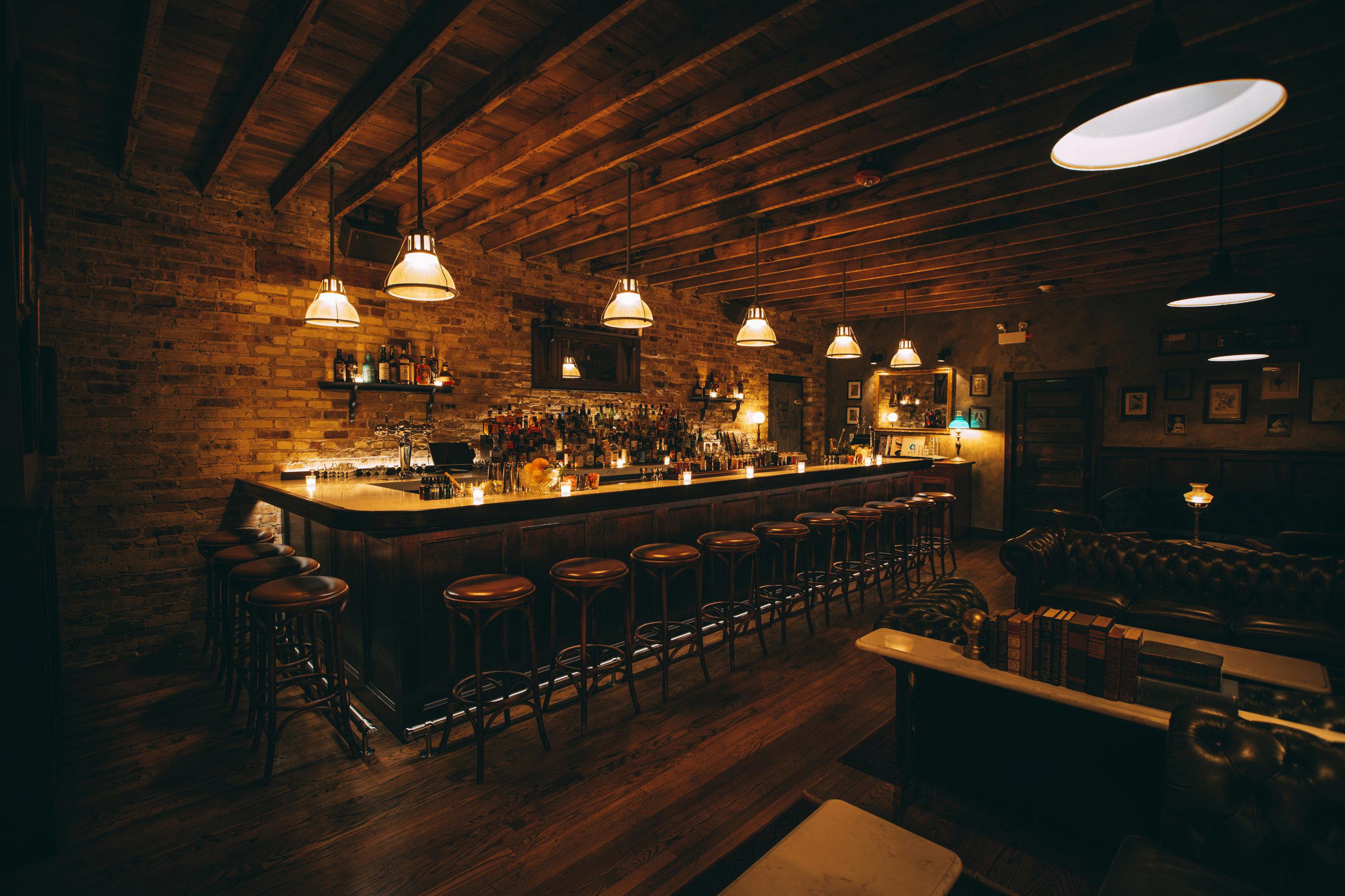
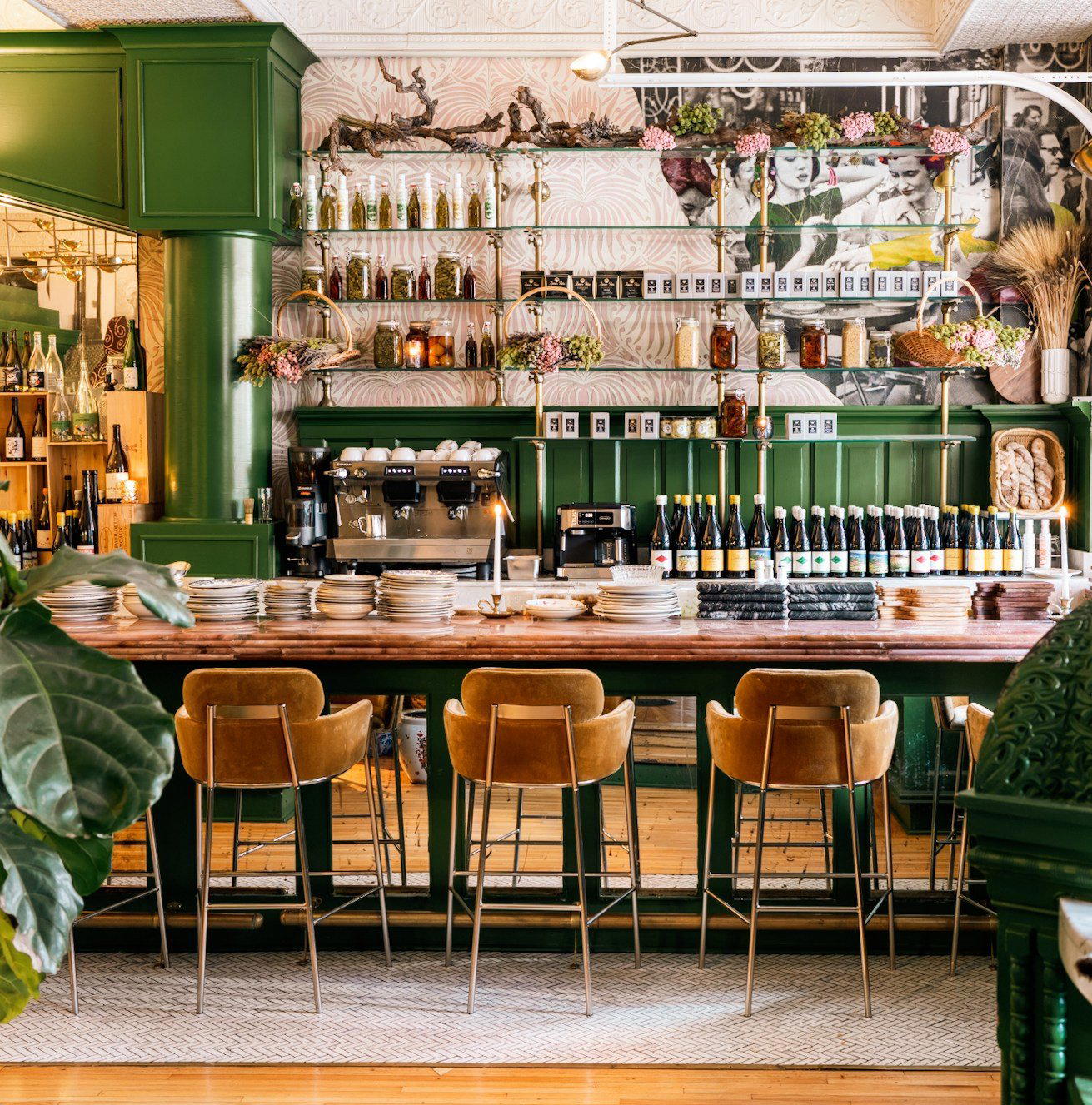
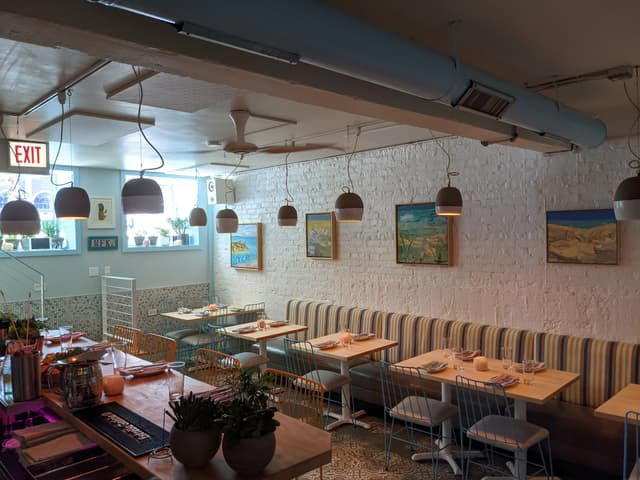
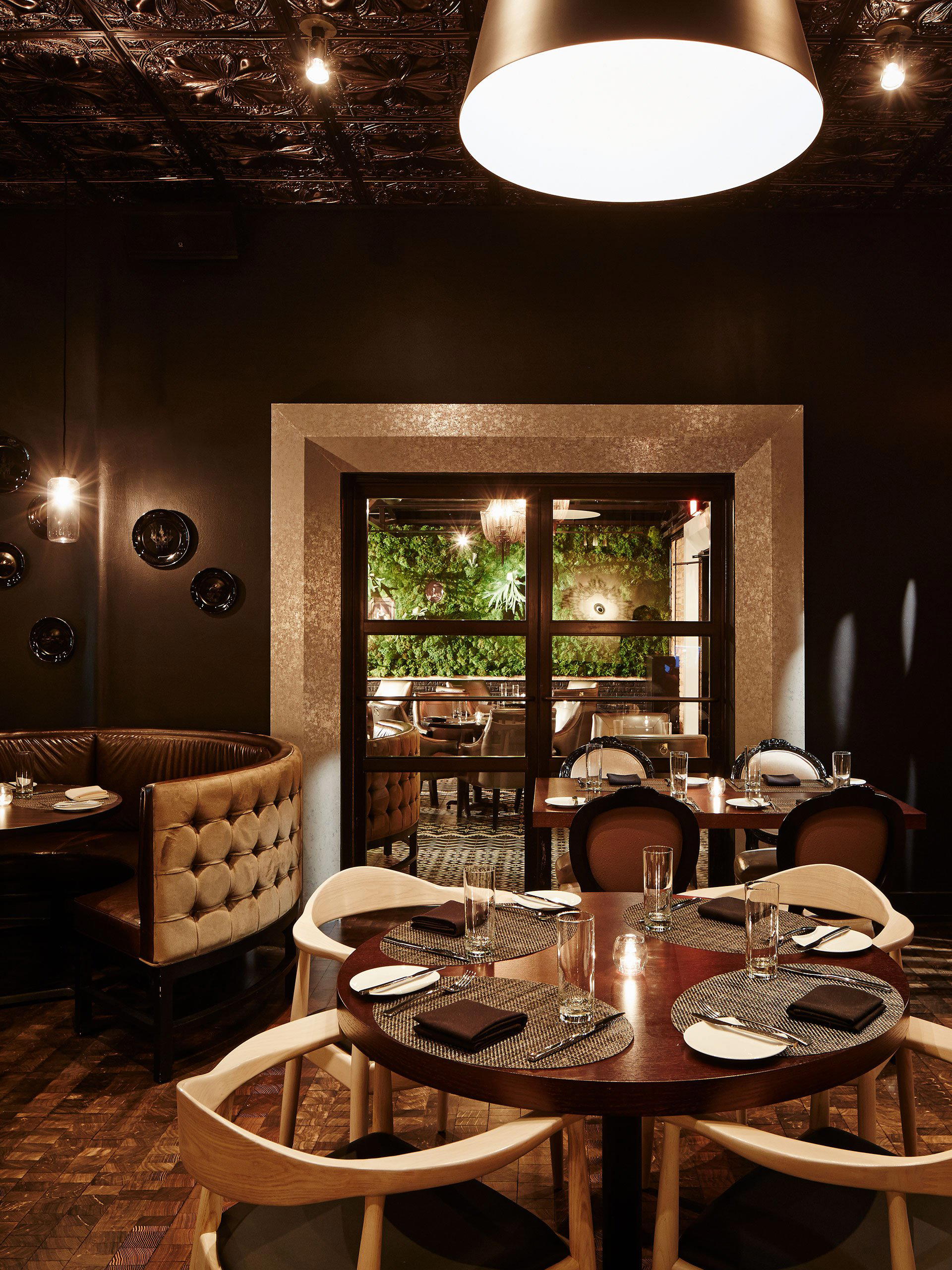
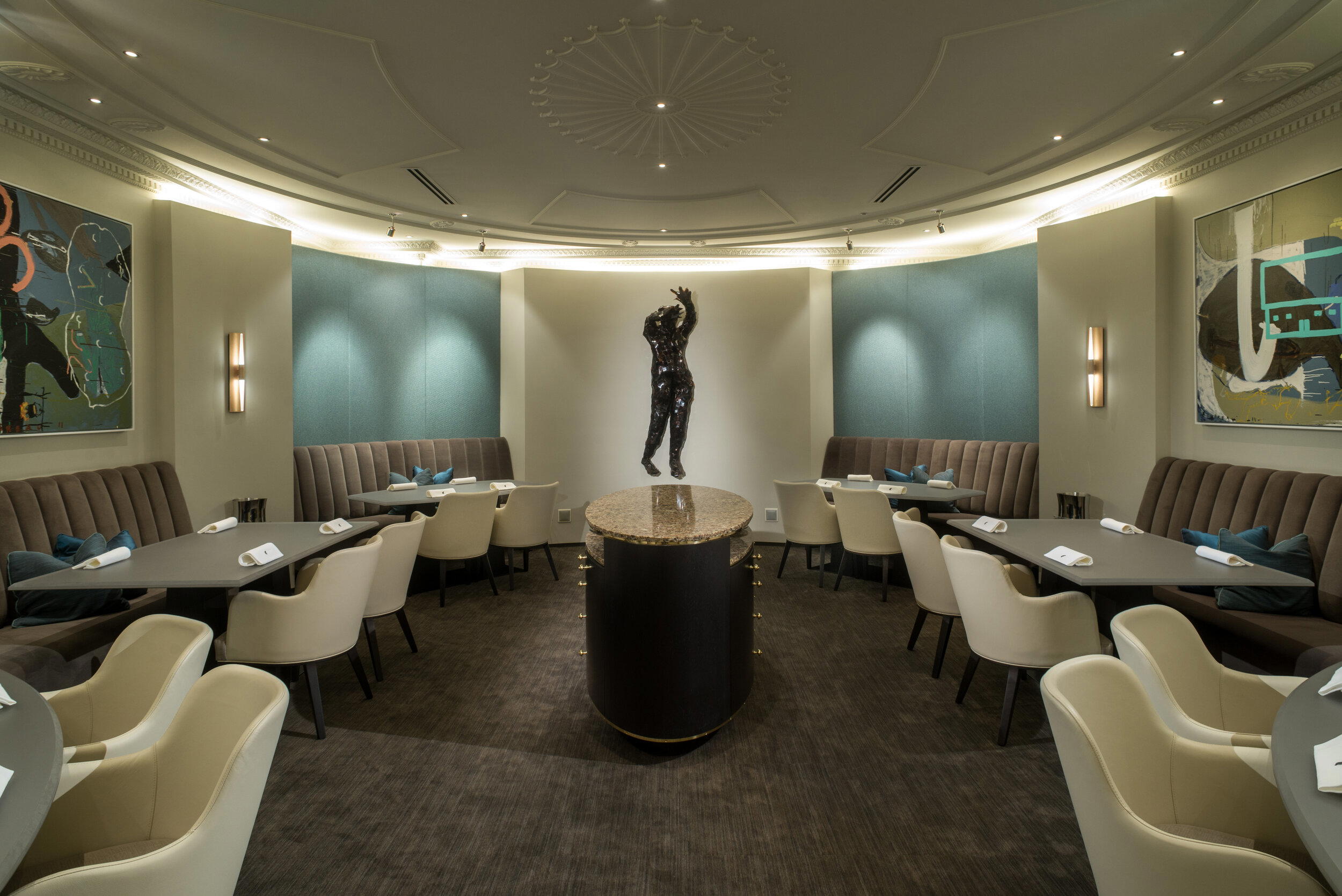
Brightly lit, small and narrow dining room with counter seats and booths, creating an intimate casual atmosphere.
Know Before You Go
- Getting there
- 2207 W Montrose Ave, Chicago, IL 60618, USA