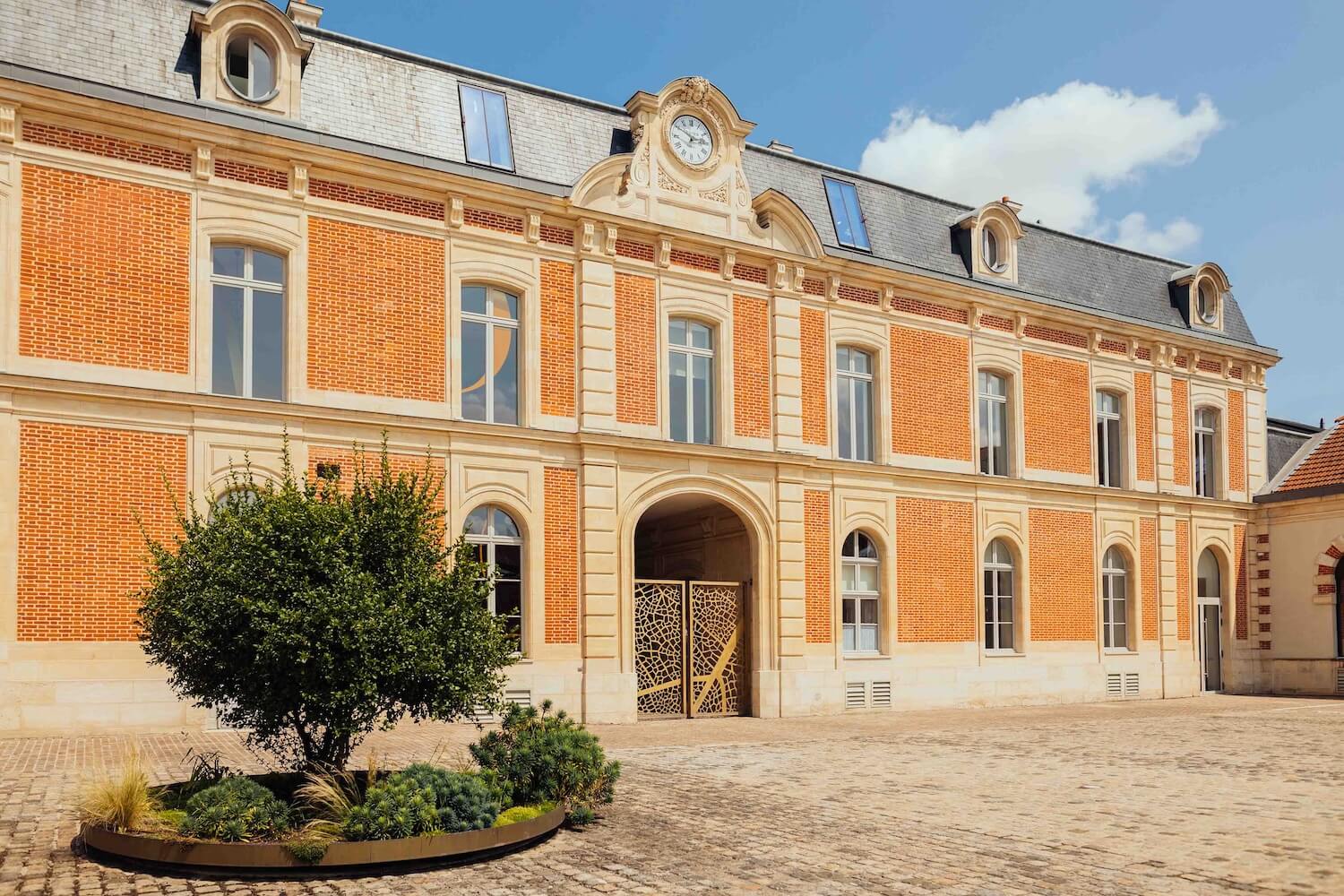
On a quiet street in the 9th arrondissement, Maison Souquet occupies a restored 19th-century building that reads, from the outside, more like a private residence than a bar. Inside, the back bar operates as the focal point: a curated spirits collection that positions the venue within the smaller, more serious tier of Parisian drinking culture, where the selection of bottles matters as much as what ends up in the glass.
Pearl is the En Primeur Club membership app — saves, bookings, and concierge access live there. Same editors, same standards.
- Address
- 10 Rue de Bruxelles, 75009 Paris, France
- Phone
- +33 1 48 78 55 55
- Website
- maisonsouquet.com
- Directions
- Get directions
 Saves & bookings on Pearl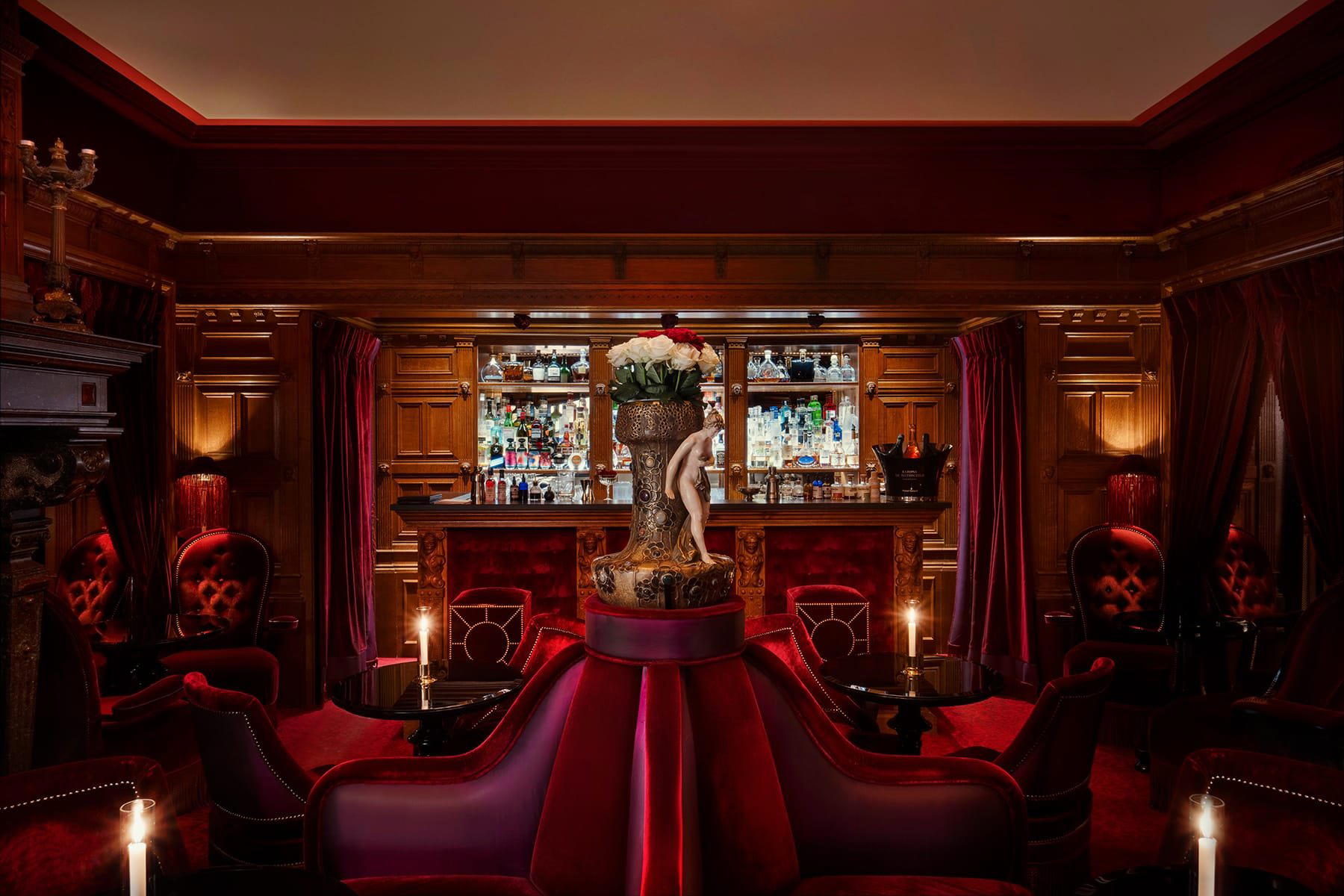
A Quiet Address in the 9th, With a Back Bar That Earns Attention
The 9th arrondissement has long functioned as a connector between the tourist density of Montmartre and the concentrated bar energy of the 10th and 11th. Rue de Bruxelles, where Maison Souquet sits, carries that transitional quality into its architecture: Haussmann-era facades, relatively low foot traffic, and the kind of address that rewards visitors who know where they are going. The building itself, a 19th-century property with the proportions of a bourgeois townhouse, does not announce itself aggressively. That restraint is part of the point.
Paris has gone through several distinct phases in its cocktail and spirits culture over the past fifteen years. The first wave leaned heavily on speakeasy theatrics and hidden-door formats. A second, more technically oriented wave produced bars focused on fermentation, clarification, and process-driven menus. The current moment in the city is more pluralist, with serious spirits programming sitting alongside both approaches. Maison Souquet belongs to the thread that prioritises the collection itself: the back bar as argument, the bottle selection as editorial position.
The Back Bar as the Central Proposition
In bars where the spirits collection is the primary story, curation replaces spectacle. The question is not what theatrical gesture accompanies your drink, but whether the bottle on the shelf could be found anywhere else in the city, and whether the person pouring it can explain why it is there. This model is more demanding in both directions: it asks more of the bar team and more of the guest.
Maison Souquet sits within a small Parisian peer group that takes this approach seriously. Venues like Danico, which built its reputation around technical depth and a carefully chosen spirits range, and Candelaria, which anchors its identity in a defined regional spirits tradition, represent different expressions of the same underlying commitment: the bottle selection is not decoration, it is the programme. Maison Souquet operates with that same logic, applied through the lens of its 19th-century setting and the more intimate register of the 9th arrondissement.
Across France, this approach to spirits programming appears in concentrated pockets outside Paris as well. La Maison M. in Lyon and Coté vin in Toulouse both demonstrate that collection-led drinking culture has moved beyond the capital, though Paris remains the reference point for the format's most ambitious expressions.
Setting and Atmosphere: What the Space Does
The interior at Maison Souquet reflects the building's history rather than working against it. The vocabulary is 19th-century French: upholstered furniture, warm light sources positioned low, decorative objects that read as accumulated rather than staged. For a certain kind of drinker, this matters: the environment frames how you receive the glass in front of you. A rare Armagnac lands differently in a room that feels like it was designed around the idea of sitting with a drink than in a space built for volume and throughput.
This is not a bar built for groups seeking high-energy programming. The pace is slower, the sound levels measured, the interaction with the bar team closer to a conversation than a transaction. Paris has bars optimised for both modes. Buddha Bar occupies the theatrical, high-volume end of the spectrum. Bar Nouveau works a different register. Maison Souquet's contribution to the city's drinking culture is quieter, and deliberately so.
Where This Fits in the Paris Bar Conversation
Paris's bar culture has never been as monolithic as its restaurant reputation. The city has always had a parallel track of serious drinking establishments that operated at a remove from tourist circuits, serving a local and international clientele that understood what they were looking for. That track has become more visible over the past decade as bar awards, international press coverage, and the growth of spirits tourism have brought more attention to venues outside the obvious landmarks.
Maison Souquet sits in the portion of that track where the address, the setting, and the back bar all point in the same direction. It is not competing with high-volume cocktail bars.
For context on how collection-led bar culture operates in other formats and regions, Bar Leather Apron in Honolulu represents a similar commitment to spirits depth in a very different setting, while Papa Doble in Montpellier and Au Brasseur in Strasbourg show how French cities outside the capital develop their own versions of the serious drinking venue. Bar Casa Bordeaux in Bordeaux and Le Café de la Fontaine in La Turbie extend that picture further, each operating within a distinct local context while sharing the same underlying premise: that what is behind the bar is a reflection of deliberate choices.
Planning Your Visit
Rue de Bruxelles is walkable from several metro stations in the 9th, including Place de Clichy and Blanche, both of which sit within a few minutes on foot. The surrounding block is residential in character, which means the usual Paris bar anchors, tabacs, and late-night food options are not immediately adjacent. Arriving with a specific intention to spend time at Maison Souquet rather than using it as one stop in a longer crawl is the more productive approach: the venue rewards unhurried visits rather than brief ones. For a fuller picture of how Paris's bars and restaurants fit together across neighbourhoods, see our full Paris restaurants guide.
Comparison Snapshot
| Venue | Cuisine |
|---|---|
| Maison SouquetThis venue — the venue you are viewing | This venue |
| Bar Nouveau | World's 50 Best |
| Buddha Bar | World's 50 Best |
| Candelaria | World's 50 Best |
| Danico | World's 50 Best |
| Harry's Bar | World's 50 Best |
Continue exploring
More in Paris
Bars in Paris
Browse all →
Restaurants in Paris
Browse all →
Hotels in Paris
Browse all →



At a Glance
- Romantic
- Elegant
- Intimate
- Ornate
- Sophisticated
- Cozy
- Date Night
- Special Occasion
- Speakeasy
- Historic Building
- Hotel Bar
- Lounge Seating
- Booth Seating
- Private Rooms
- Craft Cocktails
- Zero Proof
Plush, intimate decor with red velour, library-like bar featuring books, piano, and fireplace, evoking a moody, romantic, and theatrical atmosphere.
Know Before You Go
- Getting there
- 10 Rue de Bruxelles, 75009 Paris, France