Love Street
On the Lincoln Park–Lakeview border, Love Street occupies a quieter register than Chicago's high-profile cocktail destinations. Where bars like Kumiko operate at the technical and reputational peak of the city's scene, Love Street positions itself as a neighborhood-rooted alternative — approachable in format, considered in sourcing, and grounded in the kind of unhurried hospitality that Lincoln Park's residential streets tend to reward.

Pearl is the En Primeur Club membership app — saves, bookings, and concierge access live there. Same editors, same standards.
- Address
- 1325 W Wrightwood Ave, Chicago, IL 60614
- Hours
- Daily 5 PM–1 AM
- Directions
- Get directions
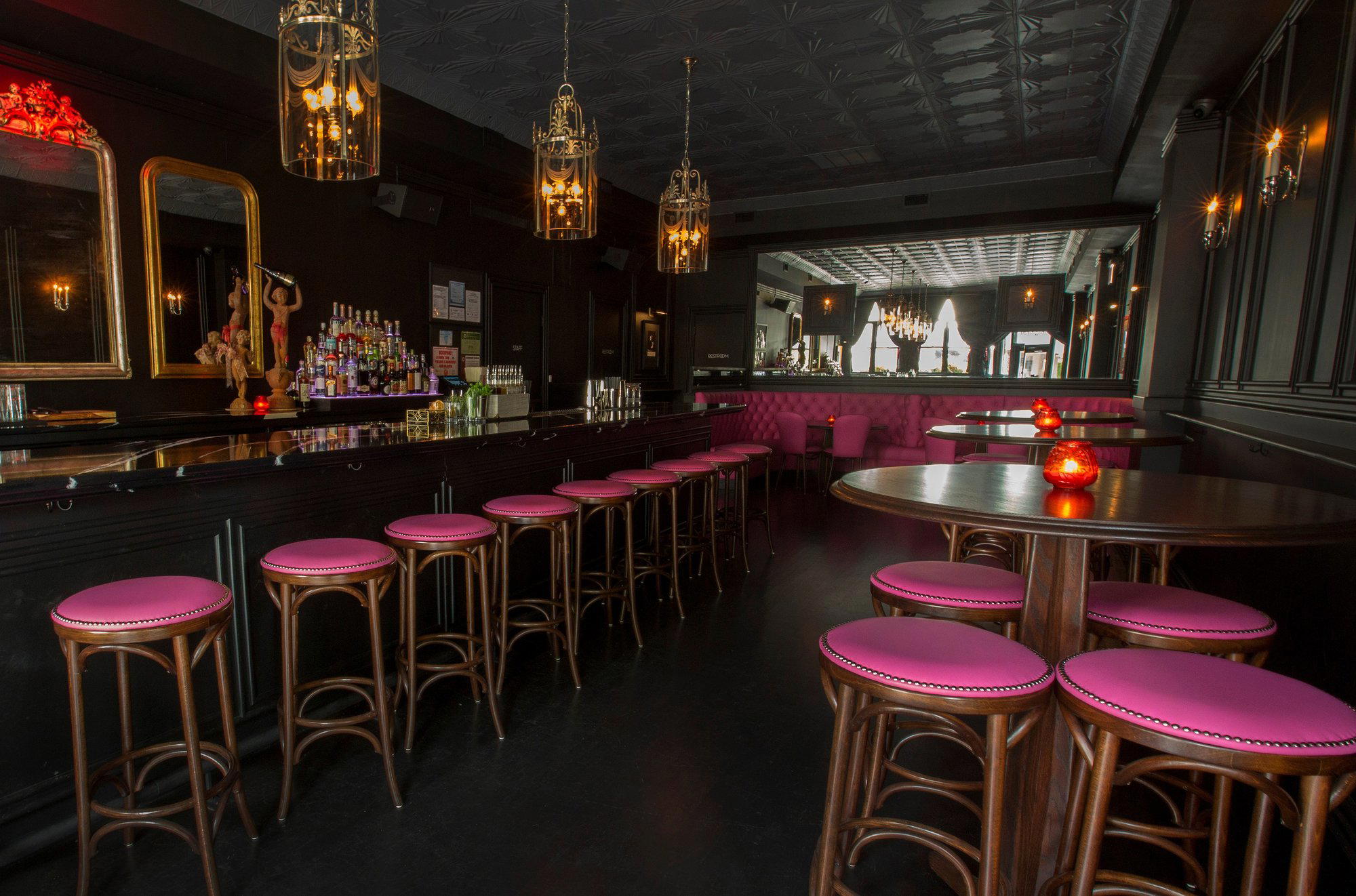
Where Lincoln Park Exhales
Chicago's cocktail culture has, over the past decade, sorted itself into two broad tiers. The first is the nationally recognized, reservation-recommended tier: Kumiko in the West Loop, with its Japanese-influenced program and meticulous technique; Leading Intentions pushing fermentation-forward menus; Bisous working a Francophone sensibility into its pours. The second tier is smaller, quieter, and increasingly interesting: neighborhood bars that function less as destination statements and more as community anchors, where the sourcing ethic is serious but the atmosphere doesn't announce itself.
Love Street, at 1325 W Wrightwood Ave, sits at the seam between Lincoln Park and Lakeview — two neighborhoods that have historically generated more restaurant traffic than bar culture. That positioning is part of the point. The surrounding blocks are residential in character, the foot traffic is local rather than tourist, and the expectation on any given evening is conversation over spectacle. That framing shapes everything about what Love Street is and what it isn't trying to be.
The Ethics of the Pour: Sourcing as Editorial Position
Across the American bar scene, sustainability has moved from talking point to operational baseline. The most credible practitioners are not those who print the word on their menus but those whose sourcing decisions are traceable — where the spirits come from, whether the citrus is grown with attention to land use, how much is wasted per service. This shift is most visible at places like ABV in San Francisco, which built its identity around local and low-intervention producers, and at Jewel of the South in New Orleans, where ingredient sourcing ties directly to regional agricultural tradition.
Love Street operates within that broader current, on Chicago's north side rather than in a nationally publicized venue. The bar's address in a residential pocket of Lincoln Park is itself an argument about scale: smaller rooms generate less waste, smaller menus reduce spoilage, and closer relationships with local suppliers are logistically easier to maintain. None of this requires a press release. It's structural.
Chicago has its own sustainability-conscious bar infrastructure to draw from. The city's proximity to Midwest agricultural producers, distilleries in Indiana and Wisconsin, fruit farms downstate, small-batch spirit makers throughout Illinois, gives bars in the region genuine sourcing options that their coastal counterparts have to work harder to replicate. A bar in Lincoln Park that chooses to engage with that supply network is making a different kind of statement than one in a tourist corridor doing the same.
Atmosphere Without Performance
Approaching Love Street from Wrightwood, the physical cues are residential rather than commercial. The bar sits on a block that doesn't signal nightlife from a distance, which is consistent with how a certain kind of Chicago neighborhood bar has always operated: you know it's there because you live nearby or someone told you. The experience of arriving is quieter than what you'd find approaching the more theatrical end of Chicago's bar spectrum, the subterranean drama of Three Dots and a Dash, or the gallery-level visual presentation at some West Loop addresses.
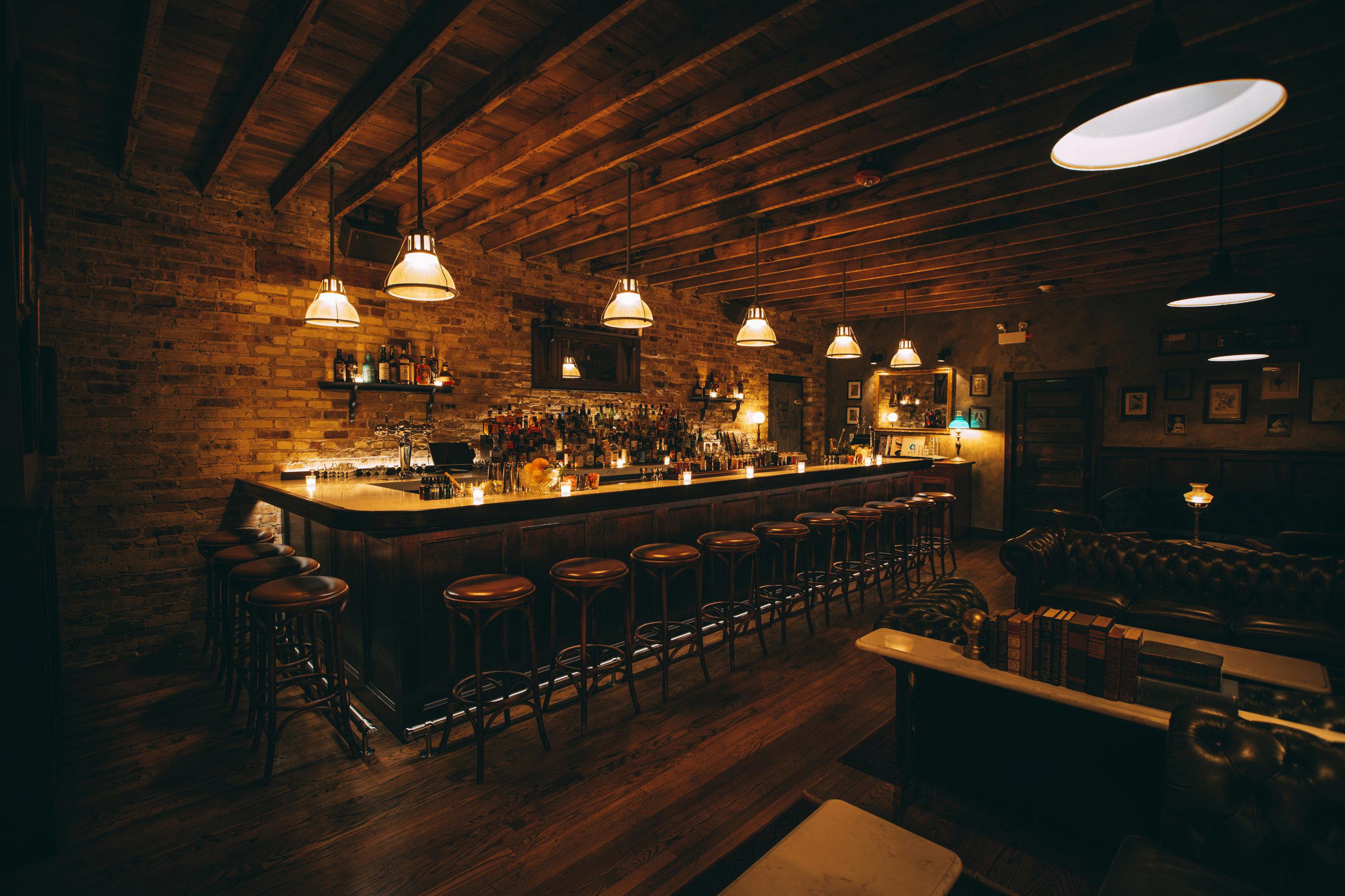
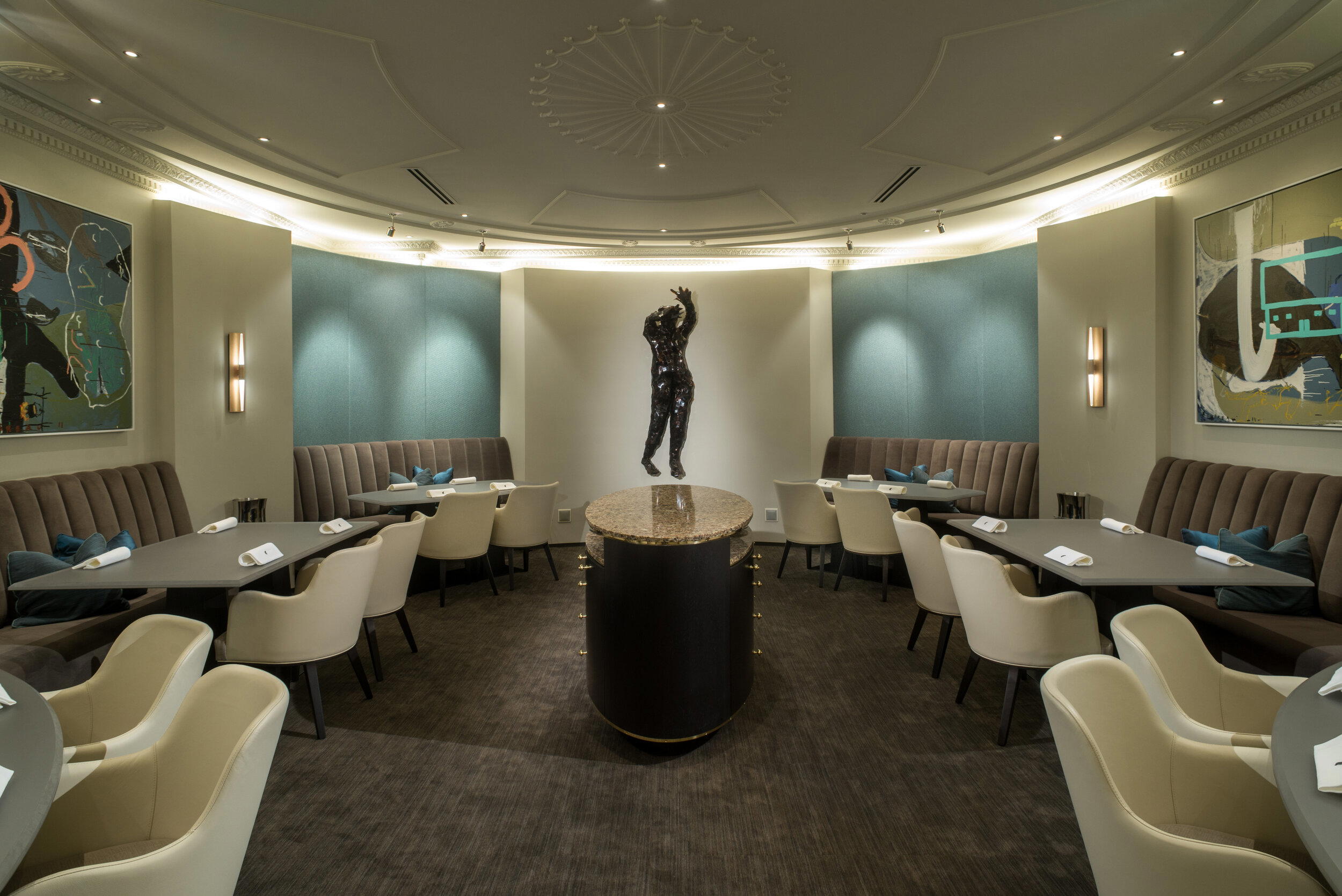
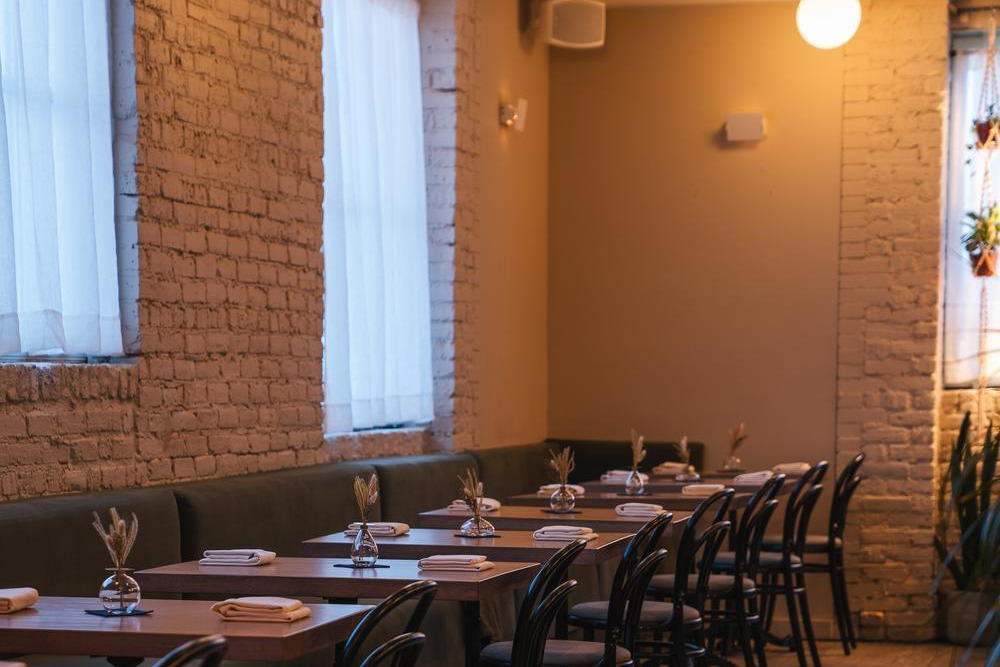
Inside, the atmosphere at a bar like this tends toward warmth over production value. The room is not designed to be photographed, which in 2024 is its own kind of statement. The expectation is that you stay for a second drink, that the bartender remembers what you ordered, and that the energy in the room comes from the people rather than the lighting rig. These are not small things. They are the difference between a bar as entertainment venue and a bar as social infrastructure.
For context on how this kind of bar operates in other American cities, Julep in Houston has built its identity on hospitality-first Southern whiskey service without sacrificing program depth, and Bar Leather Apron in Honolulu demonstrates that a quiet, precision-led room can hold its own against louder competition. Love Street belongs to a similar register in its own city.
Chicago's most-discussed bar programs tend to cluster geographically: the West Loop and River North host the majority of nationally recognized venues, while neighborhoods like Lincoln Park and Lakeview operate with less critical spotlight but often more regularity. Lemon offers another data point in the north side's emerging cocktail identity, working a tighter format in a neighborhood context.
What separates the neighborhood tier from the destination tier is rarely quality of product, it's awareness and booking friction. A bar at Kumiko's level operates with reservation windows and tasting-format expectations. A bar at Love Street's level operates walk-in, at neighborhood pace, with a menu that can change more fluidly because it isn't subject to the same media scrutiny. That flexibility is an asset when it comes to sustainable sourcing: seasonal adjustments don't require a press cycle, just a conversation with the supplier.
Internationally, bars like Allegory in Washington, D.C. and Superbueno in New York City show how a clear editorial identity, whether botanical, culinary, or culturally specific, can drive a neighborhood bar into wider recognition without losing its original character. The Parlour in Frankfurt offers a European comparison: a bar that defines itself through craft and community rather than award-seeking volume. Love Street is operating in that same mode.
Planning Your Visit
Love Street is located at 1325 W Wrightwood Ave in the Lincoln Park neighborhood, close to the Lakeview border and accessible from the Fullerton CTA station on the Red and Brown lines. The area is walkable from several north side neighborhoods, and street parking is generally available on surrounding residential blocks. Because the bar operates in a neighborhood format rather than a destination format, walk-in visits are the natural mode of arrival, though for a Friday or Saturday evening, arriving earlier in the service window will give you better access to seating and a calmer pace. For a fuller picture of where Love Street sits within Chicago's wider bar and dining scene, see our full Chicago restaurants guide.
Just the Basics
Comparable venues nearby, for context on price, style, and recognition.
| Venue | Cuisine | Price | Awards | Notes |
|---|---|---|---|---|
| Love StreetThis venue — the venue you are viewing | Not listed | $20–30 | Not listed | Not listed |
| Hexe Coffee Co. | Roscoe Village, lounge | $10–20 | Infatuation Coffee Guide | Not listed |
| Paulie Gee's Logan Square | Logan Square, pub | $20–30 | Not listed | Not listed |
| Nico & Lala | Chicago, Bar | Not listed | Not listed | Not listed |
| Volare Ristorante Italiano | Streeterville, lounge | Not listed | Not listed | Not listed |
| Ipsento 606 | Not listed | $20–30 | Not listed | Bucktown, cocktail_bar |
Details
- Intimate
- Cozy
- Romantic
- Trendy
- Date Night
- Casual Hangout
- Standalone
- Seated Bar
- Lounge Seating
- Craft Cocktails
Current opening hours
- Monday
- 5 PM–1 AM
- Tuesday
- 5 PM–1 AM
- Wednesday
- 5 PM–1 AM
- Thursday
- 5 PM–1 AM
- Friday
- 5 PM–1 AM
- Saturday
- 5 PM–1 AM
- Sunday
- 5 PM–1 AM
Hours can change for holidays and private events. Last verified .
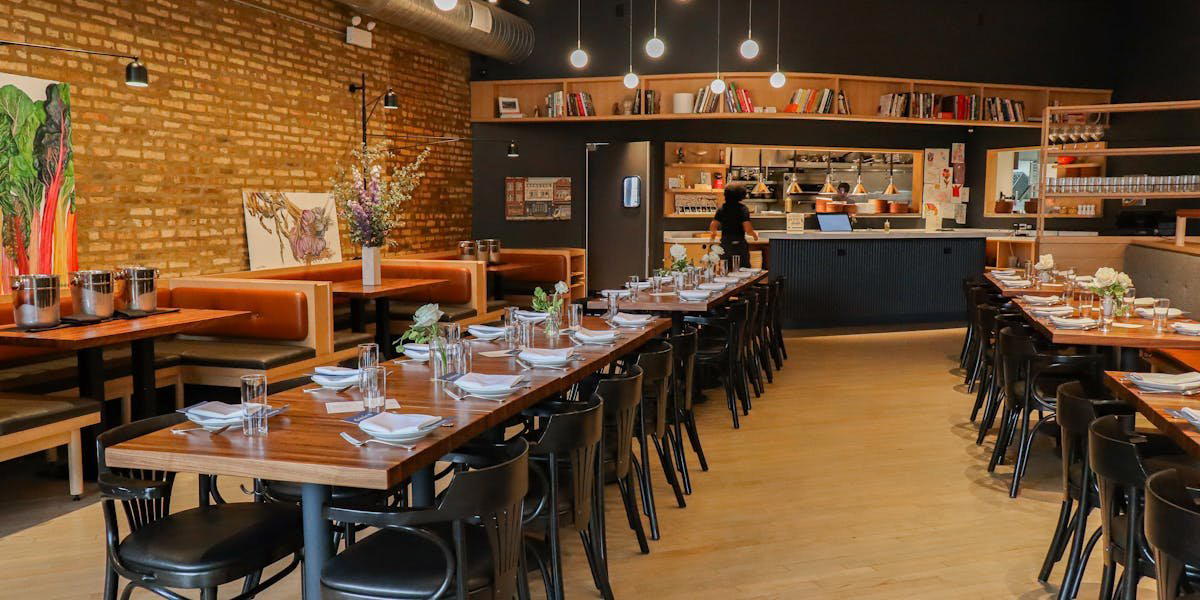
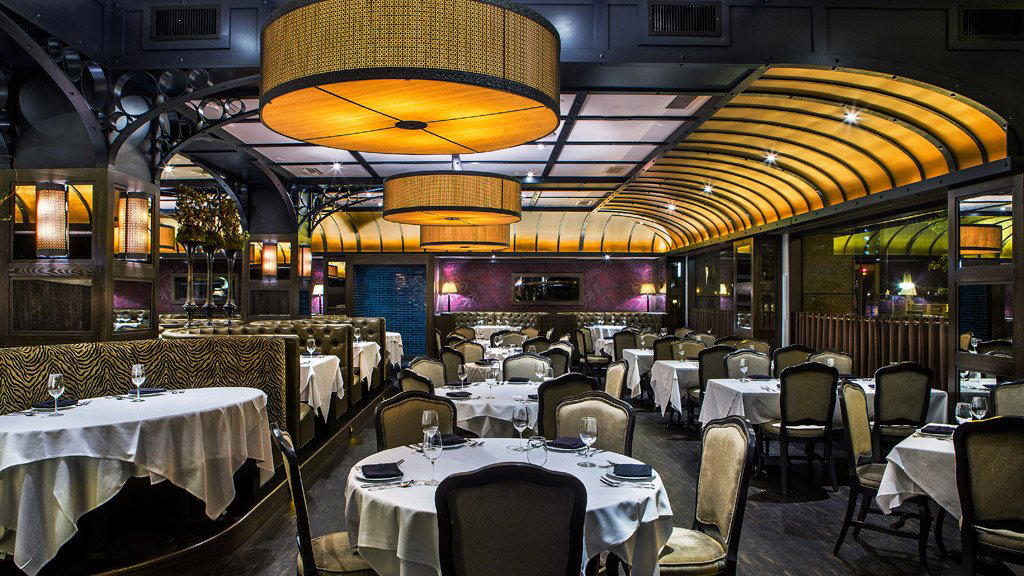
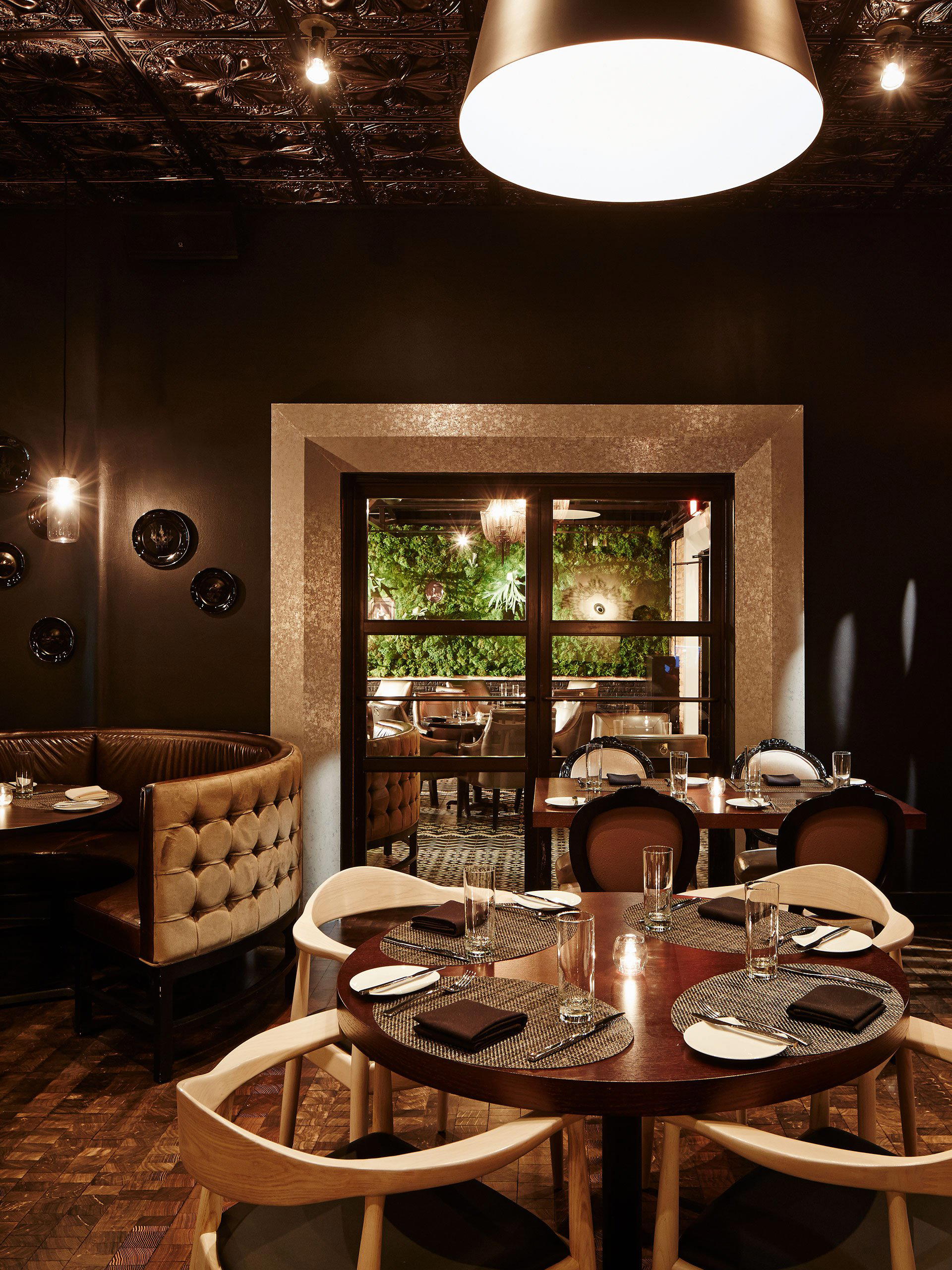
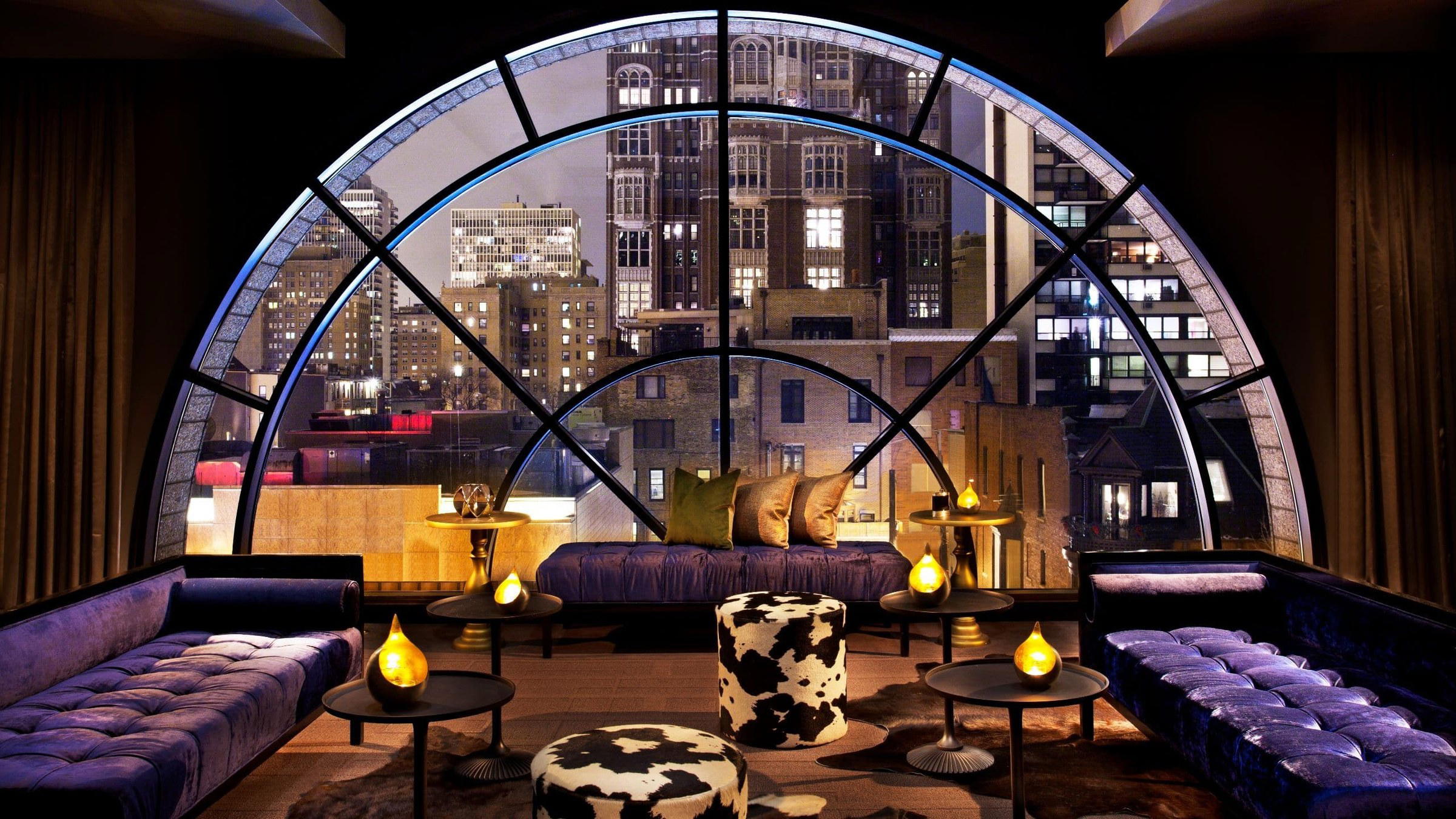
Intimate, cozy with distinctive dark ambiance, soft lighting, and vintage warmth.