Life On Mars
A Capitol Hill bar at 722 E Pike St that operates in the serious end of Seattle's craft cocktail scene. Life On Mars sits on one of the neighborhood's most active blocks, where the standard of bar programming has risen sharply over the past decade. For visitors already familiar with the city's drinking culture, it belongs on a short itinerary alongside the neighborhood's other technically focused rooms.

Pearl is the En Primeur Club membership app — saves, bookings, and concierge access live there. Same editors, same standards.
- Address
- 722 E Pike St, Seattle, WA 98122
- Phone
- (206) 323-9166
- Hours
- Mon ClosedTue–Thu 4–11 PMFri 4 PM–2 AMSat 11 AM–2 AMSun 11 AM–11 PM
- Website
- lifeonmarsseattle.com
- Directions
- Get directions
- Booking
- Book on the venue's website
Capitol Hill and the Bar That Fits It
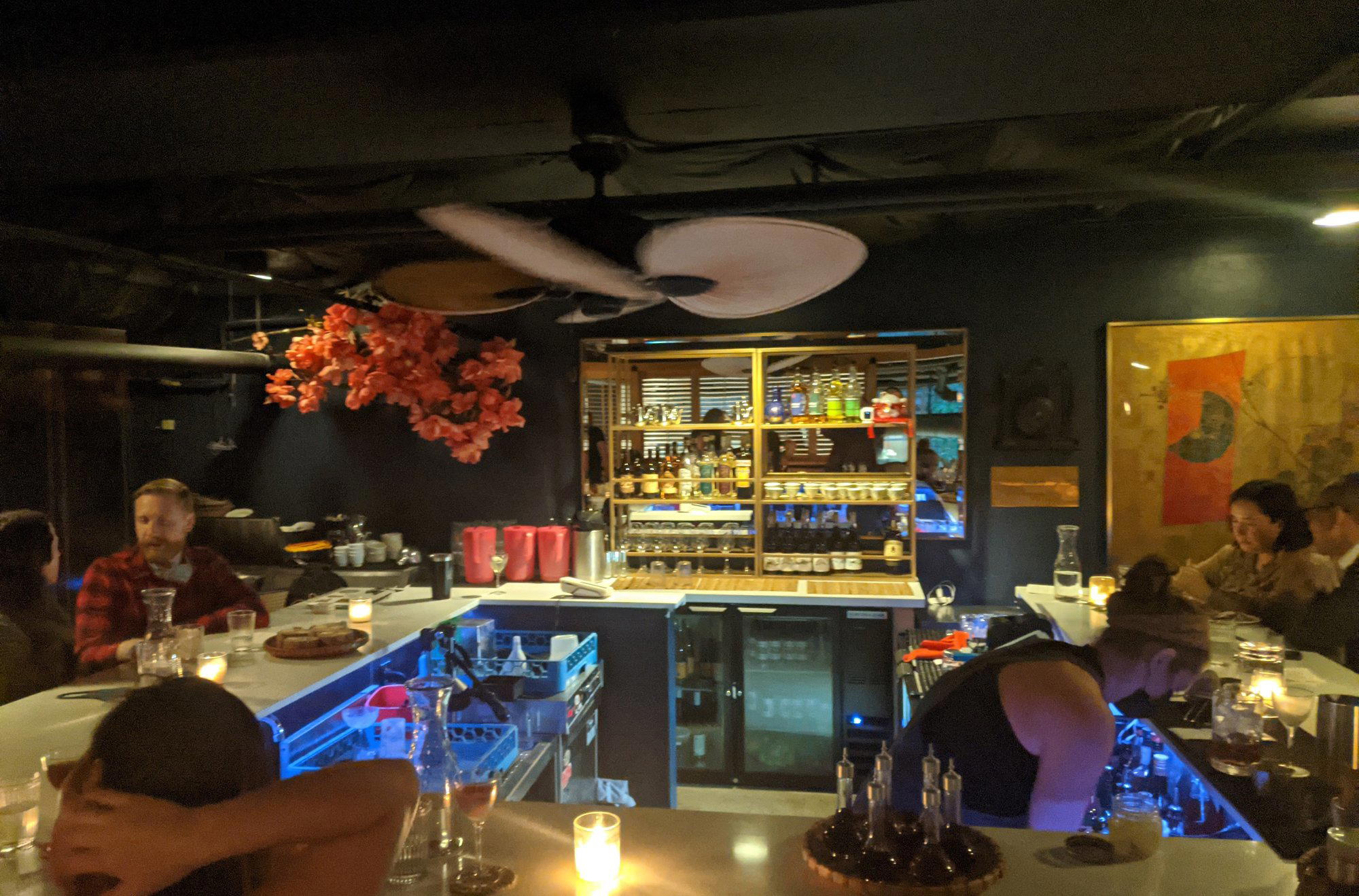
East Pike Street in Capitol Hill is one of those blocks where the density of serious drinking establishments starts to feel deliberate. The neighborhood has functioned as Seattle's most reliably interesting bar corridor for years, accumulating rooms that range from stripped-back wine bars to technically demanding cocktail programs. Life On Mars, at 722 E Pike St, sits inside that pattern rather than apart from it. Arriving on a weeknight, you find the kind of low-lit room that Capitol Hill has become associated with: a place where the ambient noise level stays low enough to hold a conversation, and where the staff handle their work with the focused economy of people who have done it many times and improved each time.
That physical environment matters because Capitol Hill bars have increasingly differentiated themselves not through theatrics but through competence. The city's cocktail scene underwent a significant reset after the mid-2010s wave of speakeasy formats ran their course. What emerged in its place, across venues like Canon and Roquette, was a quieter confidence: programs built around sourcing, technique, and depth of knowledge rather than theatrical presentation. Life On Mars reads as a product of that same shift.
The Craft Behind the Counter
American craft cocktail culture has spent the last fifteen years redistributing authority away from the dining room and toward the bar itself. The bartender, in serious rooms, is no longer a support role for a chef-driven experience. They are the primary voice — the person whose training, palate, and hospitality instincts determine whether a guest returns. This has produced a recognizable type of bar in cities like Seattle, Chicago, New Orleans, and San Francisco: the mid-sized room where the technical standard matches anything you would find in a formal tasting menu context, but the format is deliberately less structured.
What distinguishes the better bartenders in this tradition is not repertoire size but editorial judgment. The ability to read what a guest actually wants — rather than what they think they want, or what the menu suggests they should want, is a skill that takes years to develop and is rarely visible to the casual observer. At The Doctor's Office and other technically oriented Seattle rooms, that hospitality intelligence has become a baseline expectation.
The craft cocktail tradition that Life On Mars belongs to draws from a broader national conversation. Bars like Kumiko in Chicago and Jewel of the South in New Orleans have demonstrated that serious drink programs can carry rooms without relying on food menus or celebrity chef adjacency. Bar Leather Apron in Honolulu and ABV in San Francisco operate on similar terms: the bar itself is the credential. So does Julep in Houston, where the specificity of the spirits program functions as the editorial signature. In that national context, a Capitol Hill bar like Life On Mars is participating in a mature and well-defined tradition rather than staking out new territory.
Where It Sits in Seattle's Drinking Order
Seattle's cocktail scene does not have a single dominant style, which is part of what makes Capitol Hill a productive place to drink. The neighborhood contains bars oriented toward whisky depth, bars built around local produce and low-intervention spirits, and bars that lead with amaro lists or natural wine programs. This variety has developed partly because the city's drinking public is experienced enough to support specialization. Visitors arriving from cities with less stratified bar cultures sometimes find Seattle's seriousness surprising.
Life On Mars occupies the eastern end of Pike, which puts it in close proximity to several rooms pulling from the same informed-drinker audience. That concentration means the competitive standard is set by neighbors, not by the city average. For comparison, 2963 4th Ave S represents a different neighborhood inflection point, further south, where the format and price positioning differ. On Capitol Hill itself, the expectation is that a bar has done the work: sourced thoughtfully, trained its staff to a consistent level, and built a program with a discernible point of view.
Internationally, the same bar-as-primary-destination model appears in rooms like The Parlour in Frankfurt and Superbueno in New York City, where the program specificity carries the identity without requiring Michelin adjacency or a famous founder. What these bars share is a commitment to the counter as the unit of experience: the conversation, the pacing, and the drink itself, rather than the room's visual spectacle or the brand behind it.
Planning Your Visit
Capitol Hill is walkable from Seattle's central neighborhoods and well-served by transit from Capitol Hill Station on the Link Light Rail. East Pike sits at the heart of the neighborhood's bar cluster, meaning a night here can naturally extend to adjacent rooms before or after. The street is most active Thursday through Saturday, though serious drinkers often find weeknights the better option for unhurried counter service.
For a broader map of where Life On Mars fits in Seattle's eating and drinking scene, our full Seattle restaurants guide covers the city by neighborhood and format.
Know Before You Go
- Address: 722 E Pike St, Seattle, WA 98122
- Neighborhood: Capitol Hill
- Getting there: Capitol Hill Link Light Rail Station is within walking distance; street parking is limited on weekends
- Ideal time to visit: Weeknights offer a more relaxed pace; weekends are busier across the block
- Phone / Reservations: Contact details not currently listed; walk-in recommended
- Website: Not currently listed
In Context: Similar Options
Comparable venues nearby, for context on price, style, and recognition.
| Venue | Cuisine | Price | Notes |
|---|---|---|---|
| Life On MarsThis venue — the venue you are viewing | cocktail_bar | $20–30 | Not listed |
| Phở Bắc | cocktail_bar | $20–30 | Denny Triangle |
| The Rendezvous | lounge | $20–30 | Belltown |
| Bar del Corso | wine_bar | $30–50 | North Beacon Hill |
| Monkey Loft | cocktail_bar | $20–30 | SoDo |
| Isarn Thai Soul Kitchen | cocktail_bar | $20–30 | Ravenna |
Continue exploring
More in Seattle
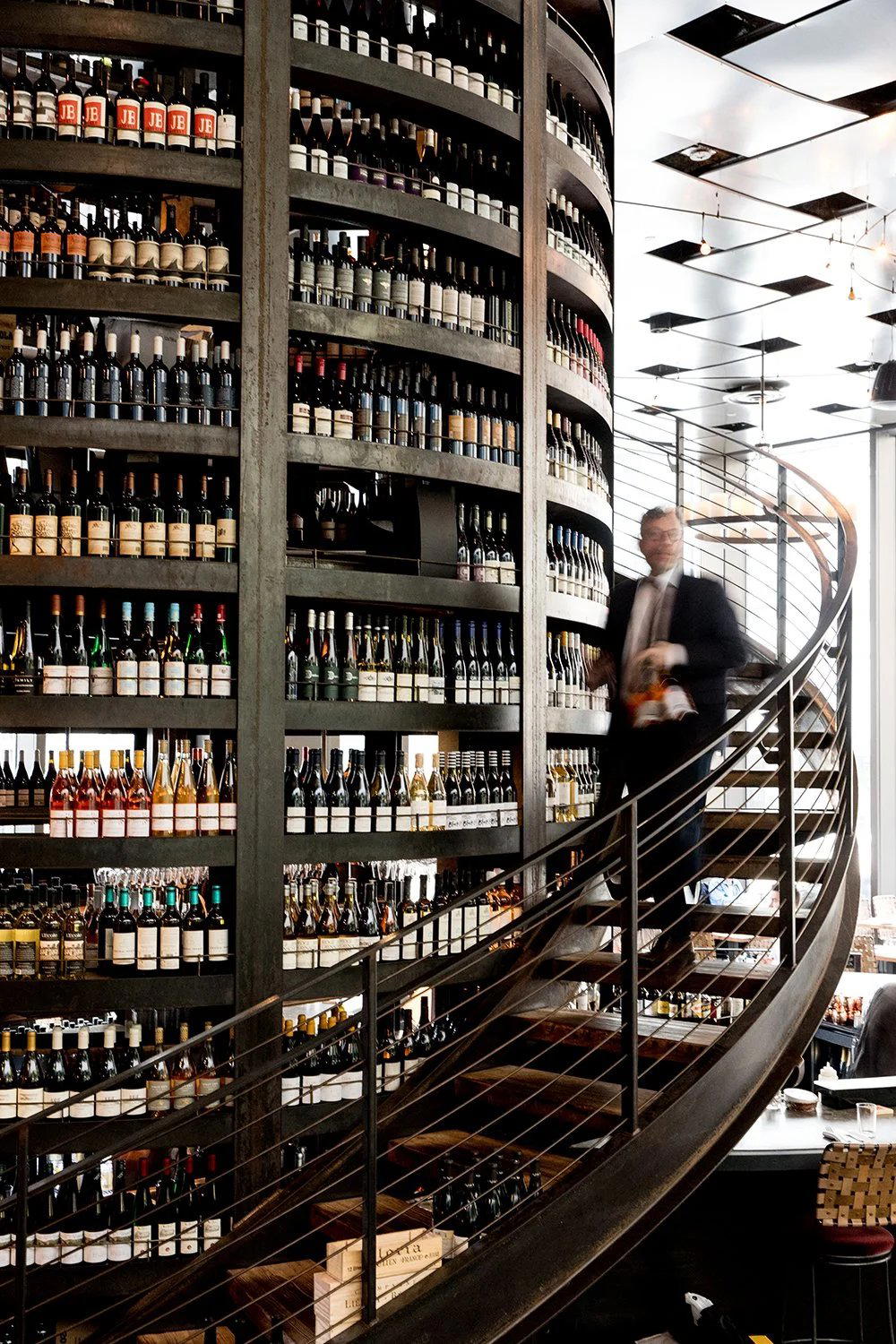
Bars in Seattle
Browse all →
Restaurants in Seattle
Browse all →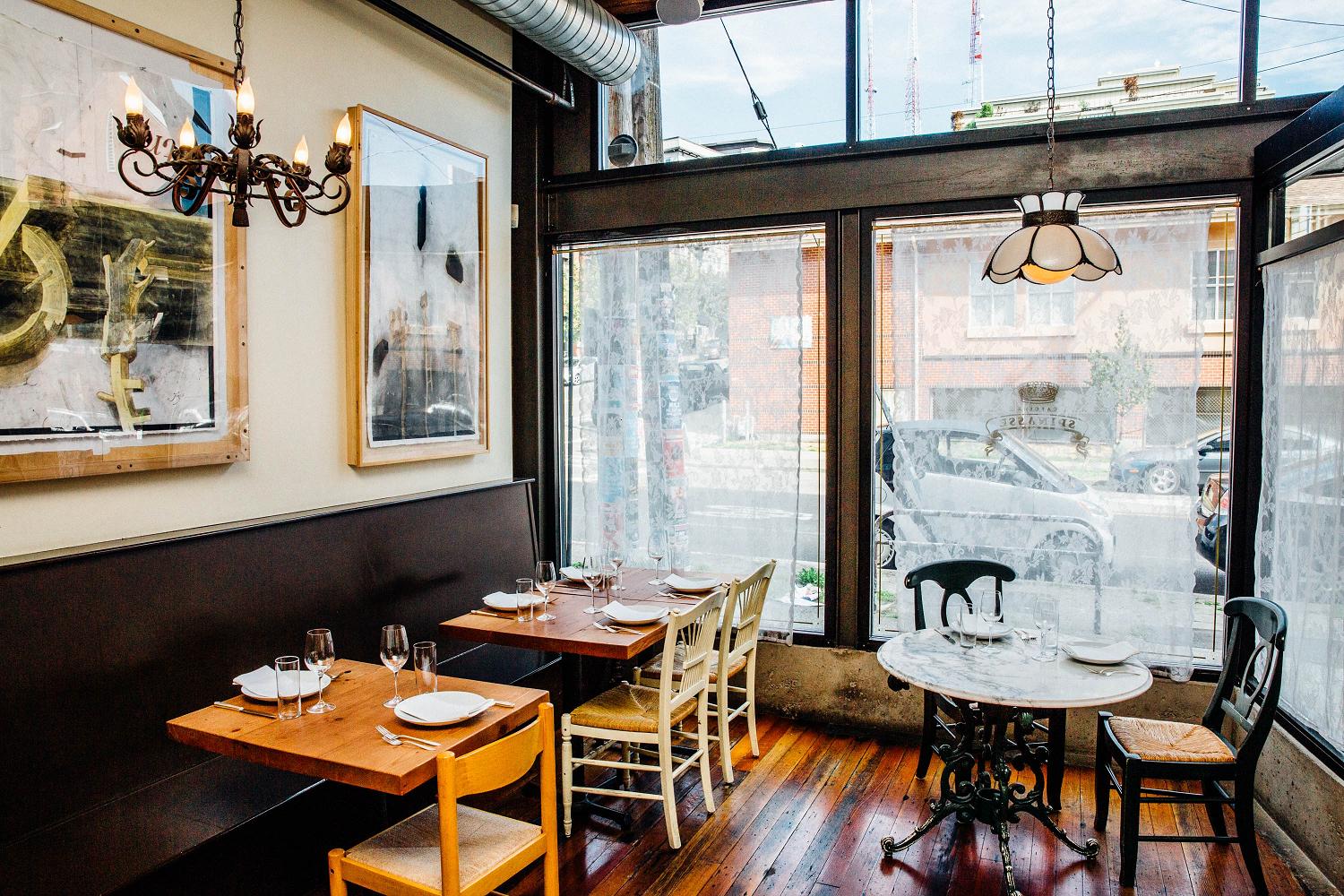
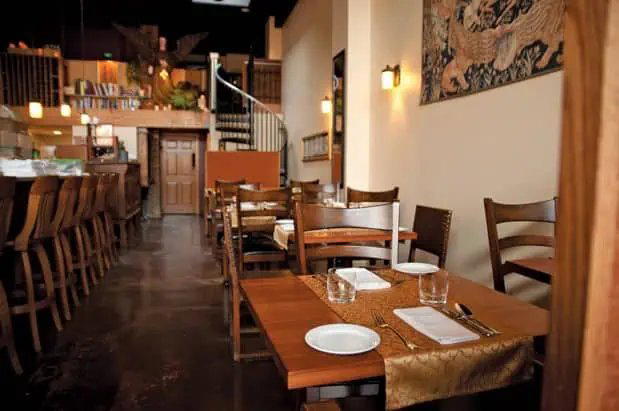
Hotels in Seattle
Browse all →

Details
- Trendy
- Lively
- Cozy
- Modern
- Date Night
- Late Night
- Group Outing
- Casual Hangout
- Design Destination
- Seated Bar
- Booth Seating
- Outdoor Terrace
- Craft Cocktails
- Zero Proof
Current opening hours
- Monday
- Closed
- Tuesday
- 4–11 PM
- Wednesday
- 4–11 PM
- Thursday
- 4–11 PM
- Friday
- 4 PM–2 AM
- Saturday
- 11 AM–2 AM
- Sunday
- 11 AM–11 PM
Hours can change for holidays and private events. Last verified .
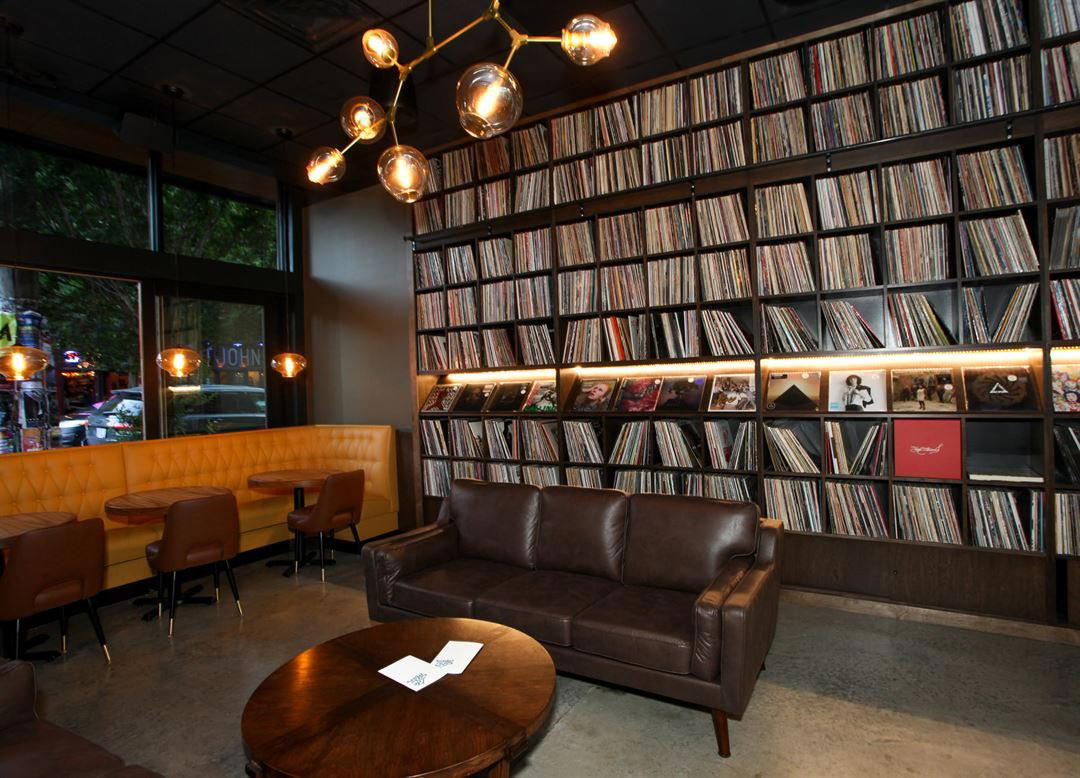
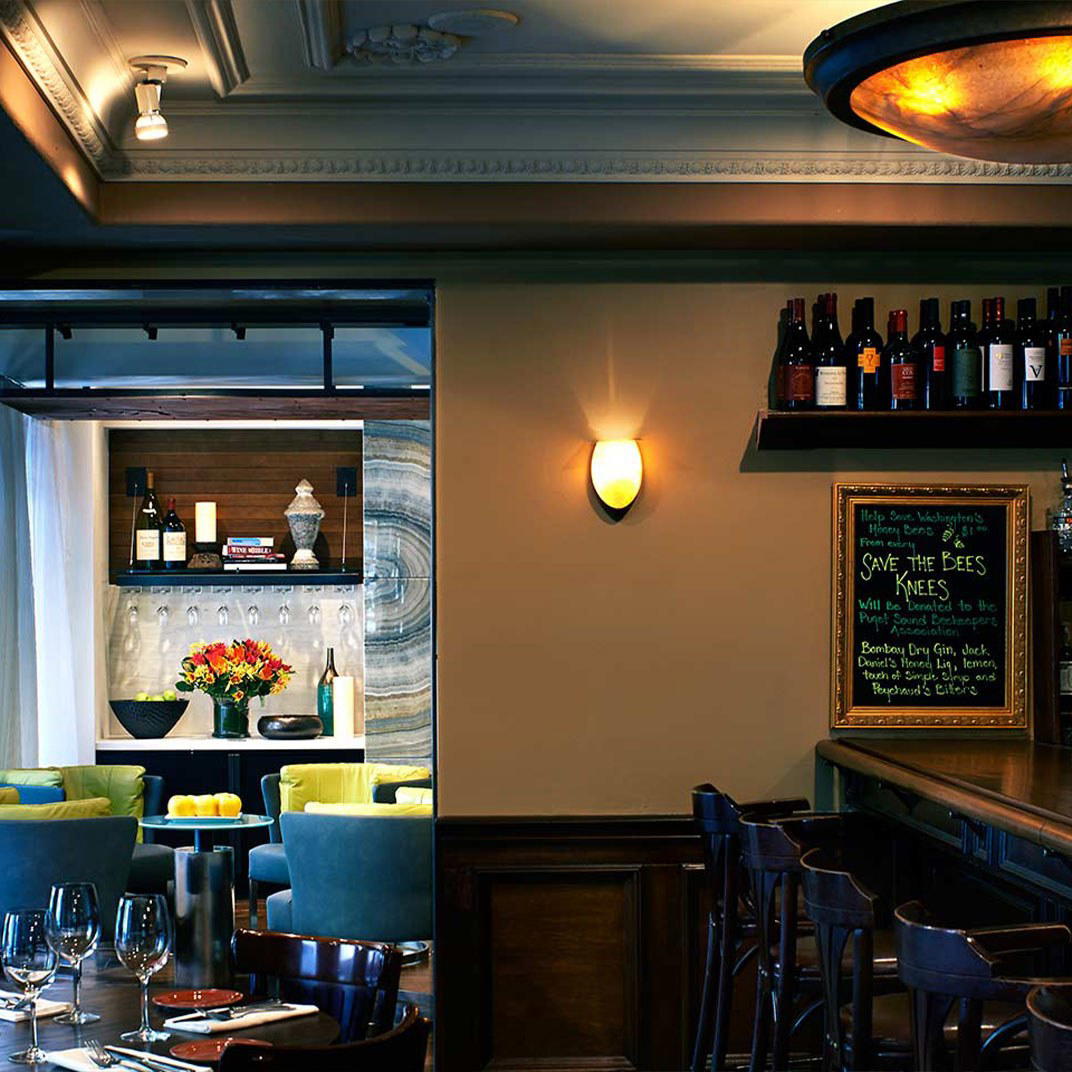
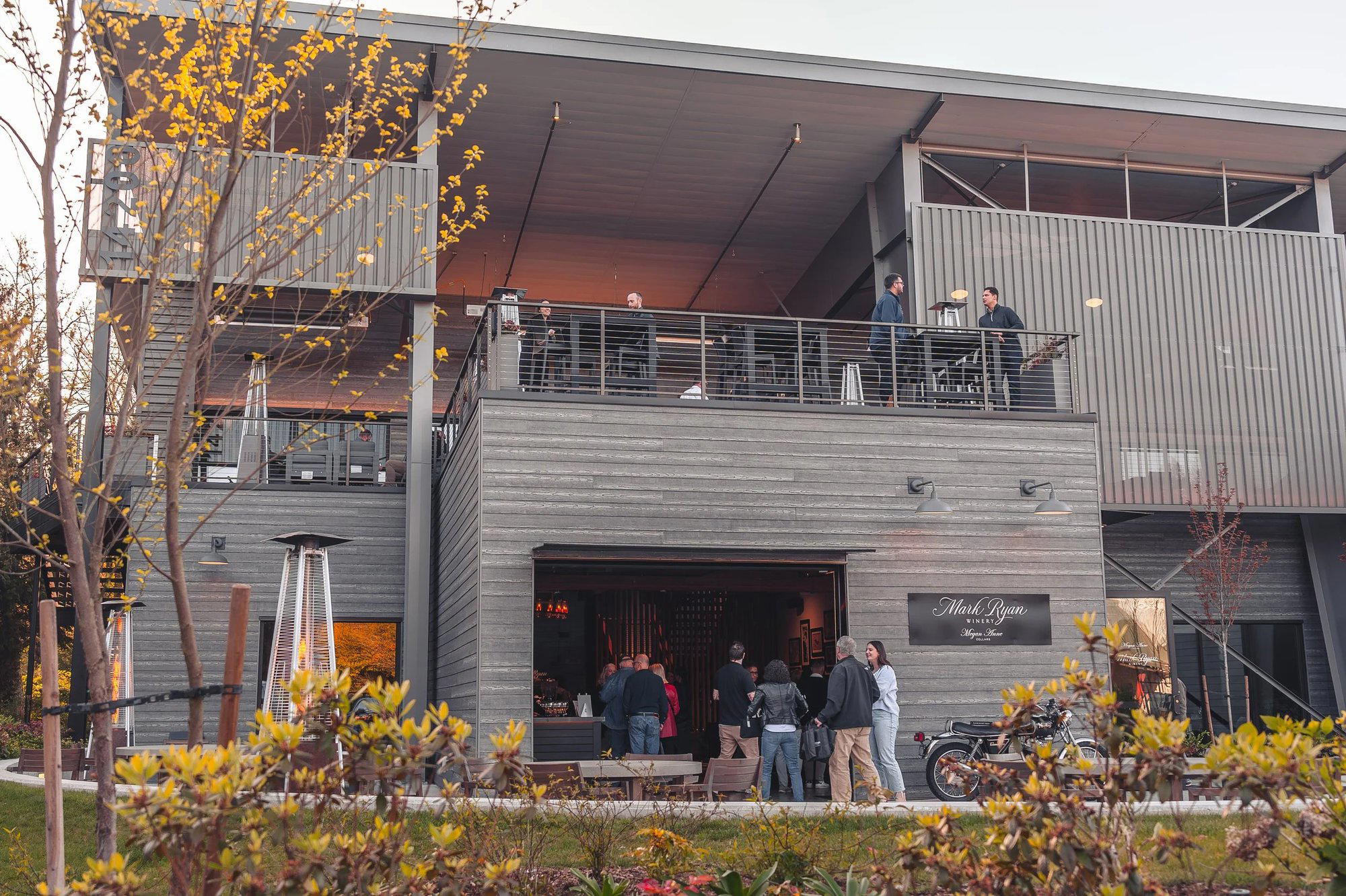
Subtle amber glow with comfortable seating, brick mural, and lively music from vinyl records fostering a music-centric, lingering atmosphere.